Since 1998
Solar Pump

Inquiry
Form loading...
Solar Pump
Innovative technologies that harness renewable resources have increased their demand as the world shifts toward sustainability. Among these innovations, one of the most promising ones is the Solar DC Surface Water Pump, which brings a key technology for irrigation and water management. These pumps are designed with efficiency and eco-friendliness in mind, making them possible instruments to be changed into how water is accessed and used in areas, especially agriculture and rural development. It would show emerging trends in Solar DC Surface Water Pumps for 2025, and thus have something special to offer to a global buyer looking for such innovative, efficient solutions.
Zhejiang Lanbo Intelligent Technology Co., Ltd. is committed to the solar technology advancement to serve the high needs of customers. More than just today's fresh design and rugged performances, our Solar DC Surface Water Pumps take their names from enhancing water accessibility and reduction in carbon footprint. In this blog, we will talk about the trends and features to watch out for, as well as the better choices available in the market as we empower buyers to make decisions that suit their sustainability goals.
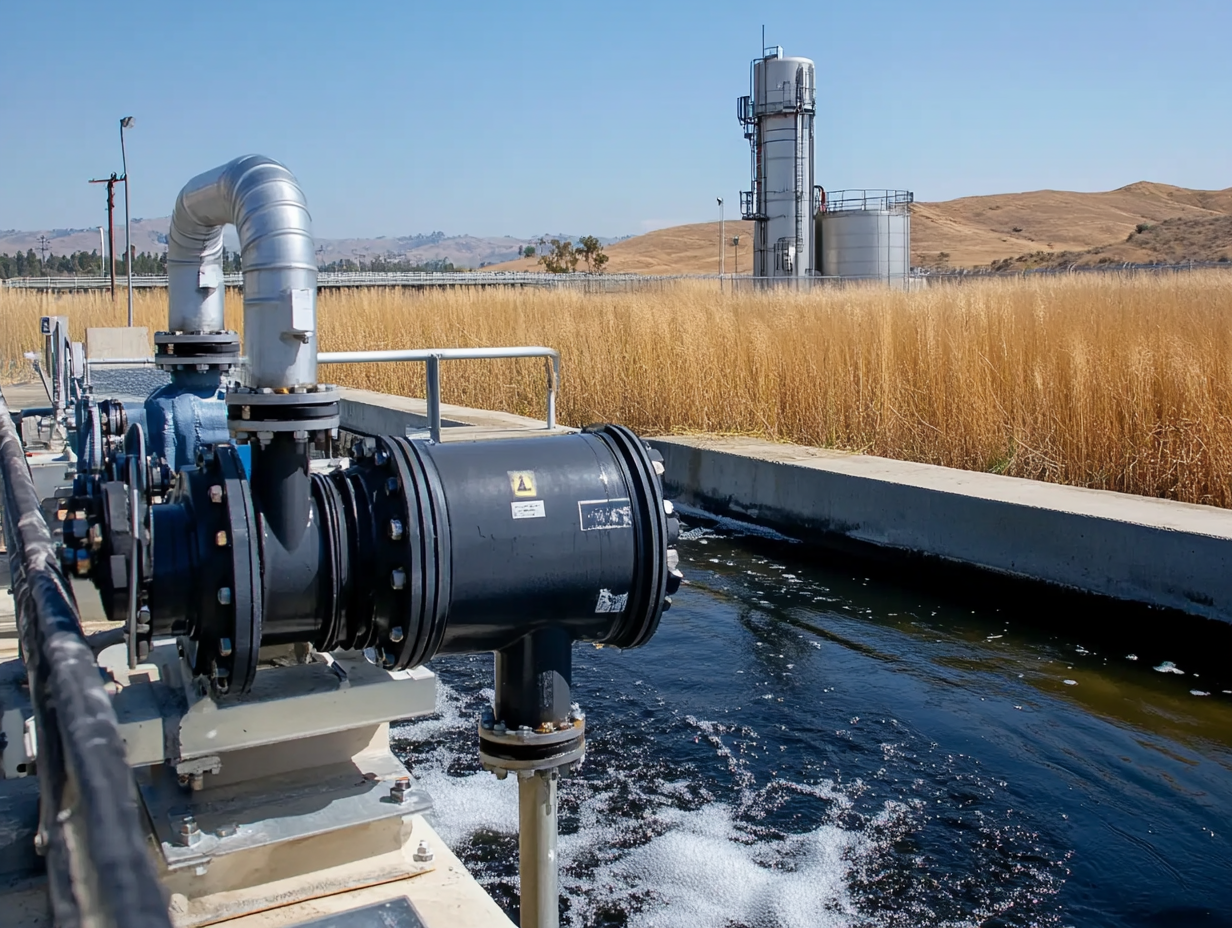
Solar DC surface water pumps emerge to be the significant gains in renewable energy usage for agricultural and irrigation applications. The pumps operate optimally since they entirely depend on solar energy to give a green alternative in farm water supply. New development in solar technology improves performance and lowers the price of these systems, which makes it less expensive to realize a lesser dependency on the conventional source of power for farmers. With the global trend of many solar installations going upward as capacity is expected to increase substantially, buyers are interested in checking on the optimal options possible for operational needs. The year 2025 will be the crucial time for driving such innovative and inexpensive solar-powered irrigation systems, as these will facilitate agricultural producers consistently accessing solar power. Due to the recent fall in prices for lithium, it is also possible that costs associated with batteries and solar components will further drop, thus making these advanced water pump systems more popular worldwide.

Solar DC surface water pumps are now gaining more prominence in many different areas due to the advancements in solar-powered irrigation systems (SPIS). The innovation of these systems has undergone major changes to become a cost-efficient solution for farmers intending to promote optimization of water usage and reduce dependence on conventional energy sources. Different markets are taking up solar DC pumps for their efficiency, operational cost savings, and advantages to the environment.
In areas of abundant sunshine like parts of Africa and the Middle East, solar DC pumps are really getting into the spirit of sustainable agriculture. In contrast, the agenda in developed markets may unravel into a complete integration of these systems with smart technology to enhance their performance. The burgeoning market for solar installations will most likely culminate into a growing interest in solar DC pumps, providing buyers with numerous choices, customized to their regional needs and climatic conditions.
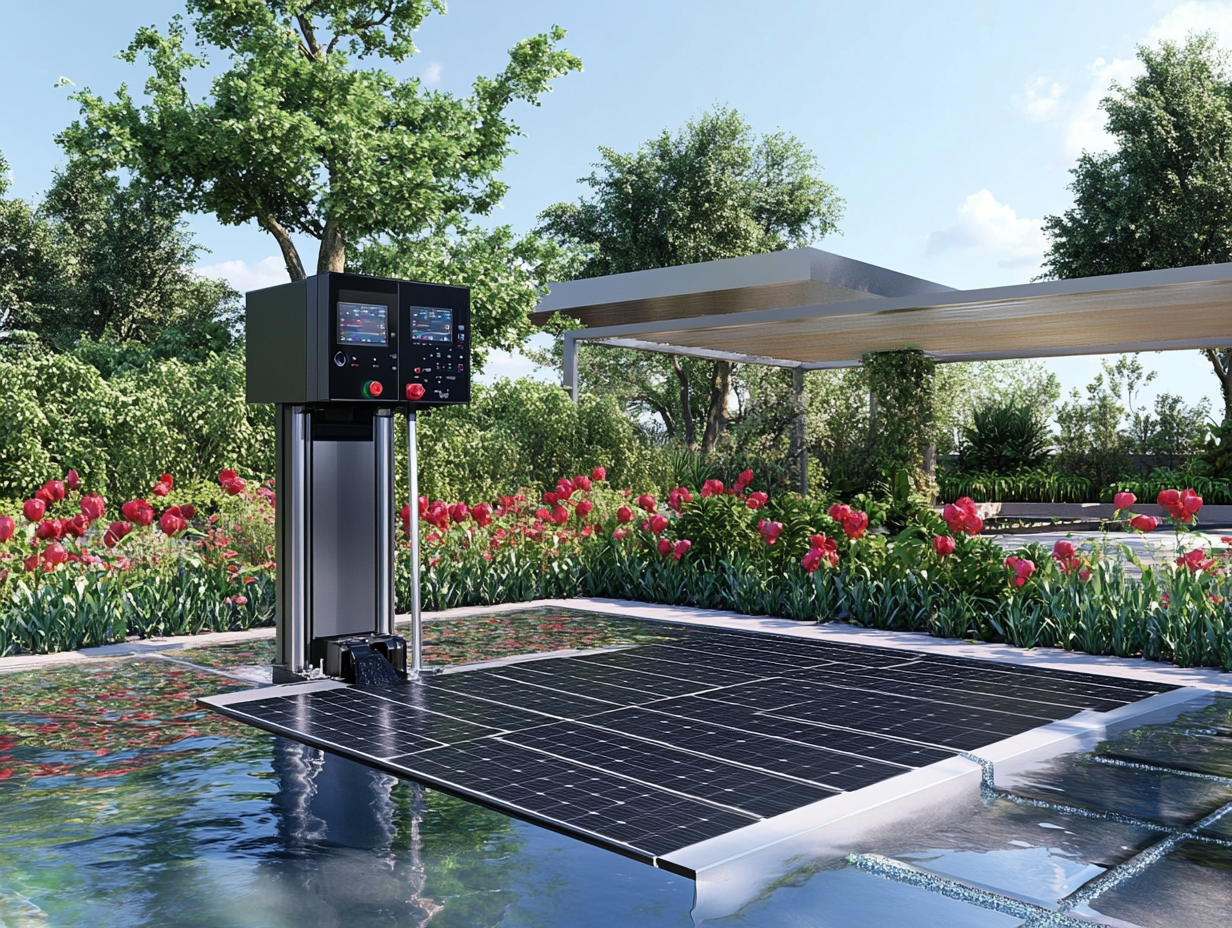
The concept of solar DC surface water pumps is finding world acceptance with their efficient and sustainable operations. Case studies drawn from various regions highlight their successful implementation in irrigation for agriculture as well as rural water supply. In many of the farming setups in Africa, solar pumps have been adopted for irrigation, thereby boosting crop yields and reducing dependency on fossil fuel-operated conventional systems.
Another interesting development influencing the reduction in battery prices is likely to affect solar technology as a whole, in terms of affordability and uptake, including the associated storage systems of solar pumps. For solar water pumps, this promising market with rapid growth has revealed innovative projects that show how integrated solar systems can enhance access to water for remote areas. Investment and tech advancement guarantees a bright future for solar DC surface water pumps, attracting global buyers looking for sustainable solutions.
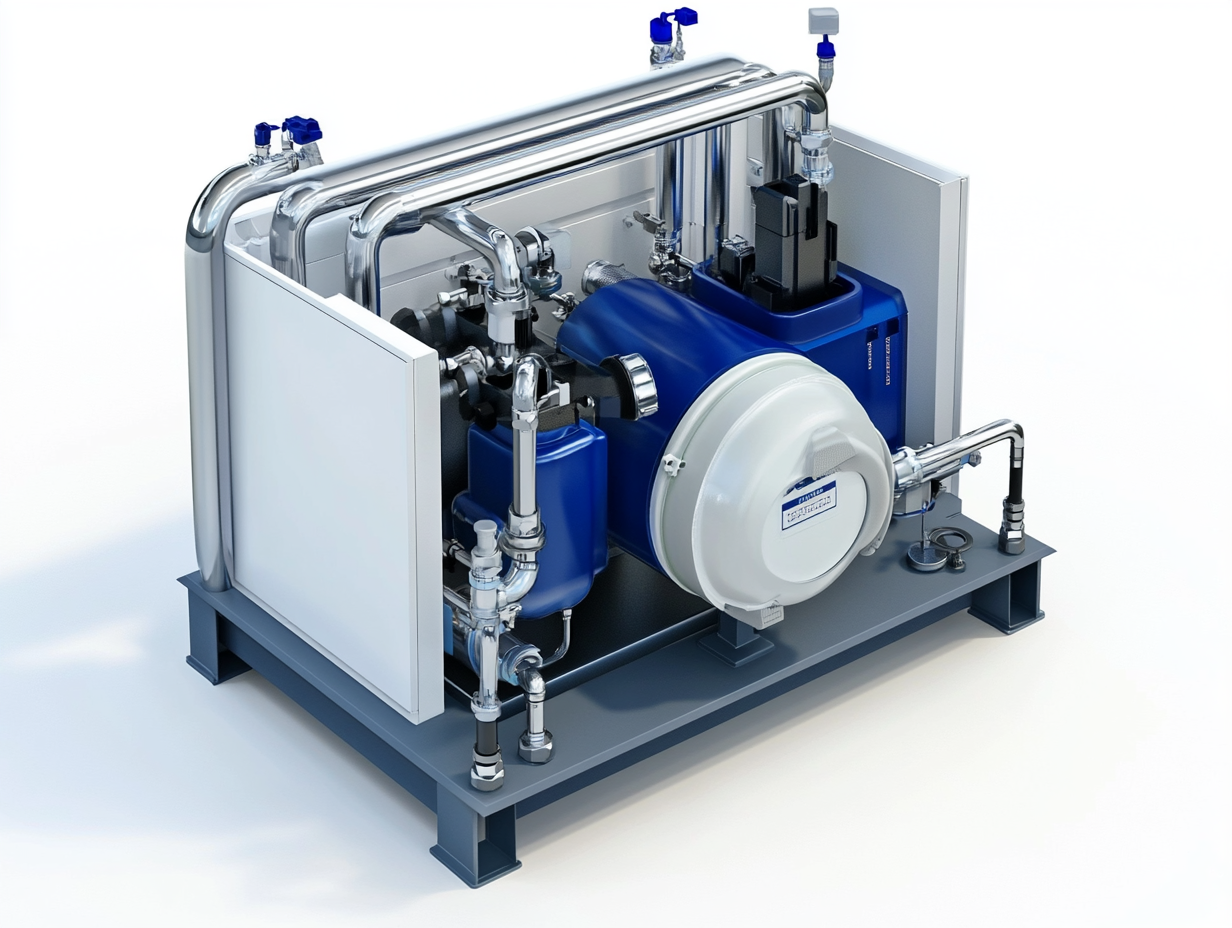
Due to a growing demand for sustainable solutions, solar DC surface water pumps are emerging as a must-have for agricultural and irrigation requirements. A comparative review of some of the leading brands shows that technological strides in solar energy have enhanced efficiency and affordability. Features such as integrated batteries and smart controllers increase performance so that farmers are able to minimize the environmental impacts of irrigating their crops.
The year 2025 likely will see a number of models in the market focusing on energy efficiency and longevity, aligned with the global trend towards renewable energy solutions. Following the recent dip in lithium prices, manufacturers may innovate even further with cost-effective integration of battery storage into solar-pumping systems. This could free solar-powered irrigation systems to a bigger audience while ensuring that user experience is trusted in operational maintenance.
Buyers interested in solar DC surface water pumps must exercise diligence in weighing all factors related to optimal sizing and selection criteria as global demand for solar-powered solutions expands. In the solar water pump market that is expected to have an 8.8% CAGR from 2025 to 2034, it is imperative to know the specific needs of your application. With efficiency and reliability in mind, considerations of pump capacity, flow rate, and compatibility with power source can all be evaluated.
In addition, government initiatives including subsidies for solar pumps in different regions make it an attractive option to be considered by buyers. Through evaluation of funds available and aligning these funds with proper pump specifications, customers can maximize their ROI. Accordingly, the right decisions supported by market trends and individual needs will, in turn, ensure the best outcome in the selection of solar DC surface water pumps.
The advancement of solar DC surface water pumps forged ahead along the path of sustainable water management. These new systems use solar energy for water distribution, it being efficient and affordable for remote areas. With solar energy to move the pump, minimal dependence on conventional energy means huge reductions in operating costs.
With advances in solar technology, it is expected that the capital costs of installation will fall, providing further incentives for buyers to opt for solar solutions. The global market for solar water pumps, which was estimated at over $1.6 billion in 2024, is projected to grow at an exceptional CAGR of 8.8% through 2034. This growth comes as more people are realizing the benefits of solar DC pumps, which play an important role in water management and further the cause of environmental sustainability by curtailing carbon emissions.
From 2025 onwards, solar direct current-driven pumps shall be a boon for the agriculture and water supply sectors on account of innovative technologies and the growing demand for sustainable solutions. The increased focus on energy efficiency and reduced carbon footprints is in line with various government initiatives to augment renewable energy capacity. The solar water pumping systems significantly contribute to irrigation and drinking water supply within the wider framework of achieving 500 GW non-fossil fuel energy in India by 2030.
Some of the features that characterize trends in solar pumps would include the recent advancements in photovoltaic technology, enhancing energy conversion efficiency, and robust smart control systems for optimal water management. The market for off-grid solar applications is expanding and is projected to attain the market value of approximately $1.75 billion, thus increasing the opportunities for DC surface pumps that are greatly backed by millions of users worldwide. The convergence of these technologies also makes solar DC pumps the preferred choice for global buyers looking for economically attractive and environmentally friendly solutions for pumping.
Challenges and solutions have come to buyers globally as they have adopted solar DC surface water pumps in their development and use with a global shift to renewable energy. The increasing demand for solar-powered solutions, supported by a high compound annual growth rate (CAGR) of 8.34% from 2024 to 2032 projected for the market, also indicates high market potential for such products. However, such disbursement re-orientation within pumping technologies is oftentimes hindered by high initial investments, low technical expertise, and infrastructure requirements.
Whatever it is, all stakeholders need to train all people like they are doing it themselves, or most importantly partner closely with a manufacturer who has experienced in-depth training on the product, including possible competitions or alternatives. More so, research and development in solar charge controller technology is projected to accrue a massive development at a CAGR of 18.90% from 2025 to 2030, which contributes to increasing the effectiveness of these solar pump systems at reliable performance levels for myriad applications from agricultural uses to drinking water supply. Sustainable informed choices by global buyers towards a solar energy-driven future would be realized through addressing these challenges quickly and accurately.
The market for solar-powered pumps across the globe is bound to undergo tremendous growth in the upcoming years, with an increase in the demand for efficient water management solutions. The market was valued at $2.68 billion in 2023 and is expected to grow at a value of about $5.51 billion by 2032. With a compound annual growth rate (CAGR) of 8.34%, this area is heavily benefitting from innovations motivated by the trend of transitioning towards other energy sources. This is, in effect, stimulating the development of solar DC surface water pumps, especially on the basis of efficiency and environmental benefits.
Europe is undergoing advanced clean technology changes that deeply influence the solar pump market. Increasing usage of solar panels and battery storage systems has boosted the market for submersible and surface pumps. Mobile solar pumps aimed at remote agriculture, for instance, provide for the mounting demand for flexible water solutions. Global stakeholders focused upon this ongoing metamorphic market would find success in embracing new technology and sustained practices.
The future of solar irrigation systems has profound innovations in store, especially with new-age DC surface water pumps. These improvements focus not only on improved efficiency but on sustainability, thereby answering the global demand for agricultural water management. With greater emphasis being laid on reducing carbon footprints, integrating energy efficiency in pump design is becoming more important.
Smart sensors and IoT connectivity are almost certain to be incorporated in the next generation of system innovations to provide real-time monitoring and management of irrigation processes. This approach, based on data, can help determine the right amount of moisture required for crops while minimizing wastage in terms of water. Knowledge concerning these innovations will, therefore, be crucial for global buyers to make informed choices and thus align with future agricultural practice and environmental standards.
Solar DC surface water pumps are primarily used for agricultural and irrigation needs, as well as rural water supply.
Advancements have significantly improved the efficiency and affordability of solar pumps, making them more effective for users.
Features such as integrated batteries and smart controllers enhance the performance of solar pumps, allowing for optimized water usage.
The solar pump market is expected to focus on energy efficiency and longevity, aligning with global trends toward renewable energy solutions.
The decline in lithium prices is likely to lead to more cost-effective battery storage solutions integrated into solar pumping systems, enhancing affordability.
Yes, case studies have shown that many farms using solar pumps have significantly enhanced crop yields while reducing reliance on fossil fuels.
The future looks promising due to increasing investments, technological advancements, and a growing market for solar water pumps, making them more accessible.
Solar DC surface water pumps have been successfully implemented in various regions worldwide, including farms in Africa.
Solar pumps reduce the reliance on traditional fossil fuel-powered systems, leading to a lower environmental impact in agricultural practices.
The market is projected to grow significantly, showcasing innovative projects that improve access to water in remote areas through integrated solar systems.


 Mr Youkee Kong