Solar Pump

As we roll into 2025, the world of solar technology is really picking up steam, opening up some incredible doors for sustainability and efficiency. One of the coolest developments? Solar Pump systems! These nifty setups tap into the sun's energy to manage water resources effectively, whether it’s for farming, irrigation, or even just our everyday needs at home. Here at Zhejiang Rambo Intelligent Technology Co., Ltd., we're genuinely excited to be part of this exciting shift. We're all about delivering high-quality, budget-friendly solar pump solutions that meet international standards. Thanks to our state-of-the-art production facilities and advanced tech, we're coming up with innovative designs that don’t just stack up against the big names out there, but also focus heavily on quality and keeping our customers happy. In this guide, we're diving deep into the latest trends in solar tech, especially highlighting how the best solar pump solutions could totally change the game for water management in the years ahead.
As we gaze into the future towards 2025, it’s clear that the solar pump market is really going to take off! Thanks to some pretty cool advancements in technology and a growing awareness of our environmental challenges, we’re seeing solar pumps become the go-to option. These nifty systems use sunlight to move water efficiently for all sorts of needs like farming, homes, and even industry. And let’s be real—they’re great for the planet too. Not only do they help cut down on costs, but they also shrink our carbon footprints, which is something we can all get behind with global sustainability in mind.
One of the most exciting trends we’ll be seeing in 2025 is how smart technology will be integrated into solar pumps. With the Internet of Things and artificial intelligence on the rise, we're talking about pumps that are not just smart but also equipped with sensors and automated systems. These gadgets will keep an eye on water levels in real-time and make sure everything’s running smoothly. It's like having a personal assistant for your irrigation, fine-tuning everything to fit the unique needs of your crops or your household. Plus, as more countries start investing in renewable energy, we can expect to see subsidies and supportive policies popping up. This will really help spread the adoption of solar pumps, especially in developing areas where reliable energy can be hard to come by.
You know, the world of solar pump technology is really changing fast these days. There are some pretty cool new solutions out there that promise not just better efficiency but also a more sustainable future. One of the biggest game-changers is the integration of smart sensors along with IoT tech into solar pumps. These nifty sensors keep an eye on things like sunlight intensity and water flow, letting the system make real-time adjustments. It means users can really boost their energy output, even on those iffy sunny days. Plus, it cuts down on battery storage needs, which ultimately helps in slashing operating costs.
And there’s more! Another exciting trend is the creation of super-efficient photovoltaic cells made just for pumping. These next-gen solar panels are pretty impressive, with better energy conversion rates that allow pumps to function even when the sun’s not shining at its best. This is especially important for farmers, where water needs can be super unpredictable. Thanks to some amazing advancements in materials and design, these solar pumps are not just more efficient but also stronger and easier to care for.
As we look ahead to 2025, these breakthroughs are really paving the way for a whole new approach to using solar energy in water management systems. It’s making it more affordable and accessible for farmers and communities all over the globe.
Hey there! Have you noticed how the solar pump market is really taking off? It’s exciting to see so many industries trying to cut down on their carbon footprint while getting the most bang for their buck. Analysts are saying that by 2025, this market could soar to about $8 billion, all thanks to tech improvements and some pretty competitive pricing out there. You’ve got cool options like submersible solar pumps and surface solar pumps, which come packed with better energy efficiency and smart tech. This means they can perform really well no matter the conditions. A recent report from ResearchAndMarkets highlighted that these solar pumps can actually chop energy use by up to 80%! That's a huge win, especially for farmers and folks in more remote areas.
So, when you're on the hunt for the perfect solar pump, keep in mind what you'll actually be using it for. If you’re thinking about irrigation for crops, a submersible pump might be just the ticket since it’s got the power and depth thing down. On the flip side, if you’re dealing with shallow water, those surface pumps are a fantastic choice. Quick tip: Don’t forget to check out the solar irradiation levels in your area before you buy – you want to make sure those solar panels will really do their thing!
And here’s another thing – many of the leading brands are rolling out some really neat features like IoT connectivity and real-time tracking. This way, you can keep an eye on how things are performing and make smart decisions based on data. Another tip: Definitely look for pumps that come with warranties and solid customer support. That can save you a lot of hassle later on. The right solar pump not only helps you manage water better but also boosts overall energy sustainability. How cool is that?
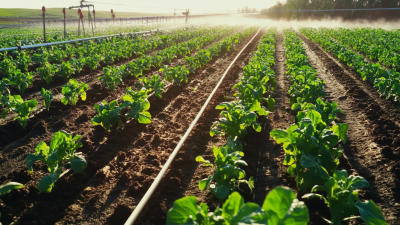
You know, the way we're starting to use solar pump technology is such a game changer in agriculture—especially as we gear up for 2025. Farmers are really getting on board with solar pumps for their irrigation needs, tapping into the sun’s energy to run their water systems. It's pretty awesome because these pumps help cut down on fossil fuel use and offer a solid solution to the whole water scarcity situation we've been dealing with. Plus, they’re super cost-effective in the long run and last a long time, making them a great option for farmers out in the sticks where getting traditional electricity can be a real hassle.
What’s even cooler is that the efficiency of these solar pumps has really skyrocketed thanks to some serious tech advancements. Nowadays, they come packed with smart features like automatic tracking and remote monitoring, which let farmers really dial in their water usage. This kind of precision not only boosts the crop yields but also helps farmers be smarter about their land use by cutting down on water waste. As we keep moving forward in agriculture, embracing these solar pumps is definitely going to be crucial for ramping up productivity while still keeping our farming methods green and sustainable.
| Application Area | Pump Type | Flow Rate (L/min) | Power Output (W) | Cost (USD) | Efficiency (%) |
|---|---|---|---|---|---|
| Irrigation | Submersible | 60 | 500 | 1500 | 85 |
| Livestock Watering | Surface | 40 | 300 | 1000 | 75 |
| Aquaculture | Floating | 70 | 600 | 1600 | 90 |
| Garden Irrigation | Drip | 30 | 200 | 800 | 80 |
| Greenhouse | Centrifugal | 50 | 400 | 1200 | 82 |
Thinking about investing in solar pump systems in 2025? Well, let me tell you, that's a pretty smart move! Not only can it save you a ton of cash in the long run, but with solar technology constantly getting better, these systems are becoming more efficient and affordable. Whether you’re in agriculture or need some help with water management, there’s a solar solution out there that can fit your needs perfectly.
Sure, the initial costs might give you pause, but when you crunch the numbers, you'll see how much you'll save on utility bills and maintenance down the line. In fact, with newer, more efficient solar panels, many folks are finding that they can recover their investment in just a few years—pretty neat, right?
When you’re looking into solar pump systems, it’s super important to think about what you really need. Like, how much water do you actually need to pump, and how often? That’ll help you pick the right pump capacity for your situation. And don’t forget to check out local solar incentives and rebates; they can really help ease that upfront cost.
Also, going for quality equipment is a must. It might cost a bit more initially, but it pays off by being more durable and reliable, ensuring you get the most benefits from your solar setup.
Oh, and keep an eye on new developments in solar technology! Staying in the loop about innovations, like smart pump controls that adjust based on weather, can really boost your efficiency. So, by tapping into these cool trends and making a well-thought-out choice, you’ll not only harness solar energy for your pumping needs but also score some great savings in the long haul!
As the world moves towards sustainable development, solar pumps are poised to play a pivotal role in this transition. According to a report by Technavio, the global solar pump market is expected to grow by over 23% annually through 2025, driven by the increasing adoption of renewable energy solutions. Solar pumps harness sunlight to operate, making them ideal for agricultural irrigation, livestock watering, and even community water systems in remote areas. This not only reduces dependence on fossil fuels but also effectively lowers operational costs for farmers and municipalities alike.
Tips: When considering a solar pump solution, ensure to evaluate the total head, flow rate, and available sunlight in your area. Investing in high-efficiency solar pumps can significantly enhance productivity and maximize savings.
Moreover, governments and organizations are increasingly recognizing the potential of solar pumps in achieving sustainability targets. The International Renewable Energy Agency (IRENA) suggests that expanding solar pumping systems could provide clean water and enhance food security, particularly in developing regions where access to reliable energy sources is limited. By integrating solar technology within existing infrastructures, communities can make significant strides towards energy independence and environmental stewardship.
Tips: Explore financing options or incentives offered by local governments, which can help subsidize the initial investment in solar pump systems. This could make the transition to renewable energy more accessible for many users.
: Key innovations include the integration of smart sensors and IoT technology for real-time monitoring of environmental conditions, and the development of high-efficiency photovoltaic cells designed specifically for pumping applications.
IoT technology allows solar pumps to monitor factors like sunlight intensity and water flow, enabling them to adjust their operations accordingly, which maximizes energy output and reduces reliance on battery storage.
While there may be initial setup costs, solar pump systems can lead to significant long-term savings through reduced utility bills and maintenance costs, allowing users to recoup their investments in just a few years.
Users should evaluate their specific water needs, usage patterns, local solar incentives, and invest in quality equipment to ensure long-term reliability and efficiency.
Solar pumps support sustainable development by reducing reliance on fossil fuels, lowering operational costs, and providing clean water for agriculture and communities, thus enhancing food security and energy independence.
The solar pump market is projected to grow over 23% annually through 2025 due to the increasing adoption of renewable energy solutions, making them more crucial for various applications.
Governments can provide financing options or incentives that help subsidize the initial investment in solar pump systems, making renewable energy solutions more accessible to users.
Factors include total head, flow rate, and the amount of available sunlight in the area, all of which are critical for determining the right solar pump capacity to maximize productivity and savings.