Lately, there's been a real surge in the demand for renewable energy solutions—it's like everyone’s talking about going green! And honestly, one of the coolest innovations right now is the Small Solar Water Pump. It’s such a smart way to tackle water needs, whether it’s for farming or just everyday household use. Experts pretty much agree that these tiny solar-powered systems have huge potential. I mean, Dr. John Stevens, a well-known guy in renewable energy circles, once said, ‘Small Solar Water Pumps are key to managing water sustainably,’ and honestly, he’s got a point.
Now, ZRI Innovations, a big name in this game, is gearing up to roll out their 2026 lineup of ODM wholesale small solar water pumps. The idea is to help out in those hard-to-reach places where traditional power just isn’t an option. These pumps could really make a difference—imagine communities gaining easy access to water because of them. But, of course, it’s not all smooth sailing. Not every design out there ticks all the efficiency boxes, and making sure these pumps are both reliable and affordable is still quite the challenge.
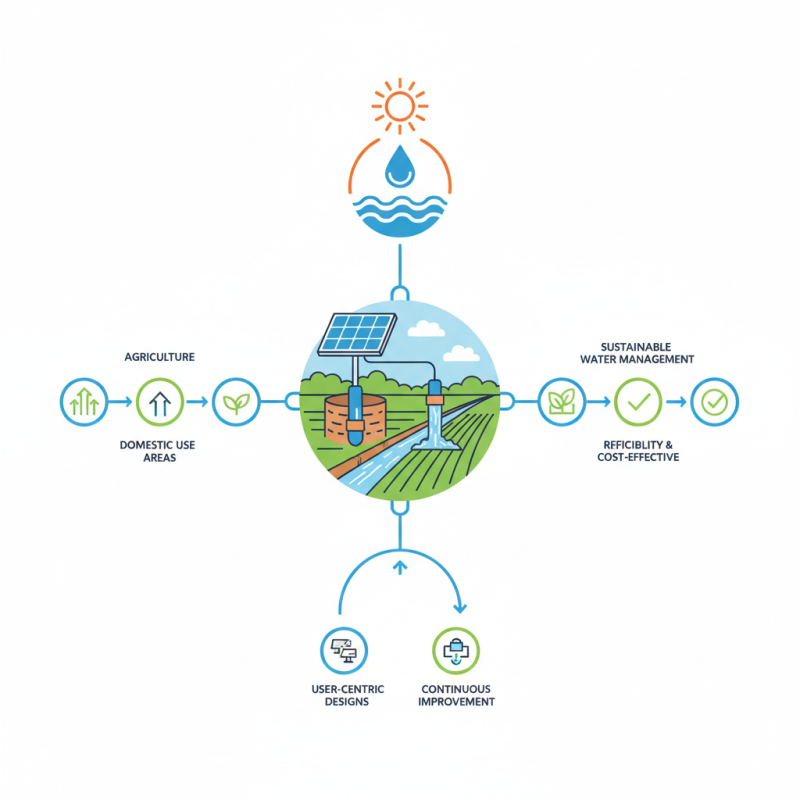
As things move forward, listening to user feedback and constantly tweaking the designs is super important. When manufacturers focus on what people actually need, they can do a way better job at serving their customers. The future for small solar water pumps looks promising, no doubt — but staying flexible and open to improvements is really the secret to making it work well in the long run.
Overview of ODM Wholesale Small Solar Water Pumps
In recent years, ODM wholesale small solar water pumps have gained popularity. These systems are often designed for efficiency and reliability. They harness solar energy to deliver water for various applications.
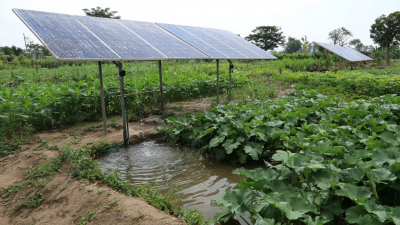
Ideal for gardens or remote farms, they provide consistent water supply without added electricity costs.
When choosing an ODM wholesale small solar water pump, consider its power capacity. Some models may not meet your needs, especially in cloudy weather. Always check the specifications and reviews before making a decision. A poor choice can lead to frustration and inadequate water supply.
Tips for better performance include regular maintenance. Clean the solar panels frequently to ensure optimal energy absorption. Also, ensure the pump is installed in a location with direct sunlight. This enhances its effectiveness and longevity. Remember, investing time in setup can lead to significant savings in operational costs over time. If you seek a Small Solar Pump For Water Feature, ensure it complements your landscape and meets your water needs effectively.
Key Features of the 2026 ZRI Innovations Model
The 2026 ZRI Innovations model brings forth exceptional features in the realm of small solar water pumps. It is designed to efficiently harness solar energy. This ensures a sustainable and eco-friendly solution for various applications. The smart technology integrated into its system enhances performance while minimizing energy consumption.
One standout attribute is its compact size, making it ideal for small gardens or decorative ponds. Users will appreciate its lightweight design, which facilitates easy installation and transport. Additionally, the model boasts a high-quality build, promising durability even in challenging weather. However, some users may find the initial setup a bit tricky.
The pump operates quietly, ensuring that it does not disturb the natural ambiance of a garden. Its adjustable flow rate allows customization based on individual needs. Observations show that while this Small Solar Water Feature Pump excels in many areas, it may require routine maintenance. Users should be prepared for occasional cleaning to ensure optimal performance. Overall, it presents an efficient alternative for those seeking sustainable water solutions.
2026 Top ODM Wholesale Small Solar Water Pump ZRI Innovations
| Feature |
Specification |
| Power Source |
Solar |
| Pump Type |
Submersible |
| Maximum Flow Rate |
1000 L/h |
| Maximum Head |
15 m |
| Solar Panel Rating |
100 W |
| Material |
High-Grade Plastic |
| Weight |
8 kg |
| Warranty |
2 Years |
Advantages of Using Solar Water Pumps in Various Applications
Solar water pumps are gaining traction across various sectors due to their numerous benefits. Their efficiency in irrigation is astounding, with reports indicating that solar-powered systems can increase crop yields by 30% to 50%. This is particularly beneficial in regions with limited access to electricity, where traditional pumping systems struggle. Farms using Small Solar Water Pumps can efficiently access groundwater, promoting sustainable farming practices.
In residential applications, the cost savings are significant. Studies show that homeowners can reduce water pumping costs by 70% when switching to solar. This makes Small Solar Water Pumps an attractive alternative for garden irrigation and household water supply. Additionally, the maintenance costs for these systems are notably low, often requiring only periodic checks. However, it's crucial to consider the initial investment and potential installation challenges.
Beyond agriculture and residential use, solar pumps are effective in remote areas for community water supply. They empower local populations by providing clean water without reliance on fossil fuels. While these pumps offer environmental benefits, concerns about the reliability of solar energy during cloudy seasons persist. It’s important to assess the local climate when considering implementation. Thus, while the advantages are clear, a deeper reflection on specific conditions is essential.
Market Trends and Demand for Solar Water Pumps in 2026
The demand for solar water pumps is increasing rapidly as sustainability trends grow. In 2026, many industries will turn to renewable energy solutions. Solar water pumps offer efficient and eco-friendly options, appealing to both agriculture and residential sectors. Over the past few years, farmers have increasingly utilized these pumps for irrigation. This shift underscores the importance of leveraging natural resources responsibly.
Market trends show that solar water pump technology is evolving, becoming more affordable and efficient. Consumers now seek reliable systems for household use as well. However, challenges remain. Some users report inconsistent performance in low sunlight. Moreover, installation costs can deter potential buyers. Seeking reliable information is crucial for making informed decisions.
Overall, the future looks promising for solar water pumps. Increased adoption could mitigate traditional energy reliance. Future innovations will likely alleviate current limitations. Ongoing research is vital to advance technology and enhance reliability. Therefore, understanding market dynamics is essential for stakeholders looking to invest in this space.
Comparison of ZRI Innovations with Competitors in the ODM Sector
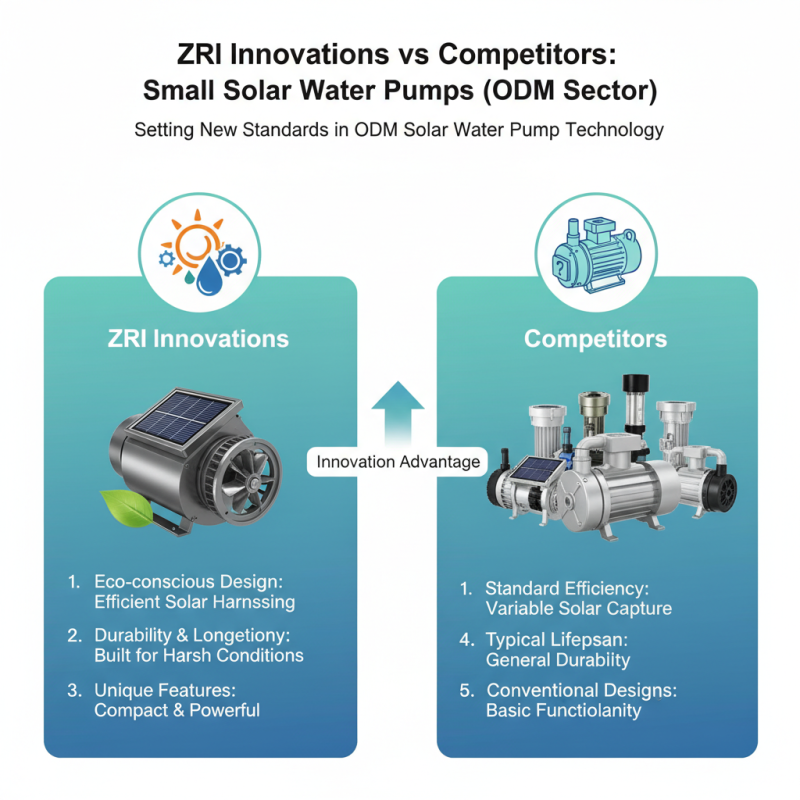
In the ever-evolving ODM sector, ZRI Innovations stands out with its small solar water pump designs. These pumps offer unique features that set them apart from competitors. Their ability to harness solar energy efficiently makes them ideal for eco-conscious consumers. Each model is crafted with durability in mind, ensuring a longer lifespan even in harsh conditions.
Competitors often struggle with the delicate balance of price and quality. While some may offer lower rates, the reliability of ZRI's Small Solar Water Pump For Fountain applications provides significant value. This reliability boasts fewer maintenance issues, a crucial factor for users who prioritize sustainability. However, it’s important to consider the variations in performance among different brands.
Tips: Always evaluate the warranty when selecting a solar water pump. A robust warranty reflects confidence in product quality. Consider the environmental impact of the pump design, as some may contribute more to sustainability than others. Engaging with user reviews can also reveal insights into long-term performance that specifications may not highlight.
Environmental Impact and Sustainability of Solar Water Pumps
The environmental impact of solar water pumps is increasingly significant as sustainability becomes a priority. These systems utilize renewable energy, reducing reliance on fossil fuels. According to a recent study, solar water pumps can lower greenhouse gas emissions by up to 90% compared to traditional pumps. This advantage is crucial for agriculture in remote areas, where access to electricity is limited.
However, not all solar water pumps are created equal. The manufacturing process can involve materials that harm the environment, such as plastics and metals. Industry reports indicate that improper disposal of these materials may lead to soil and water contamination. It raises concerns about the life cycle of solar pumps. Policymakers need to enforce regulations that promote responsible manufacturing and recycling practices.
Furthermore, while solar water pumps offer immediate benefits, their long-term sustainability depends on technological advancements. Continuous improvements in solar panel efficiency and battery life are essential. Current models often require more energy than anticipated during cloudy conditions. This unpredictability can undermine their reliability in some regions. Addressing these challenges will be critical for maximizing the benefits of solar water pumps in future applications.
Future Developments and Innovations in Solar Water Pump Technology
The future of solar water pump technology is promising, driven by advancements in efficiency and sustainability. Recent reports indicate that the global solar water pump market is expected to grow at a compound annual growth rate (CAGR) of 25% from 2022 to 2028. This rapid growth highlights the increasing reliance on renewable energy sources to meet water needs worldwide. Countries in arid regions are particularly focused on these solutions due to dwindling freshwater supplies.
One significant development is the integration of smart technology into solar water pumps. Many of these systems now include sensors that track water levels and solar irradiance. This data helps optimize performance, ensuring pumps operate efficiently throughout the day. As reported by industry analysts, these innovations enhance water delivery in remote areas, where access to reliable power is a challenge. However, challenges remain. The initial investment in technology can be prohibitive for many users, inhibiting widespread adoption.
Additionally, the variance in solar energy production complicates system design. Users often need backup solutions, which can create dependency on fossil fuels. Striking the right balance between cost-efficiency and reliability is a persistent concern. Nevertheless, as solar technology continues to advance, the potential for improved accessibility to clean water is significant. The drive toward sustainable solutions is more important than ever, pushing innovation in this critical area.
FAQS
: They provide water supply without electricity costs. They are ideal for gardens and remote areas.
Regular maintenance is key. Clean the solar panels and install them in direct sunlight.
Check the power capacity and read specifications. Some models may underperform in cloudy weather.
Installation can be tricky for some models. Follow instructions carefully to avoid issues.
They are built for durability, but weather can impact performance. Regular checks can help prevent damage.
Yes, most models allow for adjustable flow rates. Customize it to your specific needs.
Routine maintenance is required. Cleaning should be done periodically for best results.
Some users report challenges with initial setup. Take your time and refer to the manual.
Yes, they are designed to function quietly, preserving the garden's ambiance.
Absolutely. A well-set system saves costs in the long run and increases efficiency.
Conclusion
The article "2026 Top ODM Wholesale Small Solar Water Pump ZRI Innovations" provides a comprehensive overview of the emerging trends in the market for Small Solar Water Pumps. It highlights the key features of the latest models, showcasing innovations that enhance efficiency and usability. The advantages of using solar water pumps across various applications are emphasized, illustrating their growing importance in sustainable practices.
Furthermore, the article discusses the increasing demand for Small Solar Water Pumps in 2026, driven by market trends toward eco-friendly solutions. A comparison of different manufacturers in the ODM sector reveals the competitive landscape and the advancements being made to improve solar water pumping technology. The environmental impact of these pumps is also addressed, underlining their role in promoting sustainability and future developments in this vital energy sector.

 DC SOLAR SUBMERSIBLE PUMP
 AC/DC Solar submersible Pump
 DC Solar Surface Pump
 AC/DC solar surface Pump
 Solar swimming Pool Pump
 Built-in Controller Solar Pump
 Solar Pump inverter
 Pump Accessories






 Mr Youkee Kong