In the constantly changing world of surface pumps, staying innovative really is everything. Tom Henderson, a top expert over at HydroTech Pumps, puts it simply: "The future of surface pumps is all about efficiency and reliability." As we get closer to 2026, it's more important than ever for folks in the industry to know what the best surface pump models are out there.
The newest surface pumps come packed with cool features that boost performance—in fact, some, like the Surface Water Pump AC/DC, even give you dual power options, making them pretty versatile for different needs. Plus, many of these models now have energy-efficient motors, which can seriously cut down on running costs.
But, it's not all smooth sailing. Not every surface pump on the market today lives up to the high standards we’re expecting. Some just aren’t built tough enough to handle harsh conditions, which means they might break down more often and need frequent repairs. That kind of stuff can shake users' trust, for sure. So, it’s really important for everyone involved—engineers, buyers, everyone—to carefully look at what features and reliability each pump has before making a decision. Cause, especially with water management becoming more critical than ever, choosing the right equipment isn’t just a good idea—it's essential for long-term success.
2026 Top Surface Pump Models Overview
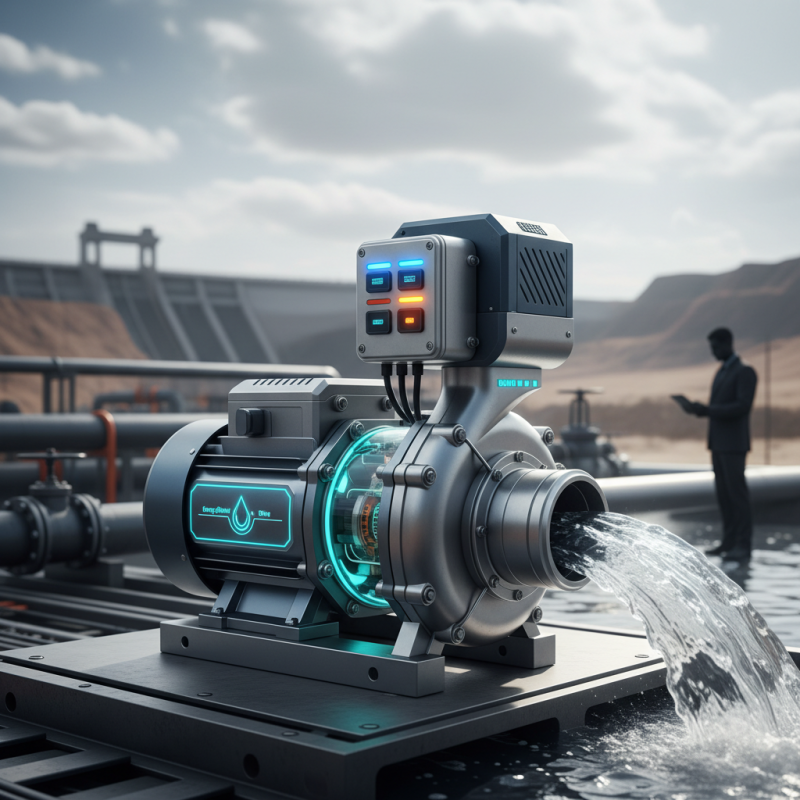
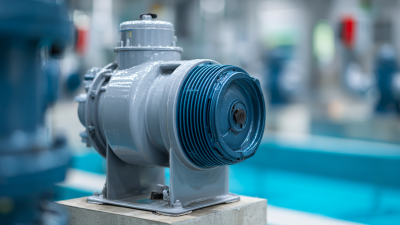
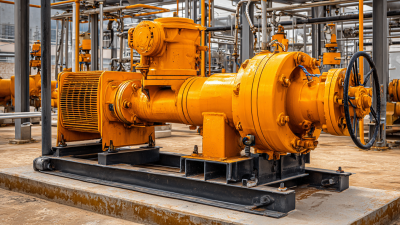
In 2026, surface pump models continue to evolve. The market is expected to grow by 4.5% annually, according to recent industry reports. Key features in demand include energy efficiency and advanced materials. These factors significantly impact performance and lifespan.
Many top models now feature smart technology. This innovation enhances monitoring capabilities. Users benefit from real-time data and alerts. However, some models may have high upfront costs. Thus, a careful cost-benefit analysis is vital.
Durability remains a major concern. Pumps are often exposed to harsh conditions. Some manufacturers focus on corrosion-resistant materials. Unfortunately, durability can vary widely across models. Consumers should look for proven specifications to avoid complications in harsh environments.
Key Features of Leading Surface Pump Brands
In 2026, the landscape of surface pumps is evolving. There are various models catering to different needs. Performance and efficiency are key features in today’s market. Data shows that energy efficiency ratings have improved significantly across many brands. The industry standard highlights a 15% reduction in energy use among new models.
Leading surface pump brands emphasize durability and ease of maintenance. Many pumps now use advanced materials that resist corrosion. This is crucial for longevity. Moreover, the trend shifts towards user-friendly designs. Operators can now find pumps with straightforward installation processes. Flexibility in operation modes is another vital feature, with some pumps supporting both manual and automatic controls.
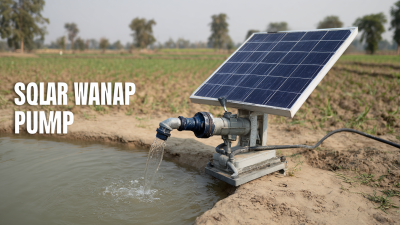
Notably, the Solar Dc Surface Water Pump is gaining traction. It offers sustainable energy solutions for remote applications. However, users must consider site-specific challenges. Not all locations will benefit equally from solar energy. Understanding water requirements and local conditions is crucial for optimal performance. The evolving technology showcases great promise, but it also urges careful evaluation.
2026 Top Surface Pump Models and Their Key Features
Performance Metrics: Flow Rate and Pressure in Surface Pumps
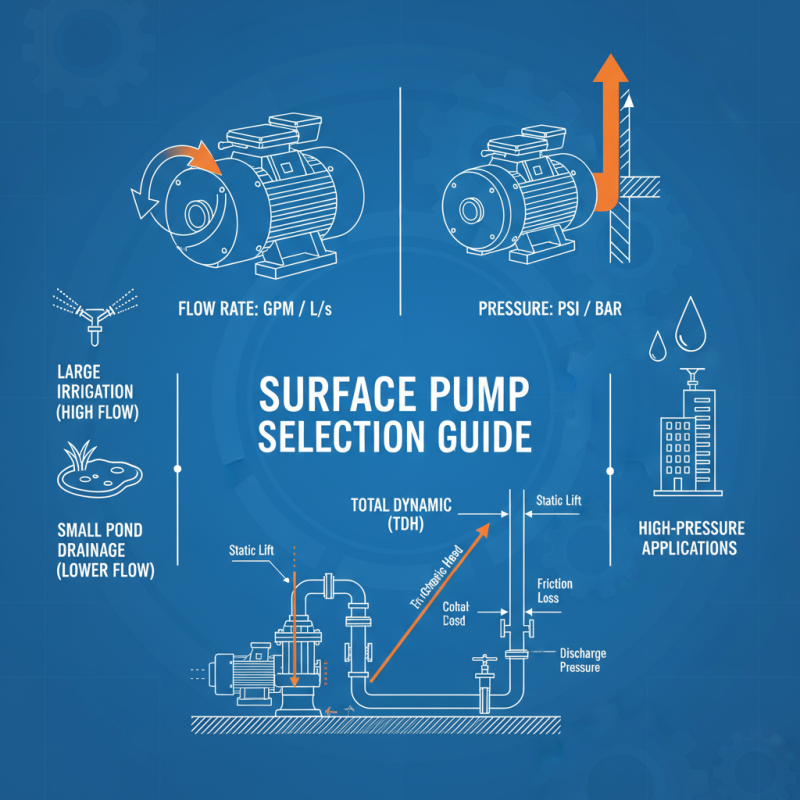
When selecting surface pumps, performance metrics like flow rate and pressure are crucial. The flow rate measures how much water passes through the pump. Typically, this is presented in gallons per minute (GPM) or liters per second (L/s). For effective operation, choose a pump that meets your required flow rate. Knowing your needs is essential.
The pressure aspect defines how forcefully the water is pushed out. Higher pressure is necessary for vertical lifting or longer distances. Too much pressure can lead to equipment damage. Aim for balance; efficiency matters.
**Tips:** Assess your specific requirements before purchasing. Size your pump according to the flow rate needed. Consider future demands as well. A slightly larger pump can offer flexibility.
Keep in mind not all pumps deliver the same efficiency at various pressures. Check the pump curves for guidance. Testing different models can reveal performance gaps. It's also wise to factor in site conditions like elevation and pipe run length.
Sometimes, users overestimate their flow needs. Reassess those metrics. Taking time to verify can save money and avoid headaches. Always remember, the best choice aligns with real-world applications.
Energy Efficiency Ratings and Environmental Impact
Energy efficiency is crucial for modern surface pump models, especially as environmental concerns grow. Many designs now prioritize this aspect. A pump's energy efficiency rating can significantly impact your operations and costs. Selecting the right one reduces energy consumption and benefits the environment.
When considering a "Surface Solar Pump For Agriculture," it is vital to review its efficiency ratings. Look for products that comply with high environmental standards. Even small changes in efficiency can lead to noticeable savings over time. Every bit counts when it comes to protecting our planet.
Tip: Regular maintenance can enhance efficiency. Check for blockages and wear regularly. An efficient pump not only saves costs but also reduces your carbon footprint. Reflect on your choices and their impact on future generations. Choosing wisely today can lead to a sustainable tomorrow.
Innovative Technologies in 2026 Surface Pump Designs
The surface pump designs of 2026 showcase remarkable advancements in technology. Innovative features enhance efficiency and reduce energy consumption. One prominent development is the integration of smart sensors. These sensors allow for real-time monitoring of performance. They can detect irregularities quickly, improving overall reliability. Users can receive alerts through applications, making maintenance easier.
Another trend is the use of durable, eco-friendly materials. Lightweight composites are becoming popular in surface pump manufacturing. These materials are resistant to wear and tear, prolonging service life. Additionally, they reduce the environmental footprint of production. A notable example includes the Surface Solar Water Pump. This pump harnesses solar energy effectively, promoting sustainability.
However, challenges remain in perfecting these innovations. Some designs still struggle with overheating under heavy usage. This issue can lead to reduced lifetime for certain models. Furthermore, the learning curve for smart technology can be steep for some users. As the industry evolves, addressing these shortcomings is essential for future success.
2026 Top Surface Pump Models and Their Key Features
| Model |
Max Flow Rate (GPM) |
Max Head (Feet) |
Power (HP) |
Material |
Key Feature |
| Model A |
150 |
100 |
5 |
Stainless Steel |
Smart Control System |
| Model B |
200 |
120 |
7.5 |
Cast Iron |
Energy Efficient |
| Model C |
130 |
90 |
3 |
Polypropylene |
Corrosion Resistant |
| Model D |
220 |
130 |
10 |
Bronze |
Self-Priming Feature |
| Model E |
170 |
110 |
6 |
Aluminum |
Compact Design |
Maintenance and Longevity Considerations for Surface Pumps
Maintenance is crucial for surface pumps to ensure their longevity and efficiency. Regular inspection helps identify wear and tear. It is recommended to check seals and bearings every quarter. Performing routine maintenance can extend the lifespan of a pump by up to 30%, according to industry studies. Dust and debris are common issues that can lead to pump failure. Clearing these obstructions is essential. Ignoring simple maintenance tasks can result in costly repairs later.
The fluid being pumped should also be considered. Certain fluids can cause corrosion and damage to pump components. Using incompatible fluids can significantly reduce a pump’s useful life. A study by the Pump Industry Association noted that a surprising 40% of pumps fail prematurely due to improper fluid selection. Operators must be vigilant and choose appropriate materials. Underestimating the importance of fluid compatibility can lead to severe operational disruptions.
Finally, monitoring operating conditions is key. Pumps often show early warning signs before failure. Listening for unusual noises or observing temperature changes can prevent unexpected breakdowns. However, many operators overlook these signs. According to a report from the American Society of Mechanical Engineers, 60% of pump failures are linked to inadequate monitoring. Proactive maintenance practices can be the difference between a reliable system and unexpected downtime.
Market Trends and Consumer Preferences in Surface Pumps
Surface Pumps are widely used across various industries, and understanding market trends is vital. Consumers are increasingly favoring energy-efficient models. People want pumps that not only function well but also save on electricity costs. Additionally, noise reduction features are becoming a popular desire among buyers. Quiet operation enhances comfort in residential areas and worksites.
Tips: Look for high-efficiency models. They might cost more upfront but will save you money over time.
Another trend is the preference for versatile pumps. Users appreciate models that can handle different liquids and applications. This adaptability can reduce the need for multiple types of pumps. It’s quite common for consumers to overlook the importance of compatibility with existing systems. Thus, always check specifications before making a decision.
Tips: Research consumer reviews and testimonials. They can provide insights into the real-life performance of surface pumps.
Lastly, many buyers emphasize ease of maintenance. A pump that requires fewer repairs is often seen as more valuable. However, some consumers may dismiss this factor until issues arise. Regular maintenance can prolong the life of your surface pump, so invest time in understanding care procedures.
Maximizing Pool Care with ZSSP-ADHY: The Ultimate AC/DC Solar-Powered Pump for Efficient Water Treatment
In the realm of pool maintenance, efficiency and sustainability are key factors for any diligent pool owner. The advancement of solar-powered solutions has made strides in transforming traditional water treatment systems into environmentally friendly options. The emerging AC/DC solar-powered pump exemplifies this evolution, delivering enhanced performance while significantly reducing energy costs. This innovative approach not only conserves resources but also ensures that pools remain in pristine condition.
Utilizing a dual energy source, the AC/DC solar-powered pump offers unparalleled flexibility for water treatment. By harnessing solar energy during daylight hours, it operates with minimal environmental impact, ensuring that energy consumption is kept to a minimum. Moreover, it seamlessly switches to AC power when additional energy is needed, providing a reliable backup for continuous operation. This dual functionality translates to optimal pool care, ensuring that your water is treated efficiently regardless of external conditions.
The ultimate benefit of employing such technology lies in its capability to maximize pool care while minimizing expenses. Its powerful suction and filtration competently align with the demands of regular pool upkeep, effectively removing debris and maintaining crystal-clear water. As pool owners increasingly seek smarter, greener solutions, the popularity of solar-powered pumps will likely continue to grow, promising not just cost savings but also a commitment to preserving our planet.
FAQS
: The article aims to provide information on a specific topic. It addresses common questions people may have.
The topic influences routines and decision-making. Small changes can lead to significant impacts.
Anyone interested in the topic may find it useful. It appeals to a wide range of audiences.
Yes, there are potential risks. It is important to be aware and make informed choices.
One misconception is that it is easy to manage. In reality, it can be complex.
Begin by researching online resources. Engaging with communities can also be helpful.
A gradual approach may be best. Rushing can lead to mistakes and frustration.
Individuals might face difficulties in understanding concepts. Persistence is key to overcoming these hurdles.
Yes, it evolves with new findings and trends. Staying updated is essential for effective understanding.
Consider personal experiences and how they relate to the topic. Reflection can deepen understanding.
Conclusion
The article "2026 Top Surface Pump Models and Their Key Features" provides a comprehensive overview of the leading surface pump designs available in 2026. It highlights the key features that distinguish these models, including their performance metrics such as flow rate and pressure, which are crucial for various applications. The article also discusses energy efficiency ratings and the environmental impact of these pumps, emphasizing the shift towards more sustainable technologies.
Furthermore, innovation plays a significant role in the development of surface pumps, with new designs incorporating advanced technologies that enhance performance and reduce maintenance needs. Considerations for longevity and maintenance practices are also outlined, offering insights for maximizing pump lifespan. Finally, the article analyzes market trends and consumer preferences, illustrating how the demand for efficient, environmentally friendly, and reliable surface pumps continues to shape the industry landscape.








 Mr Youkee Kong