Since 1998
Solar Pump

Inquiry
Form loading...
Solar Pump
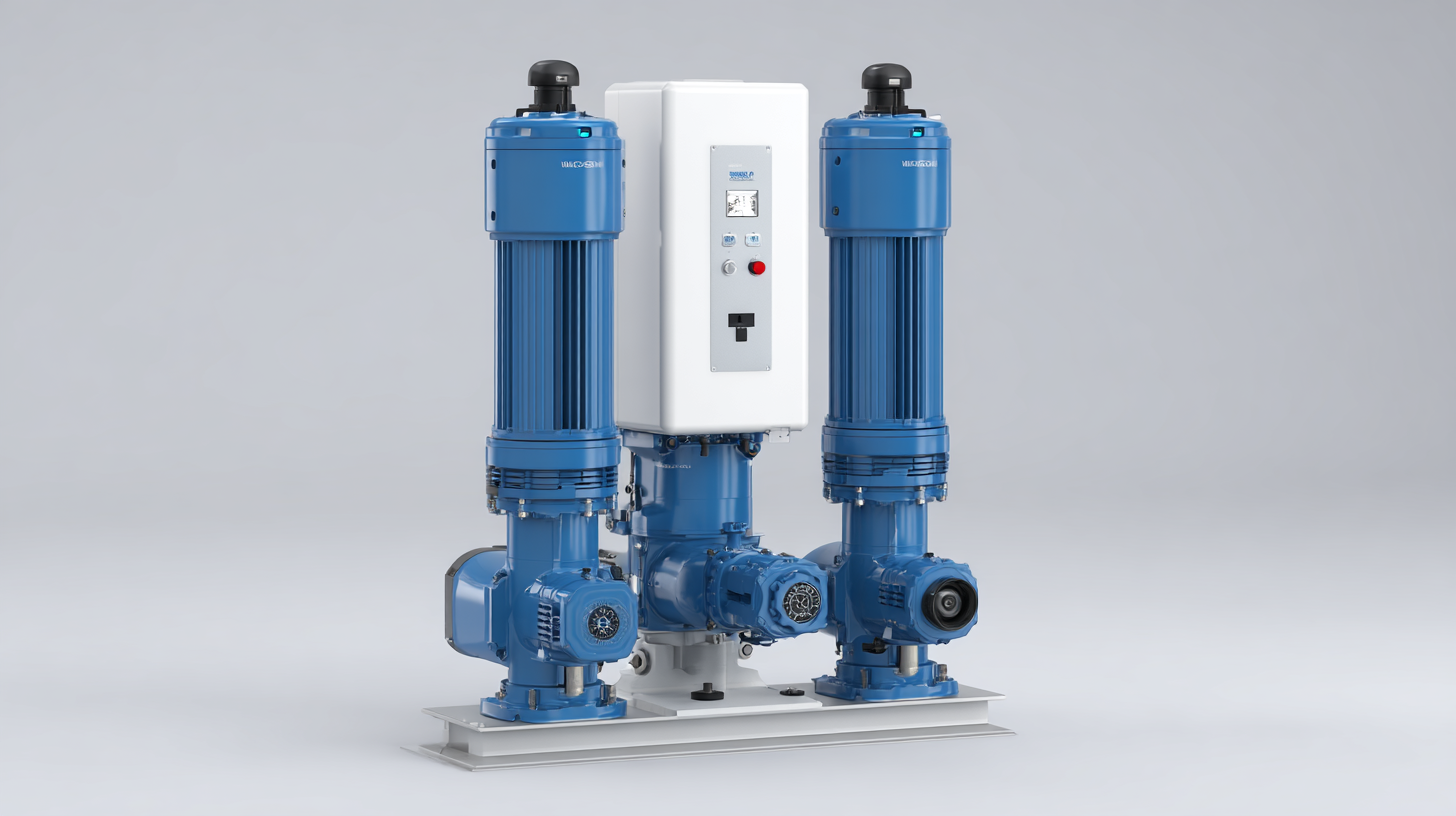
Nowadays, you really notice how important single-phase submersible pumps have become, especially in fields like farming, city water supply, and industrial uses. I recently came across some market research that says the global submersible pump market is expected to hit around USD 12.2 billion by 2025—that’s pretty impressive, all thanks to the growing need for better water management solutions. These pumps are praised for being compact and energy-efficient, which means they’re cheaper to install and easier to take care of.
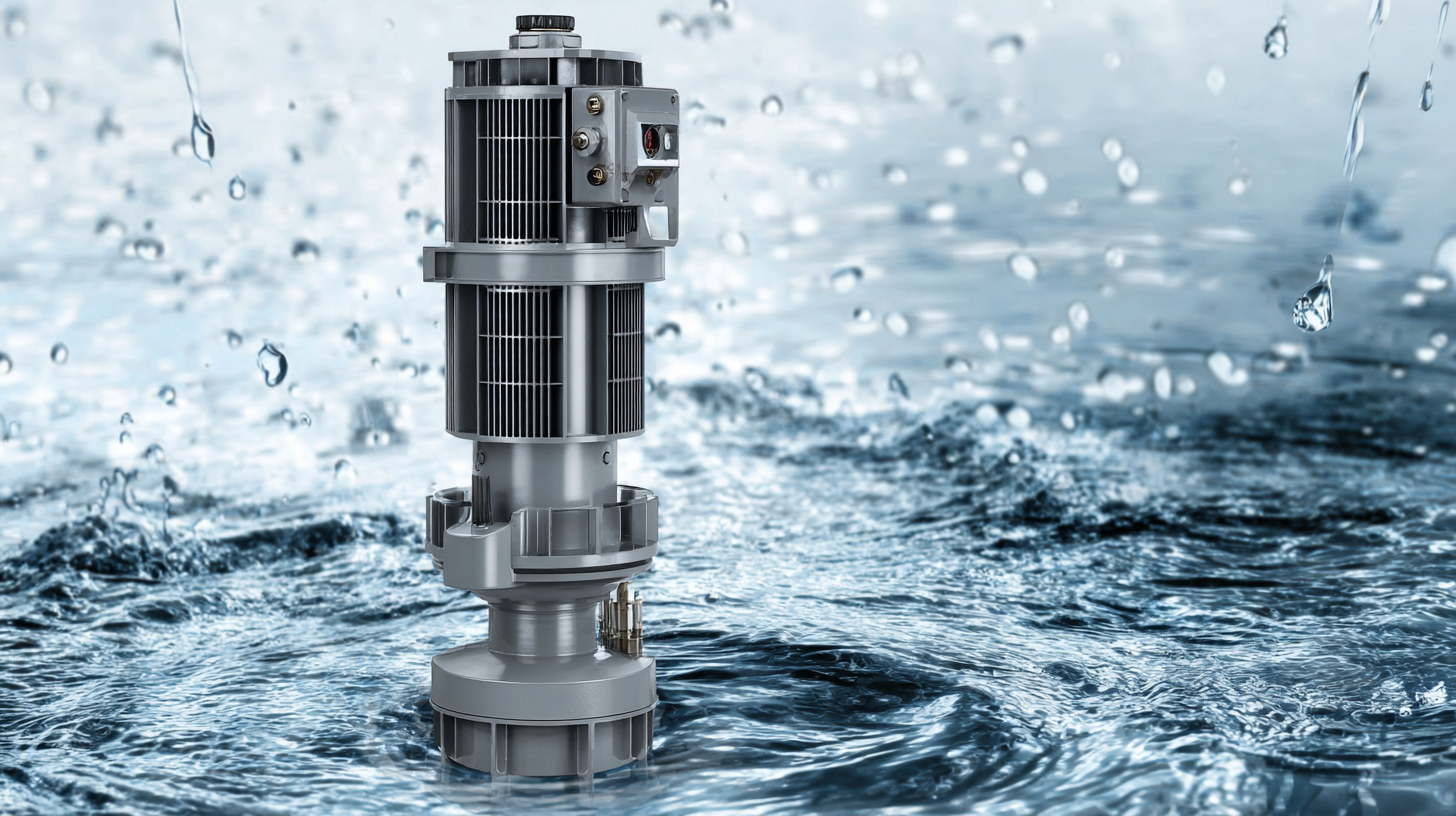
That makes them a favorite for both homes and businesses alike. At Zhejiang Rambo Intelligent Technology Co., Ltd., we’re proud of our advanced manufacturing setup and innovative designs that help us deliver top-notch quality without breaking the bank. We’re really committed to quality, ethics, and keeping our customers happy. Our goal is to meet the different needs of our clients and, at the same time, push the industry to new heights.
Lately, you'll notice that single-phase submersible pumps have really gained popularity for home water systems. They're known for being efficient and pretty straightforward to use. Basically, these pumps sit underwater, right? They’re designed to work vertically, which means they can pump water consistently with steady pressure and flow. According to a report from the International Water Association, these submersible models can be anywhere from 20% to 50% more energy-efficient than the older surface pumps—so, they save you money on energy bills and are better for the environment too.
One of the things people love about single-phase submersible pumps is how compact they are. That compact size makes them super versatile for all sorts of residential setups—think wells, ponds, or even rainwater harvesting systems. Plus, they run pretty quietly, which is a big plus if you're worried about noise in your neighborhood. They’re also pretty adaptable—they work well even when water levels fluctuate, giving you peace of mind that they'll perform reliably no matter what.
**A quick tip:** When you're choosing a pump, make sure to check the total dynamic head (TDH) it needs to handle for your particular setup. Also, don’t forget—regular maintenance is key to keeping your pump running smoothly and efficiently for years to come. Just follow the manufacturer’s guidelines, and if you’re unsure about which model to pick, it’s always a good idea to chat with a professional who can help you figure out the best fit for your needs.
: Single phase submersible pumps are energy-efficient, with potential savings of 20-50% compared to traditional surface pumps. They feature a compact design, operate quietly, and handle varying water levels, making them ideal for residential applications like wells and rainwater harvesting systems.
Single phase pumps are better suited for residential settings with standard power outlets, being easier to install and maintain. In contrast, three phase pumps are designed for industrial and agricultural applications where higher efficiency and volume handling are required.
The total dynamic head (TDH) reflects the height and pressure requirements for your application, ensuring that you choose a pump that can deliver adequate performance under specific conditions.
Regular maintenance checks help prolong the lifespan and efficiency of the pump, so following the manufacturer's guidelines for upkeep is essential for optimal performance.
Their compact size, lower initial cost, and energy efficiency make single phase submersible pumps an attractive choice for smaller-scale projects with convenience in mind.
While single phase pumps have lower initial costs, three phase pumps tend to have lower operational costs due to better efficiency and durability, making them more economical in the long run for larger projects.
Yes, consulting with a professional is advisable to determine the right pump specifications tailored to your specific needs and application requirements.
Noise pollution can disturb the quality of life in residential areas, making the quiet operation of single phase submersible pumps a significant advantage for homeowners.
Common applications include well water systems, pond drainage, and rainwater harvesting systems, where their reliability and efficiency are highly beneficial.
Single-phase submersible pumps are really gaining popularity these days, especially because of all their great advantages. In homes, they’re a solid choice for supplying water — making life a bit easier for homeowners who want reliable water access without a fuss. And when it comes to farming, these pumps are super efficient, helping farmers make better use of water and, in turn, getting better crop yields. Of course, picking the right pump depends on your specific needs — you want to make sure it’s just right for what you’ll be using it for.
Also, don’t forget that regular maintenance is key. Taking good care of your pump ensures it’ll last longer and keep running smoothly. If you compare single-phase pumps to three-phase ones, you’ll see that single-phase models have their own unique perks, which is why they’re often the go-to choice for many people. Companies like Zhejiang Rambo Intelligent Technology Co., Ltd. are leading the way with top-notch quality and innovative designs, giving customers peace of mind that their pumps will be reliable and effective for all kinds of applications.




 Mr Youkee Kong

 Oh, and don’t forget to give them a