Solar Pump

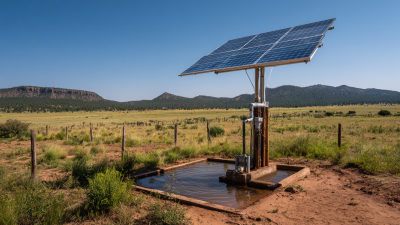
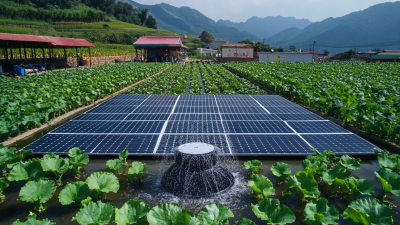
These days, with everyone talking about sustainability, Agriculture Solar Water Pumps are really making waves as a game-changer for farming all around the world. I recently came across Dr. Emily Hartman, who’s pretty much the go-to expert when it comes to renewable energy in farming. She pointed out that using solar water pumps isn’t just good for saving water — it also helps farmers cut down on their operating costs. It’s kinda exciting to see how, as water scarcity and energy prices keep climbing, more farmers are turning to solar-powered irrigation systems. This shift seems like a huge step forward in making farming more sustainable.
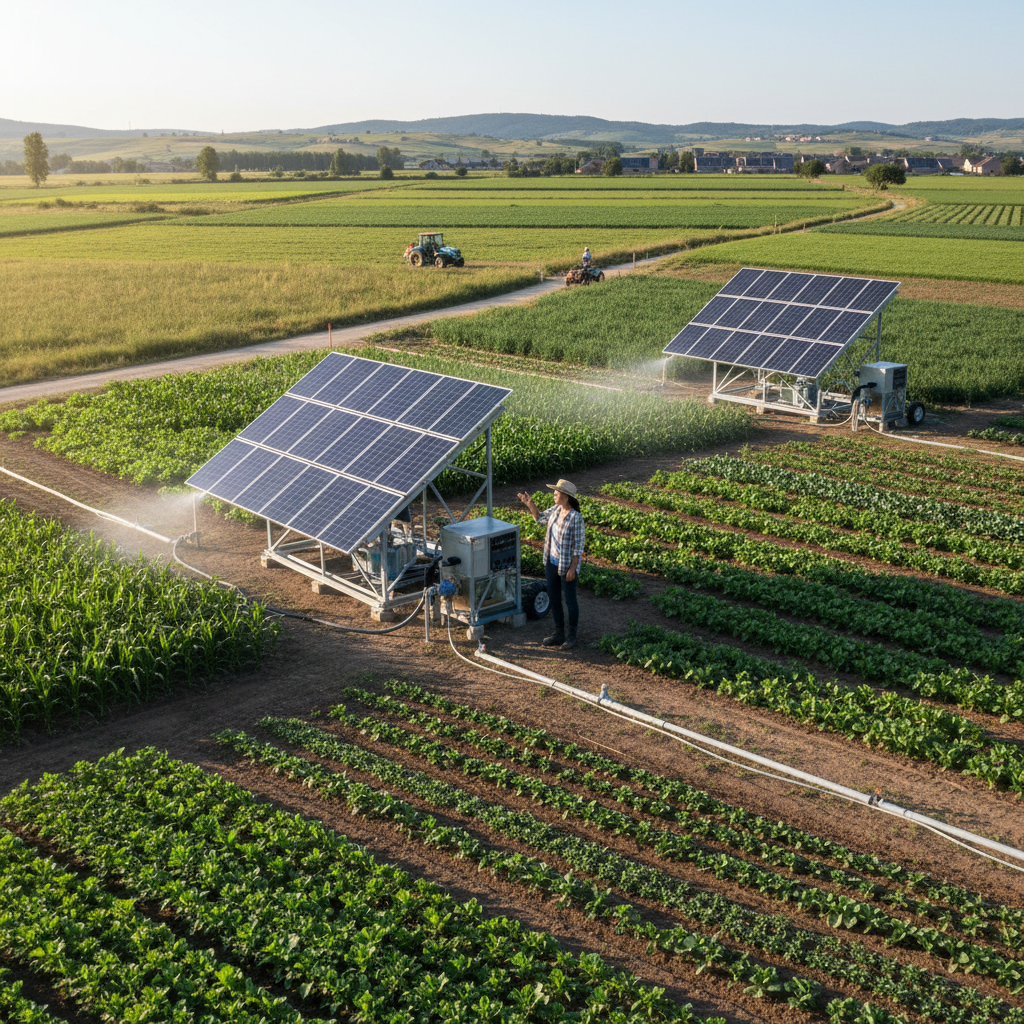
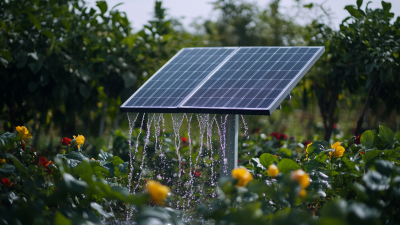
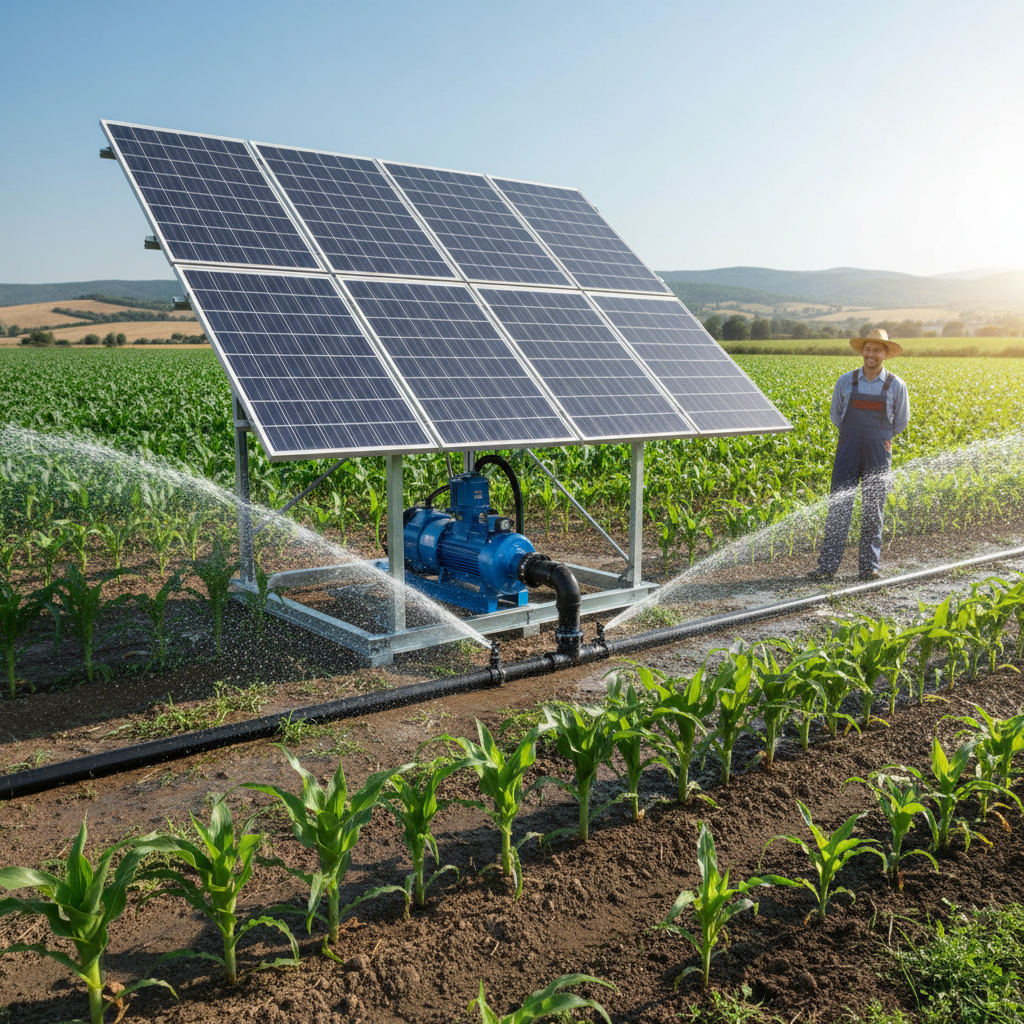
Honestly, adopting these solar water pumps could totally change the way we think about agriculture. They give farmers a steady, eco-friendly way to water their crops, using just the power of the sun. I mean, these systems are pretty clever — they keep water flowing while keeping carbon footprints low. Looking ahead to 2025, I wouldn’t be surprised if solar water pumps are top of the list when folks talk about sustainable farming practices. When farmers use these tech-savvy solutions, they’re not only boosting their harvests but also helping out our planet. It really feels like these solar water pumps are the future of farming — sustainable and smart, you know?
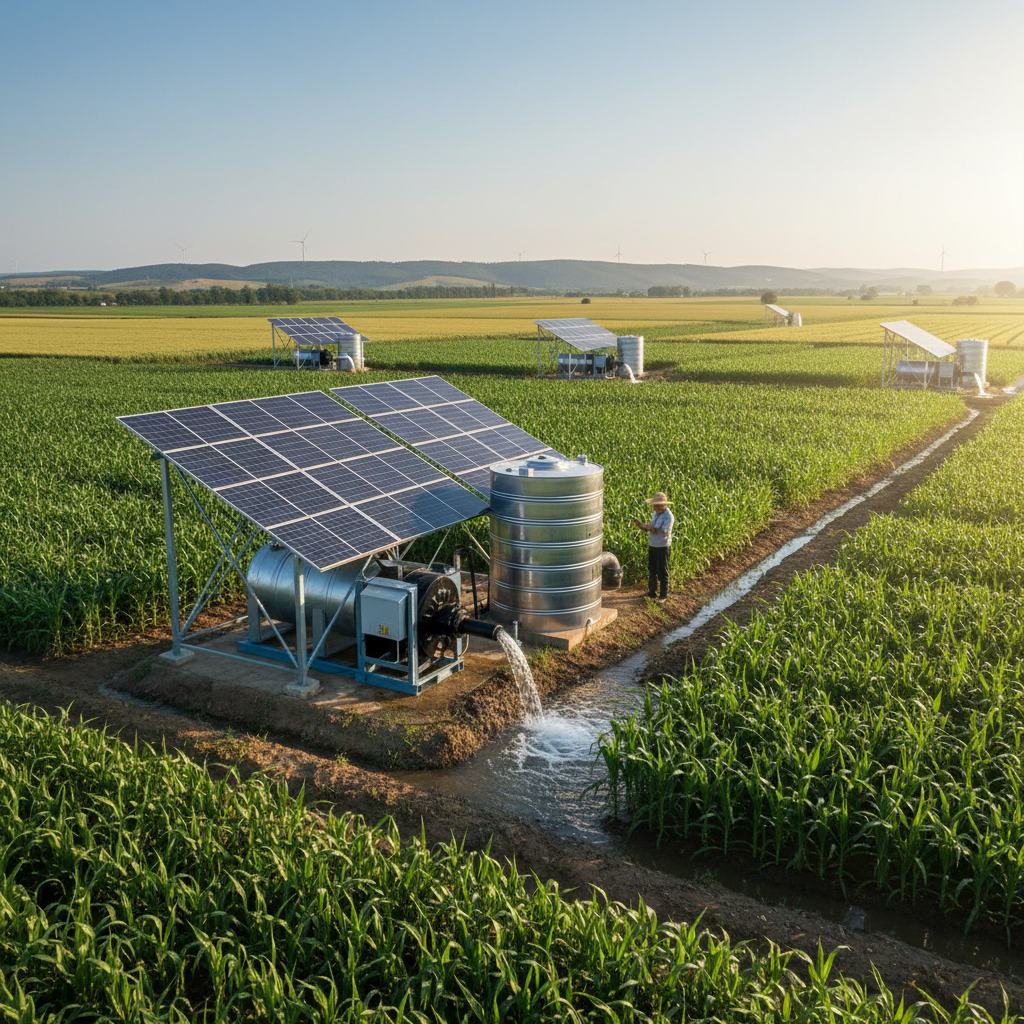
The agricultural sector is experiencing a significant transformation with the increasing adoption of solar water pumps, driven by market trends that highlight sustainability and efficiency. As water scarcity becomes a pressing concern, farmers are turning to solar-powered solutions to irrigate their lands. These pumps not only reduce reliance on fossil fuels but also lower operational costs, making them an attractive option for modern farming practices. The global market for solar water pumps is projected to grow substantially, fueled by advancements in solar technology and supportive government policies that encourage green farming initiatives.
Moreover, the environmental benefits of solar water pumps cannot be overstated. By utilizing renewable energy, farmers are diminishing their carbon footprint and contributing to the fight against climate change. Key regions, particularly in developing countries where sun exposure is abundant, are seeing a rapid increase in the deployment of these systems. Projections suggest that as more farmers recognize the long-term savings and sustainability of solar water pumps, the demand will escalate, positioning these technologies as a staple in the future landscape of agriculture.
Agriculture solar water pumps are revolutionizing the farming landscape, offering substantial cost savings and enhanced efficiency. According to a report from the International Renewable Energy Agency (IRENA), the cost of solar photovoltaic systems dropped by 82% between 2010 and 2019, making solar technology more accessible for farmers. This reduction in costs translates to lower operational expenses for irrigation, allowing farmers to allocate their resources more effectively. In regions where electricity costs can be a burden, solar water pumps provide a sustainable alternative that not only reduces energy bills but also promotes energy independence.
Moreover, the efficiency of solar water pumps is significantly higher than traditional water pumping systems. The U.S. Department of Agriculture (USDA) reports that solar pumps can achieve a performance efficiency of up to 90% compared to conventional diesel or electric pumps. This increased efficiency not only helps optimize water usage—crucial in areas facing water scarcity—but also enhances crop yields. Farmers who adopt solar water pumps can expect not only to save costs but also to improve their productivity, underscoring the technology's pivotal role in fostering sustainable agricultural practices for the future.
Agriculture solar water pumps are playing an increasingly significant role in promoting sustainable farming practices. One of the most notable environmental impacts is their ability to reduce the carbon footprint associated with traditional irrigation methods. By harnessing solar energy, farmers can negate the reliance on fossil fuels, which not only decreases greenhouse gas emissions but also lessens the ecological damage caused by fuel extraction and transportation.
Tips: When considering the integration of solar water pumps, farmers should assess their energy needs and water requirements thoroughly. Look for systems that are expandable, allowing for future growth without significant additional investments.
Moreover, solar water pumps contribute to the preservation of local water resources. They can be designed to run on-demand, ensuring that water is only used when necessary. This efficient usage minimizes wastage and supports the health of ecosystems that rely on consistent water availability.
Tips: Regular maintenance of solar panels and pumps can enhance their efficiency and lifespan. Farmers should establish a routine check-up schedule to ensure optimal performance and sustainable use of resources.
The integration of solar water pump technology represents a revolutionary shift in sustainable farming practices. With advancements in photovoltaic systems and efficient pump designs, farmers can now harness solar energy to irrigate their crops. According to a report from the International Renewable Energy Agency (IRENA), solar water pumps can reduce operational costs by up to 70% compared to conventional diesel pumps, showcasing significant economic benefits alongside ecological sustainability. These systems not only optimize water use but also align with the increasing global demand for renewable energy sources.
Zhejiang Rambo Intelligent Technology Co., Ltd. stands at the forefront of this transformation, adhering to the IATF Quality Management System to provide exceptional water pump solutions. With over 20 years of experience, ZRI specializes in solar, submersible, deep-well, and household land pumps tailored to meet the needs of modern agriculture. As farmers increasingly adopt solar technology, the efficiency and reliability of these pumps become paramount. Research indicates that the global market for solar water pumps is expected to grow at a CAGR of 8.4% through 2027, driven by these technological innovations. By investing in advanced solar water pumps, farmers can secure sustainable productivity while contributing to a greener future.
Government incentives and policies play a crucial role in promoting the adoption of solar water pumps in agriculture. As countries worldwide strive for sustainable farming practices, many governments have implemented supportive measures to facilitate the transition to solar-powered irrigation systems. These incentives often include financial subsidies, tax breaks, and grants aimed at reducing the initial investment costs for farmers. By lowering the barrier to entry, these policies encourage more agricultural producers to invest in solar technology, leading to enhanced productivity while minimizing environmental impact.
The global mechanized irrigation systems market is expected to grow significantly, reaching an estimated value of $4,690.7 million by 2025, with further growth projected to $12,470 million by 2033 at a compound annual growth rate (CAGR) of 13.0%. Correspondingly, the solar pump market is positioned for substantial growth, with an expected value exceeding $2.88 billion by 2025 and an anticipated CAGR of over 5.8%, reaching $5.06 billion by 2035. This rising demand reflects a growing recognition of the importance of environmental sustainability in agriculture, reinforced by favorable government policies that bolster the shift towards renewable energy solutions in farming practices.
| Aspect | Details |
|---|---|
| Water Usage Efficiency | Up to 60% reduction in water usage compared to traditional pumps. |
| Energy Savings | Solar energy can reduce electricity costs by 90%. |
| Government Incentives | Tax credits and grants available for solar water pump installation. |
| Environmental Impact | Reduction of greenhouse gas emissions and reliance on fossil fuels. |
| Return on Investment | Typically recoup costs within 3-5 years through savings. |
| Adoption Rate | Rapidly increasing, with over 25% growth annually in certain regions. |
| Maintenance Requirements | Low maintenance; minimal parts replacements needed over time. |
Solar water pumps are increasingly recognized for their pivotal role in sustainable farming, as demonstrated by various successful implementations across the globe. According to a report by the International Renewable Energy Agency, solar-powered irrigation systems can reduce operational costs by up to 50% compared to traditional diesel pumps, empowering farmers to invest in sustainable practices without straining their budgets. These systems not only decrease reliance on fossil fuels but also facilitate efficient water management in arid regions, making them particularly beneficial for smallholder farmers.
Recent case studies showcase the effectiveness of solar water pumps in diverse agricultural settings. For instance, in regions facing water scarcity, such as parts of Africa and Asia, farmers using solar-powered irrigation reported increased crop yields of up to 30% following installation. The Fourth Global Farmers Forum highlighted innovations in agricultural practices, underscoring the importance of cross-border collaborations to share successful models like solar water pumping. These examples illustrate a growing consensus among agronomists and policymakers that sustainable agricultural technologies are imperative to securing food systems against climate change. As farms embrace these solutions, the potential for solar water pumps to transform sustainable farming practices continues to expand.
: Solar water pumps reduce the carbon footprint by eliminating the reliance on fossil fuels for irrigation, decreasing greenhouse gas emissions and minimizing ecological damage associated with fuel extraction and transportation.
Farmers should assess their energy needs and water requirements thoroughly, and look for expandable systems that allow for future growth without significant additional investments.
Solar water pumps can be designed to operate on-demand, ensuring water is used only when necessary, which minimizes wastage and supports the health of ecosystems dependent on consistent water availability.
Regular maintenance of solar panels and pumps is crucial, and farmers should establish a routine check-up schedule to ensure optimal performance and sustainable resource use.
Solar-powered irrigation systems can reduce operational costs by up to 50% compared to diesel pumps, enabling farmers to invest in sustainable practices without straining their budgets.
In regions facing water scarcity, farmers using solar-powered irrigation have reported increased crop yields of up to 30% following the installation of these systems.
Recent case studies highlight the effectiveness of solar water pumps in various agricultural settings and emphasize the importance of cross-border collaborations in sharing successful models.
Solar water pumps decrease reliance on fossil fuels and facilitate efficient water management, making them particularly beneficial for smallholder farmers in arid regions.
The use of sustainable agricultural technologies like solar water pumps is deemed imperative by agronomists and policymakers for securing food systems against the challenges posed by climate change.
As farms increasingly adopt solar water pumps, their potential to transform sustainable farming practices and enhance long-term agricultural resilience continues to grow.
The article titled "Why Agriculture Solar Water Pumps are the Future of Sustainable Farming" explores the growing trend of integrating solar technology into agricultural practices. With the market for Agriculture Solar Water Pumps expanding, farmers are increasingly recognizing the benefits of cost savings and enhanced efficiency. These pumps not only lower operational costs but also significantly reduce the carbon footprint associated with traditional farming methods, contributing to a more sustainable agricultural sector.
Additionally, advancements in technology are supporting the widespread adoption of Agriculture Solar Water Pumps, driving innovations that cater to modern farming needs. Government incentives further bolster this shift, encouraging farmers to transition to these eco-friendly solutions. Case studies highlighting successful implementations demonstrate the viability and effectiveness of solar water pumps in sustainable farming, marking them as a pivotal component of future agricultural practices. Companies like Zhejiang Rambo Intelligent Technology Co., Ltd. are at the forefront of this movement, providing high-quality solar water pump solutions backed by decades of industry experience.