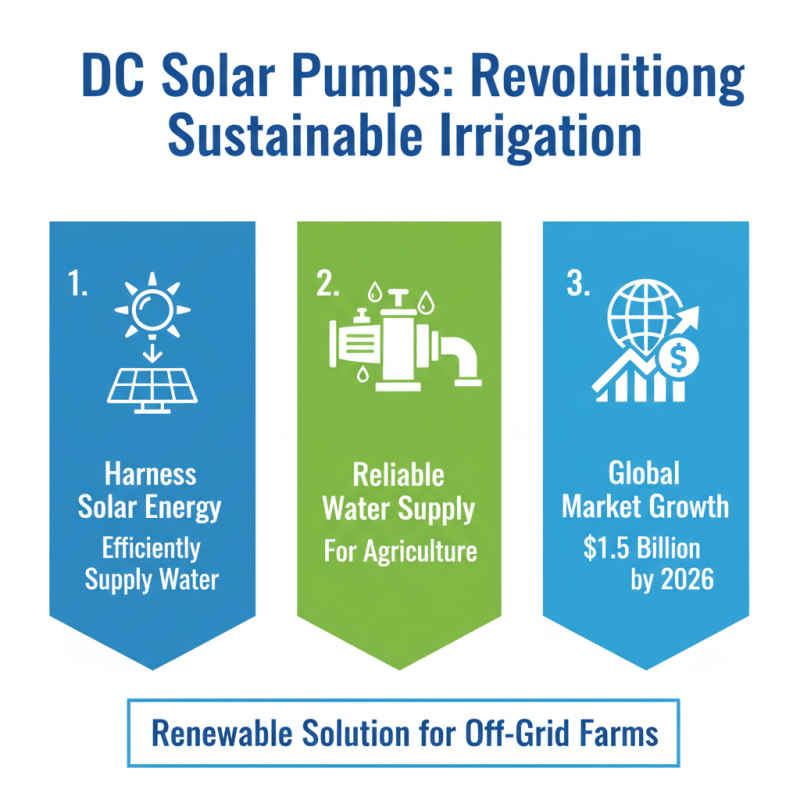
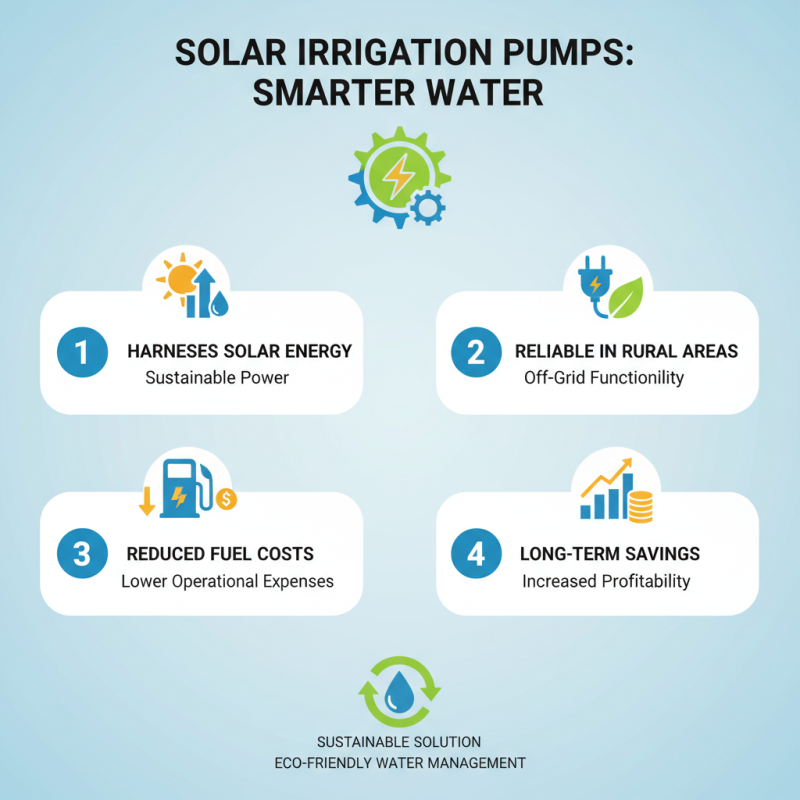
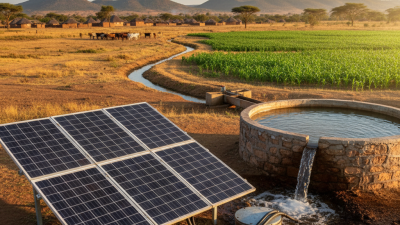
In the world of sustainable farming, the DC Solar Pump really stands out as a game-changer. I’ve heard from folks like John Harris, a top expert in renewable energy, that ‘using solar power for irrigation isn’t just good for the wallet — it also helps save precious resources.’ Basically, these solar-powered water pumps let farmers draw water efficiently, all by harnessing the sun’s energy. It’s pretty impressive when you think about it, right?
The perks are pretty obvious: less reliance on fossil fuels, lower operating costs, and a smaller environmental footprint. For farmers, switching to a solar bore pump can mean big savings. But, of course, not all pumps are created equal — some like DC screw-type solar bore pumps can vary quite a bit in price, which definitely impacts affordability. So, it’s really important for farmers to weigh the cost of the solar bore pump against their budget and needs.
That said, it’s not all sunshine and rainbows. Not every region gets consistent sunlight all year round, which can affect how well things like brushless DC solar water pumps work. People do have questions about how reliable these systems are and whether they’ll perform well over time, which is totally understandable. Bottom line? Jumping into DC solar tech for farming is a smart move, but it needs some careful planning — understanding both its big advantages and its limitations is key.
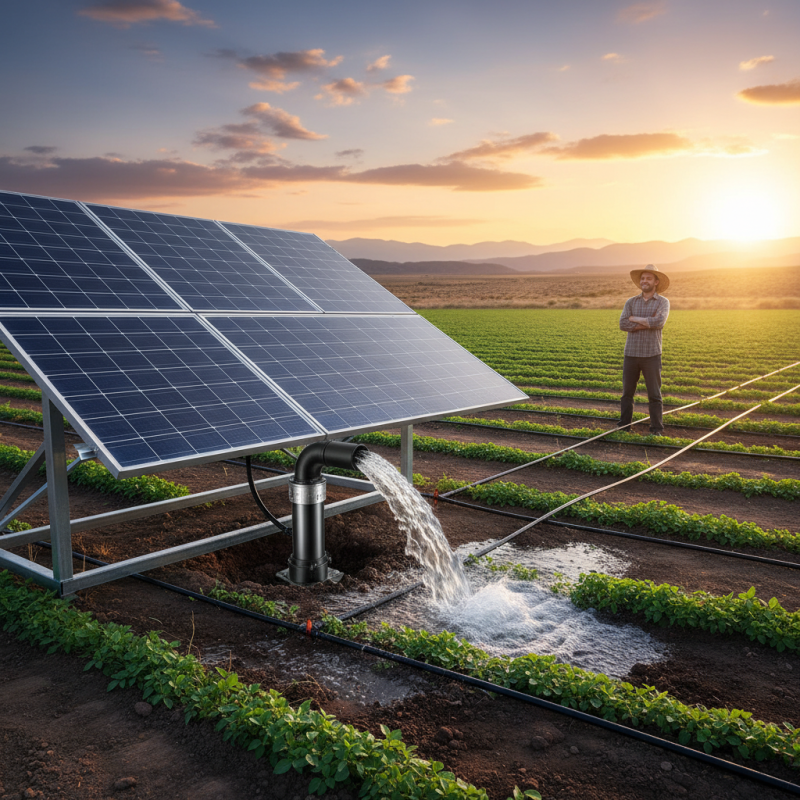
Benefits of DC Solar Pumps for Sustainable Irrigation
DC solar pumps are vital for sustainable irrigation. They harness solar energy, reducing dependency on traditional power sources. According to a recent study, solar-powered irrigation systems can lower operational costs by around 60%. Many farmers report significant savings after transitioning to a Solar Dc Surface Water Pump. This not only helps in cutting expenses but also supports environmentally friendly practices.
The efficiency of these pumps is noteworthy. They can operate effectively in remote areas where electricity is scarce. A well-designed solar pump system can deliver water throughout the day, especially during peak sunlight hours. However, farmers must consider the initial investment. The upfront cost can be high, making some hesitant to adopt this technology. Despite this, the long-term benefits often outweigh the challenges.
Adoption rates are improving, yet there remains a need for better education about these systems. Many farmers still lack awareness of how solar pumps work. Research indicates that only 25% of agricultural producers fully understand solar technology's potential. This gap shows room for growth in sustainable irrigation practices. With more knowledge, farmers can be empowered to make informed decisions.
Dc Solar Pump Benefits and Tips for Sustainable Irrigation
| Benefit |
Description |
Sustainability Aspect |
| Cost-effective |
Lower operational costs due to solar energy usage. |
Reduces dependency on fossil fuels. |
| Environmentally Friendly |
Utilizes renewable energy which decreases carbon footprint. |
Helps combat climate change. |
| Low Maintenance |
Fewer moving parts lead to lower maintenance requirements. |
Promotes durability and longevity of systems. |
| Water Efficiency |
Optimizes water delivery for irrigation needs. |
Encourages sustainable water use practices. |
| Energy Independence |
Reduces reliance on grid electricity. |
Enhances local energy resilience. |
How DC Solar Pumps Work for Efficient Water Supply
DC solar pumps are revolutionizing sustainable irrigation practices. They harness solar energy to efficiently supply water, making them vital for agricultural operations. In areas where electricity is limited or expensive, these pumps offer a reliable alternative. According to a recent report, the global solar pump market is expected to reach $1.5 billion by 2026, indicating a growing trend towards renewable solutions.
The efficiency of DC solar pumps stems from their design. These pumps directly utilize solar energy, eliminating the need for batteries. They operate well during peak sunlight hours when irrigation needs are often highest. A study from the International Renewable Energy Agency noted that DC solar pumps can save farmers up to 80% on energy costs compared to traditional pumps. However, not every setup may function optimally. Factors like local weather patterns and installation quality can lead to underperformance, reminding users to assess their unique conditions.
Surface solar pumps for agriculture are particularly effective in irrigation. They require less maintenance and offer durability in various climates. That said, reliance on solar power can be problematic during cloudy days or in less sunny regions. Farmers must weigh these considerations carefully. Finding the right balance between benefits and limitations will be key to maximizing yield and conservation efforts.
Cost-Effectiveness of DC Solar Pumps Compared to Traditional Systems
DC solar pumps offer cost-effectiveness that attracts many farmers looking to reduce their operational expenses. Unlike traditional pumps, DC solar systems utilize renewable energy, leading to lower electricity bills. This is especially beneficial in remote areas where conventional power sources may be limited or expensive. The initial investment might seem high, but the long-term savings on energy costs often outweigh those upfront expenses.
Maintenance is another crucial aspect. Solar pumps generally require less upkeep compared to traditional systems. Limited moving parts mean fewer breakdowns and less frequent repairs. However, users should consider potential challenges, such as the need for ample sunlight. Some regions may not receive consistent sunlight throughout the year, affecting pump performance.
While the benefits of DC solar pumps are clear, there are also considerations. The efficiency can fluctuate based on the size of the system and the specific application. Understanding your irrigation needs is vital before making a decision. It's essential to evaluate both your water requirements and regional weather patterns for a successful installation. Balancing cost savings with practical functionality will lead to better irrigation outcomes.
Environmental Benefits of Using Solar Power for Irrigation
Using solar power for irrigation presents numerous environmental benefits. Solar energy is renewable and reduces reliance on fossil fuels. It decreases greenhouse gas emissions, helping combat climate change. In turn, this promotes healthier ecosystems, as cleaner air and water result from reduced pollution. Transitioning to solar-powered irrigation can also lead to lower water waste. When using a
Surface Solar Water Pump, farmers can optimize their irrigation systems more efficiently.
Adopting solar technology can have its challenges. Initial installation costs may deter some farmers. Maintenance of solar equipment is crucial; neglecting it can lead to inefficiencies. There may also be concerns about energy production in cloudy weather. However, integrating a
Surface Solar Water Pump offers flexibility in water management. It can adapt to varying sunlight conditions, allowing for reliable irrigation schedules.
Overall, the move to solar-powered irrigation represents a significant step towards sustainability. While there are hurdles, the long-term gains in environmental health are immense. Farmers must weigh the challenges against the benefits. Investing in solar solutions can create a more resilient agricultural system.
Tips for Selecting the Right DC Solar Pump for Your Needs
When selecting a DC solar pump, consider your specific irrigation needs. Understand the water source and depth. Assess the flow rate required for your crops. A pump with too low a flow rate may lead to insufficient irrigation, while one with too high a rate can waste resources. Be mindful of the pump's voltage requirements. Some systems might need solar batteries while others can work directly with solar panels.
Look closely at the pump's efficiency ratings. Higher efficiency means lower energy costs. Examine the design as well. A durable build can handle different environments. Factors such as weather incidents can impact performance.
Keep in mind that installation can be tricky. Ensure that all parts align correctly for optimum operation. If you’re considering a Solar Pump For Pool use, ensure it meets specific water circulation needs. Sometimes, DIY installations lead to challenges down the line. Take your time to evaluate options. A well-informed decision can lead to better irrigation outcomes.
Maintenance Practices for Optimal Performance of Solar Pumps
Maintaining solar pumps is essential for effective irrigation. Regular maintenance can enhance their lifespan and performance. One critical aspect is the cleanliness of the solar panels. Dust and debris can block sunlight, reducing efficiency. A simple wash with water can make a big difference.
Another important practice is checking connections. Loose wires can lead to inefficiencies. Ensure connections are tight and free from corrosion. Regular inspections help identify issues before they escalate. This proactive approach saves time and repair costs.
To optimize performance, monitor the water output. If it decreases, investigate potential blockages or pump issues. Small changes can lead to significant improvements. Keeping a maintenance log can be invaluable. Document performance and repairs for future reference. Regular assessment helps ensure sustainable irrigation practices last over time.
Integrating DC Solar Pumps into Existing Irrigation Systems
Integrating DC solar pumps into existing irrigation systems offers numerous benefits. These systems harness solar energy, providing a sustainable solution for water management. This is especially useful in areas with limited or unreliable electricity. Farmers can reduce their reliance on fossil fuels and lower operational costs. Over time, this can lead to significant savings.
However, the transition may present challenges. Compatibility with old systems is a common concern. Not every existing setup is ready for solar integration. Some adjustments may be necessary, which can incur additional costs. It's crucial to assess your current infrastructure before making changes.
Maintenance of solar pumps also requires attention. Dust and debris can hinder performance. Regular cleaning is essential to ensure efficiency. Users should monitor the system for optimal results. Solar energy can be a game changer in irrigation, but it's not without its complexities. Understanding these factors is vital for successful integration.
Conclusion
Dc Solar Pumps offer numerous advantages for sustainable irrigation, making them an increasingly popular choice for farmers and landowners. These pumps harness solar energy to provide efficient water supply, reducing reliance on traditional energy sources and lowering operational costs. Their cost-effectiveness compared to conventional systems allows for better budget management, while their environmental benefits contribute to reduced carbon footprints and conservation of resources.
To maximize the effectiveness of a Dc Solar Pump, it is essential to select the right model based on specific irrigation needs and to follow proper maintenance practices. Integrating these pumps into existing irrigation systems can enhance overall efficiency, ensuring that water is delivered where it's needed most. By embracing Dc Solar Pumps, users can foster a more sustainable approach to water management and support eco-friendly farming practices.





 Mr Youkee Kong