You know, these days there’s a real push to keep our aquatic environments healthy and sustainable, and it’s sparked a bunch of cool new tech, like the Solar Aeration Pump. I was reading a recent market report from ResearchAndMarkets, and it turns out that the global solar pump market is expected to grow at a pretty impressive rate—around 24.4% CAGR from 2021 to 2026. That just shows how much folks are looking for eco-friendly ways to manage water. These Solar Aeration Pumps are pretty awesome because they help improve water quality by boosting oxygen levels and cutting down on those pesky algae blooms that can totally mess up aquatic ecosystems. As more companies and communities go for renewable energy, companies like Zhejiang Rambo Intelligent Technology Co., Ltd. are really leading the charge. They offer high-quality, affordable products that can compete worldwide. With their cutting-edge factories and innovative designs, Rambo seems to be serious about creating solutions that not only work well but also prioritize sustainability and customer needs. It’s pretty exciting to see how all these efforts are coming together to make a difference, don’t you think?
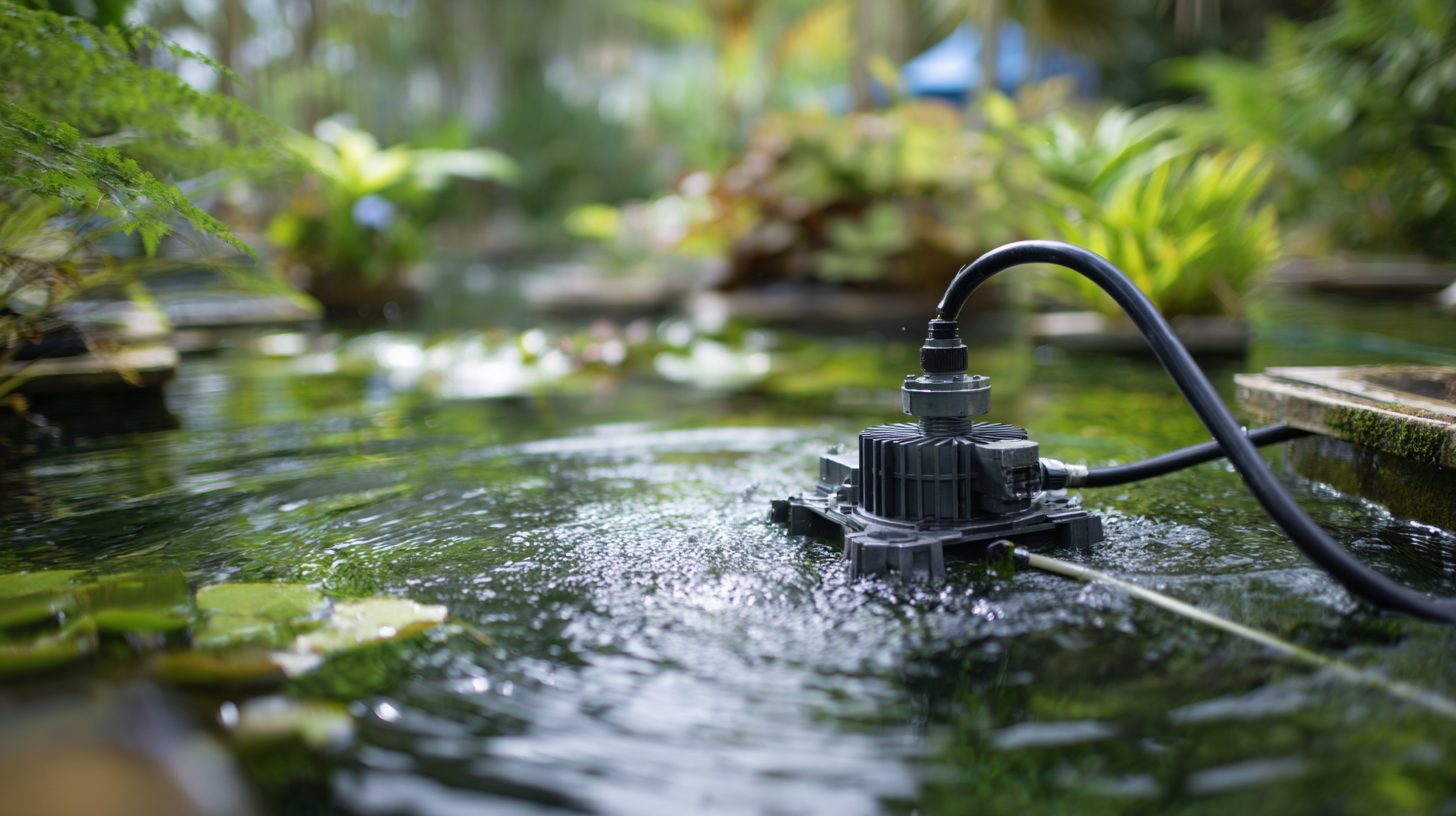
Exploring How Solar Aeration Pumps Improve Water Quality in Aquatic Ecosystems
Solar aeration pumps really play a big part in keeping water healthier in aquatic environments by adding oxygen, which helps fish and other aquatic life thrive. As more folks turn to solar energy, these pumps are becoming even more eco-friendly—making good use of renewable resources and cutting down on fossil fuels. Recently, new tech like floating solar panels (FPV) has shown they can even help lower water temperatures quite a bit, making it better for aquatic creatures. When the water stays at the right temperature, the pumps can boost oxygen levels, which is super important for the overall health of fish and other water animals.
On top of that, when you combine solar aeration systems with cool innovations like floating biofilm reactors, the water quality improves even more. These setups don’t just add oxygen—they also help develop biofilms that break down pollutants and improve how nutrients cycle through the ecosystem. Studies are showing that using solar power alongside good aeration methods can really cut down on pollutants, leading to cleaner, healthier water. As research keeps emphasizing just how connected aquatic health is, adopting solar aeration pumps feels like a smart move for managing water resources sustainably—it's good for nature and for the communities that depend on these ecosystems, too.
Understanding the Benefits of Solar Aeration Pumps for Sustainable Aquatic Environments
The Role of Solar Aeration in Enhancing Oxygen Levels and Aquatic Life
You know, solar aeration pumps are pretty vital when it comes to keeping our lakes and ponds healthy. They boost oxygen levels in the water—something that’s absolutely key for marine life to thrive. Research has shown that when oxygen levels are just right, like above 5 mg/L, fish and other aquatic creatures are healthier and biodiversity really gets a boost. The NOAA points out that keeping oxygen high makes a big difference in helping fish grow and reproduce. What’s cool is that by using solar energy, these pumps offer a really eco-friendly and dependable way to tackle oxygen shortages, especially in stagnant waters like ponds and lakes that tend to get sluggish and oxygen-depleted.
Here at Zhejiang Rambo Intelligent Technology Co., Ltd., we’re really proud to be leading the way with this cutting-edge tech. We use top-notch production facilities and the latest high-tech processes to manufacture solar aeration pumps that are not only high quality but also pretty affordable. Our goal? To help improve aquatic environments, all while sticking to our values of quality, responsibility, and making sure our customers are happy. Plus, according to the Global Water Partnership, switching to solar aeration can cut energy costs by up to 80%. That makes it not just better for the planet, but also a smart move for managing water habitats and supporting the growth of aquatic life.
Comparative Energy Efficiency: Solar Aeration Pumps vs. Traditional Aeration Systems
You know, solar aeration pumps are really starting to catch on as a greener alternative to those old-school aeration systems we usually see in water environments. They’re pretty energy-efficient too, which means they could really help cut down the carbon footprint from wastewater treatment. I read somewhere that these plants can actually be responsible for up to 10% of the human-made nitrous oxide emissions—that’s a big chunk! Traditional systems, which mostly run on fossil fuels, don’t help much with that issue. Meanwhile, solar pumps, on the other hand, use renewable energy, making them way better for our planet while still doing a solid job at keeping the water oxygenated.
And here’s something cool—when you combine solar aeration tech with other renewable energy sources, it actually makes things more affordable and eco-friendly, especially for recirculating aquaculture systems. Not only does it save money in the long run, but it also nudges us closer to that net-zero carbon goal for wastewater plants. As more folks get interested in sustainable fisheries, using solar energy for aeration isn’t just about reducing emissions — it’s also about keeping aquatic ecosystems healthy by ensuring enough oxygen for the biological breakdown processes. It’s a pretty smart move overall, fitting right into the push for more sustainable water management practices worldwide. Basically, it’s a step toward greener, healthier water environments for everyone.
Understanding the Benefits of Solar Aeration Pumps for Sustainable Aquatic Environments
| Feature |
Solar Aeration Pumps |
Traditional Aeration Systems |
| Energy Source |
Solar Power |
Electricity or Fuel |
| Operating Costs |
Low to Zero |
High (depends on energy prices) |
| Maintenance Needs |
Low |
Moderate to High |
| Environmental Impact |
Minimal |
Carbon Emissions |
| Installation Cost |
Moderate |
Varies |
| Lifespan |
15-25 years |
5-10 years |
| Noise Level |
Silent |
Moderate to High |
Impact of Solar Aeration on Algae Control and Nutrient Management
Solar aeration pumps are honestly a game-changer when it comes to keeping algae in check and balancing nutrients in your water. Because they run on solar power, these pumps add oxygen to the water—something that’s super important for those friendly aerobic bacteria that break down organic stuff. The EPA even says that boosting oxygen levels can cut down harmful algae blooms by up to 60%. Not only does that mean clearer, healthier water, but it also helps create a thriving ecosystem.
On top of that, pumping in oxygen helps to break down extra nutrients like nitrogen and phosphorus, which are often the real troublemakers behind nutrient pollution. Studies from NOAA show that managing nutrient levels with aeration can really lower the chances of hypoxic conditions, giving aquatic life a better shot at thriving. Switching to solar aeration systems also means you’re managing your pond in a way that’s more eco-friendly—less reliance on chemicals that can have nasty side effects.
**Tip:** Make sure to keep an eye on your water’s nutrient levels with testing kits; it’s the best way to see if your aeration system’s actually doing its job.
**Tip:** You can also pair solar aeration with natural methods like planting native aquatic plants—this combo can seriously boost your pond’s health and keep algae at bay."
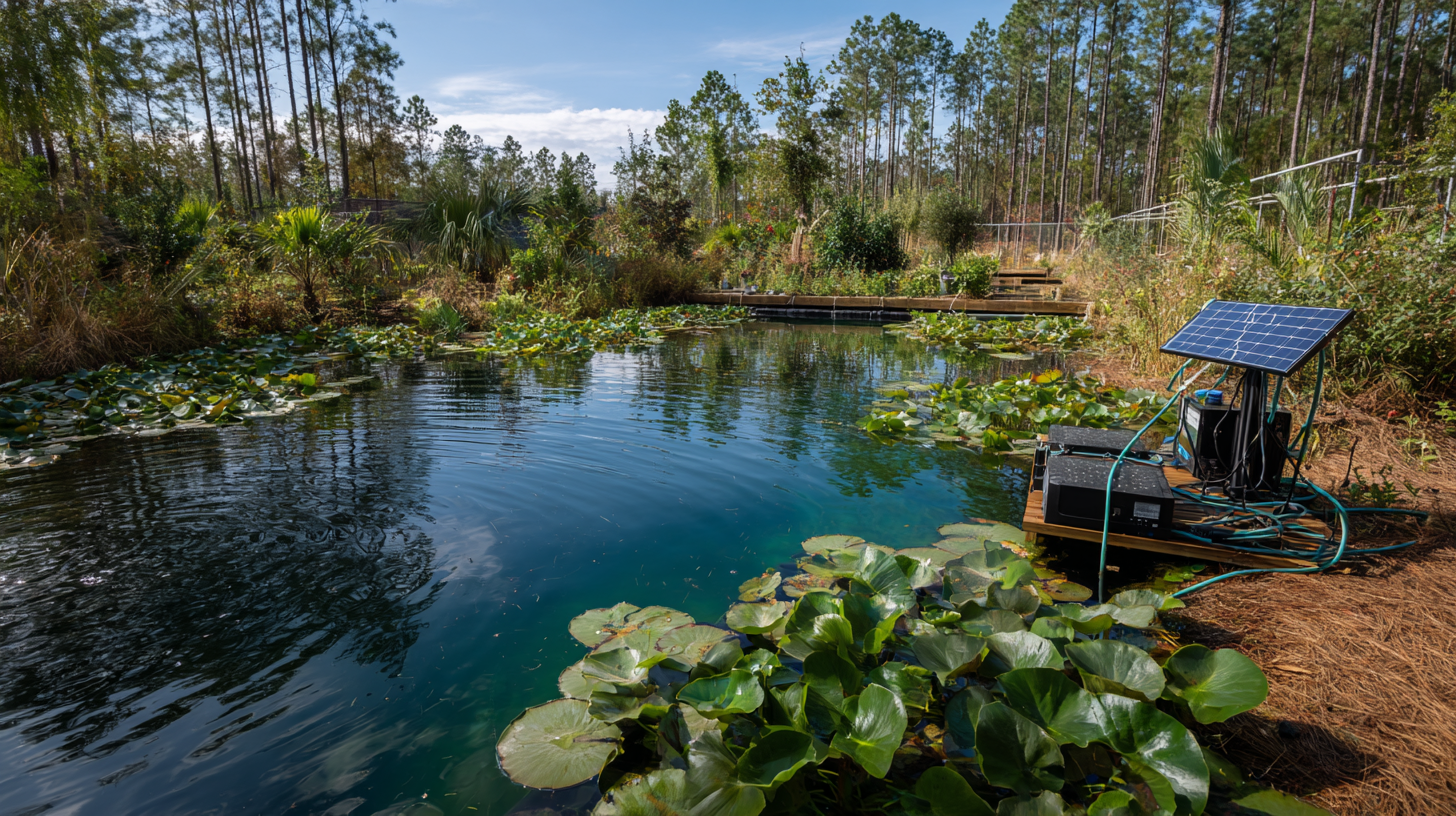
Cost-Effectiveness of Solar Aeration Pumps for Sustainable Fish Farming Practices
Switching over to solar aeration pumps in fish farming has really shown how much they can save you, making the whole operation more sustainable and easier on the wallet.
I mean, according to a report from the National Renewable Energy Laboratory, using solar aeration can cut your electricity costs by up to 75% compared to the usual electric systems. That’s a pretty huge deal, especially for fish farmers working in remote areas where power isn't always reliable or affordable.
Plus, the initial cost for these solar pumps usually pays for itself within three to five years, thanks to lower energy bills and the fact that healthier, well-aerated fish tend to grow faster — like up to 30% more, according to research from the University of Aquatic Research.
It’s a win-win, really. And don’t forget—there are often government programs that offer incentives for adopting renewable energy, which can make the switch even more attractive financially.
When farmers adopt solar aeration solutions, they’re not just boosting profits—they're also doing their part to keep the environment healthy.
It’s a pretty smart move all around, don’t you think?
Case Studies: Successful Implementation of Solar Aeration in Various Aquatic Environments
Lately, solar aeration pumps have really started to make a difference when it comes to keeping aquatic ecosystems healthy in all kinds of different environments. One story that comes to mind is a community pond project — a local environmental group decided to give solar aeration systems a shot to fight off those annoying algae blooms. Using solar power not only helped them cut down on traditional energy costs, but it also kept oxygen flowing steadily into the water. As a result, the water quality got way better, and you could actually see more fish and aquatic plants thriving. It’s pretty cool how switching to sustainable practices can really turn things around and help restore habitats.

And here’s another example that’s pretty inspiring — a fish farm that switched over to solar aeration pumps. They were struggling with rising energy bills and worried about their environmental impact, so they decided to go all in on solar-powered aeration. Not only did this cut their energy expenses, but it also boosted the health and growth of the fish by keeping the oxygen levels high. It’s a win-win situation — they saved money and helped the environment at the same time. Stories like these just show how solar aeration can really transform aquatic environments and even inspire other farms or facilities to jump on board. All in all, these examples highlight just how powerful solar aeration can be for creating more resilient and sustainable water habitats.
FAQS
: Solar aeration pumps enhance water quality by introducing oxygen into the water, promoting healthier habitats for aquatic life.
Recent advancements in solar-powered technologies, such as floating photovoltaics, have shown the ability to lower water temperatures, creating a more favorable environment for aquatic organisms.
Optimal oxygen levels are essential for the survival of marine life, as they significantly improve fish health and promote biodiversity.
Maintaining dissolved oxygen levels above 5 mg/L is crucial for facilitating the growth and reproduction of aquatic organisms.
These systems aerate the water and facilitate biofilm development, which helps break down pollutants and enhance nutrient cycling within the ecosystem.
This combination leads to a noticeable reduction in ecological pollutants, promoting cleaner water bodies.
The integration of solar aeration can reduce energy costs by up to 80%, making it a sustainable choice for managing aquatic ecosystems.
They deliver superior-quality solar aeration pumps using advanced production facilities and processes, focusing on addressing the need for improved aquatic health.
By utilizing renewable solar energy, these pumps reduce dependency on fossil fuels while supporting the growth of aquatic life and promoting cleaner ecosystems.
By enhancing oxygen levels in water bodies, solar aeration pumps support the growth, reproduction, and overall health of diverse aquatic species.
Conclusion
Solar aeration pumps are really key when it comes to creating sustainable aquatic environments. They do a great job of boosting water quality and helping ecosystems stay healthy. When oxygen levels go up, it supports all kinds of aquatic life—fish farms and other water systems totally benefit from this. Compared to those traditional aeration setups, solar pumps are way more energy-efficient, which means lower running costs and still effectively controlling algae and managing nutrients.
At Zhejiang Rambo Intelligent Technology Co., Ltd., we're all about delivering top-notch solar aeration pumps. Thanks to our advanced manufacturing facilities and innovative design approach, our products really stand out. We’re committed to doing business ethically and making sure our customers are happy, so we offer affordable solutions that meet international standards — making us a go-to choice in the industry.








 Mr Youkee Kong
