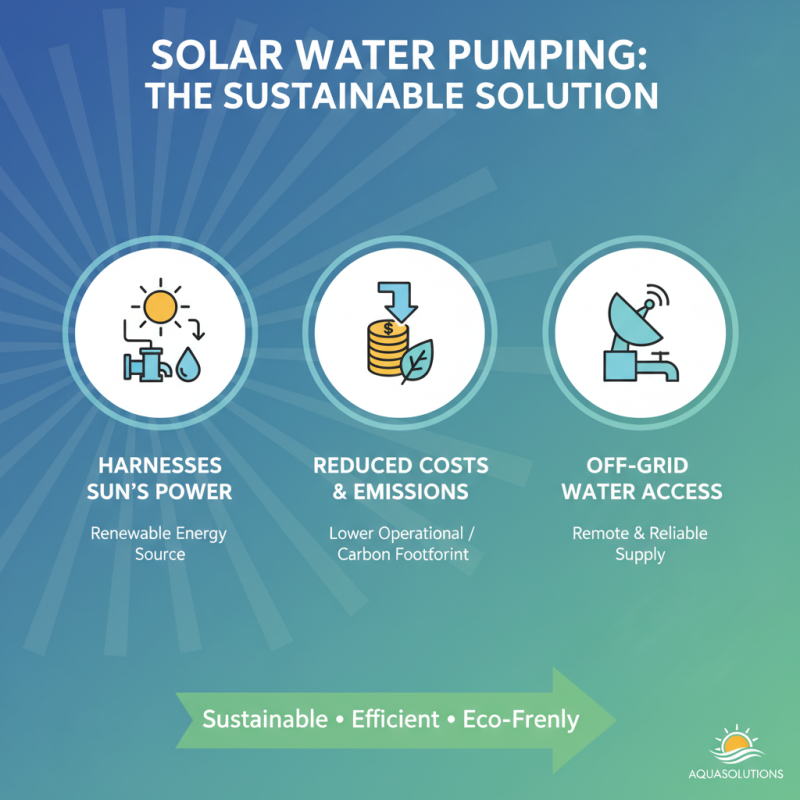
Lately, there's been a real buzz around finding sustainable ways to manage water—people are coming up with some pretty cool tech that uses renewable energy. One standout is the Solar Submersible Pump, and honestly, it’s a total game-changer when it comes to water management. These pumps use sunlight to draw water from deep underground, which is such a smart alternative to the usual electric pumps that often run on fossil fuels. With climate change becoming such a pressing issue, adopting solar submersible pumps feels like a really important step toward being more eco-friendly.
What’s really great about these pumps isn’t just that they're environmentally friendly. They also work really well in places where electricity is hard to come by—so they’re super useful for farming, watering livestock, or even providing clean drinking water in remote areas. Plus, since they run on sunlight, they help cut down on energy costs and help reduce carbon emissions. And, honestly, they don’t need much maintenance, which is a big bonus—they tend to last a long time without headache-inducing repairs.
As more folks switch over to renewable energy sources, it’s clear that solar submersible pumps are gonna play a huge role in making water management more sustainable. They’re a perfect blend of tech and nature—super efficient, versatile, and kind to the environment. In this article, I’m excited to dive into some of the top benefits of these pumps and explore how they could really shake things up across different sectors when it comes to managing water better.
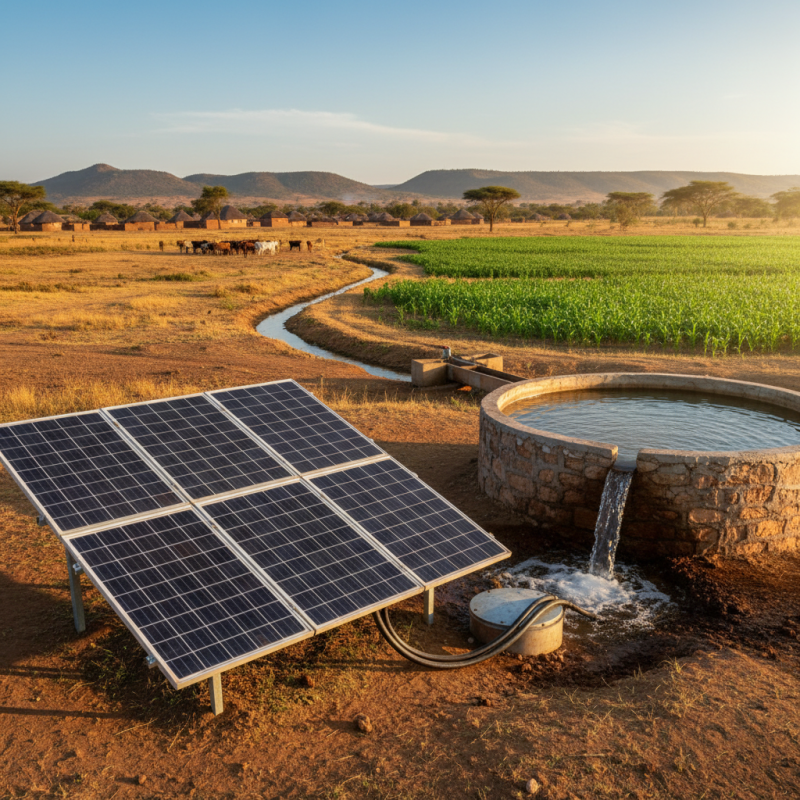
Benefits of Solar Submersible Pumps for Sustainable Water Solutions
Solar submersible pumps represent a transformative approach to sustainable water solutions, harnessing the power of sunlight to provide efficient water management in various applications. These pumps operate quietly underwater, reducing environmental disruption while delivering water from deep sources. One of the key benefits is their low operational cost. Since they rely on solar energy, users can significantly decrease electricity expenses, making them an economical choice for agricultural, residential, and rural water supply needs.
When considering solar submersible pumps, it's vital to assess the solar panel size and battery backup systems. Proper sizing ensures optimal performance and efficiency, catering to specific water needs and location. Another tip is to conduct regular maintenance, such as checking seals and connections, to prolong the pump's lifespan and maintain peak performance. Additionally, investing in high-quality components can enhance durability, especially in harsh environments.
Adopting solar submersible pumps not only supports sustainable water management but also contributes to reducing reliance on fossil fuels. As communities embrace renewable energy, these pumps represent a step towards a cleaner and more sustainable future, ensuring a reliable water supply while minimizing environmental impact.
Understanding Solar Submersible Pumps: Definitions and Functions
Solar submersible pumps have emerged as a key solution for sustainable water access, particularly in remote and agricultural regions. These pumps are powered by solar energy, converting sunlight into electricity to operate submerged pumps that draw water from wells and aquifers. According to a market analysis by the International Renewable Energy Agency (IRENA), the global solar pump market is projected to reach a value of USD 2.7 billion by 2025, reflecting an increasing recognition of renewable energy technologies in the water management sector.
Understanding the functions of solar submersible pumps reveals their versatility and efficiency. Typically installed below the water level, these pumps operate silently and are capable of lifting water from deep sources—often reaching depths of over 100 meters. They are designed to be rugged and long-lasting, with minimal maintenance requirements due to fewer moving parts compared to conventional water lifting systems. A report by the Food and Agriculture Organization (FAO) emphasizes that these pumps can reduce operational costs by up to 80% when compared to diesel-powered pumps, making them an economically viable choice for many farmers and communities.
Tip: When selecting a solar submersible pump, consider the depth of your water source and the flow rate required for your application. This will ensure you choose a pump with appropriate specifications for maximum efficiency.
Another tip is to pair the pump system with a battery storage solution to enhance reliability during cloudy days or at night, ensuring a consistent water supply regardless of weather conditions.
Advantages of Solar Energy in Water Pumping Applications
Solar energy plays a pivotal role in modern water pumping applications, offering a sustainable and efficient alternative to traditional energy sources. Utilizing solar submersible pumps harnesses the sun's power to drive water movement, significantly reducing the dependency on fossil fuels. This shift not only lowers operational costs but also diminishes carbon emissions, making it an environmentally friendly choice. The availability of solar energy, particularly in remote or off-grid locations, helps ensure access to essential water resources without the need for extensive infrastructure.
Moreover, the advantages of solar energy extend to the reliability and maintenance of water pumping systems. Solar submersible pumps require fewer mechanical components compared to conventional electric pumps, which often leads to reduced maintenance needs. This simplicity translates to greater reliability, allowing for uninterrupted water supply in agricultural, residential, and industrial applications. Additionally, the scalability of solar solutions makes it feasible to adapt systems to various needs and project sizes, further promoting sustainable practices in water management.
Environmental Impact of Using Solar Submersible Pumps
Solar submersible pumps have emerged as a transformative solution in the quest for sustainable water resources, significantly reducing reliance on fossil fuels. By harnessing renewable solar energy, these pumps operate efficiently in remote areas where access to electricity is limited. This not only minimizes carbon emissions associated with traditional pumping methods but also helps in the preservation of natural ecosystems that might be harmed by electric or diesel-powered alternatives.
The environmental impact of using solar submersible pumps is profound. They contribute to the conservation of groundwater resources by providing a sustainable means to extract water for agricultural and potable uses without depleting local aquifers. Additionally, solar-powered systems produce no noise pollution, ensuring minimal disturbance to wildlife habitats. The reduced carbon footprint associated with these pumps promotes cleaner air and helps combat climate change, making them an essential tool in the development of eco-friendly water management practices.
Top Benefits of Solar Submersible Pumps for Sustainable Water Solutions
| Benefit |
Description |
Environmental Impact |
Cost Effectiveness |
| Renewable Energy Source |
Solar submersible pumps utilize solar energy, reducing reliance on fossil fuels. |
Significantly lowers carbon emissions. |
Initial installation may be higher but reduces long-term energy costs. |
| Reduced Operating Costs |
Minimal operating costs compared to diesel or electric pumps. |
Less environmental degradation from fuel consumption. |
Saves money over time by eliminating fuel purchases. |
| Low Maintenance |
Fewer mechanical parts lead to lower maintenance needs. |
Reduces waste and pollution from discarded parts. |
Decreases costs associated with frequent repairs. |
| Sustainable Water Supply |
Provides a reliable water source, especially in remote locations. |
Promotes responsible water management and conservation practices. |
Offers an affordable solution for rural or underserved areas. |
| Flexible and Scalable |
Can be adapted to various water needs and locations. |
Supports diverse ecosystems by maintaining water levels. |
Easily expandable to meet increasing demand. |
Economic Benefits: Cost Savings in Long-term Water Management
Solar submersible pumps have emerged as a game-changing technology for sustainable water management, offering notable economic benefits that can greatly enhance long-term water solutions. According to a report by the International Renewable Energy Agency (IRENA), the integration of solar pumps can reduce operating costs by up to 90% compared to traditional diesel-powered systems. This reduction is primarily due to decreased fuel expenditures and lower ongoing maintenance costs, providing a financially viable alternative for agricultural and residential water pumping needs.
Moreover, a study conducted by the World Bank highlights that transitioning to solar submersible pumps can yield significant savings over time, projecting a payback period of just two to five years depending on installation costs and local electricity prices. This long-term cost savings makes solar technology an attractive investment for farmers and communities reliant on consistent water supply. By harnessing renewable energy, users not only alleviate their dependency on volatile fossil fuel markets but also contribute to a reduction in greenhouse gas emissions, aligning with global sustainability efforts and enhancing resilience against climate change.
Applications of Solar Submersible Pumps in Agriculture and Irrigation
Solar submersible pumps are increasingly recognized for their efficiency and sustainability in agricultural and irrigation applications, making them a pivotal component of modern farming practices. These pumps operate by harnessing solar energy to lift water from underground aquifers, which is particularly beneficial in regions with limited access to electricity. According to a report by the International Renewable Energy Agency (IRENA), the agricultural sector accounts for approximately 70% of freshwater withdrawals globally, highlighting the critical need for sustainable water management solutions.
The adaptability of solar submersible pumps in various irrigation methods, such as drip and sprinkler systems, enhances crop yield while significantly reducing water wastage. A study published by the Food and Agriculture Organization (FAO) indicates that these pumps can improve irrigation efficiency by up to 40%, particularly in arid and semi-arid regions. By utilizing renewable energy, farmers not only lower their operational costs but also contribute to carbon footprint reduction, aligning with global sustainability goals.
In addition to traditional farming, solar submersible pumps are proving valuable in agroforestry systems and community-based irrigation projects. Their ability to function autonomously and with minimal maintenance makes them an ideal solution for remote areas where conventional energy sources are scarce. The Global Environment Facility (GEF) reports that integrating solar technology into water management practices can enhance food security and resilience against climate change. As the demand for sustainable agricultural practices grows, the adoption of solar submersible pumps is set to play a crucial role in transforming water management strategies worldwide.
Future Trends: Innovations in Solar Pump Technology for Sustainability
The landscape of solar pump technology is continually evolving, ushering in innovative solutions for sustainable water management. One of the most promising trends is the integration of advanced sensors and smart technology into solar submersible pumps. These enhancements allow for real-time monitoring of water levels, flow rates, and energy use, ensuring optimal performance and efficiency. By leveraging data analytics, users can make informed decisions about water usage, which minimizes waste and maximizes resource conservation.
Moreover, the development of hybrid solar pump systems is gaining traction. By combining solar energy with other renewable sources, such as wind or grid power, these systems offer greater reliability and flexibility, especially in regions where sunlight may be inconsistent. This innovation not only improves water accessibility but also supports the resilience of agricultural and irrigation practices, ensuring sustainable food production.
Tips for optimizing solar submersible pump systems include regular maintenance checks to ensure that all components are functioning correctly, and utilizing adjustable solar panels to capture maximum sunlight throughout the day. Additionally, users should consider installing battery storage solutions to ensure that they have access to water even during non-sunny hours. By staying ahead of these trends and adopting new technologies, we can enhance the benefits of solar submersible pumps for sustainable water solutions.
FAQS
: Solar submersible pumps are devices that use solar energy to extract water from underground sources, offering a sustainable alternative to traditional fossil fuel-powered pumps.
They reduce carbon emissions, conserve groundwater resources, produce no noise pollution, and help preserve local ecosystems, contributing to cleaner air and combating climate change.
They can reduce operating costs by up to 90% compared to diesel-powered systems, thanks to lower fuel and maintenance costs.
The payback period can range from two to five years, depending on installation costs and local electricity prices.
They provide a reliable source of water for agricultural and potable uses without depleting local aquifers, making them essential for eco-friendly water management practices.
Yes, they are particularly efficient in remote areas where access to electricity is limited, as they rely solely on renewable solar energy.
No, solar-powered systems produce no noise pollution, ensuring minimal disturbance to wildlife habitats.
By using renewable energy, they help reduce greenhouse gas emissions, supporting global sustainability efforts.
Yes, they are an attractive investment for farmers and communities due to significant long-term cost savings and reduced dependency on fossil fuels.
They reduce reliance on fossil fuels, decrease carbon emissions, and promote cleaner air, all of which contribute to efforts in combating climate change.
Conclusion
Solar submersible pumps offer a sustainable solution for water management, harnessing the power of solar energy to efficiently pump water for various applications. These pumps operate by converting solar energy into mechanical energy, making them a cost-effective choice for long-term water management. They significantly reduce dependence on traditional power sources, leading to decreased operational costs and minimal environmental impact.
The integration of solar submersible pumps in agriculture and irrigation systems exemplifies their versatility, providing reliable water access in remote locations. As technology advances, we can expect innovations that enhance the efficiency and sustainability of these pumps, further solidifying their role in addressing global water scarcity challenges while promoting renewable energy use.









 Mr Youkee Kong