Since 1998
Solar Pump

Inquiry
Form loading...
Solar Pump
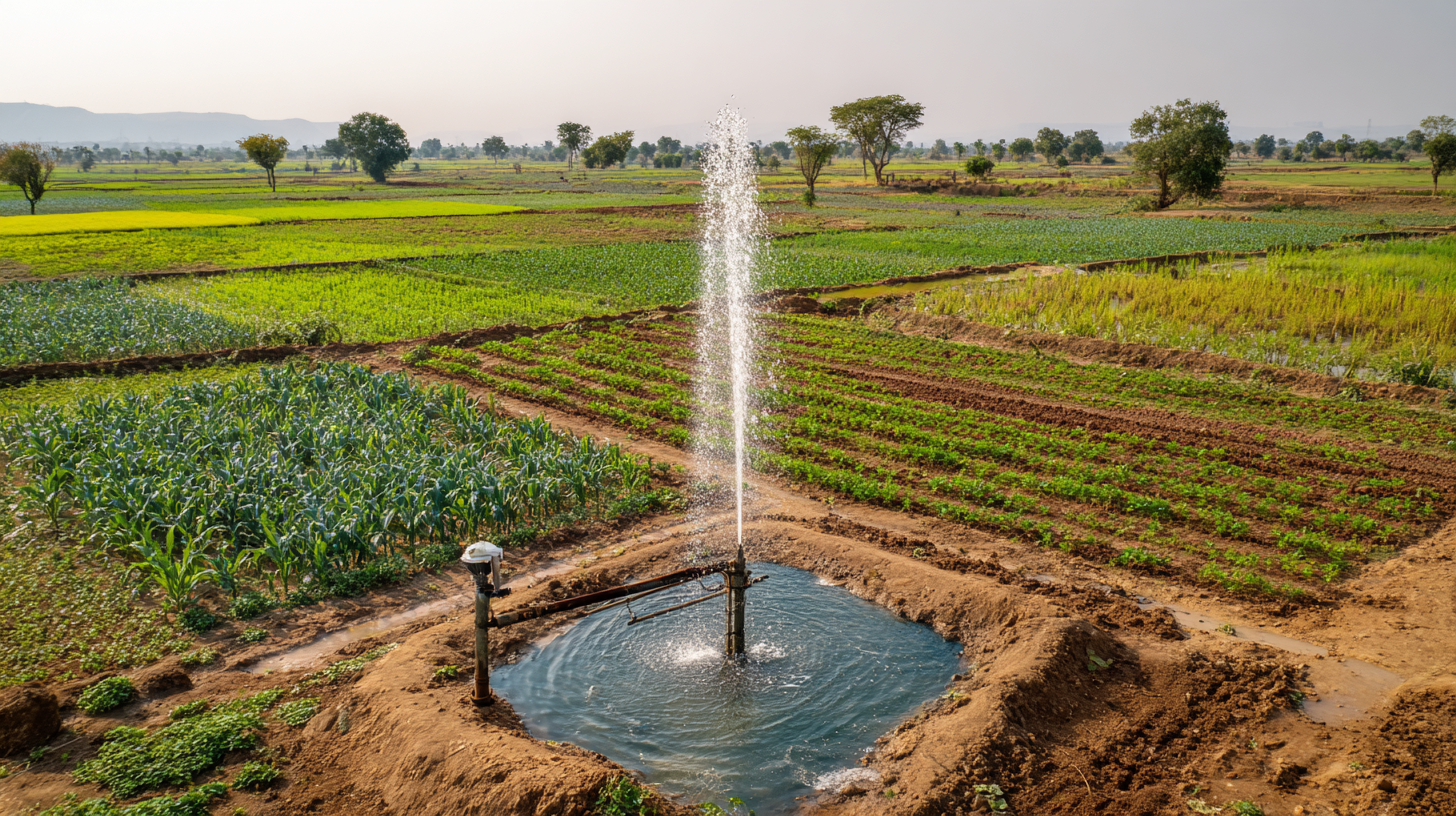
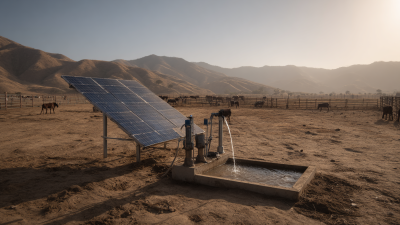
You know, as sustainable farming keeps catching on worldwide, more and more folks are turning to new tech like Solar Water Pumps for irrigation. Honestly, these innovations are game-changers—they help boost crop yields while also being kinder to our environment. I read somewhere that, according to the International Renewable Energy Agency (IRENA), switching to solar water pumping can make water use up to 80% more efficient. That’s huge! Plus, it cuts down on energy costs, which is a big win for farmers trying to keep expenses down. It’s pretty clear that solar tech is becoming a crucial part of the move toward better, more sustainable agriculture.
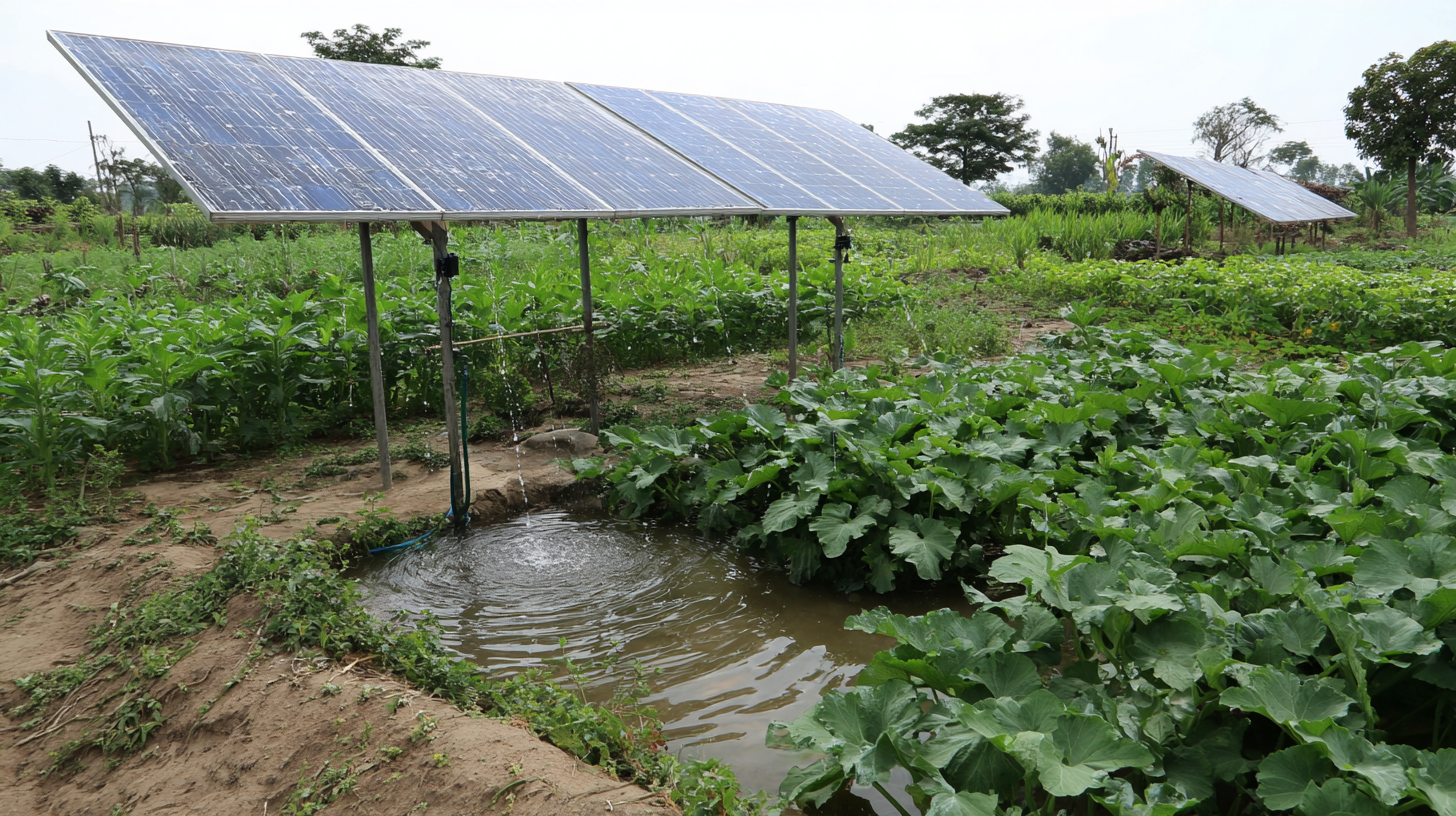
I remember Dr. Maria Thompson, an agricultural expert, mentioning that investing in solar water pumps isn’t just a passing trend. It’s more like an essential shift — a smart, sustainable way for farmers to manage their water without breaking the bank. It really hits home for companies like Zhejiang Rambo Intelligent Technology Co., Ltd. (ZRI), which has been in the game for over two decades. They’re all about providing top-notch water pump solutions—things like solar-powered, submersible, deep-well, and household pumps—helping farmers modernize their irrigation while staying eco-friendly. It's these kinds of efforts that really push us toward a greener future in farming.
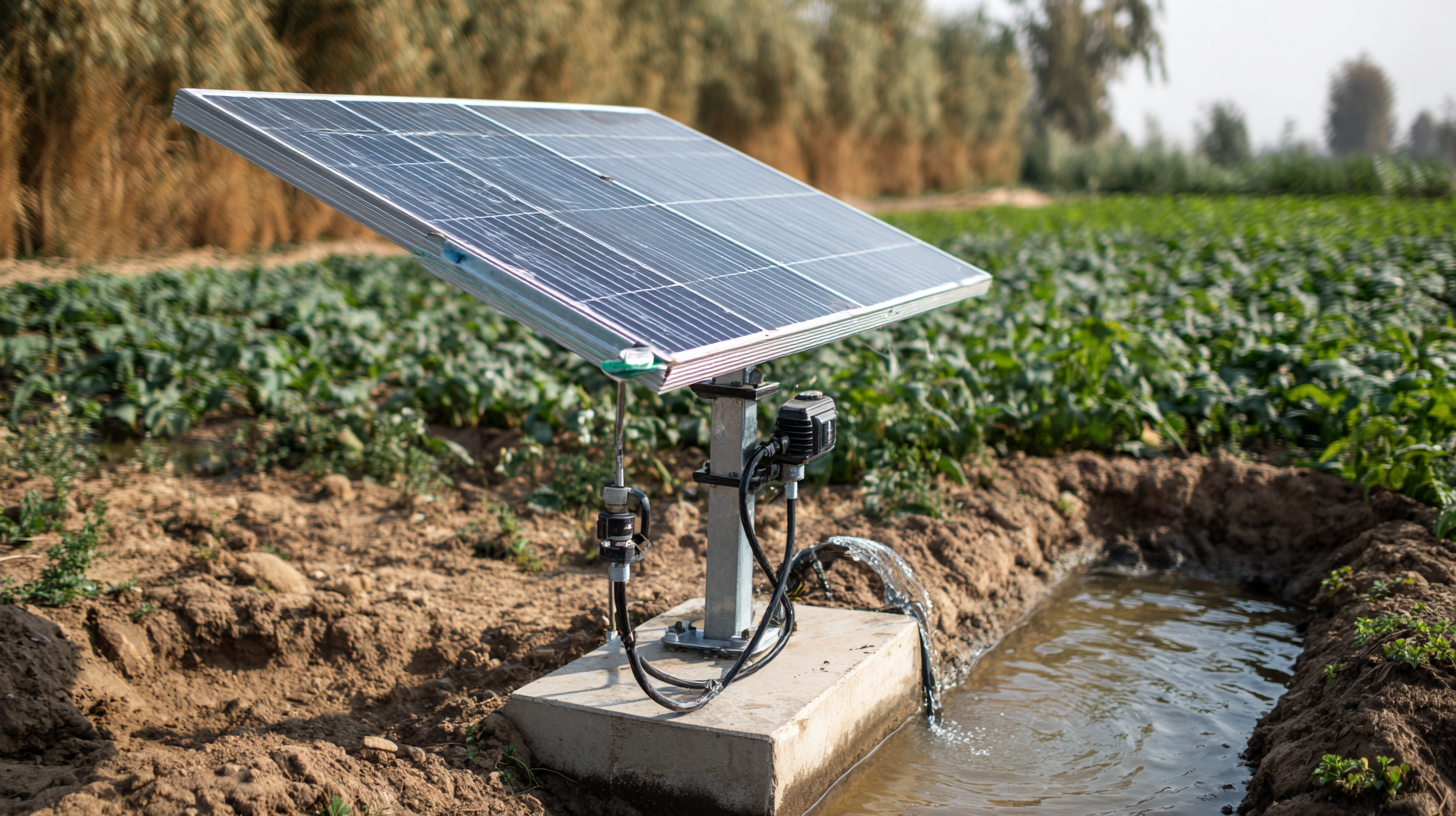
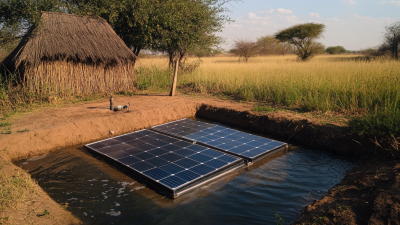
The integration of renewable energy, particularly solar power, into agricultural practices is transforming sustainable farming. Solar water pumps, which harness the sun's energy for irrigation, offer significant advantages, aligning with global trends towards cleaner energy sources. According to the recent white paper on energy development, promoting renewable energy in agriculture not only ensures a reliable water supply for crops but also reduces reliance on fossil fuels and decreases greenhouse gas emissions, essential steps in combatting climate change.
Furthermore, solar water pumps can enhance water management efficiency, crucial for regions facing water scarcity. They provide farmers with the ability to pump groundwater sustainably while minimizing operational costs. This aligns with the objectives outlined in international frameworks, such as the Beijing Action Plan from the China-Africa Cooperation Forum, which emphasizes the utilization of renewable energy to bolster agricultural productivity. The benefits of adopting solar solutions in farming not only contribute to ecological sustainability but also promote economic resilience for farmers in the long term.
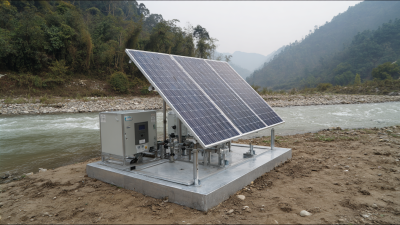
Harnessing solar energy has gained significant traction in recent years, particularly with the advent of innovative products like the S3PCB 3-Inch Solar-Powered Centrifugal Borehole Pump. This advanced pump is designed to operate efficiently in remote areas where access to electricity is limited, making it a sustainable solution for agricultural and water supply applications. According to a report by the International Renewable Energy Agency (IRENA), global photovoltaic (PV) capacity reached over 800 GW in 2020, showcasing the increasing reliance on solar technology.
The S3PCB pump stands out not only for its eco-friendly features but also for its remarkable efficiency in water extraction. With the capability to deliver water at varying flow rates depending on solar intensity, the pump operates optimally even on cloudy days. Research from the Renewable Energy World indicates that solar-powered pumps can save up to 70% on energy costs compared to traditional electric pumps. This cost-effectiveness, combined with low maintenance requirements, positions the S3PCB as a valuable investment for farmers and communities in need of reliable water management systems.
Moreover, the environmental impact of using solar energy is substantial. The U.S. Environmental Protection Agency (EPA) states that fossil fuel consumption can lead to greenhouse gas emissions. By switching to solar-powered solutions like the S3PCB centrifugal pump, users contribute to reducing their carbon footprint, thereby promoting a more sustainable future. The integration of innovative solar technology not only enhances energy security but also supports the growing trend towards renewable energy adoption across various sectors.
: The integration of renewable energy in agriculture, especially solar power, enhances sustainable farming by ensuring reliable water supply, reducing reliance on fossil fuels, and decreasing greenhouse gas emissions, which are crucial in combating climate change.
Solar water pumps enhance water management efficiency by allowing farmers to pump groundwater sustainably while minimizing operational costs, which is particularly beneficial in regions facing water scarcity.
The global green technology and sustainability market is projected to grow from $20.9 billion in 2024 to $100.26 billion by 2032, with a compound annual growth rate (CAGR) of 22.4%.
Solar energy solutions, such as solar water pumps, reduce reliance on non-renewable energy and optimize irrigation processes, which aligns with the Sustainable Development Goals related to resource management and environmental sustainability.
By adopting solar solutions, farmers can reduce operational costs and improve crop yields, which contributes to long-term economic resilience and sustainability in agricultural practices.
Solar technology helps mitigate the environmental impacts of traditional irrigation methods and promotes efficient water use, which is critical in addressing the challenges posed by climate change.
International frameworks like the Beijing Action Plan from the China-Africa Cooperation Forum emphasize the utilization of renewable energy to enhance agricultural productivity.
By optimizing irrigation processes and efficiently using resources, solar water pumps can lead to increased crop yields, thus improving agricultural productivity.
Solar energy plays a crucial role in sustainable farming practices by providing clean energy for irrigation, reducing environmental impact, and ensuring a steady water supply for crops.
The adoption of solar technology is vital for farmers as it addresses water scarcity, reduces energy costs, and supports eco-friendly farming practices, aligning with global trends towards sustainability.
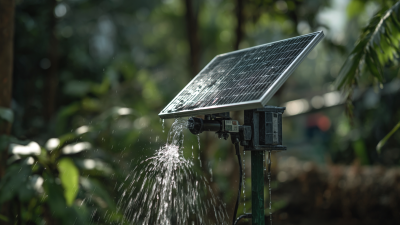
Solar water pumps for irrigation represent a revolutionary step towards sustainable farming practices. By harnessing renewable energy, these systems not only enhance cost efficiency but also minimize the environmental impact associated with traditional irrigation methods. The advantages of solar technology in agriculture include improved water management, which leads to better crop yields and increased resilience against climate challenges. Additionally, adopting solar-powered watering systems significantly reduces the carbon footprint of farming operations, aligning with global sustainability goals.
At Zhejiang Rambo Intelligent Technology Co., Ltd., we are committed to providing premium water pump solutions, including solar water pumps that cater to the evolving needs of sustainable agriculture. With over 20 years of experience, our expertise ensures that farmers can effectively integrate solar technology into their practices, thereby enhancing productivity while contributing to a healthier planet.




 Mr Youkee Kong