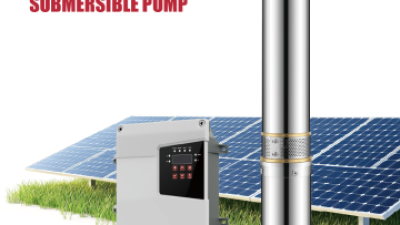
In today's fast-changing world of renewable energy, the Surface Solar Water Pump has really become a game-changer. Experts like Dr. James Hartman, who’s a big name in sustainable agriculture tech, highlight just how important it is. He once said, “Using solar power for water pumping opens up all kinds of new possibilities for sustainable farming around the globe.” This tech does more than just provide water; it also encourages environmentally friendly practices.
Basically, these solar-powered pumps are pretty efficient—taking water from different sources and cutting down on reliance on fossil fuels. Lots of farmers and local communities have shared that they’ve seen better productivity and saved a good chunk of money. Especially in areas where electricity is hard to come by, traditional water pumping often just doesn’t cut it, and that’s where these pumps really shine.
Of course, it’s not all smooth sailing. The upfront costs can be a bit steep, and proper maintenance is a must. Some folks have run into issues, especially when the weather gets really extreme, which can affect performance. As the industry matures, figure out how to address these hiccups will be super important. But overall, with new tech improvements and more people learning about it, the benefits of the Surface Solar Water Pump are pretty clear—it’s an exciting step forward.
Understanding Surface Solar Water Pumps: An Overview
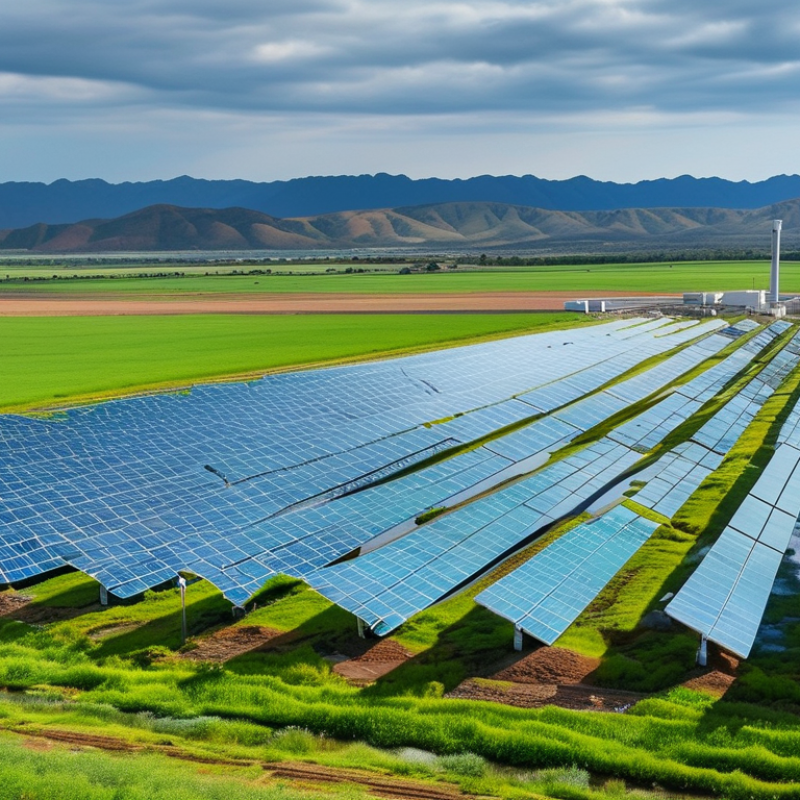
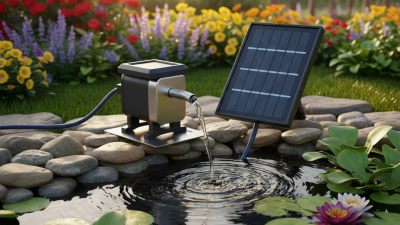
Surface Solar Water Pumps are becoming increasingly popular for their efficiency and sustainability. These systems harness sunlight to pump water from surface water sources. They operate without electricity, making them ideal for remote areas. Utilizing solar energy reduces operational costs and minimizes carbon emissions, which is crucial in today's climate-conscious society.
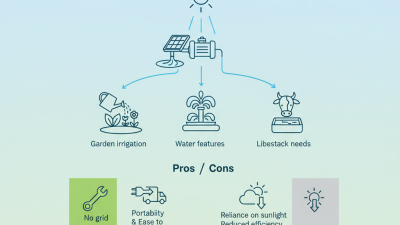
Many surface solar water pumps are designed to handle various applications. They can provide water for irrigation, livestock, and even domestic use. However, not all pumps are created equal. Buyers need to assess their specific needs carefully. Factors like flow rate and depth of water source can impact performance. Selecting the wrong system may lead to insufficient water supply.
Some users report challenges with installation and maintenance. Learning curves exist as users familiarize themselves with technology. It is important for buyers to remain patient and seek professional advice if needed. Overall, surface solar water pumps are an innovative solution for sustainable water management. With further education and research, buyers can make informed decisions.
Top Benefits of Surface Solar Water Pump for Global Buyers
| Benefit |
Description |
Suitable Applications |
Cost Efficiency |
| Energy Independence |
Reduces reliance on fossil fuels and grid electricity. |
Agriculture, Rural Water Supply |
Lower operational costs over time. |
| Environmental Benefits |
Minimizes carbon footprint and promotes sustainable practices. |
Irrigation, Eco-Friendly Projects |
Potential for government incentives and grants. |
| Low Maintenance |
Fewer moving parts leads to reduced wear and tear. |
Remote Locations, Farming Operations |
Saves on labor and repair costs. |
| Scalability |
Easy to expand capacity as needs grow. |
Large Scale Agricultural Projects |
Flexibility in investment. |
| Versatility |
Can be used for various water sources. |
Farms, Municipalities, Industrial Use |
Efficient use of available water resources. |
Key Advantages of Surface Solar Water Pumps for Buyers
Surface solar water pumps offer several advantages for global buyers. These pumps harness solar energy, making them eco-friendly. They can operate without electricity, which benefits remote areas. The installation process is often simple and cost-effective. Ease of maintenance is another key feature. Many buyers appreciate that these systems require less frequent servicing.
Cost savings are significant in the long term. Users can reduce their energy bills and operation costs. Furthermore, solar water pumps are versatile. They can be used for irrigation, livestock, and even in residential settings. However, potential buyers should consider geographic limitations. Not all areas receive sufficient sunlight year-round.
Reliability is another aspect that stands out. Solar water pumps can deliver consistent flow rates during sunny days. Yet, in regions with fluctuating weather, backup systems may be necessary. Buyers must weigh these factors before committing. Understanding local conditions is vital in ensuring optimal performance.
Cost Efficiency: Long-Term Savings with Solar Water Pumps
Solar water pumps are gaining popularity among global buyers. One of the standout advantages is cost efficiency. Data from the International Renewable Energy Agency indicates that solar water pumps can reduce operational costs by 50-90% compared to traditional systems. The initial investment might seem high, but the long-term savings are significant.
Using solar energy eliminates the need for electricity from the grid or costly fuel. According to a report by the World Bank, annual savings can reach thousands of dollars for agricultural users. This translates to a rapid return on investment. Moreover, solar technology has become more affordable, making it accessible to a wider audience.
Tips: Consider your specific needs before purchasing. Assess water requirements and local solar conditions. Maintenance is essential, but these pumps require less intervention than diesel systems. Regular checks can maximize efficiency and extend the lifespan. Remember that while these pumps are generally reliable, occasional failures occur. Ensure you have a plan for repairs, just in case.
Environmental Impact: Reducing Carbon Footprint with Solar Solutions
The shift toward solar water pumps is significant. Environmental awareness is rising. One potent benefit of surface solar water pumps is their ability to reduce carbon footprints. According to a report from the International Renewable Energy Agency (IRENA), global carbon dioxide emissions could be cut by over 70% by adopting renewable energy solutions like solar pumping systems.
Solar water pumps harness sunlight, providing a sustainable alternative to diesel-powered pumps. A study showed that solar solutions can reduce greenhouse gas emissions by approximately 89%, translating to cleaner air and a healthier environment. This approach benefits agriculture, particularly in remote areas where grid access is limited. Indeed, many
Solar Dc Surface Water Pump Manufacturers are increasingly focusing on this technology, leading to reduced operational costs and a more sustainable water management system.
While the benefits are clear, challenges remain. Initial costs for solar installations can be a barrier. Additionally, not all regions receive ample sunlight year-round, which may affect performance. Ongoing research is vital in developing more efficient technologies. In summary, while surface solar water pumps present a compelling case for environmental sustainability, there is room for further improvement and adjustment in global markets.
Ease of Maintenance: Simplifying Water Pump Management
When considering water management solutions, ease of maintenance stands out as a crucial factor. Surface solar water pumps offer significant advantages in this area. Users often find that these pumps require minimal upkeep compared to traditional options. This not only saves time but also cuts down on costs.
A High-Quality Solar Dc Surface Water Pump operates with fewer moving parts. Fewer components mean reduced chances of mechanical failure, leading to lower repair rates. Additionally, these pumps often incorporate durable materials that withstand harsh weather conditions. This longevity translates into extended service time and reliability.
However, some users may overlook certain maintenance aspects. Regular check-ups for debris or buildup in water sources should not be neglected. Cleaning solar panels periodically can enhance efficiency. Being proactive can prevent small issues from developing into major setbacks. Therefore, while maintenance is simpler, a bit of attention goes a long way.
Versatility: Applications of Surface Solar Water Pumps Worldwide
Surface solar water pumps are gaining popularity worldwide due to their versatility. These pumps are used in agriculture, livestock watering, and even in disaster recovery efforts. According to a report by MarketsandMarkets, the solar water pump market is projected to grow to $1.1 billion by 2027. This growth highlights the increasing need for reliable water solutions in diverse environments.
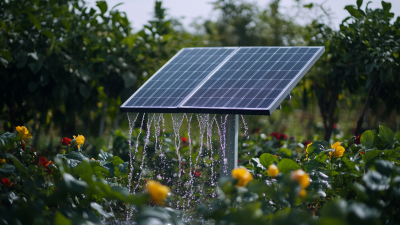
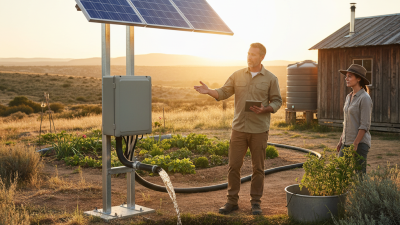
In agriculture, surface solar water pumps help farmers irrigate crops efficiently, especially in distant or remote areas. They can operate in locations where electricity is sparse or unavailable. The International Renewable Energy Agency (IRENA) emphasizes solar pumps as a crucial component for sustainable farming. These systems can reduce dependence on fossil fuels, cutting costs and improving crop yields.
However, challenges exist. Not all locations receive the same amount of sunlight. Variability in weather conditions can affect pump reliability. Furthermore, investing in solar technology may require upfront costs that some small farmers struggle to afford. Despite these drawbacks, the benefits frequently outweigh the challenges. Solutions from various Solar Dc Surface Water Pump Manufacturers are emerging, providing tailored options to meet different user needs across the globe. The potential for transformative impact remains significant.
Market Trends: The Future of Solar Water Pump Technology and Adoption
The future of solar water pump technology appears bright. According to a market research report by Mordor Intelligence, the global solar water pump market is projected to reach $3.1 billion by 2025, growing at a compound annual growth rate (CAGR) of 12.6%. This growth is driven by increasing demand for renewable energy solutions. Many regions suffer from water scarcity, making efficient solutions crucial.
Emerging technologies are changing how solar water pumps operate. For example, improved photovoltaic cells now convert sunlight into energy more efficiently. Recent advancements claim efficiency rates of over 20%. These strides have made solar water pumps accessible to a broader market. In 2020, nearly 30% of all solar water pumps sold were large-scale systems. However, many buyers still overlook smaller, decentralized pumping solutions.
Challenges still persist. Users often face installation hurdles and require specific training. Additionally, the initial investment can be a barrier for farmers in developing nations. While battery storage technology has improved, many systems still rely on intermittent sunlight. These factors highlight the need for better education and resources. Addressing these gaps can maximize the effectiveness of solar water pumping systems.
Unlocking Sustainable Water Solutions with the S4PCB 4-inch Solar-Powered Centrifugal Pump: Industry Insights and Innovations
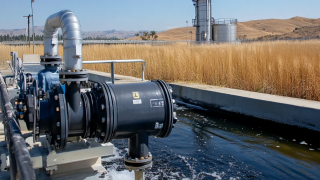
The S4PCB 4-inch Solar-Powered Centrifugal Pump represents a significant advancement in sustainable water solutions, addressing the growing need for efficient and eco-friendly pumping systems. This innovative technology harnesses solar energy, making it an excellent choice for areas with limited access to electrical power. By utilizing renewable energy, the S4PCB pump not only reduces operational costs but also minimizes the environmental impact, contributing to a greener future.
One of the key features of this solar-powered pump is its impressive capability to deliver consistent water flow in a variety of applications, from agricultural irrigation to household water supply. The centrifugal design ensures high efficiency and reliability, making it suitable for both residential and industrial use. With the increase in water scarcity globally, the introduction of such innovative solutions plays a critical role in promoting sustainable water management practices. Furthermore, the easy installation and low maintenance requirements of these pumps make them an attractive option for communities seeking to improve their water access.
As industries continue to face challenges related to climate change and resource management, the S4PCB 4-inch Solar-Powered Centrifugal Pump stands out as a beacon of innovation. By unlocking sustainable water solutions, it empowers users to take charge of their water needs while supporting broader environmental goals. This shift toward solar-powered technology not only addresses immediate water challenges but also aligns with global efforts to achieve energy sustainability and conservation.
FAQS
: They use solar energy, are eco-friendly, and operate independently of electricity, ideal for remote areas.
They can reduce operational costs by 50-90%, resulting in significant savings on energy bills over time.
Yes, they require minimal upkeep compared to traditional pumps. Yet, some maintenance tasks should not be neglected.
Not always. Geographic limitations affect performance. Areas with low sunlight may not support these systems effectively.
Assess your water needs, local solar conditions, and be aware of potential repair plans for occasional failures.
Generally reliable, they can provide consistent flow on sunny days. However, backup systems may be needed in variable weather.
Regular checks for debris and cleaning solar panels help maintain system efficiency and prolong lifespan.
The potential for significant cost savings and rapid return on investment makes them appealing for farming applications.
Some may forget to perform regular maintenance tasks, which can lead to preventable inefficiencies.
Solar technology has become more affordable, allowing a wider audience to benefit from these systems.
Conclusion
Surface Solar Water Pumps are becoming increasingly popular among global buyers due to their numerous benefits. These innovative systems harness solar energy to efficiently pump water, providing an environmentally friendly alternative to traditional methods. One of the key advantages is cost efficiency, as they offer long-term savings on energy costs, reducing reliance on fossil fuels. Additionally, by utilizing renewable energy, surface solar water pumps significantly lower the carbon footprint, contributing to a more sustainable future.
Ease of maintenance is another essential aspect, as these systems require minimal upkeep compared to conventional pumps. Their versatility allows for a wide range of applications across various sectors, from agriculture to domestic use, making them an attractive option for many buyers. As market trends indicate a growing adoption of solar technologies, surface solar water pumps are poised to play an increasingly vital role in addressing global water needs while promoting environmental sustainability.

 DC SOLAR SUBMERSIBLE PUMP
 AC/DC Solar submersible Pump
 DC Solar Surface Pump
 AC/DC solar surface Pump
 Solar swimming Pool Pump
 Built-in Controller Solar Pump
 Solar Pump inverter
 Pump Accessories



 Mr Youkee Kong