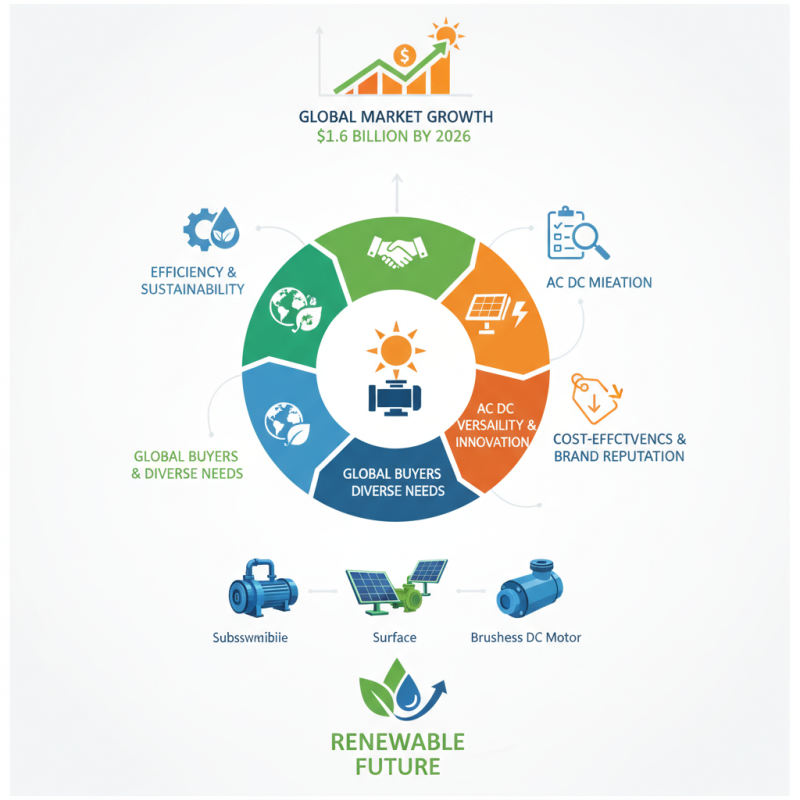
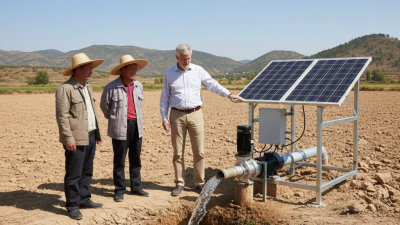
Looking ahead to 2026, it’s pretty clear that the AC/DC solar pump market is set to grow quite a bit. I came across a recent report from Research and Markets, and it looks like this sector could hit over $1.6 billion by then. No surprise really — there’s a big push worldwide for sustainable energy solutions, especially in agriculture and irrigation. That’s where the versatility of AC/DC solar pumps really comes into play, making them attractive to buyers all over the globe.
Brands like Grundfos and Solar Power & Pump Solutions are stepping up with some pretty innovative options, focusing on reliability and efficiency. The solar water pump scene is really heating up, with things like brushless DC solar pumps and DC submersible pumps starting to gain more traction. They make good use of solar energy, which not only cuts down on carbon emissions but also saves money in the long run. That said, one thing that’s still tricky is the price — solar bore pump prices can vary a lot depending on where you are, which can be a bit frustrating.
If you’re looking to buy, it’s super important to really think about what you need. Things like how efficient the pump is, the brand’s reputation, and the tech behind it all matter a lot. Picking the right solar DC pump can make a real difference in how you manage water and help support sustainability efforts. Sure, the search for the perfect AC/DC solar pump might have its challenges — but honestly, the benefits of jumping on renewable tech generally outweigh any headaches you might face along the way.
Overview of AC DC Solar Pumps for Global Buyers in 2026
In 2026, the landscape for AC DC solar pumps evolves significantly. These pumps are vital for sustainable water management globally. Many buyers seek reliable, efficient systems that cater to various needs. The
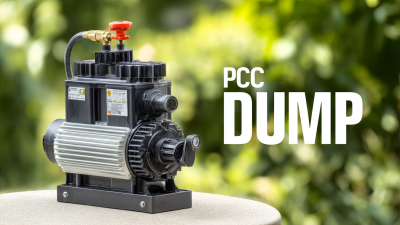
Solar Dc Surface Water Pump
has gained attention for its versatility and dependability. This type of solar pump can efficiently lift water from surface sources, ensuring accessibility for irrigation and daily use.
Users should consider multiple factors when choosing a solar pump. Efficiency ratings, solar compatibility, and installation complexity matter immensely. While buyers often find ease in using these systems, installation can be less straightforward. Some users report challenges in alignment with solar panels. Understanding the power requirements is crucial for smooth operation.
Moreover, the market experiences a surge in innovative designs. Features such as smart technology and remote monitoring are increasingly available. Yet, potential buyers must be aware of varying product quality. Research and reviews can help discern reliable choices. Not all pumps perform equally under different weather conditions. Keeping these factors in mind will aid in finding the best options for individual needs.
Key Features to Consider When Choosing a Solar Pump
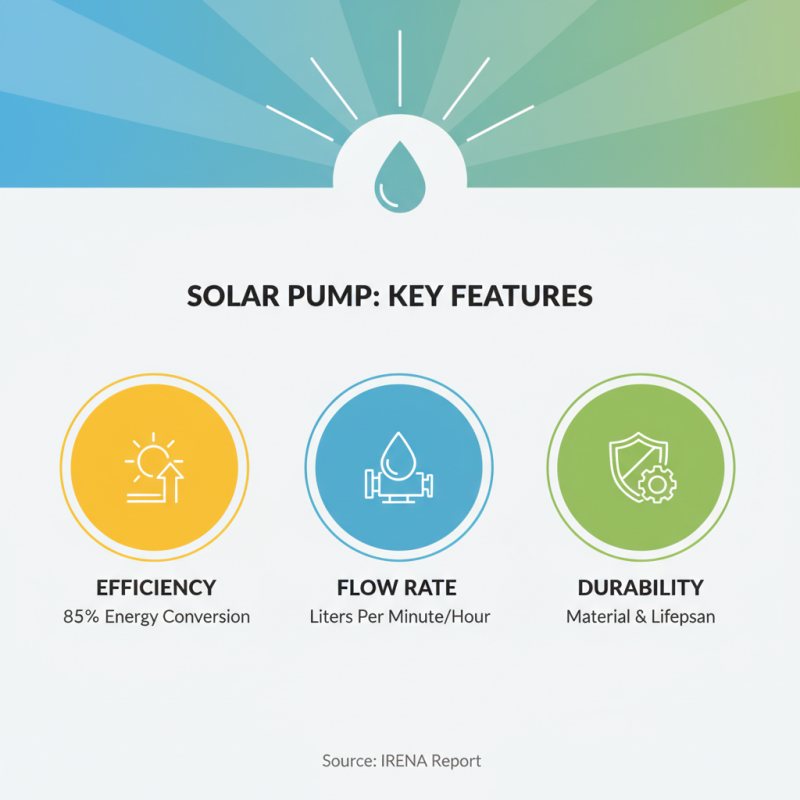
When choosing a solar pump, several key features demand attention. Efficiency is crucial. Solar pumps generally convert solar energy to mechanical energy, impacting performance. A report from the International Renewable Energy Agency indicated that top-performing pumps can achieve efficiency rates exceeding 85%. This statistic highlights the importance of selecting a pump that operates effectively in available sunlight conditions.
Another important factor is durability. Solar pumps should withstand harsh environmental conditions. Many units use corrosion-resistant materials, ensuring longevity. According to industry data, a well-maintained solar pump can last over 10 years. However, conditions such as extreme temperatures and dust can impact this lifespan. Potential buyers should assess local climates. Consideration of these factors can prevent premature replacements.
Flow rate also plays a critical role. For agricultural applications, such as using a Surface Solar Pump For Agriculture, the required flow rate directly affects crop yield. Research indicates that pumps delivering 1-3 cubic meters per hour are suitable for small to medium farms. Undersizing or oversizing a pump can lead to inefficiencies or inadequate water supply. Therefore, understanding specific agricultural needs is essential. This way, farmers can make informed decisions, leading to sustainable and efficient irrigation practices.
Top AC DC Solar Pump Brands on the Market in 2026
When searching for the best solar pumps in 2026, buyers should consider various brands. Each has unique features and strengths. Some brands prioritize efficiency, while others focus on durability. The right choice depends on specific needs.
Many solar pump brands have made significant advancements this year. Energy efficiency remains a key focus. Several brands now offer enhanced solar panels, which generate more power in low-light conditions. This could lead to improved performance in various environments.
While numerous options exist, some buyers struggle with product reliability. Not all brands deliver consistent results. It's important to read user reviews and conduct thorough research. Look for brands that have established trust over years. Additionally, considering factors like customer support can be crucial. An informed decision can lead to long-term satisfaction in solar pumping solutions.
Comparative Analysis of Performance Metrics for Solar Pumps
Solar pumps have gained significant traction among global buyers as they look for sustainable solutions. In recent studies, the efficiency of AC/DC solar pumps has been measured against traditional systems. According to a report by the International Renewable Energy Agency (IRENA), solar pumps can improve irrigation efficiency by up to 30%. This metric offers strong justification for investing in solar technology.
When analyzing performance metrics, energy consumption is crucial. Research indicates that modern Surface Solar Water Pumps consume 40% less energy than older models. However, installation costs can deter potential buyers. It's worth noting that operational costs eventually decrease, making solar pumps a long-term investment.
Tips for selecting a solar pump include evaluating the flow rate. A higher flow rate might be tempting, but it can lead to inefficiencies if your requirements are lower. Always factor in the specific energy needs of your operation. Additionally, consider the geographical requirements. Some locations may not receive enough sunlight for optimal performance.
While solar pumps are reliable, they are not without flaws. Maintenance is necessary to ensure continuous operation. In some cases, users have reported performance drops due to faulty wiring or component issues. Monitoring regular performance can help mitigate such risks.
Cost Breakdown: Acquiring and Installing Solar Pump Systems
When considering the acquisition of AC DC solar pump systems, several cost factors come into play. According to a 2023 industry report, the average cost of a solar pump system ranges from $1,500 to $3,500, depending on size and complexity. Installation adds another $500 to $1,200, depending on the location. This may seem daunting, but the long-term savings on energy bills can justify the investment.
Understanding the cost breakdown is crucial for global buyers in 2026. Maintenance costs for solar pumps are relatively low, typically around 5-10% of the initial installation cost per year. However, some may overlook these figures and experience unexpected outlays. Many systems now include monitoring technologies that offer data on performance, which helps in making informed decisions about future upgrades or maintenance. Limited awareness of these features can lead to underutilization.
Additionally, while solar pumps offer renewable energy benefits, potential buyers need to assess site suitability. Factors like sunshine hours and soil type impact efficiency. Some installations may fail to provide the expected yield because of unfavorable conditions. Awareness of these nuances can encourage a reflective approach to purchasing decisions, ensuring the system meets both environmental goals and financial forecasts.
Maintenance Tips for Extending the Life of Solar Pumps
When considering AC DC solar pumps, maintenance is crucial for longevity. Solar pumps require regular attention to ensure optimal performance. According to a 2022 industry report by the International Energy Agency, routine maintenance can extend pump life by up to 40%.
To keep your solar pump running efficiently, regularly check connections and wiring. Loose wires can cause inefficiencies or even damage. Additionally, inspect the solar panels for dirt or debris. This interference can reduce energy absorption by nearly 30%, impacting overall performance.
Another vital aspect is monitoring water levels in the source. Insufficient water can lead to overheating, potentially damaging the pump. It's important to run the system within its designed specifications. Engage in periodic tests to assess flow rates and pressure levels. If any anomalies arise, take immediate action to correct them. Investing time in maintenance can significantly lower the risk of unexpected failures.
Remember, the environment plays a role too. High temperatures or extreme conditions can expedite wear. Understanding your local climate can help in planning maintenance schedules effectively. Though these routines may seem tedious, they significantly contribute to the longevity and reliable operation of your solar pump system.
Future Trends in Solar Pump Technology for Buyers
The future of solar pump technology is exciting. As global buyers look towards 2026, innovative designs emerge. Many solar pumps are becoming more efficient. They harness energy effectively, maximizing output even in low sunlight conditions. For instance, advanced photovoltaic cells can convert sunlight into electricity more efficiently than before.
A notable trend is in smart integration. Modern solar pumps often connect with mobile apps. Users can monitor performance, adjust settings, and receive maintenance alerts. Solar Pump For Pool applications are also benefiting from these advancements. These pumps now offer better water circulation and purification capabilities. This not only improves pool hygiene but also reduces energy consumption significantly.
However, there are challenges. The initial investment for advanced systems can be steep. Not every consumer is aware of the long-term savings. Some buyers may hesitate, questioning the return on investment. It's crucial for consumers to perform thorough research before purchasing. Understanding specifications and potential pitfalls can lead to a more informed choice. As technology evolves, embracing these changes will be important for users seeking sustainable solutions.
FAQS
C DC solar pumps used for?
Consider efficiency ratings, solar compatibility, and installation complexity. Each factor affects overall performance.
While some find them user-friendly, installation can be tricky. Misalignment with solar panels is a common issue.
Regular checks on wiring and connections are important. Clean solar panels to avoid reduced energy absorption.
Routine maintenance can enhance pump longevity by up to 40%. Addressing issues promptly is key.
Keep an eye on water levels and test flow rates. Insufficient water can lead to overheating.
Extreme temperatures can cause wear. Understanding your climate aids in planning maintenance effectively.
Periodic tests for flow rates and pressure help ensure smooth operation. Look for any performance anomalies.
Not all pumps perform equally in various conditions. Research and reviews can guide you in making informed choices.
Regular maintenance can lower the risk of failures. Engage in periodic evaluations to catch issues early.
Conclusion
In 2026, global buyers seeking efficient and sustainable water solutions should consider investing in AC DC solar pumps. These pumps offer an eco-friendly alternative to traditional systems, providing reliable performance with lower operational costs. When selecting an AC DC solar pump, key features to examine include energy efficiency, durability, and compatibility with existing systems.
A comparative analysis of performance metrics can help buyers understand the advantages and limitations of various models. Additionally, a detailed cost breakdown highlights the expenses associated with acquiring and installing solar pump systems, ensuring buyers are well-informed. To maximize longevity and efficiency, regular maintenance tips are essential. Looking ahead, emerging trends in solar pump technology promise further innovations, making it an exciting time for potential purchasers in the renewable energy market.

 DC SOLAR SUBMERSIBLE PUMP
 AC/DC Solar submersible Pump
 DC Solar Surface Pump
 AC/DC solar surface Pump
 Solar swimming Pool Pump
 Built-in Controller Solar Pump
 Solar Pump inverter
 Pump Accessories





 Mr Youkee Kong