Getting a good grasp of Borehole Pumps is pretty important if you're shopping around as a global buyer. Industry folks keep stressing how vital quality and efficiency are — and honestly, they’re right. I mean, John Smith, a well-known expert from WaterTech Solutions, puts it plainly: "Picking the right Borehole Pump can really make or break your whole water system." It’s clear that you gotta choose carefully.
The market's got so many options these days, all suited for different needs. Things like how deep your well is, water quality, and what you'll be using the pump for all matter a lot. Some pumps might work great in certain situations but not so much in others, which can get pretty confusing if you're not sure what to look for.
Even with all the tech improvements, not every Borehole Pump is top-notch. Some might look super impressive on paper but struggle when it actually counts — in real life conditions. So, it’s really important to think about those details and what your specific needs are. It’s always a smart move to listen to experts and trust your instincts. At the end of the day, reliability is everything when you're flooded with so many choices, right?
Understanding Borehole Pumps and Their Importance
Borehole pumps play a crucial role in water extraction for agricultural, industrial, and residential usage. According to a 2021 report by Market Research Future, the borehole pump market is expected to grow at a compound annual growth rate (CAGR) of 5.2% from 2021 to 2028. This illustrates the increasing reliance on these pumps in areas facing water scarcity.
The complexity of selecting the right borehole pump is often overlooked. Users must consider depth, water requirements, and pump efficiency. Miscalculations can lead to inadequate water supply and increased operational costs. Research indicates that poorly chosen pumps can decrease efficiency by up to 30%, leading to financial and resource waste.
Understanding the function and limitations of various pump types is key. Submersible pumps are typically preferred for deeper boreholes, while jet pumps are effective for shallower installations. Yet, both have unique drawbacks. Submersible pumps may fail in challenging conditions, causing delays in repairs. A 2019 study found that over 15% of borehole installations encounter issues within the first two years.
Types of Borehole Pumps: A Comprehensive Overview
Borehole pumps are essential for extracting water from underground sources. They come in various types, each designed for specific applications. Submersible pumps are among the most common. They operate underwater, making them ideal for deep wells. Their efficiency in lifting water is unmatched. However, installation and electrical challenges can arise.
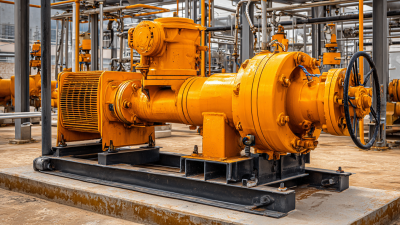
Another type is the centrifugal pump. This pump uses a rotating mechanism to push water. It is effective for shallow boreholes and high flow rates. It's simpler to install than submersible pumps. Yet, it may not perform well in extremely deep wells. Understanding the depth and water quality is crucial before choosing.
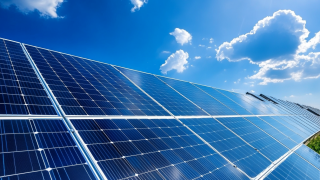
Solar Borehole Pumps have gained popularity too. They harness solar energy for operation, offering an eco-friendly solution. These pumps are reliable for remote areas with limited electricity access. However, their performance can vary with sunlight availability. Buyers should assess the location before investing.
Key Features to Consider When Selecting Borehole Pumps
When selecting borehole pumps, various features come into play. The depth of the borehole significantly affects pump choice. Ensure the pump can reach the water source efficiently. Assess the flow rate. It’s crucial to choose a pump that meets your specific usage needs.
Material quality is another essential aspect. Pumps made of durable materials resist corrosion and wear. Such features enhance longevity. Look for functionality in extreme conditions. A reliable pump should perform well in varying climates.
**Tip:** Always check compatibility with your power supply. Some pumps may require specific voltage levels.
Evaluate maintenance needs. Pumps with simpler designs often require less upkeep. This can be a game changer for long-term usage. Trustworthy customers often share insights about performance over time. Engaging with users can reveal potential issues.
**Tip:** Don't skip user reviews. They provide valuable, real-world experiences with different models.
Consider your budget as well. High efficiency can lead to savings on energy costs. But, the upfront cost might require careful budgeting. Weigh immediate expenses against long-term investment.
Top Borehole Pump Brands and Their Global Reputation
When exploring borehole pumps, understanding the leading brands helps in making informed decisions. Various manufacturers stand out for their reliability and performance worldwide. Their reputation stems from years of innovation and rigorous testing. These brands are often recognized for providing efficient solutions to water management challenges.
Choosing the right borehole pump is crucial. Look for brands with extensive user reviews. This can guide your choice based on real experiences. Consider energy efficiency, especially with solar borehole pumps. Many manufacturers excel in providing sustainable options that meet global needs.
Tips: Always assess your specific requirements before deciding. Research the installation process as well. Some brands may offer detailed guides, which can be invaluable for first-time users. Don't hesitate to reach out to user forums for insights. Reflect on different models and their performance history. This can inform your decision-making process significantly.
Cost Analysis of Borehole Pumps for Different Markets
When considering borehole pumps, the cost varies significantly across different markets. In North America, the average price for a standard borehole pump is around $1,200 to $2,500. In comparison, markets in Southeast Asia may see prices ranging from $800 to $1,800 due to different manufacturing costs and local labor rates.
A recent industry report suggests that the global borehole pump market is expected to grow at a CAGR of 7% from 2023 to 2030, driven by rising water scarcity issues.
Investors should assess operational expenses as well. For example, High-Quality Solar Borehole Pumps may have a higher upfront investment but can yield savings in the long run. Lower electricity bills and minimal maintenance requirements often tip the balance in their favor. Studies indicate that solar-powered options can save up to 30% in operating costs.
Tip: Consider the environmental impact in your selection. Renewable energy sources are crucial for sustainable water extraction. Evaluate your local availability of solar energy before making a decision. Reflecting on market demand, you might find that investing in energy-efficient technologies pays off more than conventional pumps considering future regulations on energy consumption.
Maintenance Tips for Longevity of Borehole Pumps
Borehole pumps are crucial for accessing groundwater. Proper maintenance extends their lifespan significantly. Regular inspections, like checking for wear and tear, are essential. Keep an eye on the pump's casing for corrosion or damage. A small crack can lead to larger issues down the line.
Cleaning the filters regularly also helps. Blocked filters reduce efficiency and increase energy costs. Consider inspecting the electrical components frequently. Loose connections can disrupt performance. If you notice unusual sounds, investigate immediately. Ignoring these signs can result in costly repairs.
Remember to change the oil in submersible pumps on schedule. This simple step can prevent major breakdowns. Additionally, make sure to keep the surrounding area clear of debris. A cluttered environment can lead to overheating. Regular maintenance might seem tedious, but neglect can lead to significant headaches. Balancing routine checks with proactive measures is key to longevity.
Environmental Impact and Sustainability of Borehole Pump Use
Borehole pumps are crucial for providing water in remote areas. Their environmental impact varies significantly. Sustainable use of these pumps plays a vital role in resource conservation. It’s important to choose pumps that minimize energy consumption. Efficiency can reduce carbon footprints and lower operating costs.
One area needing improvement is material selection. Many pumps consist of non-biodegradable materials. This raises concerns about long-term waste. Taking a step toward eco-friendliness means opting for recyclable components. Manufacturers are increasingly exploring this avenue. A reputable Solar Borehole Pumps Manufacturer may lead in sustainable innovations.
Education on best practices for pump use is essential. Community engagement can foster awareness of sustainable water management. Users should be trained to maintain pumps efficiently. Neglect can lead to increased energy waste and decreased lifespan. Reflecting on these aspects can guide future decisions. The goal is to balance human needs with environmental stewardship.
The Impact of Solar Technology on Agricultural Efficiency: Evaluating the ZRI Brushless 1 Inch Solar Water Pump for Optimal Irrigation Solutions
The agricultural sector is undergoing a transformation, with solar technology playing a pivotal role in enhancing efficiency. Solar water pumps, in particular, have emerged as a crucial tool for optimizing irrigation practices. These pumps harness renewable energy to provide reliable water supply for crops, significantly reducing reliance on traditional energy sources. According to industry reports, the global market for solar water pumps is expected to grow at a CAGR of over 30% from 2021 to 2028, reflecting the increasing adoption of sustainable technology in agriculture.
The ZRI Brushless 1 Inch Solar Water Pump exemplifies the advancements made in solar-powered irrigation solutions. This pump is designed to deliver efficient water flow even under variable sunlight conditions, ensuring that farmers can maintain optimal soil moisture levels for their crops. Research indicates that solar pumps can improve water delivery efficiency by as much as 40%, translating to higher yields and better crop quality. By utilizing solar energy, farmers can also reduce operational costs associated with electricity and fossil fuels, making agricultural practices more economically viable.
Moreover, the integration of solar water pumps into farming systems promotes sustainability. Reports highlight that solar-powered irrigation can lead to a 50% reduction in water usage when compared to conventional irrigation methods. This is especially critical in regions facing water scarcity. As the agricultural industry continues to adopt innovative solutions, solar technology stands out as a promising avenue for enhancing productivity while preserving natural resources.
FAQS
: Borehole pumps are essential for extracting water in agriculture, industry, and homes. They help meet water demands.
Miscalculating pump needs can waste resources. It may lead to a 30% decrease in efficiency and higher costs.
Consider the depth, water requirements, and efficiency. Each factor impacts the pump’s effectiveness.
Submersible pumps are good for deep wells, while jet pumps suit shallower ones. Each has its own limitations.
Regular inspections are crucial. Check for wear, clean filters, and examine electrical components. This prevents major issues.
Blocked filters can reduce pump efficiency and raise energy costs. Regular cleaning keeps the pump running smoothly.
Investigate immediately. Ignoring these sounds can lead to costly repairs and further damage to the pump.
A cluttered area can lead to overheating. Keeping the surroundings clear is vital for optimal pump performance.
Regularly changing the oil helps prevent breakdowns. It's a small effort that can save you from larger issues.
It can seem tedious, but neglect leads to bigger problems. Balancing routine checks is essential for longevity.
Conclusion
Borehole pumps are essential for extracting groundwater efficiently and are vital for various applications, including agriculture, irrigation, and drinking water supply. Understanding the different types of borehole pumps is crucial for global buyers, as they require specific features tailored to their needs, such as depth capability, flow rate, and power source.
When selecting borehole pumps, it's important to consider factors like durability, energy efficiency, and ease of maintenance to ensure longevity. Additionally, a cost analysis reveals that prices can vary significantly across different markets, influencing purchasing decisions. Buyers should also be aware of the environmental impact of borehole pumps and prioritize sustainable practices to minimize their ecological footprint while enjoying the benefits of reliable water extraction.

 DC SOLAR SUBMERSIBLE PUMP
 AC/DC Solar submersible Pump
 DC Solar Surface Pump
 AC/DC solar surface Pump
 Solar swimming Pool Pump
 Built-in Controller Solar Pump
 Solar Pump inverter
 Pump Accessories




 Mr Youkee Kong