With more folks looking for eco-friendly solutions these days, the Solar Aeration Pump scene is really moving fast. Experts like Dr. Emily Harwood from Aqua Innovations highlight how important it is to go sustainable. She’s quoted saying, "Investing in solar tech can boost water quality and help cut down on energy bills."
Come 2026, people will be on the hunt for the best Solar Aeration Pump to keep their ponds and water systems in check. But honestly? Picking the right one isn’t exactly a walk in the park. With so many options out there, it’s easy to get lost in a sea of technical specs and features that sometimes make your head spin.
Switching to solar-powered gear isn’t just good for the planet — it can also make your water management way more efficient. Still, it’s super important to understand the pros and cons. Not every Solar Aeration Pump is gonna fit your needs perfectly. Things like where you live, your budget, and your specific water conditions all come into play. Taking a moment to think about these factors can really help you make smarter, more sustainable choices when it comes to aeration solutions.
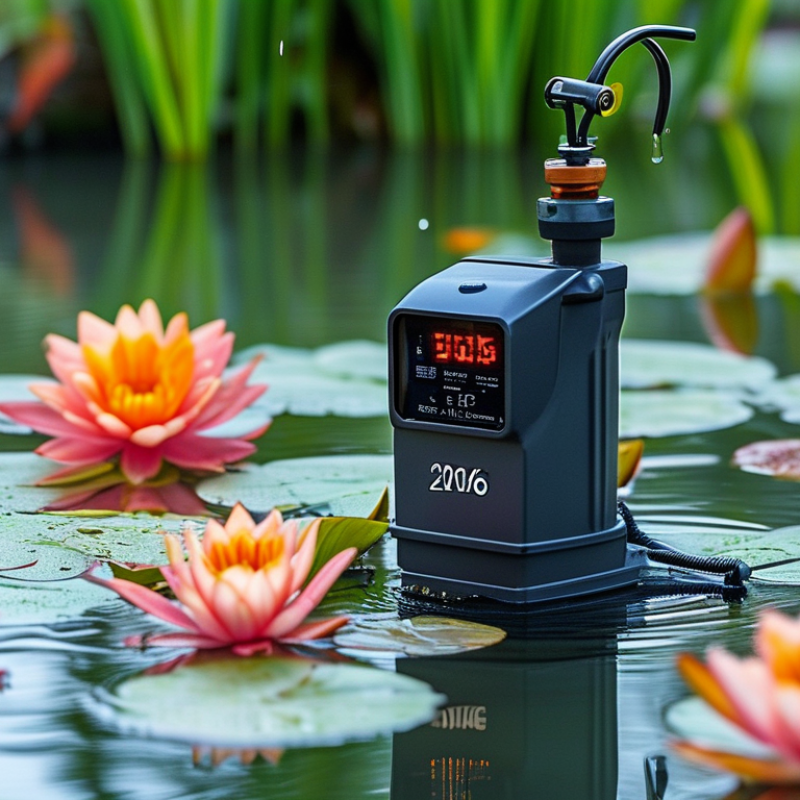
Understanding Solar Aeration Pumps: An Overview
Solar aeration pumps are vital for maintaining healthy aquatic ecosystems. They facilitate oxygenation in water bodies, supporting fish and plant life. According to industry reports, aquaculture represents a significant sector where these pumps are increasingly adopted. Over 70% of aquaculture farms are now using solar aeration pumps due to their efficiency and sustainability.
When considering solar aeration pumps, efficiency is key. Look for models that can provide at least 1 liter per minute of airflow. This ensures optimal oxygenation rates. Many professionals recommend choosing products from reputable Solar Aeration Pump Manufacturers. Such manufacturers typically adhere to strict performance standards, ensuring reliability.
Tips for usage include positioning the pump in a sunny location to maximize performance. Regular maintenance is also crucial for longevity. It’s important to monitor the pump for blockages or wear. Systems based on solar technology are not infallible; sometimes, cloudy weather can affect performance. Understand your local climate patterns to foresee potential challenges. Each environment is unique, making it essential to evaluate your specific needs carefully.
Key Factors to Consider When Choosing a Solar Aeration Pump
Choosing the right solar aeration pump requires careful consideration. Start by assessing the size of your pond or water body. A larger area may need a more powerful pump. Check the flow rate as well. This determines how efficiently the pump can circulate water. An optimal flow rate keeps oxygen levels stable.
Next, consider the pump's solar panel capabilities. Different models come with varying panel sizes and wattages. A larger panel can harness more sunlight, especially in shaded areas. Durability is crucial too. Look for materials that can withstand harsh weather. Pumps often face wear from UV rays and extreme temperatures.
Lastly, think about maintenance ease. Some pumps are easier to clean and service than others. Opting for a user-friendly design saves time and effort. While premium features may seem appealing, ensure they suit your needs. Reflect on what you require versus what is offered. Balancing functionality and affordability is key.
Top Features of High-Quality Solar Aeration Pumps
When looking for the best solar aeration pump in 2026, consider key features. High-quality models should be robust and efficient. Look for pumps with powerful solar panels. They should harness maximum sunlight for optimal performance. An adjustable flow rate is essential. This feature allows customization based on your specific needs.
Tips: Consider the size of your pond or water feature. Larger areas may need more powerful pumps. Solar aeration pumps should be weather-resistant. Durability is key to ensuring long-term operation. Lightweight designs are easier to install and maintain.
Performance is important, yet efficiency cannot be overlooked. Ensure that the pump uses minimal energy for maximum output. Look for models with a good warranty. This indicates confidence in the product’s reliability. Finally, seek user reviews for real-life experiences. They can provide insights that specifications often miss.
Comparison of Popular Solar Aeration Pump Models for 2026
Solar aeration pumps are gaining popularity for their eco-friendly benefits. In 2026, numerous models are available, each designed to enhance water quality. These pumps utilize solar energy, making them cost-effective and easy to operate. When comparing different models, consider their airflow rate, battery capacity, and durability.
Tips: Look for models with adjustable airflow settings. A device that allows you to control the output can be more versatile. Check for reviews from users to gauge reliability and performance.
Many users appreciate solar aeration pumps for their quiet operation. However, some may find them less effective during cloudy days. It's crucial to assess your local weather patterns before making a decision. The efficiency of these pumps can vary significantly based on sunlight availability.
Tips: Always consider the size of your pond or water feature before purchasing a pump. A larger area typically requires a more powerful model. Monitoring your water quality can also help you determine which model works best over time.
Maintenance Tips for Maximizing Solar Aeration Pump Efficiency
Maintaining a solar aeration pump is crucial for optimal performance. Regularly check the solar panels for debris. Dust, leaves, or snow can block sunlight. Keep the area around the pump clear to ensure it receives maximum sunlight. Sunlight is vital for efficient energy conversion. If the panels are shaded, the pump's output will decrease.
Water quality is another important factor. Test the water regularly for chemicals or toxins. High levels of algae or pollutants can strain the aeration pump. Ensure that the water's pH level is balanced. This proactive approach helps prevent potential failures.
Regularly inspect the pump's components. Look for any signs of wear or damage. Replace worn-out parts promptly to avoid more significant issues later. Consider consulting with a Solar Aeration Pump Manufacturer for expert advice on maintaining your system. Proper care ensures the longevity and reliability of the pump, ultimately enhancing the health of your aquatic environment.
Best Solar Aeration Pump for Your Needs in 2026? - Maintenance Tips for Maximizing Solar Aeration Pump Efficiency
| Pump Model |
Max Air Capacity (CFM) |
Solar Panel Wattage |
Battery Backup |
Weight (lbs) |
Average Price ($) |
| Model A |
2.5 |
20 |
Yes |
5.0 |
150 |
| Model B |
3.0 |
30 |
No |
6.5 |
200 |
| Model C |
2.0 |
25 |
Yes |
4.0 |
120 |
| Model D |
3.5 |
40 |
Yes |
7.0 |
250 |
Cost Analysis: Budgeting for a Solar Aeration Pump
When considering a solar aeration pump, budgeting is crucial. A
High-Quality Solar Aeration Pump
typically ranges from $200 to $800. This price can vary based on features and specifications.
Think about your specific needs. Are you aerating a small pond or a larger body of water? Your choice will impact the cost.
Tips: Research different models and read customer reviews. Understanding the benefits and drawbacks of each can aid your decision.
You might find that spending more upfront saves money in maintenance down the line.
Another consideration is installation costs. Some models require professional installation, which adds to your budget. If you're handy,
you could save by installing it yourself. However, ensure you follow proper guidelines. Poor installation can lead to inefficiency and even damage.
Ultimately, reflect on your needs and budget carefully. Finding the perfect balance can lead to a successful investment in a
solar aeration pump that meets your expectations.
Future Trends in Solar Aeration Pump Technology and Innovation
As we look toward 2026, the evolution of solar aeration pump technology continues to gain momentum. Innovations focus on improving efficiency and sustainability. Advanced solar panels now offer higher energy conversion rates, enabling pumps to operate effectively even in low sunlight conditions. This adaptability is crucial for environments where traditional power sources are unreliable.
Additionally, the integration of smart technology enhances usability. Remote monitoring systems allow users to track performance metrics in real-time. This feature not only aids maintenance but also helps optimize aeration based on specific needs. Data collected can inform decisions about water quality and energy consumption. However, reliance on technology raises questions regarding data security and user privacy.
Solar Aeration Pump Factories are adapting to these trends. They are implementing advanced manufacturing techniques, such as 3D printing, to customize components quickly. This flexibility can meet diverse customer demands but may also lead to inconsistencies in quality. As the industry evolves, manufacturers must balance innovation with reliability, ensuring that new solutions do not compromise efficacy. It's essential to stay informed about these advancements and reflect on their implications for the eco-friendly technology landscape.
Best Solar Aeration Pump Performance Comparison (2026)
Maximizing Efficiency and Sustainability with the 3 Inch DC Plastic Impeller Deep Well Solar Water Pump
Maximizing efficiency and sustainability is crucial in today's environmentally conscious world, particularly in the realm of water pumping solutions. The 3-inch DC plastic impeller deep well solar water pump stands out as an exemplary model that embraces this philosophy. Powered by photovoltaic panels, these pumps harness solar energy, converting it into electrical power to drive the pump effectively. This innovative approach not only reduces reliance on fossil fuels but also significantly lowers operating costs in the long run.
According to a recent industry report by the International Renewable Energy Agency (IRENA), the adoption of solar-powered water pumps can lead to energy savings of up to 80% compared to traditional electric pumps. This is particularly beneficial in rural or remote areas where electricity access is limited or unreliable. Additionally, solar water pumps contribute to sustainable water management practices by providing a consistent water supply for agricultural irrigation, drinking water, and domestic use, all while minimizing carbon footprints.
Furthermore, the design of the 3-inch DC plastic impeller enhances durability and efficiency. These pumps are specifically engineered to operate in deep well applications, optimizing performance even in challenging conditions. Data from the U.S. Department of Agriculture indicates that solar-powered systems can improve water pumping efficiency by up to 30%, making them a smart investment for both economic stability and environmental sustainability. By investing in such technology, we are paving the way for a more sustainable future while meeting the growing demand for efficient water resource management.
FAQS
: They are essential for oxygenating water bodies, supporting aquatic ecosystems like fish and plants.
Assess your water body size, required flow rate, and desired solar panel capabilities.
An efficient pump keeps oxygen levels stable, vital for the health of aquatic life.
Sunlight availability, water quality, and pump maintenance significantly influence their efficiency.
Regularly check for debris on solar panels and inspect the pump for wear or damage.
Yes, cloudy weather can reduce performance and necessitate awareness of local climate patterns.
Look for materials that resist UV rays and extreme temperatures to prolong the pump's life.
Regularly test for chemicals or toxins to ensure the water remains healthy for aquatic life.
Yes, proper maintenance can significantly enhance the pump's longevity and reliability.
Reflect on your actual needs versus premium offerings; balance functionality with affordability.
Conclusion
The article "Best Solar Aeration Pump for Your Needs in 2026?" provides a comprehensive overview of solar aeration pumps, highlighting their importance in various applications such as pond and tank aeration. Key factors to consider when choosing a solar aeration pump include efficiency, durability, and the availability of features like adjustable flow rates. The article also delves into the essential features of high-quality solar aeration pumps, emphasizing aspects such as solar panel capacity and energy management systems.
In addition to comparing popular models for 2026, the article offers valuable maintenance tips to ensure the longevity and efficiency of your solar aeration pump. A cost analysis is included to help potential buyers budget effectively for their investments in aeration technology. Lastly, the discussion on future trends in solar aeration pump technology sheds light on innovations that could enhance the performance and sustainability of these systems, making them increasingly vital for eco-friendly solutions.

 DC SOLAR SUBMERSIBLE PUMP
 AC/DC Solar submersible Pump
 DC Solar Surface Pump
 AC/DC solar surface Pump
 Solar swimming Pool Pump
 Built-in Controller Solar Pump
 Solar Pump inverter
 Pump Accessories



 Mr Youkee Kong