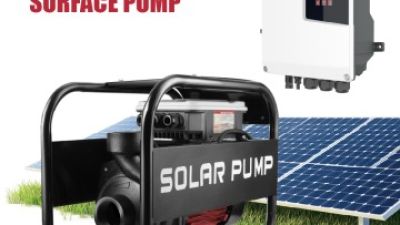
Efficient irrigation really is a cornerstone of sustainable farming these days. With everyone pushing towards renewable energy sources, it's no surprise that solar pump systems are catching on fast. They’re a pretty neat way to water crops — cleaner and often way cheaper to run than traditional fuel-powered pumps. I mean, according to IRENA, switching to solar water pumping can cut energy costs by up to 90%! That’s a game-changer, right?
Many farmers are now seriously considering solar-powered water pumps these days. These systems make it much easier to tap into underground water sources without breaking the bank or causing a lot of fuss. The market for solar bore pumps has been booming — and the prices for the popular DC screw type remain pretty competitive. Studies suggest that brushless DC solar water pumps tend to be more efficient and tend to last longer too, which makes them a smarter choice overall.
Of course, it’s not all sunshine and rainbows. There are some hurdles, like the initial installation costs, which might be a bit daunting for smaller farms. Plus, since solar energy depends on the weather, you need to plan carefully to make sure everything works smoothly. Working with reliable manufacturers, like Grundfos or SunCulture, really makes a difference in how well your solar submersible pump will perform. Putting in good quality equipment definitely helps improve irrigation results. But at the end of the day, choosing the right gear is super important if you want your farming to be sustainable and successful.
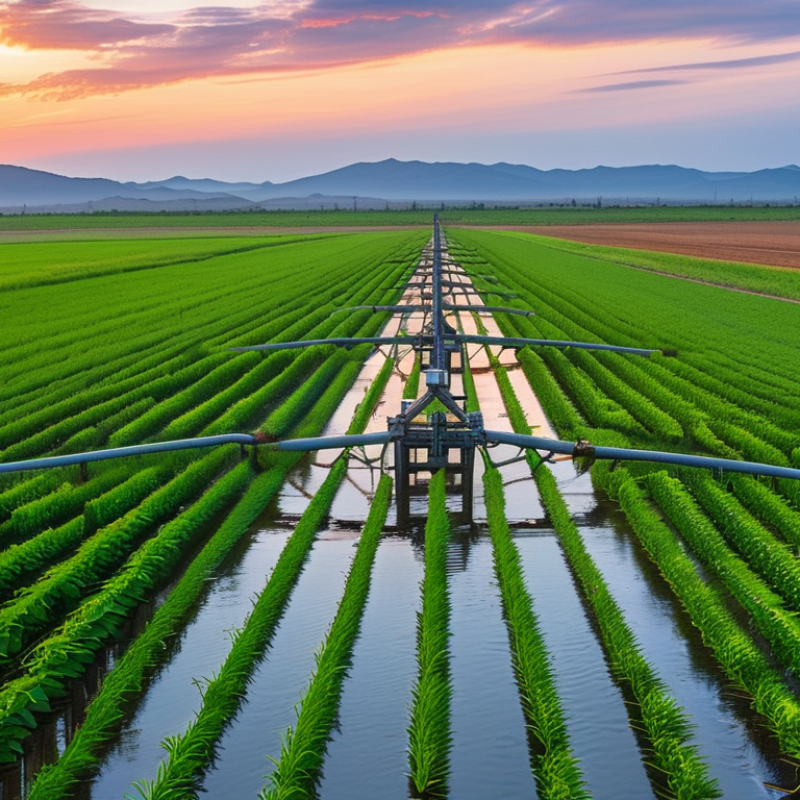
Overview of Solar Pumps and Their Benefits for Irrigation
Solar pumps have become a popular choice for irrigation systems due to their efficiency and sustainability. These systems harness solar energy to pump water, making them an eco-friendly solution. They require minimal maintenance compared to traditional pumps, reducing ongoing costs. With advancements in technology, solar pumps can now operate effectively in various conditions, even on cloudy days.
The benefits extend beyond cost savings. Solar pumps help reduce reliance on fossil fuels, promoting environmental health. They can be installed in remote areas, providing vital water access for agriculture without the need for electrical grids. This accessibility enhances food production and supports local economies. However, there can be challenges in initial setup costs and selecting the right system for specific needs.
For efficient irrigation, proper sizing and placement of solar pumps are crucial. Many users may underestimate their water requirements initially. It's vital to assess seasonal changes and crop demands. Long-term efficiency depends on regular monitoring and adjustments. Embracing these systems requires a commitment to sustainable practices, but the rewards can be significant when done correctly.
Types of Solar Pumps Used in Agricultural Irrigation Systems
Solar pumps are becoming a popular choice for agricultural irrigation. They provide an eco-friendly alternative to traditional electric pumps. Farmers benefit from using these pumps as they rely on renewable energy. Various types of solar pumps are available, including submersible and surface water pumps. Each type serves different irrigation needs.
Submersible solar pumps are submerged underwater. They are efficient for deep well applications. In contrast, Solar Dc Surface Water Pumps are designed to draw water from shallow sources. These pumps can be used in rivers or ponds. Both types help reduce reliance on fossil fuels. A report by the International Renewable Energy Agency indicates that solar irrigation can increase crop yields by 30-50%. This statistic highlights the potential of solar technology in agriculture.
Choosing between pump types can be challenging. Factors include depth of water sources and crop types. The wrong pump can lead to inefficiencies. It's essential to assess your specific irrigation needs. Some farmers may struggle with maintenance or initial costs. Proper planning and education can mitigate these issues. Engaging with local experts can provide valuable insights.
Factors to Consider When Choosing a Solar Pump for Irrigation
When selecting a solar pump for irrigation, several key factors must be considered. The pump's size and capacity are crucial. A well-sized pump ensures efficient water delivery. Assess your field’s size and the amount of water needed. Efficiency is also affected by solar panel output. Larger fields may require a more extensive solar setup. This can influence overall costs and installation complexity.
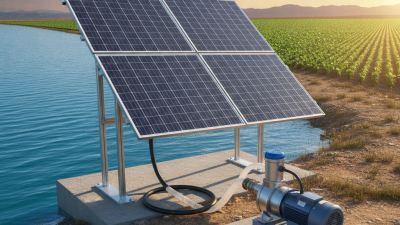
Another important factor is the type of solar pump. Surface solar pumps for agriculture are popular for their adaptability. They can draw water from shallow sources such as wells or rivers. However, the choice of well depth impacts performance significantly. Shallow wells may need less power, while deeper wells can require more robust systems. Additionally, consider the terrain and distance water needs to travel. Complex landscapes can complicate installation and affect pump efficiency.
Lastly, maintenance requirements should not be overlooked. Solar pumps need periodic checks to operate optimally. Understanding your local climate can also guide the pump selection. Some regions have irregular sunlight, potentially affecting performance. Reflecting on these aspects will lead to a more suitable solar irrigation solution.
Top Solar Pump Brands and Models for Efficient Irrigation
In the quest for efficient irrigation, solar pumps have emerged as a vital solution. These systems harness renewable energy to pump water, substantially reducing operational costs. Research indicates that solar-powered irrigation can cut energy expenses by up to 90%. This makes them especially appealing for agriculture in remote areas where electricity is scarce.
Top brands in the solar pump market emphasize durability and efficiency. Many models offer varying flow rates, enabling users to select the best fit for their specific irrigation needs. A recent industry report noted that systems with variable speed capabilities can optimize water use, enhancing crop yield while conserving resources. Additionally, the average lifespan of a quality solar pump can exceed 15 years, ensuring a long-term investment.
However, the initial cost of these systems can be a barrier. Not all farmers may find it easy to transition from traditional pumps. It's crucial to consider regional sunlight availability and local water requirements. Troubleshoot potential installation issues early on. The right planning can mitigate challenges and maximize benefits. Exploring different models and configurations can make all the difference in achieving an efficient irrigation system.
Installation and Maintenance Tips for Solar Pumps
Installing solar pumps for irrigation can enhance efficiency and sustainability. When planning your installation, choose a suitable location with maximum sunlight exposure.
Ensure the pump is positioned where it can easily draw water, ideally near your water source. Proper orientation helps optimize energy usage.
Select the correct size and type of pump for your specific needs; this affects both efficiency and performance.
Maintenance is crucial for the longevity of your solar pump system. Regularly inspect the solar panels for dirt and debris.
Clean them occasionally to maintain optimal energy production. Check connections and wiring for signs of wear.
This can prevent breakdowns and ensure reliable operation. Additionally, monitor the pump's performance and flow rate.
If you notice any inconsistencies, investigate the issue promptly.
Sometimes, even a well-installed system may face challenges. For instance, fluctuating weather can affect performance.
During cloudy days, water supply may decrease. Adjusting expectations around seasonal changes can help.
Keep records of your system's performance to identify trends and areas for improvement.
This reflective practice ensures that your irrigation system remains efficient through changing conditions.
Cost Analysis: Investing in Solar Pumps for Long-Term Savings
Investing in solar pumps can lead to significant savings over time, especially for irrigation systems. The initial cost may seem high, but the long-term benefits often outweigh these expenses. Solar pumps, including options like the Surface Solar Water Pump, utilize renewable energy, reducing reliance on fossil fuels. This shift not only lowers energy bills but also minimizes the carbon footprint.
While purchasing a solar pump, it’s essential to consider the installation costs and the size needed for your specific application. Budget fluctuations in solar technology can complicate investment decisions. Some users encounter challenges with off-grid systems. Ensuring that proper maintenance is part of the plan can prevent future issues and prolong the pump's life. Tracking performance can reveal valuable insights.
Solar pumps may also be affected by weather variations, impacting their efficiency. Users need to weigh these factors carefully. Overall, investing in a solar pump requires thoughtful analysis and a willingness to adapt. The transition to solar-powered irrigation is not just a financial decision; it's a commitment to sustainable farming practices.
Best Solar Pump Options for Efficient Irrigation Systems
This chart illustrates the cost of three different types of solar pumps - low efficiency, medium efficiency, and high efficiency. Investing in higher efficiency pumps may involve a larger initial cost, but they can provide long-term savings in energy and improved irrigation effectiveness.
Case Studies: Successful Use of Solar Pumps in Agriculture
Successful use of solar pumps in agriculture has transformed irrigation practices. Farmers leverage solar energy to pump water from wells or rivers, reducing dependence on traditional electricity. These systems can operate independently in remote areas, which is critical for many rural farmers. For example, a farm in California reported a 30% increase in crop yield after installing a solar pump.
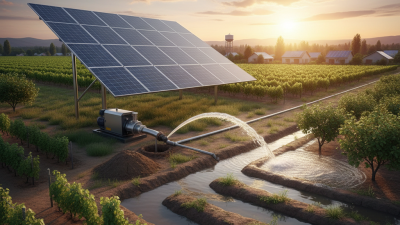
Solar pumps boost efficiency by utilizing renewable energy. They not only cut energy costs but also provide consistent water supply. A study from Texas showed improved soil moisture levels, leading to healthier crops. Innovative designs are also emerging. Some projects integrate solar panels with drip irrigation systems, optimizing water usage further.
When considering a solar pump for irrigation, it's important to factor in energy needs and local climate. Choose a system that aligns with specific crop requirements. Implementing a monitoring system can help track performance and identify issues early on. Farmers should remain open to adjustments based on weather patterns and water availability. Learning from past experiences will aid in maximizing efficiency with solar pumps.
Global Solar Pump Market Growth Projections: A Focus on ZSHFh-ADHY AC/DC Hybrid Pumps for Sustainable Irrigation Solutions
The global solar pump market is witnessing significant growth, with a notable emphasis on innovative solutions like the ZSHFh-ADHY AC/DC hybrid pumps. These advanced pumping systems are engineered to provide sustainable irrigation solutions, utilizing both solar and grid power to ensure seamless operation regardless of weather conditions. By combining renewable energy sources with traditional power, these hybrid pumps not only enhance reliability but also help reduce the dependency on fossil fuels, making them an integral part of modern irrigation strategies.
Hybrid pumps, such as the ZSHFh-ADHY, are particularly well-suited for agricultural applications in regions where electricity supply is inconsistent or even absent. They allow farmers to harness the power of the sun during the day, while still having the option to switch to grid power at night or during cloudy weather. This flexibility ensures that irrigation needs are met without interruption, ultimately leading to increased crop yields and more efficient water usage.
As farmers and agricultural stakeholders look for ways to improve sustainability and resilience in their practices, hybrid solar pumps stand out as a forward-thinking choice. Their ability to integrate renewable energy into traditional irrigation systems can significantly lower operational costs and reduce environmental impact, aligning agriculture with global sustainability goals. This growing trend reflects a broader commitment to fostering eco-friendly practices while meeting the food production demands of a burgeoning population.
FAQS
: The main types are submersible and surface pumps. Each serves different irrigation needs.
Submersible pumps are submerged underwater. They are efficient for deep well applications.
Consider the depth of water sources and specific crop types. The wrong choice can cause inefficiencies.
Regular maintenance ensures the longevity of the pump. Inspect panels for dirt and check connections frequently.
Cloudy days can reduce water supply. Users need to adjust expectations based on seasonal changes.
They can lower energy bills and reduce reliance on fossil fuels. This often outweighs the high initial cost.
Some may struggle with maintenance, initial costs, or fluctuating weather. Planning can mitigate these issues.
Yes, monitoring performance helps identify trends. This reflective practice is essential for efficient irrigation.
Choose a sunny location and ensure proper orientation. This enhances energy efficiency and water access.
Not selecting the correct pump size can lead to performance issues. Careful assessment is crucial.
Conclusion
Solar pumps are becoming increasingly popular in agricultural irrigation systems due to their efficiency and sustainability. These pumps harness solar energy, providing a renewable source of power that reduces dependency on traditional fuel sources. The article explores various types of solar pumps suitable for irrigation, highlighting the benefits they offer, such as lower operating costs and minimal environmental impact.
When selecting a solar pump, several factors must be considered, including pump capacity, installation requirements, and maintenance needs. The discussion includes maintenance tips to ensure optimal performance and longevity of the pumps. Additionally, a cost analysis reveals the long-term savings associated with investing in solar pumps, supported by case studies showcasing their successful implementation in farming. Ultimately, solar pumps present an effective solution for enhancing irrigation efficiency and promoting sustainable agricultural practices.

 DC SOLAR SUBMERSIBLE PUMP
 AC/DC Solar submersible Pump
 DC Solar Surface Pump
 AC/DC solar surface Pump
 Solar swimming Pool Pump
 Built-in Controller Solar Pump
 Solar Pump inverter
 Pump Accessories
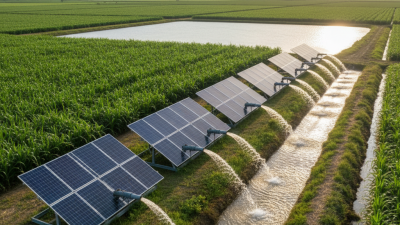



 Mr Youkee Kong