Solar Pump

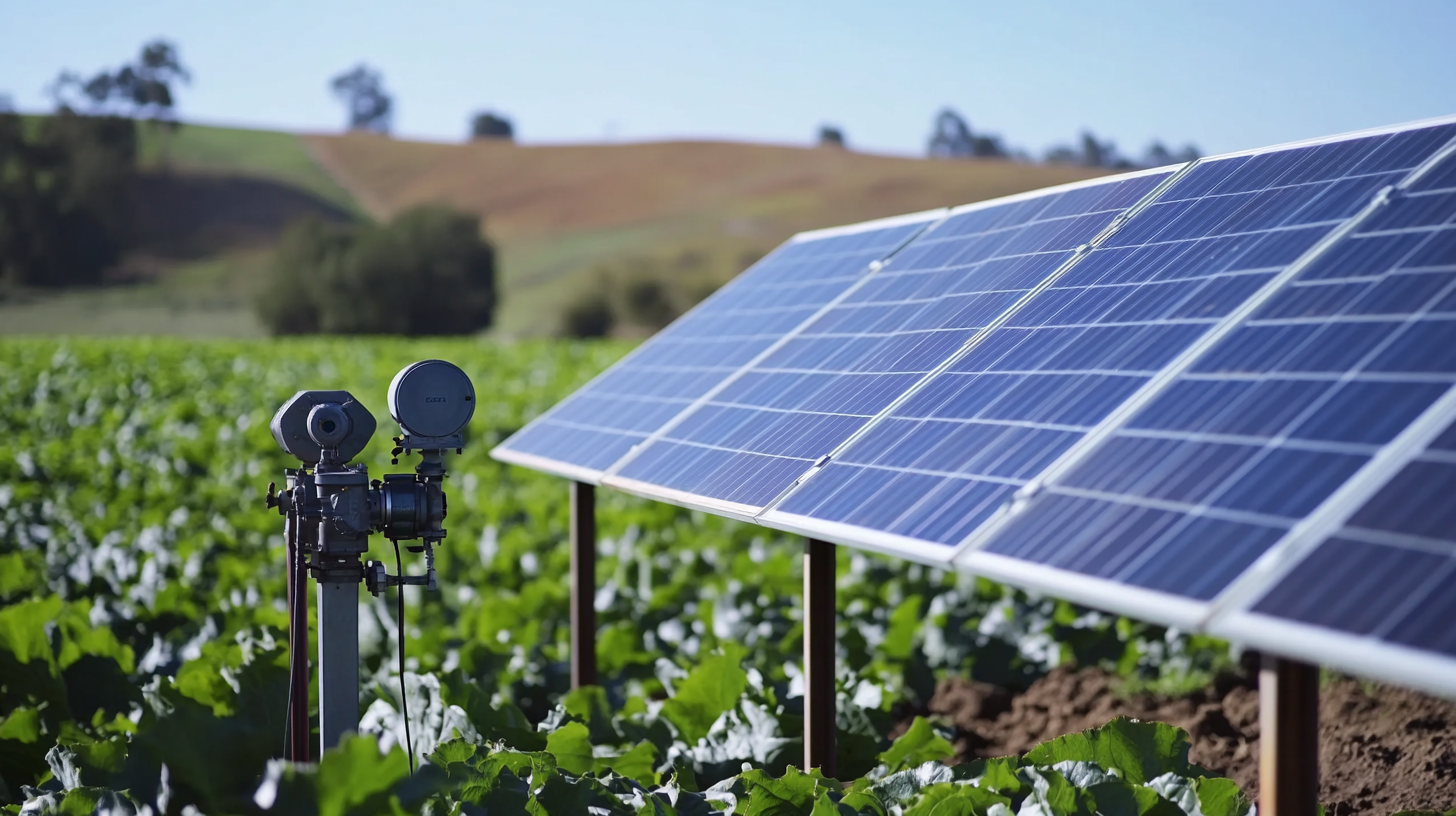
You know, the agricultural world is really turning its attention to finding sustainable ways to boost productivity while saving water. That's where advanced tech comes into play! Take solar pumps, for instance; they’re projected to hit a whopping USD 1.64 billion by 2025. It's like they’re changing the game in how we think about irrigation—using renewable energy to make it all more efficient and less pricey.
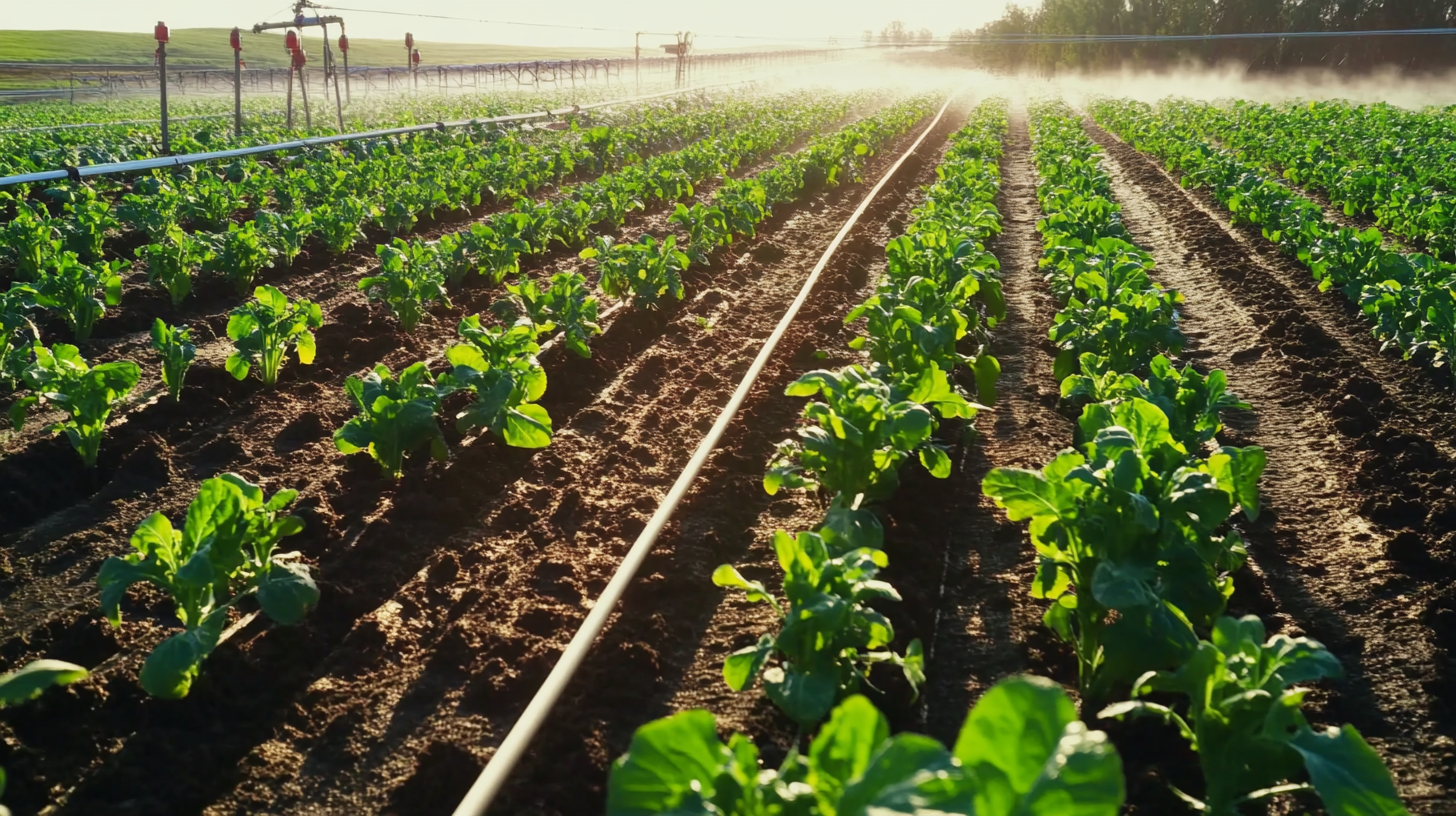
These solar pumps, which tap into sunlight for irrigation, are not just cutting down on our reliance on fossil fuels, but they're also making it so much easier for folks in remote areas to access water. Companies like Zhejiang Rambo Intelligent Technology Co., Ltd. are leading the charge with their top-notch quality and inventive designs, really raising the bar for everyone in the field.
With their state-of-the-art production facilities and advanced tech processes, Rambo is gearing up to make a mark on the global stage and help us all push toward a more sustainable future in agriculture. In real-life situations, these solar pumps are turning out to be game-changers for farmers, shaking up traditional irrigation methods and encouraging a greener approach to farming.
You know, it’s pretty amazing how advanced solar pump technology is really shaking things up in agriculture! These days, farmers are grappling with water shortages and skyrocketing energy prices, but solar pumps are stepping in as a fantastic solution. They run on renewable energy, which is great for the environment and can seriously help cut down those operational costs. With features like battery storage and smart tech, farmers can now water their crops more efficiently, getting the moisture they need even when the sun isn't shining.
In practice, switching to solar-powered irrigation has really paid off. Many farms using these pumps have seen their crop yields shoot up and their water usage get a serious makeover. For example, farmers are reporting much better water management, meaning less waste and healthier plants. Plus, the flexibility of these systems means they can reach remote areas where electricity just isn’t an option. By making the most of the sun’s power, we're not only boosting agricultural efficiency but also paving the way for more sustainable farming practices and helping to improve food security around the world.
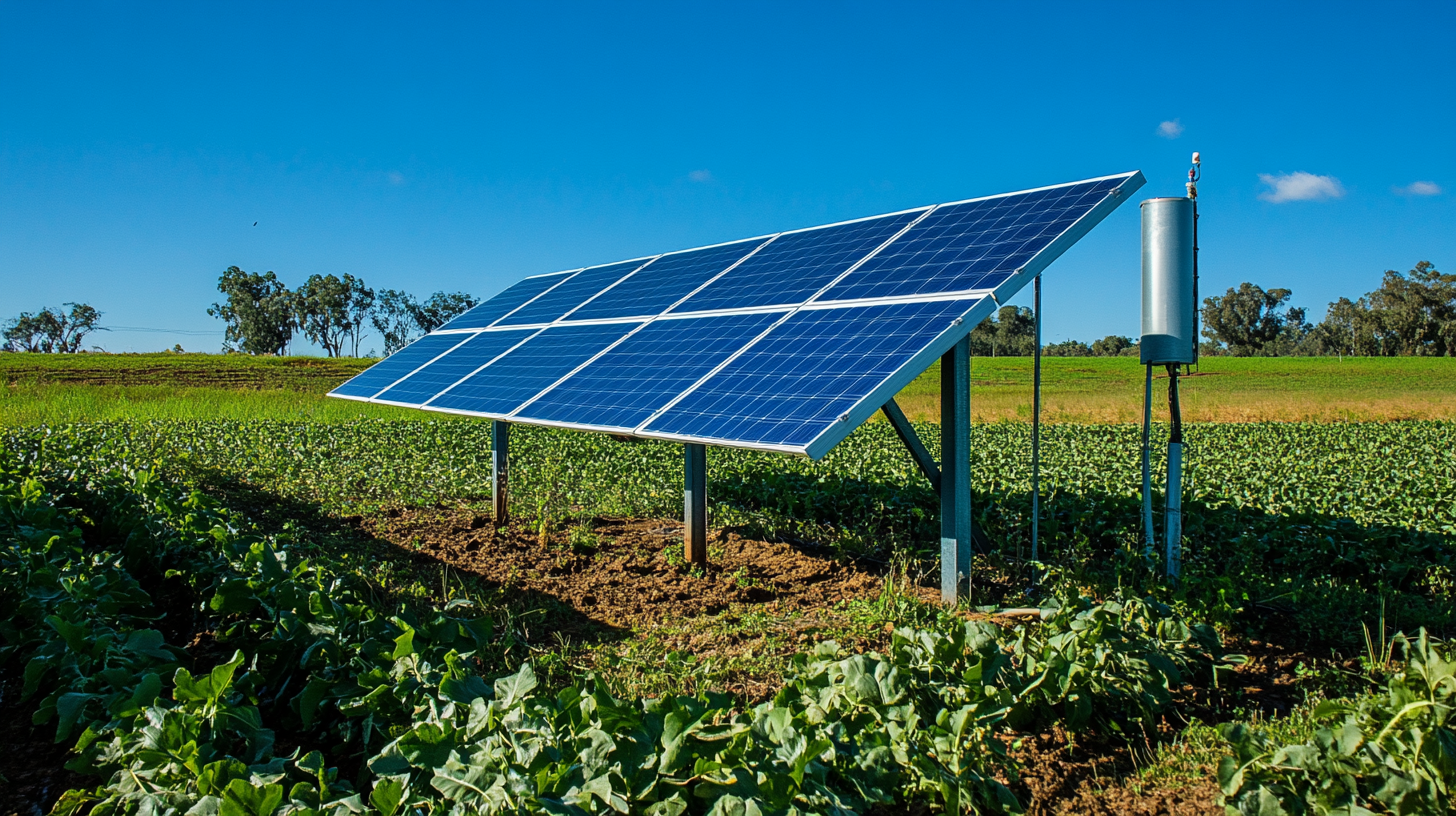
So, when we talk about designing and picking out solar pumps for agricultural irrigation, it's super important to think about those key industry standards that really help with efficiency, reliability, and sustainability. I mean, these guidelines cover everything from energy efficiency ratings to performance curves and even the durability of materials. For example, the American Society of Agricultural and Biological Engineers (ASABE) lays out some solid guidelines that tell farmers what the minimum performance should be. This helps them choose solar pumps that not only get the job done but also keep things running smoothly in different conditions.
On top of that, you can’t forget about certifications like ISO 9001 for quality management systems. They play a big role in the solar pump game, helping manufacturers stick to high production standards, which means their products last longer and have fewer breakdowns. Oh, and let’s not overlook how the local climate and the type of water source can totally influence which solar pump is the right fit. By following these industry standards, farmers can seriously upgrade their irrigation systems, making things more sustainable and boosting crop yields—all while being kinder to the environment.
| Application Area | Pump Type | Power Output (W) | Water Flow Rate (L/min) | Efficiency (%) | Irrigated Area (ha) |
|---|---|---|---|---|---|
| Vegetable Farms | Submersible | 150 | 20 | 85 | 1.5 |
| Fruit Orchards | Surface | 300 | 35 | 90 | 3 |
| Rice Fields | Centrifugal | 200 | 30 | 80 | 2 |
| Livestock | Diaphragm | 100 | 15 | 75 | 1 |
| Community Gardens | Hybrid | 50 | 10 | 70 | 0.5 |
You know, the farming world has been pretty stuck in its ways for a long time, relying on those old-school irrigation systems that often just end up being a pain. I mean, take diesel pumps, for example – sure, they’re super common, but they can really drain farmers' wallets with high running costs and, let’s not forget, they’re not doing the planet any favors with all those greenhouse gases. Plus, keeping those systems running isn’t a walk in the park either; they break down now and then, which means water supply can get all wacky, and that’s not what you want when your crops are on the line. And when you think about it, being reliant on fuel from outside sources makes farmers sit on a bit of a shaky foundation with prices bouncing up and down and supply issues lurking around every corner.
But here’s the good news: solar-powered irrigation is really shaking things up in a good way! By tapping into the sun’s energy, these systems just cut out those fuel costs altogether, and they don’t need as much upkeep, so in the long run, farmers can save a decent chunk of change. With all the cool advancements in solar tech these days, there are efficient solar pumps available that fit just about any farm size, whether you're running a tiny plot or a massive stretch of land. And, get this, a lot of these solar systems can operate all on their own, which means even if you’re in a spot that’s a bit off the beaten path, water’s not going to be a problem. Farmers are really noticing a boost in productivity and better crop yields when they make the switch to solar, which just goes to show how much renewable energy can change the game in agriculture nowadays.
This chart compares the efficiency and cost-effectiveness of traditional irrigation systems against solar-powered irrigation systems. The data highlights water usage, initial investment, and long-term savings over a 5-year period.
You know, in recent years, solar pumps have really shaken things up in the world of agricultural irrigation. They’re making farming more efficient and way more sustainable. Take this farm in California, for example. They jumped on the solar-powered pump bandwagon to improve their irrigation strategy, especially with all those droughts popping up. Thanks to these pumps, they’ve been able to cut back on conventional energy sources, which has really helped slash costs while keeping those crops happy and healthy. By harnessing the sun’s energy, farmers can provide a steady water supply, even when conditions get tough. This means better crop yields and less water going down the drain.
But it doesn’t stop there. There’s this awesome cooperative farming community in India where they’ve brought in solar pumps to tackle water scarcity. Since these systems were installed, local farmers have seen a pretty cool boost in their agricultural productivity. The solar pumps allow for timely irrigation, which means they can grow multiple crops throughout the year. This is fantastic because it not only increases their income but also helps the whole community become more self-reliant. When you look at these real-life examples, it’s clear that solar pumps are more than just a passing trend; they’re a sustainable solution that’s really changing the face of agriculture all around the world.
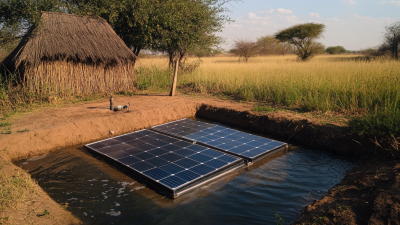
You know, using solar-powered irrigation systems can really shake things up in agriculture, especially in places where water is hard to come by. I came across this interesting study from Mali that showed just how impactful these solar setups can be. Some farmers are actually reporting crop yield boosts of up to 50% just because they have better access to water! I mean, think about it—no more relying on unpredictable rainfall, and it saves on those costly fuel expenses that traditional pumps eat up. For many farmers in sub-Saharan Africa, this could be a game-changer economically.
And get this: when you look at the life cycle assessment of large-scale solar-powered irrigation, it’s clear they're way more efficient and sustainable than using fossil fuels. Farmers in dry areas like Niger have really jumped on the solar pump bandwagon, and it’s paying off big time with higher productivity and better food security. The World Bank has even backed some projects in Niger that show how solar energy can drive economic growth. It allows farmers to work land that was once considered too dry, which means a boost in their income and a positive impact on their local economies. It’s pretty amazing how these solar irrigation systems could be a key player in combating climate change while also helping farming communities become more resilient.
You know, the future of farming is really getting a makeover thanks to some pretty cool solar pump tech that's all about making agriculture more sustainable. With climate change hitting harder and water getting harder to come by, farmers are increasingly looking to solar-powered pumps. These handy systems take advantage of sunlight to deliver a reliable and budget-friendly way to irrigate. This not only cuts down on our reliance on fossil fuels but also helps lower those pesky greenhouse gas emissions. Plus, with all the advancements in solar pump designs—think better efficiency and smart water management features—farmers can really fine-tune their water usage, making sure their crops get just the right amount of water, all the time.
But it doesn’t stop there! Solar pumps are branching out beyond just traditional irrigation. We’re seeing them pop up in areas like aquaponics and hydroponics, where keeping precise control over water is super important. Looking ahead, who knows? We might see these pumps integrating IoT technology, which means farmers could coordinate their irrigation schedules right from their phones based on up-to-date weather info. As these technologies evolve, they're not just setting the stage for bigger harvests; they’re also helping farmers be more resilient against those crazy climate swings. So, this blend of solar energy and cutting-edge irrigation tech is a game changer for creating a more sustainable farming future, providing us with a roadmap for eco-friendly farming in the years to come.
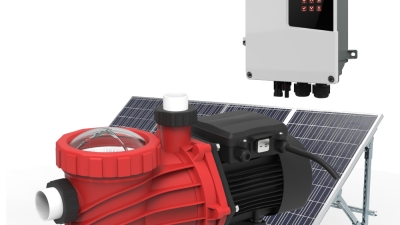
In the quest for sustainable irrigation solutions, the ZRI Brushless Solar Water Pump stands out as a prime example of maximizing agricultural efficiency. This innovative pump harnesses the power of the sun, providing a reliable and eco-friendly method for accessing and distributing water, which is crucial for modern farming practices. By utilizing solar energy, farmers can effectively reduce their reliance on conventional power sources, leading to lower operational costs and a significant decrease in their overall environmental footprint.
The ZRI Brushless Solar Water Pump is particularly advantageous for remote agricultural areas that often face challenges related to water access. Its design maximizes efficiency, allowing for seamless water distribution to crops, thereby enhancing growth and yield. Moreover, the pump operates silently and requires minimal maintenance, which means farmers can focus their efforts on what matters most—cultivating healthy crops and ensuring food security. With capabilities to adapt to various terrains and conditions, this solar-powered solution not only promotes sustainability but also empowers farmers to make the most of their resources while contributing to the preservation of the environment.
: Key industry standards include energy efficiency ratings, pump performance curves, and material durability, with guidelines provided by organizations such as the American Society of Agricultural and Biological Engineers (ASABE).
ISO 9001 certification ensures manufacturers maintain high production standards, enhancing product longevity and reducing operational failures.
Local climate and water conditions are crucial factors in selecting the appropriate solar pump, as they influence pump performance and efficiency under varying agricultural conditions.
Solar pumps provide a consistent water supply, reduce reliance on conventional energy sources, lower operational costs, and enhance crop yields while minimizing water waste.
A California farm adopted solar pumps to improve its irrigation amidst drought, reducing energy costs and maintaining optimal crop health.
In India, a cooperative farming community using solar pumps has seen increased agricultural productivity and multiple cropping cycles, boosting income and self-sufficiency.
Future trends include improved efficiency ratings, smart water management features, and the integration of IoT technology for remote monitoring and irrigation adjustments based on real-time conditions.
Solar pumps are being used in aquaponics and hydroponics, where precise water control is essential, allowing for innovative agricultural practices.
Solar pumps reduce dependence on fossil fuels, minimize greenhouse gas emissions, and offer reliable irrigation methods in the face of climate change and water resource challenges.
Advancements in solar pump technology enable farmers to optimize water usage and adapt to fluctuating climate patterns, promoting eco-friendly farming practices.