When it comes to water management, picking the right surface pump can really make a huge difference. Tom Richards, who’s pretty much a go-to guy in fluid dynamics at AquaTech Solutions, once said, “Choosing the right pump is key for getting good efficiency and performance.” Honestly, his advice hits home — it’s so important to understand your specific needs before jumping into a purchase.
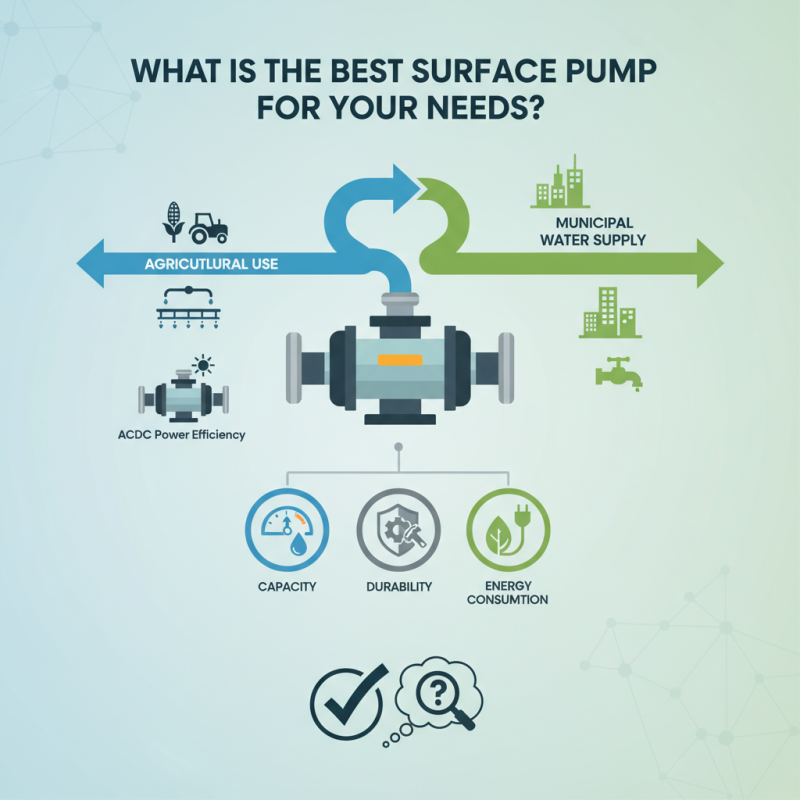
Surface pumps come in all sorts of flavors, suited for everything from watering crops to supplying city water. Every job has its own requirements, so not all pumps are created equal. For example, a Surface Water Pump Acdc might be just what you need for farming—powerful and energy-efficient. But, here’s the thing—no one pump is perfect for every situation. Taking the time to consider the environment and what you actually need the pump for is pretty much essential.
A lot of folks get stumped because they’re overwhelmed by all the options out there. It’s easy to just go for the cheapest or the biggest brand you’ve heard of, but that’s not always the best move. Without really understanding what your project demands, chances are you might end up making a mistake. Checking out the pump’s capacity, durability, and how much energy it uses can save you from headaches down the road. Bottom line? Making an informed choice not only boosts performance but also makes your setup last longer — trust me, it’s worth it.
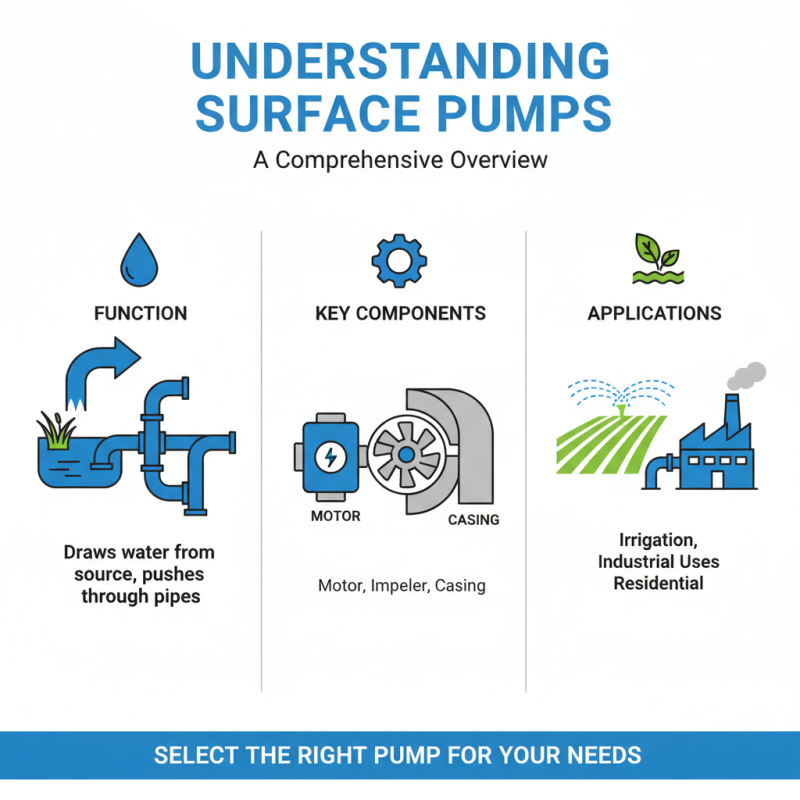
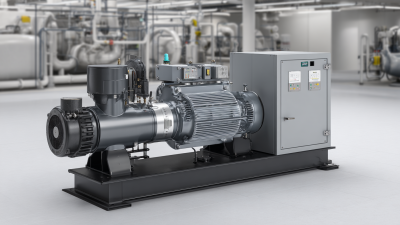
Surface pumps play a crucial role in various applications, from irrigation systems to industrial uses. These pumps draw water from an open source and push it through pipes. Understanding their mechanics helps users select the right one for their needs. The basic components involve a motor, impeller, and casing. Each part must work seamlessly for optimal performance.
When choosing a surface pump, consider flow rate and pressure. These measurements indicate how much water the pump can move. However, not all situations fit neatly into specified categories. One may require higher pressure for a long-distance transfer but can't afford the energy cost. Reflecting on individual needs is essential.
Another critical aspect is maintenance. Regular checks can prevent unexpected failures. Over time, wear and tear can affect efficiency. Users might overlook small issues until they become significant problems. This habit might be common, but it's essential to stay vigilant. Understanding these details not only ensures efficiency but fosters better decision-making in selecting the right surface pump.
When choosing a surface pump, understanding the various types is vital. Common options include centrifugal and submersible pumps. Centrifugal pumps move water by converting rotational energy into liquid flow, making them efficient for larger volumes. Submersible pumps, on the other hand, are designed to operate underwater. They can be more costly but offer unique advantages in specific applications.
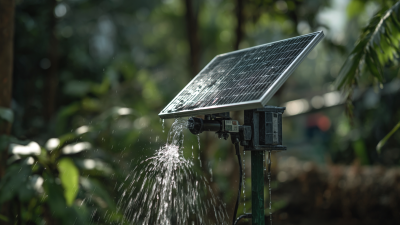
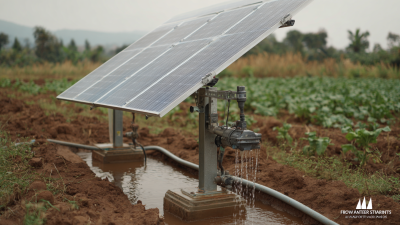
The Solar Dc Surface Water Pump is a great choice for environmentally conscious users. This pump is ideal for off-grid locations, as it utilizes solar energy. It helps reduce electricity costs while providing reliable water supply. However, installation and maintenance can become cumbersome and require careful planning.
Consider your specific needs before making a decision. Think about the water source, required flow rate, and the distance water needs to travel. Don’t be afraid to consult with experts who can provide insight based on your unique situation. Sometimes, more expensive options might not be the best fit. Test different units if possible; performance can vary significantly between models.
| Pump Type | Flow Rate (GPM) | Max Head (ft) | Power Source | Typical Applications | Advantages | Disadvantages |
|---|---|---|---|---|---|---|
| Standard Surface Pump | 20-80 | 25-60 | Electric | Irrigation, general water transfer | Cost-effective, easy to install | Limited to shallow water sources |
| Self-Priming Pump | 30-100 | 20-50 | Electric, gas | Basement flooding, outdoor watering | Self-priming capability, versatile | Higher cost, maintenance required |
| Diaphragm Surface Pump | 10-30 | 15-30 | Electric | Chemical transfer, irrigation | Good for delicate liquids, low maintenance | Lower flow rates, limited pressure |
| High-Pressure Surface Pump | 40-150 | 50-100 | Electric, diesel | Firefighting, high-rise building water supply | High flow and pressure, robust design | Expensive, requires skilled operation |
When choosing a surface pump, several key factors come into play. The pump's flow rate is crucial. For agricultural applications, a flow rate of 3,600 liters per hour is often necessary. Choosing a pump that matches your required output ensures operational efficiency. Consider the total dynamic head (TDH) as well. This measurement determines how high water can be pumped and is essential when your source is below the delivery point.
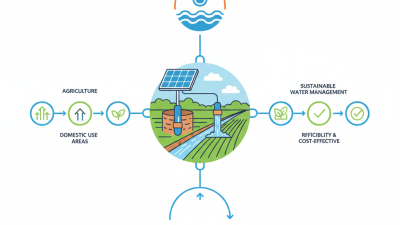
Energy efficiency is another vital aspect. According to industry reports, surface pumps can vary significantly in energy consumption. Investing in an efficient model can lead to substantial savings over time. Additionally, think about the compatibility with renewable energy sources. A Surface Solar Pump For Agriculture can reduce electricity costs. These systems harness solar energy, making them more sustainable and cost-effective.
Tips: Always check for warranty options. A reliable warranty can save you from unexpected repairs. Also, factor in the pump's material. Materials resistant to corrosion will last longer. Consider your local environment when making your choice. Not every pump performs well under all conditions. A little research can help you avoid costly mistakes in the long run.
When selecting a surface pump, assessing your water supply needs is crucial. Start by understanding the source of your water. Is it from a river, lake, or well? Each source has unique characteristics that impact pump performance. For instance, lake water might contain debris, necessitating a filter. Knowing the water's quality helps in choosing the right pump.
Tip: Consider the flow rate you need. Calculate how much water you’ll require per hour. This info helps ensure you get a pump that can meet your demands without strain.
Evaluate the elevation change, or "lift," from the water source to the point of use. If the elevation is significant, you’ll need a more powerful pump. Also, think about how often you’ll use the pump. Frequent usage may require a more durable model.
Tip: Don’t overlook maintenance requirements. Some pumps need regular servicing. This can include checking for clogs and wear and tear. A pump that’s easier to maintain can save you headaches later.
Remember, flexibility is key. If you're unsure, talk to professionals. They can provide insights into your specific situation, guiding you toward the best choice for your needs.
When installing a surface pump, location matters. Ensure your site is dry and stable. Avoid areas prone to flooding. The Surface Solar Water Pump should be positioned close to the water source. This minimizes the length of the suction line, which impacts efficiency. Always choose a level surface for stability. A solid base can enhance performance and extend the pump's life.
Regular maintenance is key for longevity. Check the connections and hoses for leaks. Replace worn components promptly to prevent further issues. Clean the filter often, especially in murky water conditions. Debris can clog the intake and reduce efficiency. It’s also wise to inspect the pump’s motor periodically. A little preventive care can save you from costly repairs later. Don’t ignore strange noises; they can indicate underlying problems.
Keep in mind that even the best systems require attention. Understand the limitations of your pump. Not all pumps are designed for heavy-duty use. Assessing your specific needs helps prevent premature wear. Stay informed on best practices and evolving technologies in pumps. Engaging with community forums can also provide valuable insights.
Surface pumps are essential in various industries for efficient fluid transfer. They are commonly used in agriculture, construction, and municipal water systems. In agriculture, surface pumps help in irrigation. They ensure crops receive adequate water. This is crucial for growth and yield.
In the construction sector, surface pumps manage water removal from sites. They handle groundwater and surface water. Effective dewatering prevents delays and hazards. Municipalities rely on surface pumps for clean water supply and wastewater management. The ability to raise and transport water over distances makes these pumps vital infrastructure components.
However, choosing the best surface pump requires careful consideration. Factors like flow rate, pressure, and intended application must be evaluated. Not all pumps are created equal. Some may not meet the specific needs of a project, leading to inefficiencies. Additionally, maintenance and operational costs can vary. It’s essential to weigh these factors for optimal performance and reliability.
When faced with issues related to a Surface Pump, it's crucial to troubleshoot effectively. Many users encounter common problems, such as insufficient water flow. This often stems from factors like air leaks in the suction line or a clogged filter. Regularly inspect these areas to maintain optimum performance. In some cases, the pump may fail to start. This could indicate an electrical issue or a problem with the motor. Check the power source first; ensure connections are secure.
Another frequent challenge is excessive noise during operation. This could be linked to an unbalanced impeller or debris trapped inside. Removing the impeller for a thorough clean can address this. However, if noise persists, consulting a professional might be essential. Proper maintenance is key. Ensure your surface pump is regularly checked and serviced to prevent these issues from escalating. Taking proactive steps can often save you time and money in the long run.
: Understand your water source, as each has unique characteristics that influence pump performance.
Calculate the amount of water required per hour to ensure the pump meets your demands effectively.
A greater elevation lift requires a more powerful pump to function efficiently and deliver water.
Regular maintenance prevents issues like clogs and wear, safeguarding the pump's longevity and performance.
Choose a dry, stable location close to the water source and ensure a level surface for optimal operation.
Periodic inspection of connections and components is essential, addressing any strange noises or signs of wear immediately.
They are widely used in agriculture for irrigation, construction for dewatering, and municipal systems for water supply.
No, not all pumps are designed for tough conditions. Assess your specific needs to avoid premature wear.
Engaging with community forums and staying updated on evolving technologies can provide helpful insights.
Selecting an improper pump can lead to inefficiencies and increased operational costs, affecting overall performance.
This article provides a comprehensive overview of surface pumps, detailing their types, features, and benefits. Understanding the specific requirements of your water supply is crucial, as different surface pumps serve varied applications across multiple industries. The article emphasizes key factors to consider when selecting a surface pump, such as flow rate, power source, and installation space.
Installation and maintenance tips are also covered to ensure optimal performance and longevity of the surface pump. Additionally, common issues and troubleshooting techniques are outlined to help users address problems effectively. This insightful guide empowers readers to make informed decisions based on their unique needs and applications for surface pumps.