Picking the right Surface Water Pump Acdc is actually pretty important, whether you’re working on a big project or just dealing with some home water needs. With everything going on, the demand for reliable pumps has never been higher. Folks—whether businesses or homeowners—are looking for smarter, more efficient ways to handle water. And let’s be honest, with so many brands and models out there, it can get a bit overwhelming trying to figure out what’s right for you.
When you’re shopping for a Surface Water Pump Acdc, there are a few things you should keep in mind. Things like quality, durability, and how much energy it uses are major factors. Big names like XYZ Pumps and ABC Water Solutions have some solid options that cover a lot of different needs. But here’s the thing—it's really important to understand what your own situation requires. Sometimes, people just focus on the specs without considering whether a particular feature will actually help them out, and that can be a mistake.
Honestly, it’s easy to feel a bit lost with all the choices out there—believe me! Not every pump is going to be perfect for every job either. If you pick the wrong one, it might end up wasting your time and causing some serious headaches. That’s why spending a little extra time researching and chatting with people who know their stuff can make a huge difference. In the end, a good pump that fits your needs can actually save you a lot of hassle, time, and even money. And don’t forget—getting some advice from experts can give you insights you might not even think of right away.
Understanding Surface Water Pumps: A Comprehensive Guide
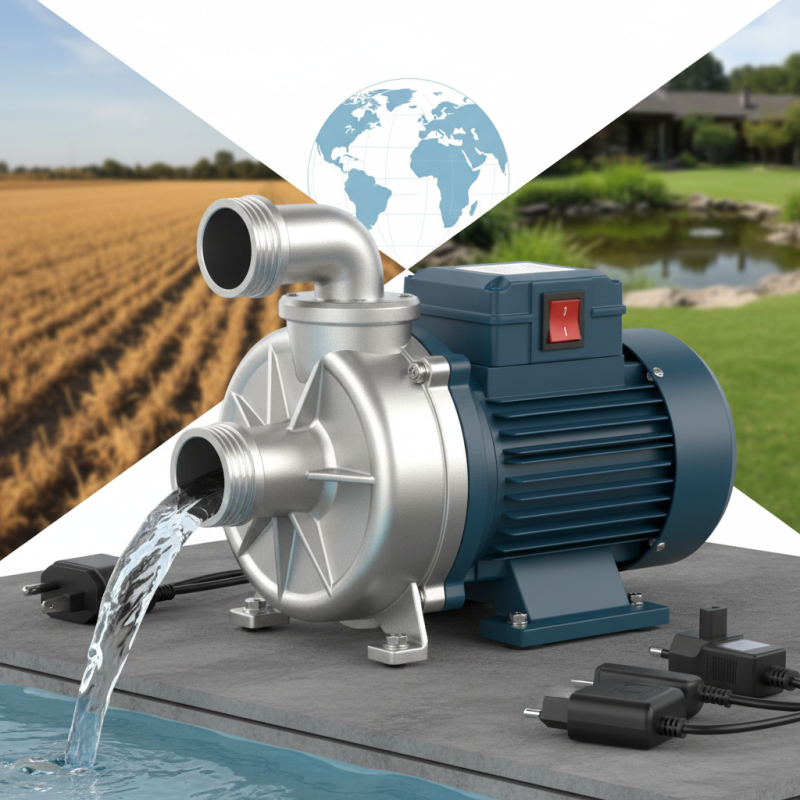
Surface water pumps are essential tools in various applications. They are widely used in agriculture, landscaping, and construction. Understanding their function and types can help buyers make informed choices. Surface water pumps generally draw water from open sources, such as lakes or rivers. They are designed for easy transportation and installation, making them ideal for temporary setups.
When selecting a surface water pump, consider performance features. Flow rate and power requirements are crucial factors. Higher flow rates may be necessary for large irrigation projects. In contrast, smaller tasks may only need basic units. Many buyers often overlook compatibility. Ensure that the pump aligns with your energy source, whether it’s AC or DC. This impacts efficiency and operation.
However, buyers should be aware of the pump’s limitations. Some pumps struggle with debris and solids in water. This can lead to clogging and maintenance issues. It’s vital to assess the water source's conditions before purchase. Ideally, you want a reliable pump that can withstand various environments while being easy to maintain. Balancing durability with price is another challenge for many.
Types of ACDC Surface Water Pumps and Their Applications
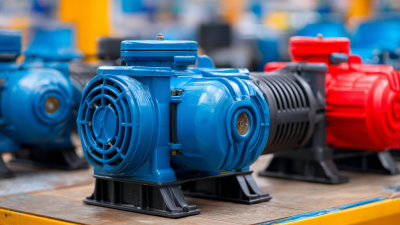
When considering ACDC surface water pumps, understanding the different types and their applications is crucial. These pumps fall into various categories, including submersible, centrifugal, and diaphragm pumps.
Submersible pumps, for example, are highly effective in removing water from basements or flooded sites. They are typically used when the water source is beneath the ground level. Meanwhile, centrifugal pumps are favored for transferring water from one open body to another over larger distances, making them ideal for irrigation purposes.
Diaphragm pumps are known for their ability to handle sludge or semi-solid materials. They are essential in industries that require pumping fluids with suspended solids. According to a recent industry report, the market for ACDC surface water pumps is projected to grow by 5% annually. This trend reflects the increasing demand for efficient water management in agriculture and construction.
Tip: Always match the pump type to your specific project needs. Misalignment can lead to inefficiency.
ACDC surface water pump manufacturers emphasize the importance of selecting a pump that meets site-specific conditions. Assess the water's quality and depth before making a decision. Some pumps may require frequent maintenance, which can affect overall performance. Therefore, understanding these characteristics is vital.
Tip: Consider energy efficiency ratings when evaluating pump options. A more efficient model can save money in the long run.
Key Features to Consider When Choosing a Surface Water Pump
When selecting a surface water pump, several key features demand attention. Understanding water flow rate is essential. Most surface water pumps range from 1,000 to 5,000 gallons per hour (GPH). A higher flow rate might be tempting, but it could lead to inefficiencies. Matching the pump capacity with specific needs is critical.
Durability is another important aspect. Materials like stainless steel and thermoplastic offer superior resistance to corrosion and wear. A report from the Water and Wastewater Equipment Manufacturers Association (WWEMA) highlights that pumps made from these materials have a longer lifespan. Maintenance requirements also impact long-term costs. Some models are easier to maintain, which could reduce downtime.
Power source selection affects operation, too. ACDC pumps provide versatility for various environmental conditions, but they may have different energy efficiencies. Reports indicate that electric-powered pumps reduce operational costs by about 30% when compared to gas-powered ones. Weighing these factors carefully can enhance decision-making for global buyers.
Comparative Analysis of Top ACDC Surface Water Pump Brands
Surface water pumps are essential for various applications. Global buyers often seek reliable solutions. The ACDC (Alternating Current and Direct Current) surface water pumps have gained attention for their versatility. Recent market studies show that more than 30% of industrial users prefer ACDC pumps for their energy efficiency.
A comparative analysis of top ACDC surface water pumps reveals significant differences in performance. Some brands excel in energy consumption, while others prioritize durability. For example, reports indicate that pumps with less than 5 kW output tend to have lower operational costs. However, buyers must consider longevity and maintenance needs. The balance between high efficiency and long-term reliability can be tricky.
Many users overlook the lifecycle cost when purchasing pumps. It is crucial to evaluate not only the initial price but also the long-term investment.
High-Quality Surface Water Pump Acdc should offer both affordable pricing and exceptional functionality. Reflecting on the choices available, buyers often face challenges in selecting the ideal model.
Proper comparisons are vital for making informed decisions in this competitive market.
Cost Factors: What to Expect When Buying a Surface Water Pump
When considering the purchase of a surface water pump, various cost factors come into play. The average price of ACDC surface water pumps varies widely. Entry-level models can be found for approximately $200, while high-performance units may exceed $1,500. The selection heavily depends on the intended use and the required specifications.
Potential buyers should be aware of installation costs as well. On average, professional installation adds an extra 20% to the initial purchase price. Maintenance costs should also be factored in. Annual maintenance can range from $50 to $200, depending on the pump model and usage.
Furthermore, energy consumption is a critical aspect. According to industry reports, the operational cost can account for over 50% of the total cost of ownership. Energy-efficient models may cost more upfront but can lead to significant savings. Understanding the balance between initial investment and long-term operational savings is vital for buyers.
Maintenance Tips for Longevity of Surface Water Pumps
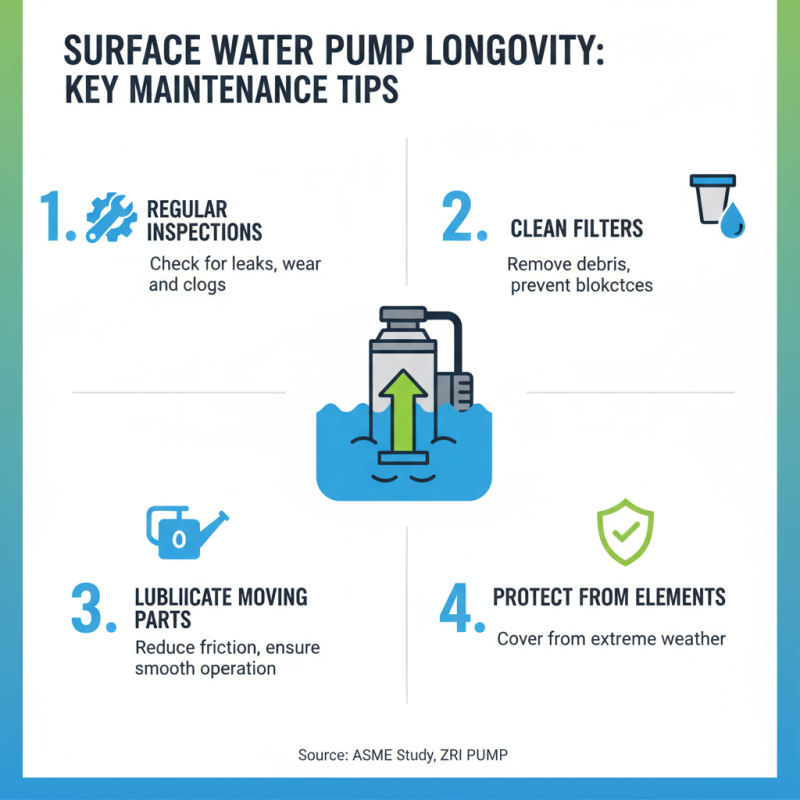
Maintaining a surface water pump is crucial for its longevity and efficiency. Regular maintenance practices can significantly extend the life of these pumps. A study by the American Society of Mechanical Engineers indicates that proactive maintenance can enhance equipment lifespan by up to 30%. This is particularly relevant for the growing market of Surface Water Pump Acdc Manufacturer products, where reliability is a key selling point.
Routine checks should include inspecting seals and gaskets. These components often wear out over time and can lead to leaks. Another important aspect is monitoring the electrical connections. A loose wire can not only cause inefficiency but also create safety hazards. Cleaning filters and impellers regularly is vital, as debris accumulation can hinder performance. If maintenance falls behind, the pump can suffer, leading to costly repairs or replacements.
Users should also consider external factors impacting pump performance. Environmental conditions can vary greatly. Excessive heat or cold can affect the motor and other components. According to a report from the National Water well Association, 32% of pump failures are attributed to environmental factors that could be mitigated with proper care. Understanding these variables allows users to protect their investment in a surface water pump.
Global Market Trends in Surface Water Pump Industry
The global market for surface water pumps is expanding rapidly. Current trends indicate that the demand for ACDC units is on the rise. According to market analysis, the surface water pump sector is expected to grow at a CAGR of 4.7% between 2021 and 2028. This information is essential for buyers looking for efficiency and reliability.
Paramount to this growth are emerging markets. Regions like Asia-Pacific are witnessing unprecedented construction activity. The need for effective water management systems has never been greater. For instance, irrigation and flood control require reliable pumping solutions. Data suggests that these areas alone account for nearly 35% of surface water pump sales globally.
However, difficulties persist in standardizing quality across suppliers. Not all manufacturers maintain high standards. This inconsistency can impact project timelines and budgets. A risk analysis is crucial before making purchases. Wholesale Surface Water Pump Acdc options can vary significantly in performance and durability. Careful evaluation is necessary to ensure satisfactory outcomes. Buyers must weigh options diligently to avoid subpar products.
Maximizing Efficiency in Water Supply: Insights from Recent Industry Reports on Solar-Powered Centrifugal Pumps and MPPT Technology
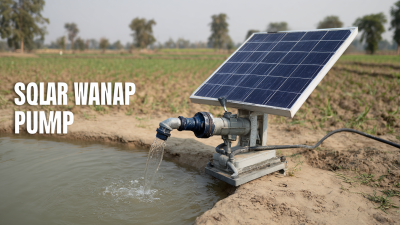
Recent industry reports highlight the transformative impact of solar-powered centrifugal pumps and Maximum Power Point Tracking (MPPT) technology on water supply systems. As water scarcity becomes an increasingly pressing issue, these innovations offer a sustainable solution that enhances efficiency and reliability. According to a market analysis from a leading water industry research firm, the adoption of solar-powered pumps is expected to grow by over 25% annually, driven by their ability to significantly reduce operational costs while ensuring optimal performance in various environments.
MPPT technology plays a crucial role in maximizing the energy harnessed from solar panels, enabling pumps to operate efficiently even under varying sunlight conditions. Reports indicate that systems integrated with MPPT can increase energy efficiency by as much as 30%, directly impacting the operational capabilities of water supply systems. This not only reduces the dependency on traditional energy sources but also helps in mitigating the environmental impacts associated with fossil fuels. As municipalities and agricultural entities seek to improve their sustainability measures, the implementation of these advanced technologies will increasingly be seen as a necessary investment.
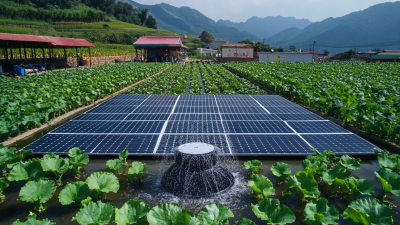
Moreover, the integration of solar-powered centrifugal pumps with MPPT technology facilitates irrigation and potable water supply in remote areas where access to conventional energy sources is limited. A recent comprehensive study from an environmental agency reported that these systems can greatly enhance water access for communities with limited infrastructure. This shift not only addresses immediate water supply challenges but also aligns with broader sustainability goals in energy and water resource management.
FAQS
: Prices can range from about $200 for entry-level models to over $1,500 for high-performance units.
Yes, installation typically adds around 20% to the initial purchase price. Maintenance costs also vary.
Maintenance can cost between $50 and $200 yearly, depending on the pump model and usage.
Operational costs can comprise over 50% of total ownership costs. Efficient models may save money long-term.
Inspect seals, monitor electrical connections, and clean filters regularly to prevent inefficiency and leaks.
Excessive heat or cold can affect components. About 32% of pump failures relate to such environmental issues.
Regular maintenance can enhance pump lifespan by up to 30%. Neglect can lead to costly repairs or replacements.
The market is expected to grow at a CAGR of 4.7% from 2021 to 2028, with increasing demand in emerging markets.
Quality inconsistency among manufacturers can pose risks. Evaluating suppliers is essential for satisfactory purchases.
Conducting risk analyses and careful evaluations of options can help avoid poor-quality products and ensure better outcomes.
Conclusion
The article "What is the Best Surface Water Pump ACDC for Global Buyers?" offers a comprehensive overview of surface water pumps, particularly focusing on their ACDC variants. It begins by explaining what surface water pumps are and highlights the various types available and their specific applications. Essential features to consider when selecting an ACDC surface water pump are discussed, along with a comparative analysis of leading brands in the market.
Additionally, the article addresses cost factors that potential buyers should be aware of, providing insights into what to expect when purchasing a surface water pump. Maintenance tips are included to ensure the longevity and efficient performance of these pumps. Finally, it examines current global market trends in the surface water pump industry, making it a valuable resource for global buyers seeking to make informed decisions about their investments in surface water pump ACDC systems.

 DC SOLAR SUBMERSIBLE PUMP
 AC/DC Solar submersible Pump
 DC Solar Surface Pump
 AC/DC solar surface Pump
 Solar swimming Pool Pump
 Built-in Controller Solar Pump
 Solar Pump inverter
 Pump Accessories





 Mr Youkee Kong