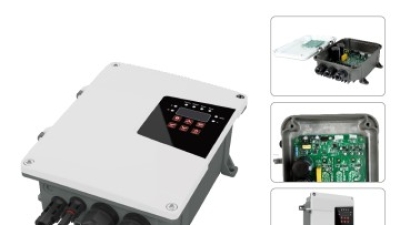
Borehole pumps are pretty essential when it comes to making sure we’ve got a steady water supply, whether it’s for farming, homes, or other uses. Lately, industry reports have been pointing out that the global market for these pumps is really booming. That’s mainly because there’s a growing need for efficient water extraction, especially in places battling water shortages. Thanks to technology advancing so quickly, these pumps are getting better and better — able to go deeper and use less energy, which is a big win.
At Zhejiang Rambo Intelligent Technology Co., Ltd. (we often just call ourselves ZRI), we truly understand how important it is to have top-notch water pump solutions, especially for borehole applications. We’ve been in the game for over 20 years, and we follow strict quality standards, including the IATF system. Our product lineup is pretty diverse — from solar-powered and submersible pumps to deep-well options. We’re all about innovation and quality because we want our borehole pumps to meet the unique needs of our customers. Ultimately, it’s about helping promote smarter, more sustainable water management worldwide.
Types of Borehole Pumps: An Overview of Options Available for Different Needs
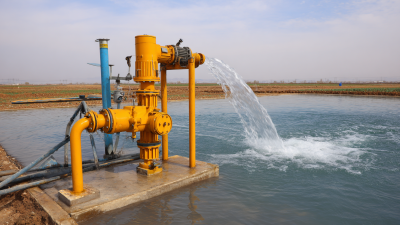
Borehole pumps are essential tools for effective water management, especially in agricultural and off-grid settings. There are various types of borehole pumps available, each designed to cater to specific needs such as irrigation, domestic water supply, or even industrial applications. Submersible pumps, for example, are ideal for deep boreholes and can efficiently lift water from significant depths. On the other hand, surface pumps can be used for shallower water sources and are easier to maintain.
The rising demand for sustainable water management solutions is influencing market trends, as noted in industry reports. For instance, the global borehole pump market is expected to grow at a CAGR of approximately 5% over the next few years, driven by increasing agricultural activities and the need for reliable water supply systems in both urban and rural areas.
Tips: When selecting a borehole pump, consider factors such as flow rate, depth of the borehole, and the type of water being pumped. Additionally, regular maintenance and monitoring are crucial to ensure optimal performance and longevity of the pump. Investing in high-quality pumps tailored to your specific needs can significantly enhance water management efficiency.
How Borehole Pumps Work: A Simple Explanation of Their Mechanisms
Borehole pumps serve as vital mechanisms in accessing groundwater, especially in areas afflicted by drought conditions. These submersible pumps are designed to operate underwater, drawing water from deep within the earth. The mechanics behind borehole pumps involve a motor that drives a pump impeller, which creates pressure and allows water to be pushed to the surface through a pipe. This design not only provides efficient water extraction but also minimizes the risk of contamination, making borehole pumps essential for sustainable water supply systems.
The global market for submersible pumps, including borehole pumps, is projected to grow significantly, with estimates suggesting an increase from $17.76 billion in 2025 to $27.74 billion by 2032, at a compound annual growth rate (CAGR) of 6.58%. Such growth underscores the rising demand for efficient water extraction methods, particularly in regions like the Horn of Africa, where decreasing rainfall and prolonged drought can leave communities without safe water. As innovations in pump technology continue to evolve, the implementation of borehole pumps will play a crucial role in enhancing water security and resilience against climate variability, benefiting both rural and urban populations.
Key Benefits of Using Borehole Pumps for Sustainable Water Supply
Borehole pumps are essential components in the provision of sustainable water supply systems, particularly in arid regions or areas with limited access to surface water. According to a report by the International Water Management Institute, over 1.1 billion people globally rely on groundwater for their daily water needs, making efficient extraction methods crucial. Borehole pumps, designed to operate in deep wells, enable users to access this vital resource efficiently and cost-effectively. These pumps utilize advanced technologies that enhance water yield and minimize energy consumption, often delivering up to 30% more water than traditional pumping methods.
The benefits of borehole pumps extend beyond efficiency. They are notably durable and low-maintenance, which is essential for sustainability. A study published by the World Health Organization highlighted that borehole installations can last over 25 years with proper care, significantly reducing the frequency and cost of replacements. Additionally, these pumps are capable of operating autonomously with renewable energy sources such as solar power, making them an environmentally friendly choice. By improving water supply reliability in underserved areas, borehole pumps contribute to enhanced living standards and economic stability, affirming their role in sustainable development initiatives worldwide.
Factors to Consider When Choosing a Borehole Pump for Your Project
When considering a borehole pump for your project, several factors come into play. Firstly, the depth of the borehole is crucial; a submersible pump is typically required for depths exceeding 25 feet, while a shallow well pump suffices for less. The pump's flow rate, measured in gallons per minute (GPM), should match the required water supply for your application. According to a recent industry report, borehole pumps can range from 1 GPM for residential needs to over 100 GPM for agricultural applications, illustrating the importance of tailored pump selection.
Additionally, the pump's material and durability should be considered, especially in regions with corrosive water qualities. High-quality stainless steel or thermoplastic materials can enhance longevity and performance, ensuring consistent water supply.
At Zhejiang Rambo Intelligent Technology Co., Ltd., we leverage over 20 years of expertise in manufacturing various water pump solutions, including solar and deep-well pumps. Our commitment to the IATF Quality Management System guarantees that customers receive premium products that meet rigorous industry standards. This thoughtful approach can significantly impact the efficiency and reliability of your water supply system.
Maintenance Tips for Ensuring Longevity and Efficiency of Borehole Pumps
Borehole pumps are crucial for providing a reliable water supply, especially in areas relying on well water. To ensure their longevity and efficiency, regular maintenance is key. This includes routine inspection of components such as the pump motor, impeller, and filters. Keeping the pump clean and free of debris will prevent clogs and improve performance. Additionally, monitoring the water quality is essential, as contaminants can damage the pump over time.
Implementing condition monitoring can further enhance the operational efficiency of borehole pumps. This technology allows for real-time assessment of pump performance, identifying potential issues before they escalate into major failures. By adopting a proactive maintenance approach, water supply systems can operate seamlessly, maximizing the lifespan of the equipment. As the global submersible pump market continues to grow, the focus on sustainable practices and efficient pumping systems is becoming increasingly important for water management.
What is a Borehole Pump? Understanding Its Use and Benefits for Water Supply - Maintenance Tips for Ensuring Longevity and Efficiency of Borehole Pumps
| Feature |
Description |
Benefits |
Maintenance Tips |
| Type |
Submersible and Surface Pumps |
Efficient water lifting |
Regular inspection of components |
| Performance |
Flow Rates 5 to 100 L/min |
High flow efficiency |
Keep intake screens clean |
| Power Source |
Electricity or Solar |
Sustainable energy options |
Check electrical connections regularly |
| Installation Depth |
Variable, up to 200 meters |
Access to deep groundwater |
Ensure proper sealing |
| Common Issues |
Clogging, Power Failure |
Maintains regular water supply |
Install pressure relief valves |
| Lifespan |
10 to 15 years with proper use |
Longevity provides cost savings |
Conduct annual professional servicing |
Future Trends in Borehole Pump Technology and Water Supply Solutions
The rising need for effective water management is a crucial trend influencing the future of borehole pump technology and water supply solutions. With global water resources becoming increasingly strained due to population growth and climate change, innovative approaches are essential to ensure a sustainable and reliable water supply. Borehole pumps play a critical role in extracting groundwater efficiently, which is vital for both drinking water and agricultural irrigation. Enhancing the performance and efficiency of these pumps can lead to significant improvements in water security, particularly in regions vulnerable to drought.
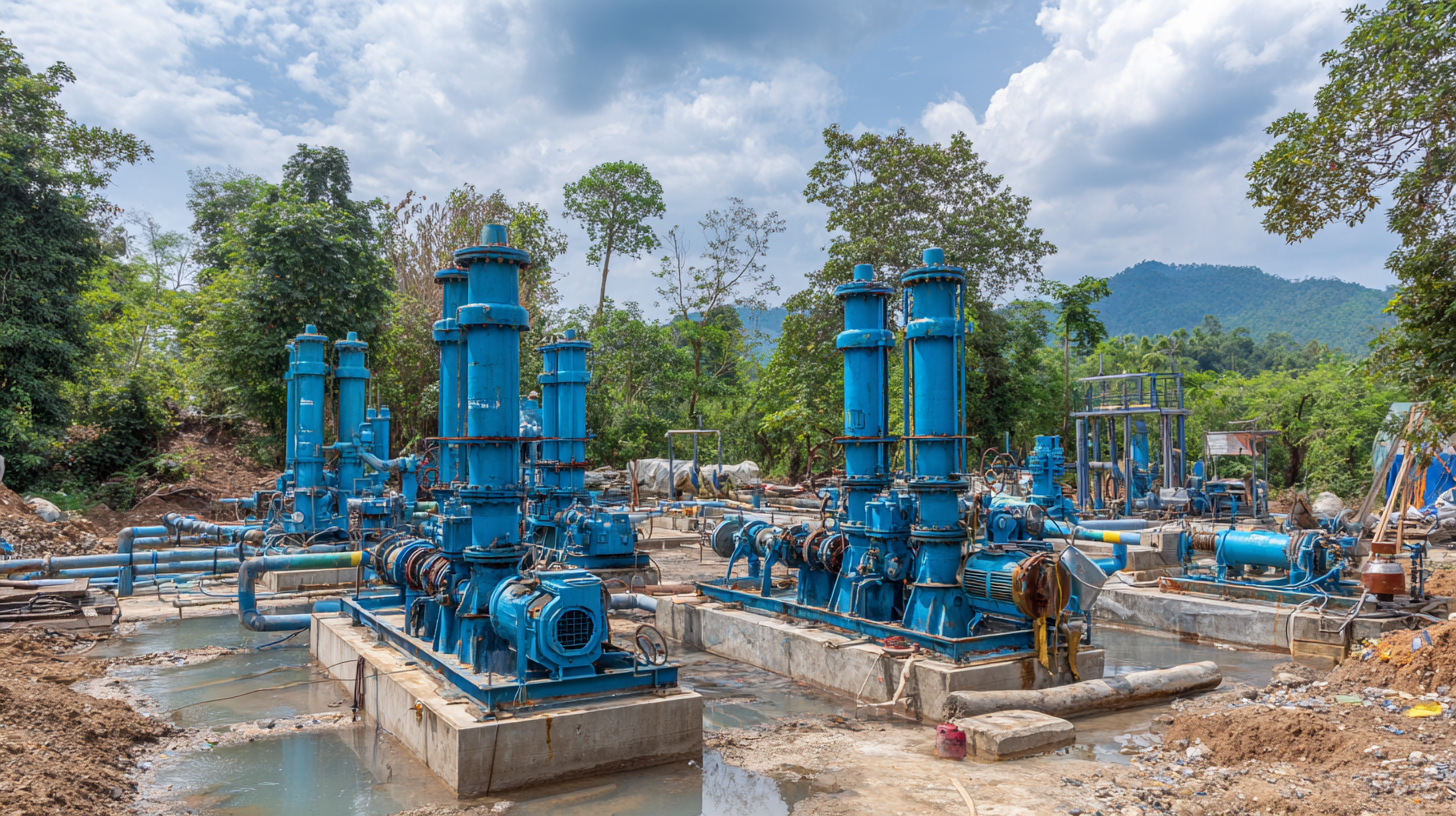
Moreover, the advent of advanced technologies, such as smart sensors and data analytics, is transforming the way borehole systems operate. These innovations enable real-time monitoring of water levels and pump performance, allowing for proactive maintenance and optimized usage. As stakeholders in the water management sector embrace these technologies, the potential for addressing challenges related to groundwater depletion and drought resilience expands significantly. Future developments in borehole pump systems will likely integrate renewable energy sources, contributing to a more sustainable approach to managing water supply in an increasingly resource-constrained world.
Optimizing Agricultural Efficiency: Insights from Industry Reports on ZRI Brushless Solar Water Pumps for Sustainable Irrigation Solutions
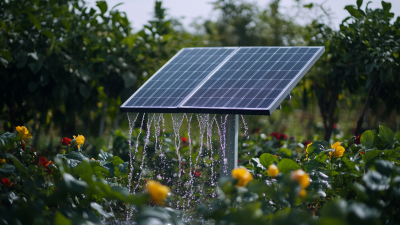
In the quest for sustainable irrigation solutions, industry reports highlight the remarkable efficiency of ZRI Brushless Solar Water Pumps. These innovative systems harness solar energy to power water distribution, significantly reducing reliance on traditional energy sources. By utilizing clean energy, farmers can access water sustainably while minimizing their environmental footprint. This transition not only supports eco-friendly agricultural practices but also aligns with the global movement towards renewable energy.
Solar-powered water pumps are not just an environmental choice; they are also economically savvy. The initial investment in solar technology is often offset by the reduction in operating costs associated with conventional fuel-based pumps. According to recent industry insights, these systems enable farmers to operate more efficiently with lower maintenance and energy expenses. As water scarcity becomes an increasing concern worldwide, ZRI Brushless Solar Water Pumps emerge as a viable solution that boosts agricultural productivity while preserving vital natural resources.
FAQS
: Borehole pumps are essential tools for effective water management, especially in agricultural and off-grid settings, used for irrigation, domestic water supply, and industrial applications.
The two main types of borehole pumps are submersible pumps, ideal for deep boreholes, and surface pumps, suitable for shallower water sources.
When selecting a borehole pump, consider the flow rate, depth of the borehole, type of water being pumped, and ensure regular maintenance for optimal performance.
The borehole pump market is expected to grow due to increasing agricultural activities and the demand for reliable water supply systems in both urban and rural areas, with a projected CAGR of approximately 5%.
Advanced technologies such as smart sensors and data analytics are transforming borehole systems by enabling real-time monitoring and proactive maintenance, leading to improved efficiency.
Efficient water management is vital due to the strain on global water resources caused by population growth and climate change, which makes sustainable solutions essential for water security.
Future developments in borehole pump systems will likely integrate renewable energy sources and innovative technologies to enhance performance and contribute to sustainable water management.
Borehole pumps are critical for efficiently extracting groundwater, which is essential for both drinking water and agricultural irrigation, particularly in regions vulnerable to drought.
Investing in high-quality pumps tailored to specific needs can significantly enhance water management efficiency and ensure effective water supply.
Conclusion
Borehole pumps are essential tools for accessing groundwater, playing a crucial role in sustainable water supply systems. They come in various types to meet different needs, including solar, submersible, and deep-well pumps. Understanding how these pumps work can help users select the right model for their specific projects, ensuring efficient water extraction and management.
Key benefits of borehole pumps include their ability to provide continuous and reliable water supply while minimizing environmental impact. Factors to consider when choosing a borehole pump include the water source depth, required flow rate, and energy efficiency. Proper maintenance is vital for ensuring the longevity and efficiency of these pumps. As technology evolves, future trends may introduce innovative solutions in water supply, enhancing the functionality and sustainability of borehole pumps. At Zhejiang Rambo Intelligent Technology Co., Ltd., we leverage our 20 years of experience to offer premium borehole pump solutions that adhere to the highest quality standards.








 Mr Youkee Kong