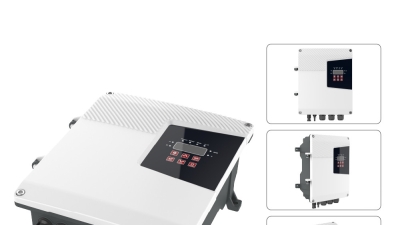
You know, in the world of renewable energy that's changing so fast, DC Pump Solar systems have really become a key player in making water management more efficient across different applications. But, let’s be real, meeting all those industry performance standards isn't a walk in the park. Manufacturers have to seriously tread carefully through this minefield. That's where Zhejiang Rambo Intelligent Technology Co., Ltd. comes in—they’re leading the charge by focusing on quality and keeping prices competitive against those big-name brands we all know.
With their high-tech production facilities and innovative processes, Rambo is all about coming up with
clever designs that tackle the complex performance issues of DC Pump Solar systems, making sure they’re both reliable and effective. They really prioritize quality, ethics, and looking out for their customers. So, not only do they stick to the industry standards, but they’re also pushing the envelope to set new benchmarks for excellence in the solar pump game.
In this blog, we’re going to dive into the challenges manufacturers face and shine a light on how Rambo's commitment to innovation is changing the game for DC Pump Solar technology.
Understanding Industry Standards for Solar DC Pumps
Getting your head around the industry standards for solar DC pumps is super important if you want your renewable energy systems to run smoothly and reliably. These standards cover all sorts of things like energy efficiency, how long the pump lasts, and even its impact on the environment. It’s really a no-brainer—manufacturers and installers need to know these benchmarks inside and out to provide products that not only meet regulations but also make customers happy with their performance and lifespan.
So here’s a tip: when you’re on the hunt for a solar DC pump, check for certifications that show the pump complies with industry standards. This gives you peace of mind about quality and can also boost your solar system’s efficiency, which means better energy output and actual savings in your pocket.
On top of that, knowing what these pumps are specifically designed for can really change the game when it comes to performance. I mean, depending on whether you're irrigating crops, raising fish, or just supplying water to your home, the requirements can be totally different. So, having a solid grasp of the standard specs for each scenario can help you pick the right pump and make sure it works well for what you need.
And one more thing: keeping up with regular maintenance and performance checks is a must if you want your solar DC pump to stay in line with those industry standards over time. Being proactive like this can save you from future headaches and help your system last longer.
Key Performance Metrics: What Every Solar DC Pump Should Meet
So, when you're checking out solar DC pumps, it's super important to wrap your head around some key performance metrics if you want to make sure they’re working efficiently and reliably. First off, you definitely want to look at the pump's efficiency rating. Ideally, it should be over 60% to really be considered efficient, according to industry standards—pretty much the gold standard, you know? I came across this study from the International Renewable Energy Agency (IRENA), which shows that pumps running at that benchmark or higher are way more likely to handle the energy needs of off-grid or remote setups without a hitch.
Then there’s the flow rate, which is another biggie. It can really affect how well the pump performs, especially in situations like irrigation or managing wastewater. The Global Solar Pumping Association recommends that any solar DC pump should shoot for at least 1,000 liters an hour to keep things running smoothly. Oh, and don’t forget about durability—how a pump holds up against different weather conditions can really make or break its long-term performance. For example, tough models that can deal with temperatures ranging from -10°C to 50°C are great because they’ll keep doing their job reliably all year round. Altogether, these metrics really help define how well a solar DC pump can operate and if it meets those industry standards.
Common Challenges in Achieving Optimal Efficiency
You know, getting the best out of solar-powered DC pumps isn't as easy as it sounds. There are quite a few bumps in the road that can really slow down progress in renewable energy tech. For starters, the way solar energy just doesn't come in a steady stream can really throw a wrench into things. On days with less sun, the energy input can be all over the place, which makes it tricky to keep everything running smoothly for important tasks.
Then there’s the whole tech side of things. We’re talking about integrating these solar pumps with systems that are already in place, and that can get pretty complicated. Finding the right match for variable speed controllers and making sure there's an accurate monitoring system in place can definitely make things a bit of a headache. To tackle all this, everyone involved really needs to put their heads together and come up with some solid testing approaches to ensure our setups meet industry standards.
If you're looking for ways to break through these efficiency barriers, investing in some cutting-edge monitoring tech that uses AI could be a game changer. It can help predict and tweak system performance in real-time, which is super helpful. And don’t forget about regular maintenance and calibration – they go a long way in cutting down on inefficiencies. Plus, teaming up with manufacturers and researchers can spark some innovative ideas that really improve how we integrate renewable energy, ultimately boosting the efficiency of solar-powered DC pumps.

Case Studies: Successful Innovations in Solar DC Pump Design
You know, innovations in solar DC pump design are super important if we want to tackle the hurdles of hitting those industry standards for peak performance. A bunch of recent case studies have really shown off some exciting advancements. For instance, the use of high-efficiency brushless motors can boost energy conversion rates by a whopping 30%! And check this out: IoT technology has made its way into solar DC pumps, enabling us to monitor things in real time and analyze data. This not only optimizes performance but also cuts down on downtime. A report from the International Renewable Energy Agency (IRENA) mentions that these new design features could actually help lower operational costs by up to 15% each year.
If you’re looking to improve your solar DC pumps, here are a few key tips to keep in mind: First off, make sure you choose pumps that are specifically designed for solar applications. Trust me, it really makes a difference in terms of compatibility and efficiency. Second, don’t forget that regular maintenance and timely upgrades—like changing out inverters or controllers—can really extend the life and performance of your system. Oh, and consider using solar tracking systems! They can really amp up your energy capture, enhancing how your pump operates. There’s this study by the National Renewable Energy Laboratory that found these systems could increase energy efficiency by as much as 25%.
By jumping on board with these modern design innovations and practical tips, we can look ahead to better performance from solar DC pumps. Let's make sure we not only meet those strict industry standards but actually exceed them!
Challenges in Meeting Industry Standards for Best DC Pump Solar Performance
Regulatory Compliance: Navigating the Standards Landscape
Trying to navigate the tricky world of regulatory compliance can be quite the headache for manufacturers of DC pump solar systems. It’s a real juggling act, especially when the industry is trying to boost efficiency and performance while sticking to national and international standards, which are super important. You might not know this, but the International Electrotechnical Commission (IEC) found that a good chunk of solar pump systems out there—almost 30%—aren’t quite cutting it when it comes to efficiency and safety. And that’s mainly because they just aren’t following the necessary regulatory standards properly.
But wait, it gets even more complicated! The fact that there are different standards across regions really adds to the confusion. Research shows that when regional standards don't align, it can seriously hold back innovation and efficiency in the market. For example, the National Renewable Energy Laboratory (NREL) has pointed out that differences in how performance is tested can create a gap of up to 25% in performance ratings between different certifying bodies. That’s a big deal! Not only does this inconsistency drive up compliance costs for manufacturers, but it also leaves consumers scratching their heads about how reliable and effective these solar pump systems really are in various conditions. So yeah, figuring out this maze of regulations is crucial for everyone involved, from industry folks to everyday users.
Challenges in Meeting Industry Standards for Best Dc Pump Solar Performance - Regulatory Compliance: Navigating the Standards Landscape
| Challenge |
Description |
Impact on Performance |
Regulatory Standard |
Compliance Status |
| Efficiency Testing |
Difficulty in accurately measuring pump efficiency |
Reduced system performance and higher energy costs |
ISO 9001 |
Pending |
| Material Standards |
Compliance with durable and safe material specifications |
Risk of product failure and safety hazards |
ASTM D3039 |
In Compliance |
| Noise Emission |
Regulating acceptable sound levels during operation |
Potential discomfort for users and local regulations |
ISO 3767 |
Pending |
| Electrical Safety |
Ensuring all electrical components meet safety standards |
Risk of electrical failures or accidents |
IEC 60335-2-41 |
In Compliance |
| Environmental Impact |
Minimizing ecological footprint of manufacturing processes |
Public perception and regulatory penalties |
ISO 14001 |
Pending |
Future Trends: Improving Solar Pump Performance Standards
You know, the renewable energy scene is really picking up steam, and solar pumps are playing a huge role in tackling agricultural and water supply issues sustainably. Looking ahead, it seems like we're going to see some big changes aimed at boosting the performance of these solar pumps to meet industry standards and improve efficiency. Manufacturers are really getting into the game, pouring resources into cool tech like smart controllers and ultra-efficient motors to make DC pumps work even better. These innovations are all about using energy more smartly while cranking up the amount of water output—so it’s a win-win for both productivity and the environment.
Plus, it's super important to get standardized testing protocols in place. This way, we’ll make sure we have consistency and reliability when it comes to how solar pumps perform. Setting clear benchmarks means everyone can compare different models against the best practices out there. It’s going to take some teamwork among manufacturers, researchers, and regulators to really nail down those performance metrics and keep improving things. As the market for solar solutions grows, hitting these new standards will not only boost product quality but will also make consumers feel way more confident in solar pumping tech.
Harnessing Nature: The Benefits of the Zri 4 Inch AC/DC Hybrid Solar Water Pump for Sustainable Water Solutions
Harnessing nature for sustainable water solutions has never been easier than with the Zri 4 Inch AC/DC Hybrid Solar Water Pump. This innovative pump cleverly combines the efficiency of solar power with the reliability of AC and DC operations, making it a perfect choice for both residential and agricultural applications. With its cutting-edge Maximum Power Point Tracking (MPPT) technology, the Zri pump maximizes energy efficiency by adjusting its operation to harness the optimal power from the solar panels, ensuring consistent water flow even on cloudy days.
The Zri pump is designed with versatility and user control in mind. Its Digital Signal Processing (DSP) technology allows for precise running speed control, enabling stepless speed regulation to adapt to various water delivery needs. Whether you’re irrigating a garden or supplying water to livestock, you can set the exact performance you require. Additionally, the built-in timing function enables users to schedule the pump’s activity, optimizing energy use and minimizing costs. Safety features, such as overcurrent protection, ensure that the motor automatically stops if it becomes jammed, protecting the device from potential damage and enhancing longevity. Embrace sustainable water management with the Zri 4 Inch pump, and experience the benefits of harnessing renewable energy for your water needs.
FAQS
: Understanding industry standards is crucial for ensuring optimal performance, reliability, energy efficiency, durability, and minimizing environmental impact in renewable energy systems.
It's vital to look for certifications indicating compliance with industry standards, which assures quality and enhances the overall efficiency of your solar system.
Different applications, such as irrigation, aquaculture, or domestic water supply, have varying requirements, so understanding the standard specifications for each can help in selecting the right pump.
Regular maintenance and performance assessments can help ensure ongoing compliance with industry standards, prevent potential issues, and prolong the system's life.
Manufacturers face challenges in navigating a complex landscape of national and international standards, as many installed solar pump systems do not meet required efficiency and safety benchmarks.
Variances in standards can inhibit innovation and efficiency, leading to performance discrepancies that create uncertainty for consumers regarding the reliability and effectiveness of solar pump systems.
Reports suggest that nearly 30% of solar pump systems installed globally fail to achieve their rated performance due to poor compliance with regulatory standards.
Inconsistencies can lead to discrepancies in performance ratings, increasing compliance costs for manufacturers and creating uncertainty for consumers about the effectiveness of solar pump systems.





 Mr Youkee Kong