Inquiry
Form loading...
0%

More and more folks are turning to renewable energy solutions these days, and AC/DC solar pump systems are really leading the charge in making farming and irrigation stuff more sustainable. According to IRENA, the global market for solar pumps is expected to skyrocket and hit around $1.5 billion by 2026—that’s quite a jump! That said, using these systems isn’t without its hiccups. Some people bump into high installation costs, occasional maintenance headaches, and the fact that energy output can really vary depending on the sunlight—kind of frustrating, right? To help tackle these issues, Zhejiang Rambo Intelligent Technology Co., Ltd. has stepped up with high-quality, affordable AC/DC solar pump solutions that meet international standards. Thanks to our cutting-edge manufacturing processes, innovative designs, and state-of-the-art facilities, we’re committed to offering products that are reliable and efficient—pretty much on par with the big global brands. At Rambo, we really focus on quality, ethics, and putting our customers first. Bottom line? Our pumps are a smart choice for anyone looking to sustainably manage water—essentially, making a positive impact without breaking the bank.
Challenges Faced by Users of Ac Dc Solar Pump Systems

Challenges in Sizing AC DC Solar Pump Systems for Optimal Efficiency

Picking the right size for AC or DC solar pump systems isn't as straightforward as it might seem, and messing it up can really hit both performance and your wallet. According to a report from the Solar Energy Industries Association (SEIA), if you don’t get the sizing just right, you could end up with less energy output and higher operational costs — we're talking efficiency losses of up to 30%. So, it’s super important to do your homework and figure out exactly how big your pump needs to be, based on things like how much water you need, how much sunlight you get, and what the system components are. Skipping this step can cost you a lot down the line.

On top of that, environmental factors really throw a wrench into the sizing process. A study by the International Renewable Energy Agency (IRENA) points out that things like temperature swings and humidity can really influence how much power your solar setup can produce. For example, a system that's perfectly tuned for one location might not work as well somewhere else—climate makes a big difference. That’s why it’s so important to do a proper site assessment and keep local conditions in mind. Basically, understanding these details helps make sure your system is just right for your specific needs. This whole process can be pretty complex, which is why chatting with experts during the design and setup stages is often a good idea. It can save you headaches and boost your system’s efficiency in the long run.

Challenges Faced by Users of AC DC Solar Pump Systems

Impact of System Configuration on Performance of Solar Pump Systems

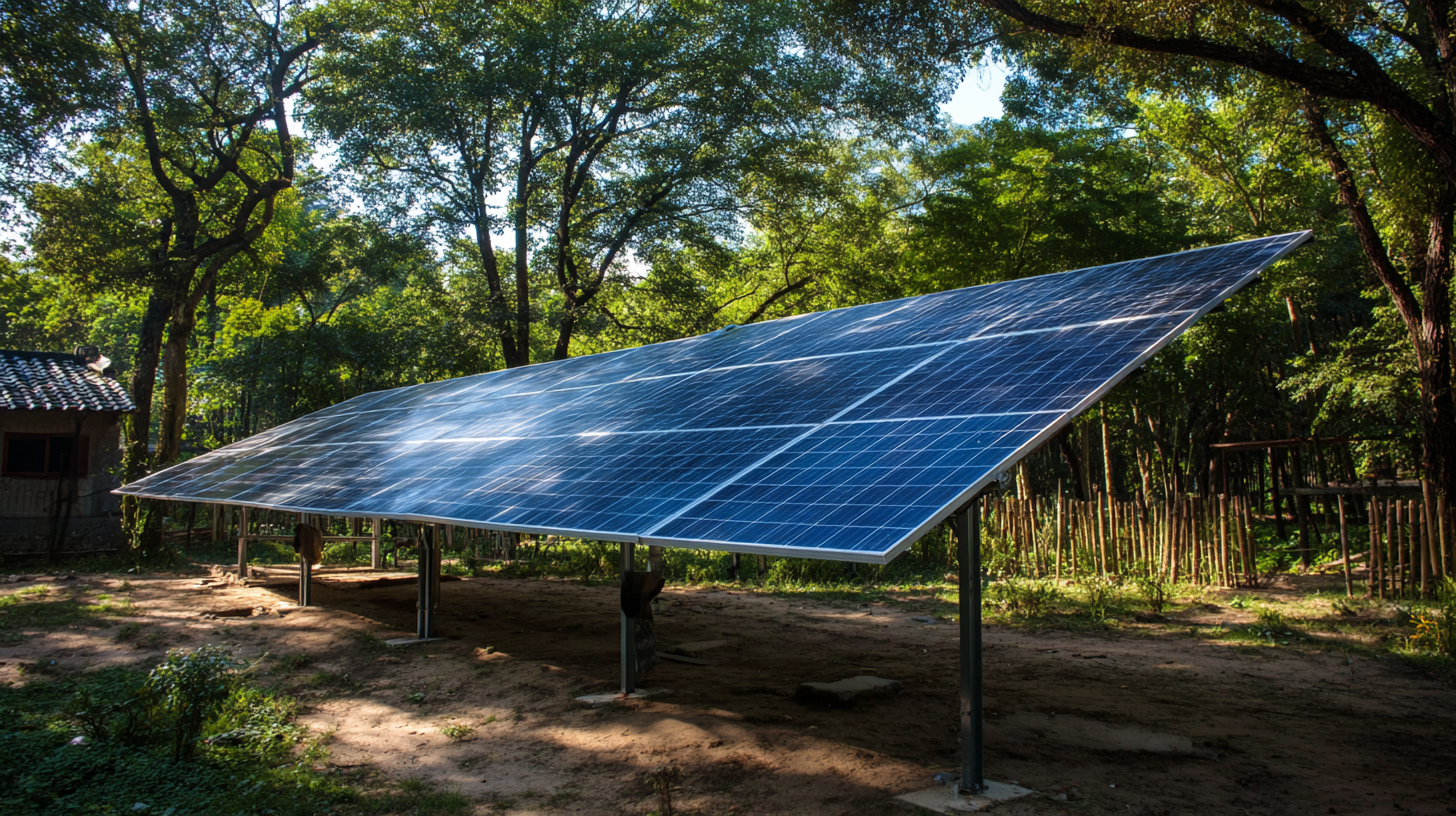
You know, how well an AC/DC solar pump system works really depends a lot on how it’s set up. Things like how you arrange the solar panels, what kind of inverter you go with, and the overall design all matter a ton when it comes to pump performance. For example, if everything’s optimized properly, those panels can soak up the maximum sunlight, giving enough energy to run the pump smoothly. But if the panels are placed poorly or the components don’t match up well, you might end up losing energy, which can make the system less effective—frustrating, right?

And then there’s the whole debate between AC and DC systems. Generally, DC pumps are better if you're working with lower power needs—they tend to be more efficient in those cases. On the flip side, AC systems are great for bigger setups, but they can be a bit trickier to install and might cost more upfront. Oh, and don’t forget, things like the size of the pump, the height of the water head, and how much water you need all have to match what the solar setup can actually deliver. It’s kind of a balancing act, really! That’s why planning carefully and maybe even chatting with an expert can save you headaches down the line when choosing and installing your solar pump system.

Challenges Faced by Users of Ac Dc Solar Pump Systems - Impact of System Configuration on Performance of Solar Pump Systems

Configuration Type Common Challenges Performance Impact User Feedback
Stand-Alone Systems Intermittent power supply Reduced efficiency during low sunlight Need for regular maintenance
Grid-Tied Systems Dependency on grid stability Optimal performance during high demand Generally positive, but concerns over outages
Hybrid Systems Complexity in configuration Balanced output throughout varying conditions Versatile, but requires more training
DC Solar Pump Systems Voltage regulation issues Variable performance More efficient, but challenging setup
AC Solar Pump Systems Higher initial costs Stable output in most conditions Positive, though ROI can be slow

Economic Analysis: Initial Costs vs. Long-Term Savings for Users

Switching to AC/DC solar pump systems can really save you a good chunk of money in the long run, but let's be honest—those initial costs are pretty hefty. When you’re looking at the upfront expenses, it’s mainly the solar panels, pumps, and all the infrastructure needed that can give folks pause. I mean, it’s a lot at once, right? That said, once everything’s set up, your ongoing costs drop significantly because solar energy cuts down your electricity bills a lot. Over time, many people see the investment pay off through lower utility bills and less regular maintenance.

Challenges Faced by Users of Ac Dc Solar Pump Systems

A good tip? Do a detailed financial rundown before jumping in—think about potential savings and how long it’ll take to break even. It really helps to get a clear picture of whether it’s worth it in the long haul.

Also, don’t forget to check out government incentives or rebates. These financial perks can really help cut down the initial costs and make switching to solar more appealing and affordable. They’re out there—so a little research on local and federal programs could make a big difference in making the switch easier and more cost-effective.

Maintenance and Reliability Issues in AC DC Solar Pump Systems

When it comes to AC/DC solar pump systems, keeping them in good shape and making sure they’re reliable can really be a challenge. Unlike regular pumps, solar ones totally depend on the weather and how much sun they get. So, you might notice they don't perform as well during cloudy days or if you’re somewhere that doesn’t get much sunlight. Because of that, people often have to spend a bit of time checking on their systems regularly and doing maintenance to keep everything running smoothly and efficiently.

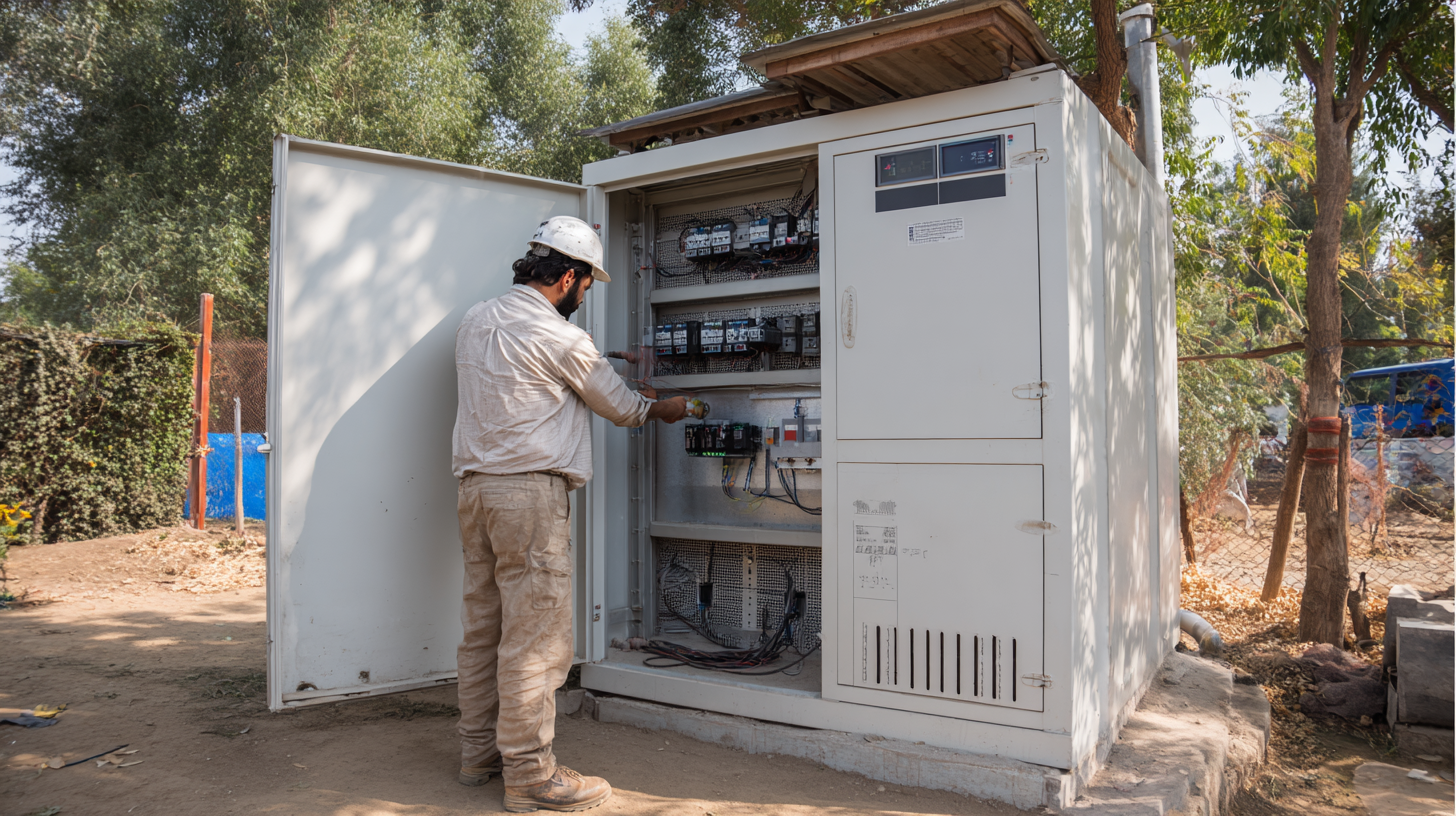
And it’s not just the weather—these systems can be a bit tricky because of all the different parts involved, like inverters, solar panels, and batteries. If something goes wrong with one piece, it can mess up the whole system and cause unexpected downtime. Finding replacement parts can also be a headache, especially if you're out in the middle of nowhere. So, having a good maintenance routine is super important — it helps extend the life of your system and keeps things working without surprises. That’s why it’s a smart idea to stay on top of regular inspections and servicing, so you can deal with any issues before they turn into big problems.

Challenges Faced by Users of Ac Dc Solar Pump Systems

Technological Innovations Addressing Common User Challenges

The advancements in AC/DC solar pump systems have really opened up a new chapter for agriculture and water management—making things more efficient and environmentally friendly. But, honestly, a lot of users still run into problems like inconsistent performance, steep upfront costs, and the ongoing need for maintenance. I mean, a report from the International Renewable Energy Agency (IRENA) even mentions that up to 30% of these solar pump setups have issues, often because of poor system design or not quite matching what users actually need.

That said, things are slowly changing thanks to some pretty exciting tech innovations. Take smart inverter technology, for example—it allows for real-time monitoring and tweaks to optimize energy use, which really helps keep things running smoothly. The World Bank’s study shows that regions using these smarter systems can boost pump efficiency by up to 25%, which is pretty impressive. Plus, newer materials and better design mean parts last longer, so users don’t have to fork out as much for repairs and upkeep. All of this combined is making solar pumps more reliable and affordable, even for folks who are a bit tight on money and careful with their expenses.

Environmental Factors Influencing the Effectiveness of Solar Pump Systems

When it comes to AC/DC solar pump systems, their performance really depends a lot on the environment around them. IRENA’s reports highlight something pretty interesting—it turns out that how much sunlight a place gets makes a huge difference. If you're in an area with plenty of sunshine, you’ll probably see a big boost in water output. But, if the sunlight is pretty weak or inconsistent, the pumps might not work so well, which can really affect farming and water supplies.

And then there’s the temperature to think about. According to some research from the Journal of Solar Energy Engineering, when it gets hotter than about 35°C, the efficiency of those solar panels tends to drop, which means the pumps might not perform as reliably. In places where temperatures jump around a lot during the day, folks might struggle to keep a steady flow of water—knocking their irrigation schedules off track, basically.

At Zhejiang Rambo Intelligent Technology Co., Ltd., we totally get these challenges. That’s why we put so much effort into our manufacturing process and designing systems that can handle different environmental conditions. We focus on quality and making sure our solutions meet our customers’ needs. Our goal is to deliver solar pump systems that perform reliably, no matter what Mother Nature throws at them. We’re committed to high standards so that our products can compete globally and serve the diverse needs of our clients, wherever they’re located.

Harnessing Solar Power: The Benefits and Efficiency of 3 Inch DC Brushless Screw Solar Pumps

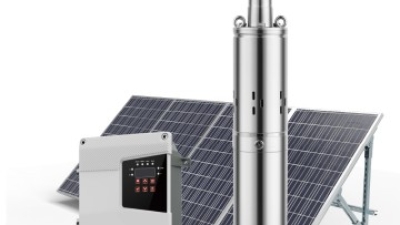
Harnessing solar power has become increasingly popular due to its numerous benefits and the efficiency it brings to various applications. Among these applications, the 3 Inch DC Brushless Screw Solar Pumps stand out as an exemplary solution for those seeking an eco-friendly and cost-effective means of water movement. These pumps utilize solar energy to operate, eliminating the need for electricity from the grid and reducing the overall carbon footprint.

The efficiency of 3 Inch DC Brushless Screw Solar Pumps is particularly noteworthy. Their brushless motor design minimizes energy loss and maximizes performance, allowing for smooth operation even in low-light conditions. This means that users can rely on consistent water supply throughout the day, with the ability to efficiently pump large volumes of water for irrigation, livestock needs, or residential use. The combination of solar power and advanced pumping technology results in a sustainable and reliable solution that can significantly lower water management costs.

In addition to their efficiency, solar pumps offer flexibility in installation and maintenance. They can be set up in remote locations where traditional power sources are unavailable, making them ideal for farmers and communities in rural areas. With minimal maintenance requirements and a durable design, these pumps provide a long-lasting solution that aligns with modern sustainability goals. Investing in 3 Inch DC Brushless Screw Solar Pumps not only helps in harnessing solar energy but also contributes to a greener future.

FAQS

: What are the main challenges in sizing

C DC solar pump systems for optimal efficiency?

How do environmental factors affect the performance of solar pump systems?

Environmental variables, such as temperature fluctuations and humidity levels, significantly affect the system's output capacity. A system optimized for one geographical location may not perform similarly in another due to these differences.

What initial costs should users consider when investing in solar pump systems?

Users should consider the upfront costs of purchasing solar panels, pumps, and necessary infrastructure, which can be substantial. These costs can deter users despite the long-term savings on operational expenses.

What are the long-term savings associated with AC DC solar pump systems?

After setup, operational costs are considerably lower as solar energy reduces electricity expenses, leading to potential savings on utility bills and maintenance costs over time.

How can users evaluate the financial feasibility of a solar pump system?

Users should conduct a thorough financial analysis that includes an assessment of potential savings, payback periods, and any available government incentives or rebates that may offset initial costs.

What are the impacts of solar irradiance on the effectiveness of solar pumps?

Higher solar irradiance levels increase the efficiency and water yield of solar pumps, while consistently low sunlight can lead to inefficient operation, impacting agricultural productivity and water supply.

How do temperature variations influence solar pump system efficiency?

Temperatures above 35°C can reduce the efficiency of solar panels, which may lead to decreased performance in pump systems, making it challenging to maintain consistent water flow, especially for irrigation.

What should users do to ensure their solar pump systems are properly sized?

Users must conduct thorough site assessments considering local conditions and, if necessary, consult experts during the design and implementation phases to ensure the systems are adequately sized.

How can financial incentives benefit users transitioning to solar pump systems?

Government incentives and rebates can significantly reduce the overall expenditure of installing solar systems, making them a more attractive option by bridging the gap between high initial costs and long-term savings.

Conclusion

Hey, have you checked out the blog titled "Challenges Faced by Users of AC DC Solar Pump Systems"? It dives into some of the common hurdles people run into when trying to get these systems working at their best. The article does a good job stressing how crucial it is to get the sizing just right — otherwise, you might not get the efficiency you're aiming for. It also points out how the way you set up the system can really make a difference in how well it performs. One thing I found interesting is the part about costs — weighing the upfront expenses against the savings you’ll see over time, which really shows how important it is to plan ahead. They don’t forget about maintenance and reliability either—since these are key if you want your system to keep running smoothly and keep your trust as a user. Plus, the blog talks about new tech innovations as a way to tackle some of these issues, and they highlight how environmental factors play a role in how well these solar pumps work overall.

At Zhejiang Rambo Intelligent Technology Co., Ltd., we’re all about delivering top-quality AC DC Solar Pump solutions. Our goal is to not just meet international standards, but also to put user needs first by using advanced tech and smart designs. We really focus on quality and being customer-friendly, which helps us stand out and stay competitive in this space.

Isabelle

Isabelle

Isabelle is a dedicated marketing professional at Zhejiang Lanbo Intelligent Technology Co., Ltd., where her expertise in the field shines through her work. With a deep understanding of the company's innovative products, she plays a pivotal role in conveying the brand's message and values to a......
Previous Global Insights on the Future of Dc Pump Solar Technologies in 2025