Leave Your Message
0%

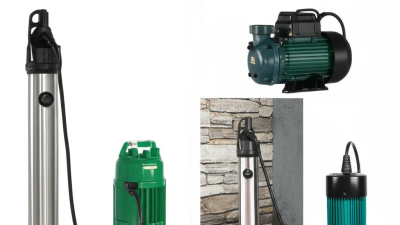
Hey, in today's world, having clean water isn’t just a luxury — it's a total must-have. If you’re dealing with deep groundwater — say, for a farm or a big property — a Deep Well Submersible Pump can really be a game-changer. Did you know that nearly 15 million households in the U.S. depend on groundwater for their daily water needs? That’s a ton of folks relying on these systems, which just goes to show how crucial it is to have something you can trust to keep things flowing smoothly.

These pumps are built to last. They work underwater — kinda crazy when you think about it — and they keep a steady flow going no matter what. According to the U.S. Geological Survey, they can even handle depths of up to 1,000 feet! Picking the right pump isn’t just about getting water — it’s about making sure everything runs efficiently and reliably. Sometimes, people don’t give enough thought to quality, but honestly, investing in reputable brands like Grundfos or Goulds Water Technology can make a big difference — not just now, but in the long run, since good quality means less maintenance and a longer lifespan. Making the right choice here can really make your water management way easier and more dependable.
Why Choose a Deep Well Submersible Pump for Your Water Needs?

Advantages of Deep Well Submersible Pumps for Water Extraction

Deep well submersible pumps offer significant advantages for water extraction. According to a report by the International Water Association, these pumps can operate at depths of over 300 feet. This depth capability makes them ideal for regions with limited surface water. They are efficient in drawing water from aquifers. These pumps minimize the risk of contamination from surface pollutants.

A deep well submersible pump can maintain a constant flow rate with high energy efficiency. Studies show that they consume up to 30% less energy than traditional pumps. This efficiency translates to lower utility bills. Many pumps are designed to withstand harsh conditions, extending their lifespan. However, issues such as sediment buildup can impede performance. Regular maintenance is crucial to ensure peak efficiency.

In addition, they are often quieter than above-ground pumps. This feature is particularly appealing for residential areas. Deep well submersible pumps also require minimal surface space, making them perfect for tight landscapes. Still, installation can be complex. Property owners need to consider local regulations and environmental impacts. Balancing efficiency and sustainability is essential for long-term success.

Understanding the Operating Mechanism of Submersible Pumps

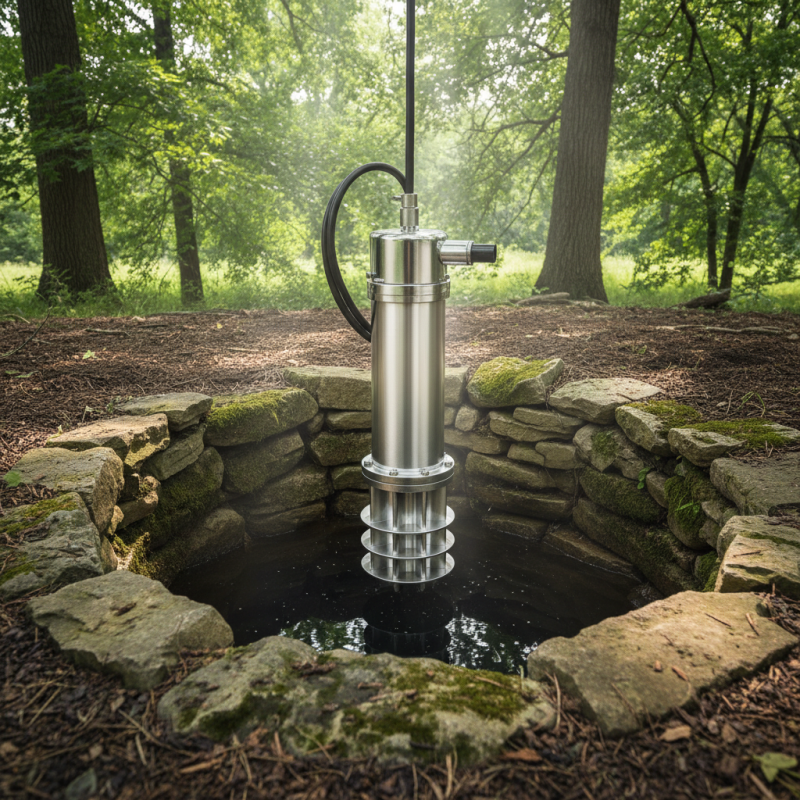
Submersible pumps are essential for accessing groundwater. They work by being fully submerged in water. This feature allows them to push water to the surface efficiently. The design includes a motor, impeller, and housing. The motor powers the impeller, which moves water upward. Industry reports suggest that submersible pumps can operate at depths of over 400 feet. This capability is vital for agricultural and residential use.

Understanding how they operate can guide better choices. Pressure ratings often exceed 150 psi in commercial applications. This factor is crucial when considering the pump's efficiency and ability to sustain longer distances. Regular maintenance is necessary, though. Pumps can suffer from issues like clogging or wear. A report by the International Water Association highlights that 30% of pumps face operational issues due to inadequate service.

Efficiency is often a trade-off. Higher efficiency can lead to higher upfront costs. Additionally, energy consumption varies greatly among different models. Users should assess their needs carefully. Sometimes, cheaper alternatives may seem appealing, but they can lead to poor performance. It’s essential to consider both short-term and long-term costs in decision-making.

Key Specifications: Flow Rate and Pump Depth Requirements

When considering a deep well submersible pump, flow rate and pump depth are crucial elements. The flow rate refers to how quickly the pump can deliver water. For households, typical flow rates range from 5 to 15 gallons per minute. However, needs can vary. Some may require higher rates for larger properties or irrigation. Determine your needs based on water usage.

Pump depth requirements are equally important. Submersible pumps are designed for deep wells, often reaching depths greater than 100 feet. It’s vital to measure the well depth accurately. A deep pump may provide stable water pressure. But, an improperly sized pump can lead to inefficiencies. Too much capacity can waste energy, while too little may not meet water demands.

Consider the materials used as well. Corrosion-resistant materials are essential for longevity. However, they can be expensive. Investing in quality components can save money in the long run. Reflect on the installation process as well. DIY may save money but can lead to costly errors if not done correctly. Evaluating these factors can help you make an informed choice.

Energy Efficiency and Cost-Effectiveness of Submersible Pumps

When considering water needs, energy efficiency is a significant factor. Deep well submersible pumps offer advantages in this area. They operate underwater, reducing energy loss. This design allows for better suction and discharge, which translates into less energy consumption during operation.

Cost-effectiveness is also crucial. While the initial investment may be higher than traditional pumps, the long-term savings can outweigh this. Lower energy bills result from efficient pumping. Moreover, maintenance costs for submersible pumps tend to be lower. Their robust design allows for more extended use without frequent repairs.

However, installing a deep well pump can be challenging. It requires careful planning and expertise. Many people overlook this aspect, leading to potential installation issues. Regular checks are necessary to ensure efficiency. Ignoring maintenance can decrease effectiveness over time. It's essential to weigh these factors when choosing the right pump for your needs.

Applications of Deep Well Pumps in Agriculture and Residential Use

Why Choose a Deep Well Submersible Pump for Your Water Needs?

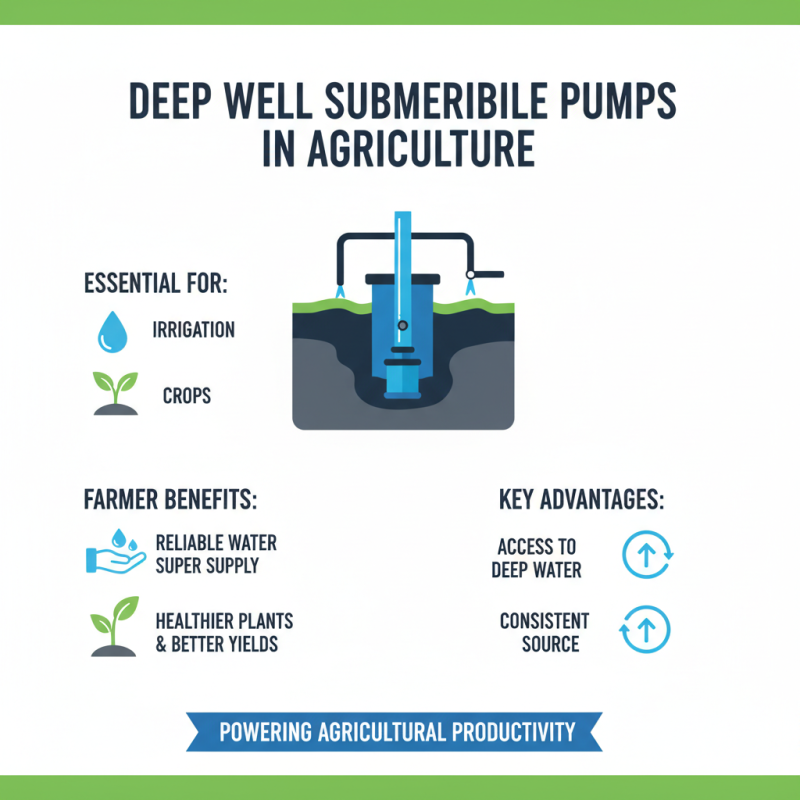
Deep well submersible pumps are essential for various applications. In agriculture, they provide reliable water supply for irrigation. Farmers depend on these pumps to maintain their crops. A consistent water source leads to healthier plants and better yields. Many farms benefit from using deep well pumps. The ability to draw water from significant depths ensures they can access necessary resources.

In residential settings, these pumps fulfill essential water needs. Homeowners can supply water for daily use, gardening, and even small livestock. A properly installed deep well pump can significantly reduce reliance on municipal water systems. However, some might overlook the need for regular maintenance. A malfunctioning pump can disrupt water supply and lead to inconvenience.

Tips: Always check the pump's depth and capacity before installation. It’s crucial to ensure it can meet your specific demands. Regular inspection can prevent costly repairs down the line. Engage with professionals who understand the intricacies of deep well systems to avoid common pitfalls.

Maintenance Considerations for Optimal Performance of Submersible Pumps

Deep well submersible pumps are vital for reliable water access. However, maintaining these pumps can sometimes be overlooked. Regular maintenance is essential for optimal performance and longevity. Simple practices can prevent serious issues down the line. Checking for leaks or unusual noises can go a long way. These signs should not be ignored.

Another important factor is regular cleaning. Debris can build up in the pump, causing it to work harder than necessary. This can lead to premature wear. Inspecting the pump’s components, such as seals and bearings, is crucial. It seems minor, but these parts impact efficiency. Routine inspections can help catch problems early.

Lastly, ensure proper water quality. High levels of sediment can damage the pump. It is worth investing time in filtration systems. This can extend the pump's life and improve water quality. Remember, neglecting maintenance can lead to costly repairs or replacements. This reality calls for a commitment to care and attention.

Comparison of Deep Well Submersible Pumps with Other Pump Types

Why Choose a Deep Well Submersible Pump for Your Water Needs?

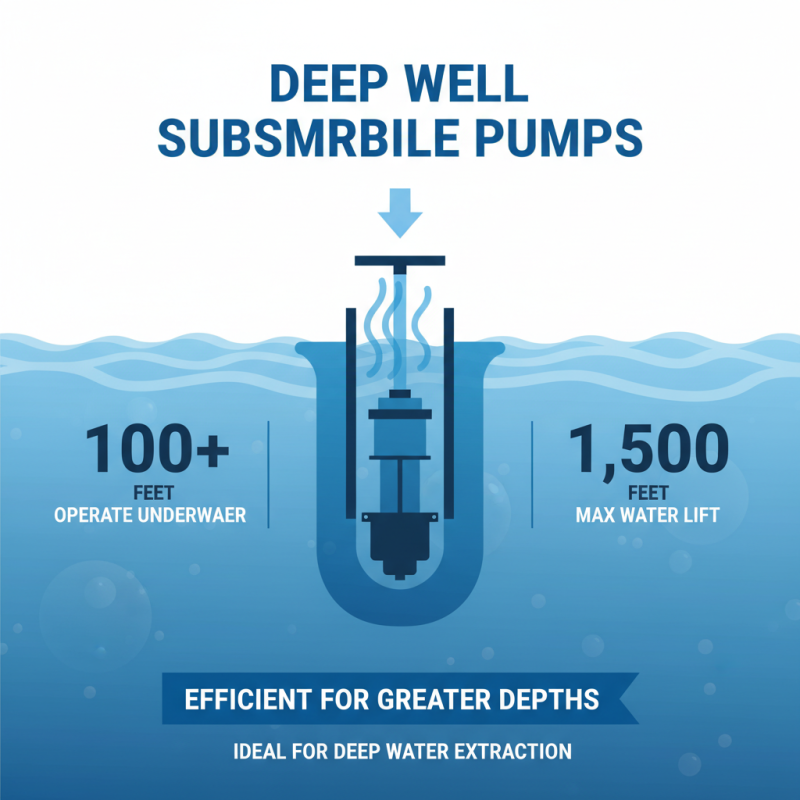
When it comes to selecting a pump for deep water extraction, deep well submersible pumps stand out. These pumps operate underwater and are efficient for greater depths, often exceeding 100 feet. According to industry reports, they can lift water from depths up to 1,500 feet, making them ideal for deep well applications.

In comparison to surface pumps, submersible pumps are often more efficient. They can handle higher pressures and maintain consistent water flow. Surface pumps may struggle with high static head conditions, while submersible pumps work effectively without losing prime. Research indicates that submersible pumps can operate with an efficiency of up to 70%, depending on the model and depth.

**Tip:** If you're considering a deep well submersible pump, ensure compatibility with your water source and needs. Evaluate the total dynamic head (TDH) to choose the right pump size.

Another consideration is maintenance. Submersible pumps require less frequent servicing compared to other types. However, they can be more complex to troubleshoot. If issues arise deep underground, retrieval may be challenging.

**Tip:** Regularly monitor your pump's performance. Look out for strange noises or drops in water pressure. Early detection can save significant repair costs.

Maximizing Water Access: The Benefits of the S4/6SC Solar-Powered Centrifugal Borehole Pump for Sustainable Irrigation Solutions

Access to reliable water sources is critical for sustainable agriculture, particularly in regions facing water scarcity. The S4/6SC solar-powered centrifugal borehole pump represents a significant advancement in water management technology, offering efficient irrigation solutions that are both environmentally friendly and economically beneficial. Recent studies indicate that solar-powered irrigation systems can reduce operational costs by approximately 80% compared to traditional diesel-powered systems, making them a viable option for farmers in developing regions.

The S4/6SC pump is designed to harness solar energy effectively, converting sunlight into mechanical energy to pump water for irrigation purposes. According to industry reports, the use of solar pumps can increase crop yields by up to 30%, as they provide consistent water supply during critical growth phases. Additionally, with an average lifespan of over 15 years, these pumps offer a long-term solution to water access challenges, diminishing the reliance on conventional energy resources and minimizing carbon footprints.

Moreover, integrating solar-powered borehole pumps into irrigation systems can enhance food security by supporting sustainable farming practices. The World Bank estimates that sustainable irrigation practices can uplift the livelihoods of approximately 1 billion farmers globally, contributing to poverty alleviation and economic growth. By maximizing water access through innovative technologies like the S4/6SC pump, we can help create a more resilient agricultural sector that can thrive in the face of climate change and water scarcity challenges.

FAQS

: What are the key features of effective communication?

: Effective communication involves clarity and active listening. It requires empathy and understanding the audience's perspective.

How can I improve my public speaking skills?

Practice regularly in front of a mirror or with friends. Focus on your body language and maintain eye contact.

Why is feedback important in communication?

Feedback helps identify areas for improvement. It also fosters collaboration and enhances relationships among individuals.

What common barriers hinder effective communication?

Noise, distractions, and misunderstandings can disrupt communication. Assumptions may also lead to confusion and conflict.

How do emotions impact communication?

Emotions can influence how messages are sent and received. High emotions might lead to misinterpretations or defensive reactions.

Can non-verbal cues change a message's meaning?

Yes, non-verbal signals like facial expressions and gestures provide context. They can reinforce or contradict verbal messages.

Conclusion

A Deep Well Submersible Pump is an efficient solution for water extraction, particularly in challenging environments where surface water is scarce. These pumps operate by being submerged in the water source, allowing them to deliver water from significant depths with impressive flow rates. Energy efficiency is a critical advantage, as these pumps typically consume less energy compared to other types, which translates into cost savings for both agricultural and residential applications.

When utilizing Deep Well Submersible Pumps, it's essential to consider flow rate and pump depth requirements to ensure optimal performance. Regular maintenance is key to extending the lifespan of the pump and maintaining its efficiency. Compared to other pump types, the submersible design offers superior performance in deep wells, making it a preferred choice for those needing reliable water supply solutions.
Sophie

Sophie

Sophie is a dedicated marketing professional at Zhejiang Lanbo Intelligent Technology Co., Ltd., where her expertise significantly enhances the company's reach and engagement. With a profound understanding of the company's innovative products, she excels in crafting informative and captivating blog......
Previous Global Insights on the Future of Dc Pump Solar Technologies in 2025