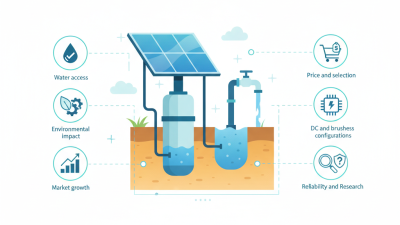
Lately, there’s been a real surge in interest around sustainable water solutions. I mean, according to the International Renewable Energy Agency (IRENA), renewable energy sources—especially solar—are expected to see some major growth. One of the exciting innovations in this space is the AC DC Solar Pump. These pumps harness the power of the sun, offering an efficient and pretty affordable way to get water—whether it’s for farms or homes.
A report from Allied Market Research even predicts that the global market for solar-powered water pumps will hit around $1.2 billion by 2026. That’s pretty impressive! It really shows how much people are now more conscious about the environment. Plus, users get the benefit of lower running costs and less dependence on traditional energy sources. Tech-wise, newer models like brushless DC solar water pumps are making these systems even more reliable and efficient.
Of course, it’s not all smooth sailing. The upfront cost for solar DC submersible pumps can be quite hefty, and you’ll need to keep up with maintenance and make sure your pump’s getting enough sunlight. Still, despite these hurdles, the advantages—like saving on utility bills and being more energy-independent—make these solar pumps pretty appealing. If you’re looking into options like solar bore pumps or DC screw type solar bore pumps, it’s helpful to understand all these factors before jumping in.
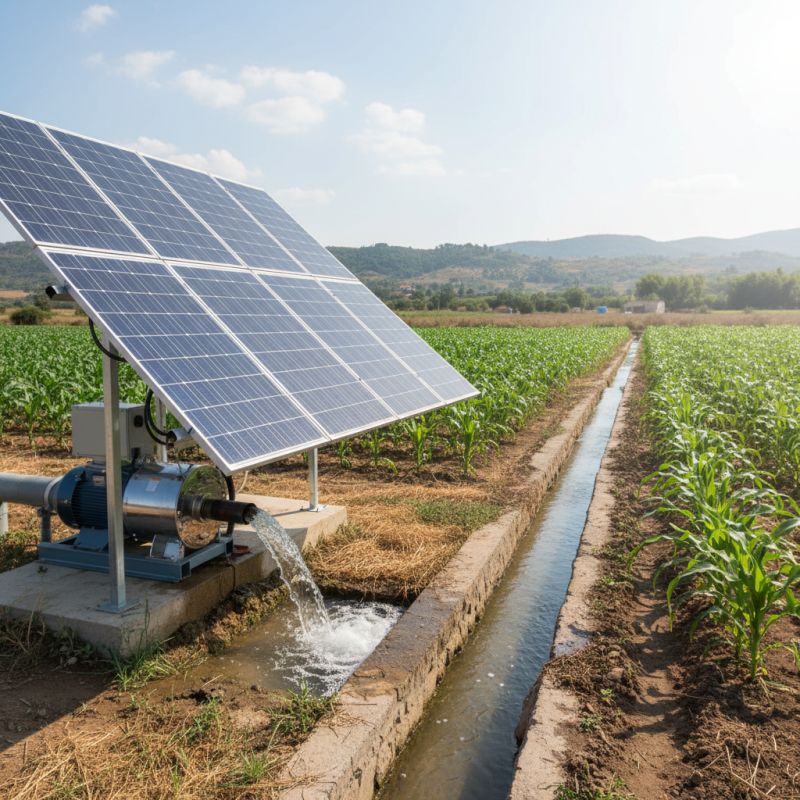
Benefits of AC DC Solar Pumps Over Traditional Water Pumps
AC DC solar pumps offer distinct advantages over traditional water pumps. One key benefit is
energy efficiency. According to a report by the International Renewable Energy Agency (IRENA),
solar pumps can reduce energy costs by up to 70%. This significant savings translates to lower operational expenses
over time. Unlike conventional pumps, which rely on fossil fuels or grid electricity, solar pumps generate their power, minimizing dependency on external sources.
Another advantage is versatility. AC DC solar pumps can be used in remote areas where electricity is unavailable.
A study from the World Bank highlights how solar pumps improve access to water in rural areas, benefiting agriculture and communities.
The Solar Dc Surface Water Pump,
for example, is designed for surface water applications, promoting sustainable water management without environmental harm.
Tips: Regularly check the solar panels for dust and debris. Clean panels can enhance efficiency by up to
20%. It's important to evaluate the water demand and solar exposure of your location for optimal performance.
Using advanced technology can lead to more reliable systems, but ensure that the specifications match your needs.
Sustainability in water management is a reflection of conscious choices.
How AC DC Solar Pumps Operate and Generate Energy
AC DC solar pumps are becoming popular for various water needs. Their operation relies on converting solar energy into electricity. This process is efficient and environmentally friendly. Solar panels collect sunlight and generate direct current (DC). An inverter may convert this energy into alternating current (AC) for different applications.
These pumps can be used in remote areas, where electricity access is limited. Their reliance on solar energy reduces dependence on fossil fuels. Consequently, users witness lower energy costs over time. However, the initial setup costs can be high. This factor may deter some potential users.
Maintenance is crucial to ensure longevity and performance. Dust accumulation on solar panels can decrease efficiency. Regular cleaning is often overlooked, yet it is vital. Users should also consider the pump's capacity against their water needs. Occasionally, people underestimate their requirements, leading to performance issues. Proper planning and research are essential for optimal use.
Why Choose AC DC Solar Pumps for Your Water Needs?
This chart illustrates the efficiency of AC DC solar pumps in different operational conditions. The data highlights the performance of these pumps under various solar energy availability levels, showcasing their adaptability for diverse water needs.
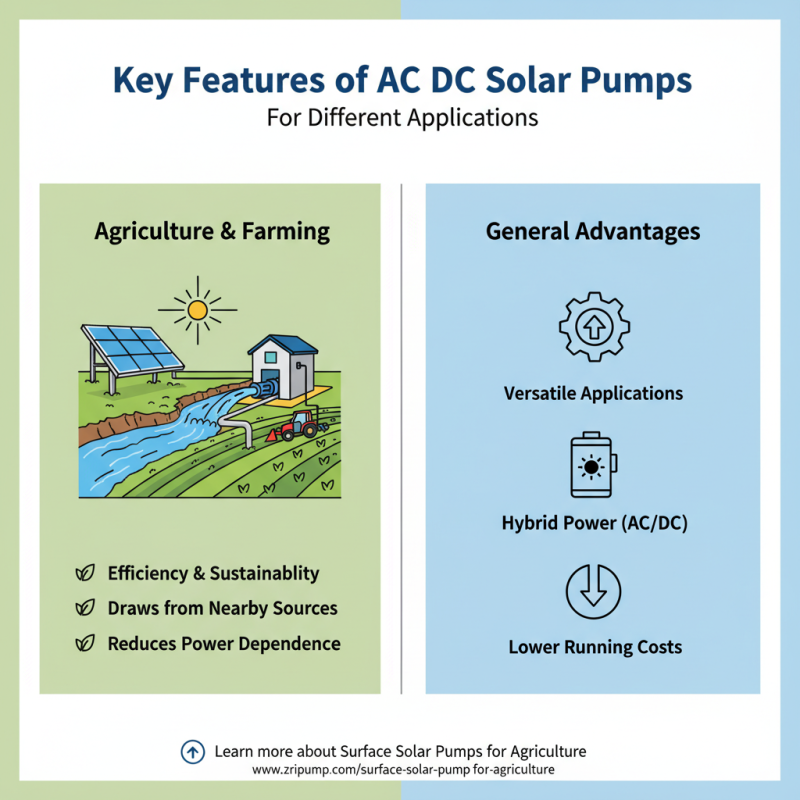
Key Features of AC DC Solar Pumps for Different Applications
AC DC solar pumps are increasingly favored for various applications, notably in agriculture. They combine efficiency and sustainability, making them suitable for modern farming. A Surface Solar Pump For Agriculture can draw water from nearby sources using solar energy, which reduces dependency on traditional power.
These pumps are designed to operate in different environments. Their durability and efficiency are critical in remote locations. Some models offer integrated battery backup. This feature ensures continuous operation during cloudy days or nighttime. Farmers appreciate this reliability, as it provides peace of mind during critical irrigation periods.
Installation is relatively straightforward, yet some may find it challenging. It requires planning to ensure optimal solar exposure. Regular maintenance, while typically minimal, is essential for performance. Over time, pumps may need adjustments or replacements due to wear and tear. Understanding these factors can help users make informed decisions and enhance the longevity of their solar water systems.
Cost Efficiency of AC DC Solar Pumps in the Long Run
AC DC solar pumps offer a sustainable solution for diverse water needs, particularly in agricultural and remote areas. These systems harness solar energy, which can significantly reduce operating costs. According to a recent report by the International Renewable Energy Agency (IRENA), solar water pumping systems can save farmers up to 80% on electricity costs compared to traditional diesel pumps. This cost efficiency is vital as fuel prices fluctuate.
Over time, the initial investment in solar pumps pays off. A detailed analysis by the World Bank highlights that, despite upfront costs, systems typically pay back within three to five years. This includes maintenance and operational costs. Furthermore, these pumps have lower maintenance requirements, reducing long-term expenses. However, users must be aware of the dependency on sunlight, which can vary seasonally.
While solar pumps present solid financial benefits, they also come with challenges. Users might face inadequate sunlight in some regions, affecting performance. Regular checks and adjustments may be needed to optimize output. Reflecting on these factors can lead to better decision-making regarding water management in both rural and urban settings.
Environmental Impact and Sustainability of Solar Pumps
The rise of AC DC solar pumps marks a significant shift in sustainable water solutions. These pumps harness solar energy, greatly reducing the dependency on fossil fuels. According to a report by the International Renewable Energy Agency, solar pumping systems can lower greenhouse gas emissions by up to 80%. This reduction is crucial for combatting climate change and promoting a healthier planet.
Environmental sustainability is at the heart of using Surface Solar Water Pumps. Unlike traditional pumps, solar models do not emit harmful pollutants. They operate silently, reducing noise pollution as well. A 2020 study reported that solar pump adoption in agriculture not only conserves resources but also enhances crop yields by ensuring consistent water supply. This innovation empowers farmers and communities alike.
However, the initial investment for solar pumps can be daunting. There's a learning curve involved in understanding their maintenance. Not all regions receive consistent sunlight year-round, which can limit effectiveness. Despite these challenges, the long-term benefits outweigh the drawbacks. The evolving technology in solar pumps promises better efficiency and accessibility, paving the way for a greener future in water management.
Why Choose AC DC Solar Pumps for Your Water Needs? - Environmental Impact and Sustainability of Solar Pumps
| Feature |
AC Solar Pumps |
DC Solar Pumps |
| Power Source |
Alternating Current (AC) |
Direct Current (DC) |
| Efficiency |
Higher efficiency for large systems |
Ideal for smaller, off-grid applications |
| Installation Cost |
Generally higher due to additional components |
Usually lower upfront costs |
| Maintenance |
Requires regular maintenance |
Lower maintenance frequency |
| Environmental Impact |
Low, due to renewable energy use |
Very low, highly sustainable technology |
| Best Use Cases |
Agricultural, large-scale operations |
Residential, small farms, remote areas |
Maintenance and Durability of AC DC Solar Pump Systems
When considering the maintenance and durability of AC DC solar pump systems, it's essential to look at the design and construction elements. A well-designed system can lead to extended lifespans, often exceeding 15-20 years. Reports indicate that systems employing corrosion-resistant materials require less frequent replacements. This can result in significant cost savings over time.
Regular maintenance is crucial for optimizing performance. Routine checks can identify early signs of wear. According to industry experts, neglecting minor maintenance can lead to significant failures. For instance, inspecting connections and cleaning panels can increase efficiency. Efficiency is vital, as a drop from 80% to 60% can drastically affect energy production.
AC DC solar pumps are increasingly popular for agricultural and residential applications, including a Solar Pump For Pool setups. They offer flexible power sources, adapting to various conditions. However, users must be aware that occasional performance issues may require attention. Ongoing awareness of system needs ensures functionality remains steadfast, aligning with user demands effectively.
Factors to Consider When Choosing AC DC Solar Pumps
When considering AC DC solar pumps, several factors are essential. First, evaluate your water needs.
Are you using the pump for irrigation, drinking water, or both? The pump should match your specific requirements in terms of
flow rate and pressure. Each application may demand different capacities.
Next, consider the location and weather conditions. These factors affect solar panel efficiency.
If you live in a sunny area, a high-efficiency pump could yield great results. On cloudy days, however, performance might dip.
Think about backup power options as well. Sometimes, you may need electricity from the grid.
Installation complexity is another point to reflect on. Some systems can be easy to set up, while others may require professional help.
Research the necessary components for your project. Systems often consist of a controller, inverter, and storage batteries.
Understanding these aspects ensures your investment is reliable and effective. It’s okay if you find this daunting; many do.
Take your time to weigh options, and consult professionals where needed.
FAQS
Solar pumps convert sunlight into electricity. They often use solar panels to generate direct current (DC) energy.
Yes, AC DC solar pumps are ideal for areas with limited electricity access, improving water access for communities.
Regularly clean the solar panels. Dust and debris can reduce efficiency by up to 20%.
Solar pumps lower greenhouse gas emissions by up to 80%, contributing to climate change mitigation efforts.
Initial setup costs can be high. Some users may underestimate their water needs, leading to performance issues.
They provide a consistent water supply, enhancing crop yields and supporting sustainable farming practices.
Yes, evolving technology promises better efficiency and access, making solar pumps more effective and affordable.
No, they operate silently, which helps in reducing noise pollution in the environment.
Evaluate the local water demand and solar exposure. Proper planning ensures better efficiency and reliable use.
Conclusion
AC DC Solar Pumps offer numerous advantages over traditional water pumps, making them a compelling choice for various water needs. These pumps operate efficiently by converting solar energy directly into electricity, providing a sustainable solution for pumping water in both residential and agricultural settings. Key features of AC DC Solar Pumps include their adaptability for different applications, long-term cost efficiency, and minimal environmental impact, as they harness renewable energy.
In addition to their operational benefits, AC DC Solar Pumps are designed for durability and require less maintenance compared to conventional systems. When selecting an AC DC Solar Pump, it's essential to consider factors such as the specific requirements of the application, budget, and environmental conditions. Overall, investing in AC DC Solar Pumps not only promotes sustainability but also ensures reliable water supply while reducing long-term costs.

 DC SOLAR SUBMERSIBLE PUMP
 AC/DC Solar submersible Pump
 DC Solar Surface Pump
 AC/DC solar surface Pump
 Solar swimming Pool Pump
 Built-in Controller Solar Pump
 Solar Pump inverter
 Pump Accessories





 Mr Youkee Kong