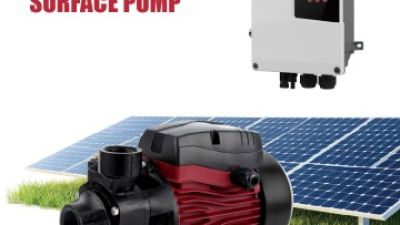
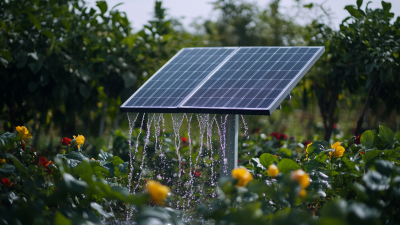
Lately, there's been a real buzz around sustainable energy options, and one of the coolest innovations people are talking about is the Battery Solar Water Pump. I mean, according to Dr. Sarah Thompson from EcoFlow, these pumps are actually changing the game when it comes to getting water, especially in those remote, hard-to-reach spots. Basically, they use sunlight to charge batteries, so you can access water even when the sun's not shining. It's pretty amazing how this can totally change life for homes and farms—more reliable and efficient.
One of the things folks love about these pumps is how flexible they are. They cut down on dependence on traditional power grids, which is a huge plus if you're off the beaten path. But, of course, like any new tech, there are some hurdles. For example, the upfront cost can make people doubt if it’s worth it. It's a bit of a balance—you have to think about the long-term savings versus the initial investment. Still, if you make the right choice, it could pay off big time in the future and really support sustainability.
People are super interested in Battery Solar Water Pumps these days because it shows how attitudes towards renewable energy are shifting. Many users report great experiences, though a few do face some challenges. That’s why it’s so important to really understand what you're getting into. Experts like Dr. Thompson stress the need for good planning—otherwise, it’s easy to run into problems. Honestly, it seems like this kind of technology could be key to improving water access down the line—fingers crossed we keep moving in that direction.
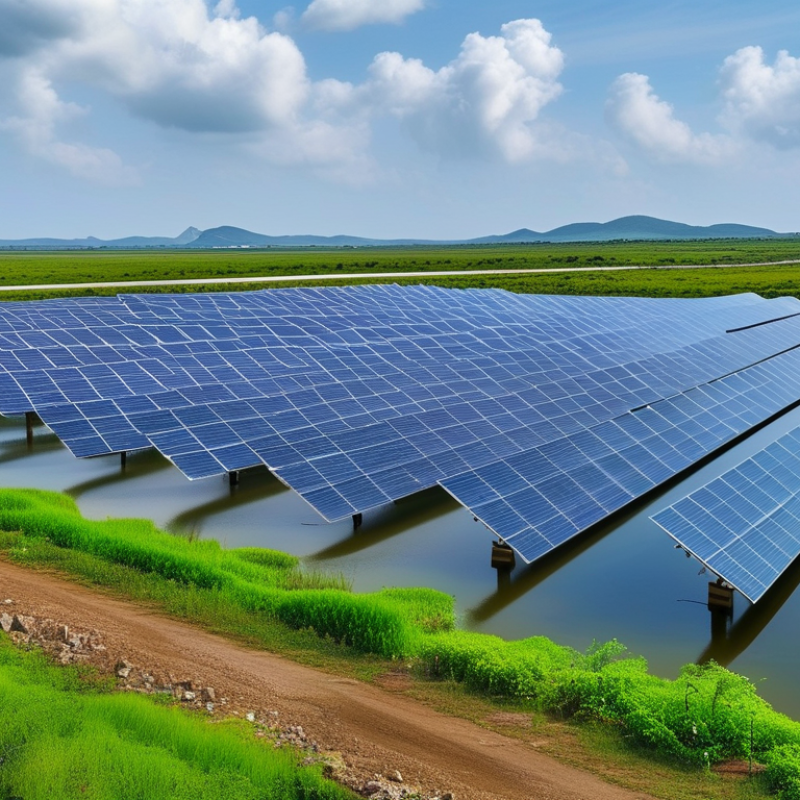
Benefits of Battery Solar Water Pumps for Remote Locations
Battery solar water pumps are increasingly recognized for their effectiveness in remote locations. They harness sunlight to generate power, reducing dependence on traditional energy sources. According to a report by the International Renewable Energy Agency (IRENA), solar capacity grew by 22% in 2020, indicating a shift toward sustainable solutions like solar pumps. These systems can operate independently, making them ideal for farms, remote villages, and off-grid applications.
Living in remote areas often means limited access to water. A battery solar water pump provides a reliable way to obtain water without needing a grid connection. These pumps are designed to run efficiently on solar energy, with battery storage ensuring they function even when sunlight is scarce. Data suggest that the use of solar-powered systems can save users up to 50% on energy costs compared to diesel alternatives.
Consider the maintenance involved with these pumps. Regular checks on the solar panels and batteries are necessary to ensure longevity. Battery Solar Water Pump Manufacturers often recommend using high-quality components to increase reliability. Choosing a trusted manufacturer can make a significant difference in performance and durability. Investing in a well-made system could save you significant trouble down the line.
How Battery Storage Enhances Solar Water Pump Efficiency
Battery storage significantly enhances the efficiency of solar water pumps. By storing excess energy generated during sunny periods, these systems ensure a steady water supply, even in low sunlight. This is crucial for remote areas with inconsistent sunlight or high water demand. The ability to harness energy for later use is a game changer, allowing farmers and homeowners to optimize their water resources.
Moreover, integrating battery storage can lead to cost savings over time. With a reliable storage system, users can reduce their dependence on mains electricity or fuel-based generators. Many users appreciate the independence this brings. However, some may find initial costs daunting. It’s essential to consider long-term benefits versus upfront expenses. Over time, battery systems often pay for themselves through energy savings and increased efficiency.
Another factor to consider is the lifespan of batteries. While advancements have improved battery durability, replacements will be necessary. This reality should not be overlooked. Regular maintenance and monitoring can extend battery life, but it's important to plan for future expenses. Users must balance efficiency with the potential costs of upkeep and replacements. The right approach can lead to sustainable, reliable solutions for water management.
Efficiency of Battery Solar Water Pumps
This bar chart illustrates the efficiency of a battery solar water pump throughout different times of the day. It highlights how efficiency peaks during the afternoon when solar energy is most abundant, while evening and night times see a notable decrease in performance.
Comparison: Battery Solar Water Pumps vs. Traditional Water Pumps
When comparing battery solar water pumps to traditional pumps, several factors come into play. Battery solar pumps operate on renewable energy, making them eco-friendly. They use solar panels to convert sunlight into energy, allowing for efficient water pumping. This is especially beneficial in remote areas. Traditional pumps, however, often rely on electricity or fuel, leading to higher operational costs.
Battery solar water pumps can eliminate these costs and are easier to maintain. They are usually portable, which allows for versatile usage in gardening, irrigation, and livestock watering. However, relying solely on solar energy means that they may struggle during cloudy weather or at night. Think about your local climate. Will consistent sunlight support your water needs?
On the other hand, traditional pumps offer reliability, especially in areas where electricity is unstable. But this comes with costly fuel or electric bills. Battery solar pumps may require an upfront investment, but they will save you money over time. Assess your needs carefully before choosing a system. A High-Quality Battery Solar Water Pump can be ideal for those in sustainable living.
Key Features to Look for in Battery Solar Water Pumps
When considering a battery solar water pump, it’s essential to focus on key features. Look for robust solar panels that convert sunlight efficiently. Industry reports show that high-efficiency panels can boost output by 20%. This is vital in maximizing water flow, especially during peak usage times.
Another important aspect is the battery capacity. A larger battery allows for sustained water supply during cloudy days or at night. Data indicates that systems with at least 200Ah capacity are more reliable, particularly in areas with inconsistent sunlight. Water flow rate matters too. Many users need at least 1,000 gallons per day for agricultural practices.
It's critical, however, to balance cost and performance. Not all battery solar water pumps offer the same reliability. Some may seem affordable at first but lead to higher maintenance costs. Experts advise consulting with a Battery Solar Water Pump Manufacturer for insights on warranty and service options. Understanding these features helps in making an informed decision while ensuring a reliable source of water.
Environmental Impact of Using Battery Solar Water Pumps
Battery solar water pumps are becoming increasingly popular for various applications. They harness solar energy to provide efficient water extraction, reducing reliance on traditional energy sources. The environmental impact of these pumps is significant. By using renewable energy, they minimize carbon emissions compared to fossil fuel-powered pumps. This shift can lead to cleaner air and a healthier ecosystem.
Another critical aspect is water management. Battery solar water pumps can help conserve water resources. They promote sustainable practices in agriculture and landscaping. However, there are challenges. Not every location receives adequate sunlight year-round. The efficiency of these pumps can fluctuate based on weather conditions. Additionally, the initial installation costs might deter some users. It’s essential to weigh these factors against the long-term environmental benefits.
In choosing a battery solar water pump, consider your specific needs and location. Understanding the local climate is vital for optimal performance. Some users may experience limitations due to seasonal variations. It's important to reflect on these issues. Access to reliable information can guide decisions, fostering better environmental practices. Balancing technology and nature is key to sustainable water management.
Cost-Effectiveness of Battery Solar Water Pumps Over Time
Battery solar water pumps offer a compelling long-term solution for those seeking cost-effective water management. These systems convert sunlight into stored energy, allowing for continuous operation, even during cloudy days or at night. Over time, the reduction in electricity bills and water expenses becomes significant. Considering installation costs and ongoing maintenance, battery solar systems can pay for themselves within a few years.
However, it is essential to evaluate your specific needs. Some may worry about upfront costs. While battery solar pumps could seem expensive initially, they often save money in the long run. Additionally, solar technology is improving rapidly, with Battery Solar Water Pump Suppliers offering more efficient options. Communities with inconsistent power supply might greatly benefit from these systems.
Another consideration is the environmental impact. Using renewable energy sources reduces carbon footprints. Yet, not all areas receive sufficient sunlight year-round. Reliability varies with geographic locations, and users must reflect on their local climate. Ultimately, assessing both the financial implications and environmental benefits will lead to better decision-making when choosing battery solar water pumps.
Installation and Maintenance Considerations for Users
When considering a battery solar water pump, installation is key. Proper placement ensures optimal solar exposure. Choose a site that receives sunlight for most of the day. Avoid shaded areas, such as near trees or buildings. A clear location allows the solar panels to generate maximum power. Regularly check for debris, like fallen leaves, that can block sunlight.
Maintenance is also crucial to keep your system running efficiently. Clean the panels every few months to remove dirt and grime. Inspect the battery regularly to avoid potential failures. Over time, batteries may lose capacity. It's important to monitor their performance and replace them when necessary. Additionally, check the pump and pipes for leaks. Small leaks can lead to larger problems down the road.
Consider your specific needs when setting up the system. Not all locations have the same water demands. Assess your usage closely. It helps in determining the capacity of the pump and battery needed. A mismatch can result in insufficient water supply or waste of energy. Reflect on your requirements to ensure a reliable setup.
Innovative Solutions for Sustainable Water Management: Exploring Surface Solar Pumps and DC QB Vortex Technology
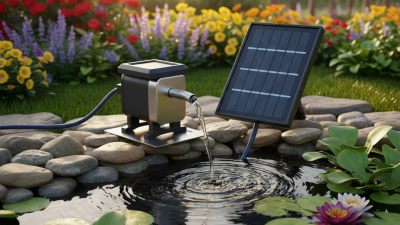
Innovative solutions for sustainable water management are crucial in addressing the challenges posed by climate change and increasing water scarcity. One of the promising technologies in this realm is the surface solar pump, which harnesses renewable energy to provide efficient water lifting and distribution. By utilizing solar panels, these pumps convert sunlight into electricity, ensuring a reliable water supply while reducing reliance on fossil fuels. This approach not only minimizes operational costs but also lowers carbon emissions, making it an environmentally friendly option for irrigation and domestic water supply.
Another noteworthy advancement is the DC QB vortex technology, which enhances the efficiency of water delivery systems. This innovative technology utilizes a unique vortex design that optimizes water flow and reduces energy consumption. By integrating this technology with solar pumps, users can achieve higher performance levels, effectively managing water resources while conserving energy. As cities and agricultural areas increasingly look for sustainable practices, integrating these two technologies can lead to significant savings and reduce the environmental footprint of water management systems. Through the combination of solar energy and advanced vortex mechanisms, we can pave the way for a more sustainable and resilient future in water management.
FAQS
: Focus on robust solar panels and battery capacity for reliability and efficiency.
A larger battery ensures water supply during cloudy days or at night. Look for at least 200Ah capacity.
Users often need at least 1,000 gallons per day, especially for agricultural practices.
Yes, they reduce electricity bills significantly and can pay for themselves in a few years.
Initial costs can seem high, but savings over time make them a wise investment.
Areas with inconsistent sunlight may face challenges, so evaluate your climate before purchasing.
Yes, they use renewable energy, reducing carbon footprints, benefiting the environment.
Some affordable pumps may have high maintenance costs, leading to bigger expenses later.
Yes, seeking insights on warranty and service options can guide your decision process.
Absolutely, advancements in solar technology offer more efficient options for consumers.
Conclusion
Battery solar water pumps are an innovative solution for those in remote locations where traditional power sources may be unavailable. These systems offer numerous benefits, including enhanced efficiency through battery storage, which allows for consistent water supply even when sunlight is not available. Compared to traditional water pumps, battery solar water pumps provide a more sustainable and environmentally-friendly option, reducing reliance on fossil fuels and lowering carbon footprints.
Key features to consider when choosing a battery solar water pump include capacity, durability, and overall system integration. Additionally, over time, the cost-effectiveness of these systems often becomes apparent, as they require lower operational and maintenance costs compared to conventional options. With proper installation and regular maintenance, users can maximize the performance of battery solar water pumps, making them a smart choice for sustainable water management.

 DC SOLAR SUBMERSIBLE PUMP
 AC/DC Solar submersible Pump
 DC Solar Surface Pump
 AC/DC solar surface Pump
 Solar swimming Pool Pump
 Built-in Controller Solar Pump
 Solar Pump inverter
 Pump Accessories



 Mr Youkee Kong