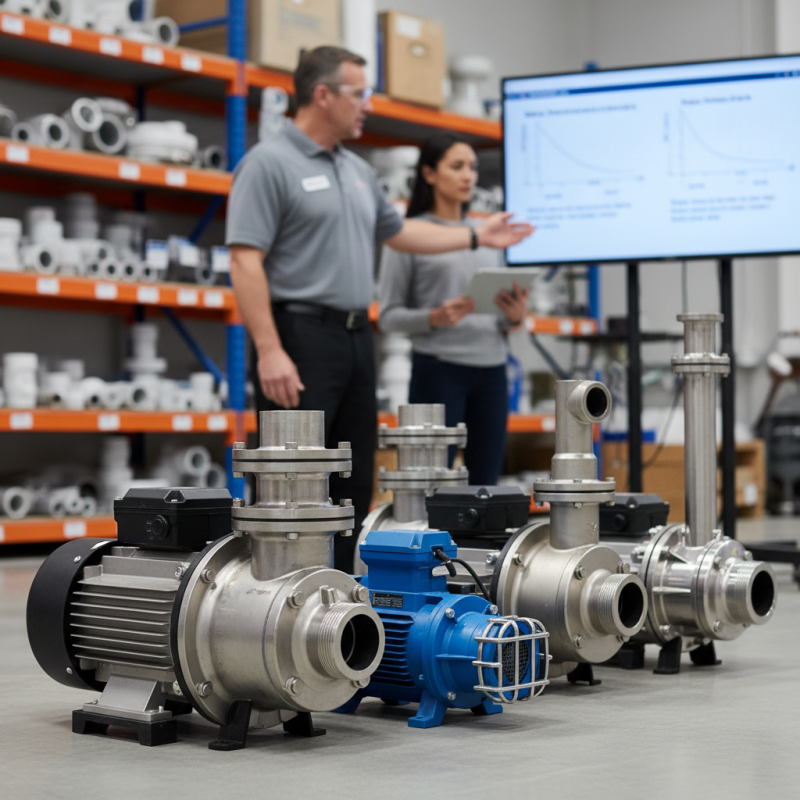
Figuring out the right Electric Submersible Pump isn't exactly a walk in the park. I mean, with so many options out there, it can get pretty overwhelming. John Smith from AquaSolutions wisely points out, “Choosing the right pump is key if you want things to run smoothly and efficiently.” Honestly, understanding what you truly need is a big part of the puzzle. Things like how much water you need to move (flow rate), how high you need to lift it (head height), and what kind of fluid you’re dealing with can really make or break your choice.
A lot of folks skip over these little details, which can cause headaches down the line. For instance, using a pump meant for clear water in a muddy or dirty environment? That’s a setup for trouble. The wrong pump can mean higher costs, more breakdowns, and a lot of frustration. So, it’s super important to check out your environment and know exactly what you need before pulling the trigger.
And yeah, there are tons of pumps out there, but not all of them are created equal. Doing some research helps, but trusting well-known brands and reading reviews—maybe even chatting with a pro—can really make a difference. Taking the time to do this can save you a lot of headaches and ensure you get a pump that actually does the job you need it to do.
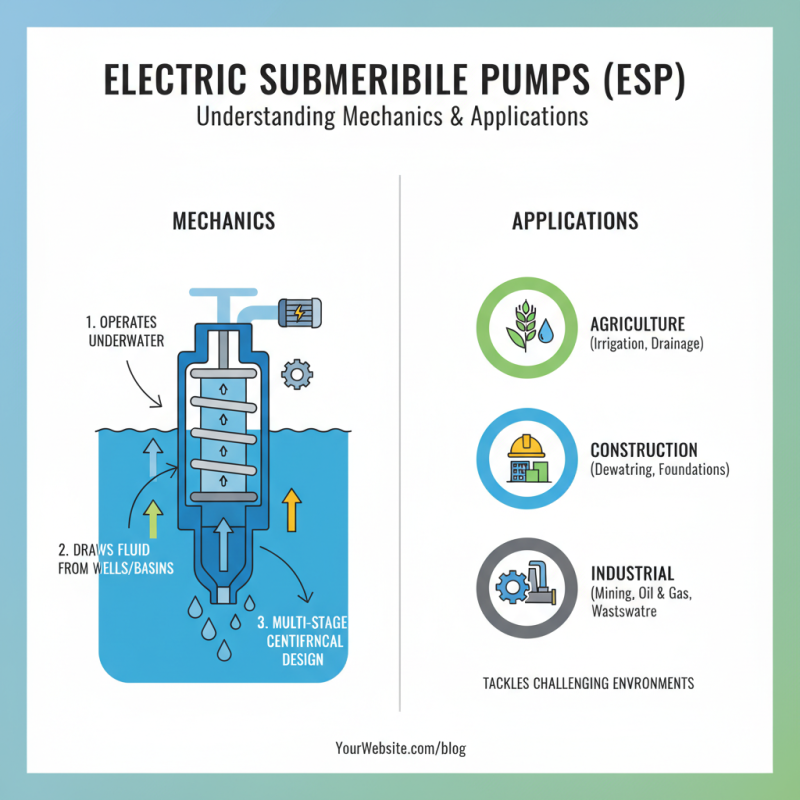
Understanding Electric Submersible Pumps and Their Applications
Electric submersible pumps (ESPs) are crucial for various applications. They are commonly used in agriculture, construction, and industrial settings. Understanding their mechanics helps in choosing the right one. ESPs operate underwater, drawing fluid from wells or basins. Their design allows them to tackle challenging environments.
Selecting an ESP requires careful consideration of the fluid type and depth. Not all pumps handle solids or corrosive materials. For example, agricultural applications may need pumps with specific filtration systems. Many users overlook pump power ratings, which affect efficiency. Often, choosing a lower wattage pump results in higher operational costs.
Pumps also vary in size and weight. A large pump may not fit in narrow wells. Conversely, a small pump might underperform in larger applications. Evaluating flow rate is essential. Many underestimate the importance of pressure and lift. These factors significantly affect pump performance. Awareness of these details ensures better decision-making and long-term satisfaction.
Key Factors to Consider When Choosing an Electric Submersible Pump
Choosing the right electric submersible pump involves several key factors. First, consider the
pump's power and efficiency. A pump
should match the specific needs of your project. According to the Submersible Pump Association,
a pump's efficiency can significantly affect your energy costs. Look for models with a
high-efficiency rating to maximize performance.
Next, the pump's material and build quality are crucial. Pumps made of
corrosion-resistant materials tend to last longer
in harsh environments. A study by the American Society of Mechanical Engineers
found that pumps with stainless steel components
show a 30% increase in lifespan compared to those made from standard materials. Check the pump's
maximum depth rating, which indicates how deep it can operate effectively.
One often overlooked aspect is maintenance.
Regular inspection can prevent potential failures. Many pumps have a failure rate of around
5-10% annually if not properly maintained.
Ensure you understand the maintenance requirements before purchasing. Installations that are hard
to access might complicate repairs, leading to additional costs and downtime. Choosing the right
pump is not just about immediate requirements; it's about long-term reliability and efficiency.
Assessing Pump Specifications: Flow Rate, Power, and Depth Ratings
When choosing an electric submersible pump, understanding pump specifications is crucial. The flow rate indicates the volume of water the pump can move in a given time. Typically measured in gallons per minute (GPM), a higher flow rate is vital for tasks such as draining flooded areas or irrigation. Assess your specific needs against different flow rates.
Power is another key specification. The wattage determines how efficiently the pump operates. A more powerful pump usually handles larger tasks but may consume more energy. Consider your power source and energy consumption to ensure long-term reliability.
Depth ratings also matter significantly. This indicates how deep the pump can operate while maintaining optimal performance. Different applications require different depth capacities. For instance, a garden pump may need less depth than one for a construction site.
Tips for choosing the right pump include checking energy efficiency ratings. An efficient pump saves on electricity costs. Also, consider the materials used in the pump's construction. Robust materials ensure longevity. Always read user reviews to gather insights about real-world performance. Small details can guide you towards a better choice. Assessing these specifications carefully will lead you to the most suitable electric submersible pump for your needs.
Comparison of Electric Submersible Pump Specifications
Types of Electric Submersible Pumps and Their Suitable Uses
Electric submersible pumps come in various types, each designed for specific applications. One common type is the sewage pump, perfect for carrying wastewater. These pumps can handle solids and debris, making them ideal for residential or municipal waste management. According to a report from the Water Environment Federation, over 90% of wastewater facilities use submersible pumps for their efficiency.
Another type is the
dewatering pump, which excels in construction sites or flooded areas. They are engineered to quickly remove water, allowing work to continue without delay. Industry data suggests that dewatering pumps can move up to
300 gallons per minute. This high capacity ensures rapid water removal, preventing complications in essential construction processes.
For agricultural uses, the
Electric Submersible Water Pump is essential for irrigation. These pumps draw water from underground sources to help crops thrive. Research indicates that submersible pumps can increase irrigation efficiency by up to
30%. However, it's vital to select the correct pump size and power to avoid operational issues. Using a pump that's too powerful may lead to over-extraction, negatively impacting local water supplies.
Evaluating Material Durability and Corrosion Resistance in Pumps
Choosing the right electric submersible pump involves examining various factors, especially material durability and corrosion resistance. Many pumps experience wear due to harsh operating environments, which can lead to premature failure. For example, a report from the Pumping Equipment Manufacturers Association (PEMA) indicates that over 30% of pump failures are linked to corrosion-related issues.
Material selection is crucial. Stainless steel is often preferred due to its excellent resistance to corrosion. According to a study by the American Society of Mechanical Engineers (ASME), stainless steel pumps can last up to five times longer than their plastic counterparts in corrosive environments. However, not all stainless steel is created equal. The grade of stainless steel significantly affects performance, and lower-quality steel may not provide adequate protection.
Electric Submersible Water Pump Manufacturers emphasize the importance of using coatings to enhance steel durability. Coatings like epoxy can further improve resistance to abrasive materials and chemicals. However, it’s vital to consider that no material is flawless. While coatings can improve longevity, they may require periodic maintenance. Decision-makers must weigh initial costs against the long-term benefits to avoid future issues. Ultimately, understanding these factors can lead to better choices that meet specific needs.
Cost Considerations: Budgeting for Purchase and Maintenance
When budgeting for an electric submersible pump, consider both initial costs and maintenance expenses. The price of the pump varies significantly. Basic models are less expensive, while advanced units with higher capacities cost more. In addition to the purchase price, factor in installation costs. Some units may require professional installation, which adds to your expense.
Maintenance is another important financial aspect. Regular checks and servicing can prevent costly breakdowns. The lifespan of these pumps can vary greatly. A well-maintained unit lasts longer, but neglect can lead to premature failure. Researching an Electric Submersible Water Pump Manufacturer can provide insights into reliability and warranty options.
Lastly, consider the energy efficiency of the pump. A more efficient model may cost more upfront but will save money in energy bills over time. Look for pumps that offer a great balance between performance and operational cost. Investing time in understanding these factors is crucial for long-term satisfaction.
How to Choose the Best Electric Submersible Pump for Your Needs? - Cost Considerations: Budgeting for Purchase and Maintenance
| Pump Type |
Initial Cost ($) |
Power Consumption (W) |
Maintenance Cost/Year ($) |
Lifespan (Years) |
Max Flow Rate (GPH) |
| Utility Pump |
150 |
800 |
50 |
5 |
30 |
| Residential Sump Pump |
300 |
700 |
75 |
8 |
50 |
| Effluent Pump |
250 |
600 |
60 |
6 |
40 |
| Deep Well Pump |
500 |
1000 |
100 |
10 |
80 |
| Submersible Sewage Pump |
400 |
900 |
90 |
7 |
60 |
Maintenance Tips for Prolonging the Life of Your Submersible Pump
Maintaining your electric submersible pump is crucial for its longevity. Regular checks can prevent performance issues. For instance, keep the pump clean and free from debris. A study from the National Association of Pump Manufacturers highlights that improper maintenance can reduce pump efficiency by over 30%.
To maximize the life of your High-Quality Electric Submersible Water Pump, consider these tips.
Monitor the operating temperature closely. Overheating can damage internal components. Inspect the sealing regularly to prevent leaks. A worn seal can lead to water ingress, causing severe damage.
Check the power supply and connections frequently. Faulty wiring can lead to unexpected failures.
Always document your maintenance activities. This habit helps identify recurring issues. For instance, if you notice that the impeller needs cleaning every few months, it might indicate larger problems. Remember, a proactive approach can save you time and money in the long run. Embrace these practices and ensure consistent performance from your electric submersible pump.
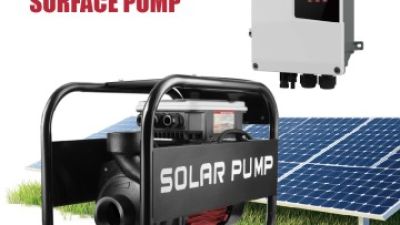
Evaluating the Efficiency and Sustainability of SSHF-H Solar-Powered Centrifugal Surface Pumps for Agricultural Irrigation: Insights from Recent Industry Reports
The use of SSHF-H solar-powered centrifugal surface pumps for agricultural irrigation is gaining traction as farmers seek more efficient and sustainable practices. Recent industry reports suggest that solar-powered pumps can reduce operational costs significantly, with studies indicating that farmers can save up to 70% on energy expenses compared to conventional diesel pumps. This shift not only cuts costs but also minimizes the environmental impact associated with fossil fuel reliance.
Moreover, the efficiency of solar-powered pumps is continually improving, with new technologies emerging that enhance energy conversion rates and water delivery capabilities. Reports show that the latest models can achieve up to 90% efficiency in energy usage, ensuring optimal performance even under varying climatic conditions. By harnessing solar energy, farmers can pump water for irrigation without the concern of rising fuel prices or fuel shortages, making it a viable long-term investment for sustainable agriculture.
Furthermore, the scalability of SSHF-H pumps allows them to cater to diverse farming needs, whether for small-scale operations or larger agricultural enterprises. The integration of smart irrigation solutions using solar technology also facilitates better water management practices, helping to bolster crop yields while promoting conservation of water resources. As the agricultural sector continues to embrace green technologies, solar-powered centrifugal pumps are poised to play a pivotal role in sustainable farming practices worldwide.
FAQS
: Consider power, efficiency, material, and build quality. These affect performance and lifespan.
Pumps made of corrosion-resistant materials last longer. Stainless steel can increase lifespan by 30%.
Regular maintenance prevents failures. Neglecting it can result in 5-10% failure rates annually.
Include initial costs, installation, and maintenance expenses. Overall, these can add up significantly.
Yes, efficient models may have higher upfront costs but save money on energy bills long-term.
Ensure it can operate effectively at the required depth for your project needs.
Some models are complex to install. Professional help can avoid issues and ensure proper setup.
Research different models and their maintenance needs. This affects reliability and operation costs.
Every pump has its own maintenance schedule. Understand this before your purchase to avoid issues later.
Not necessarily. Match the pump to your specific project needs for the best results.
Conclusion
Choosing the best Electric Submersible Pump requires a thorough understanding of its applications and essential features. Key factors include assessing pump specifications such as flow rate, power, and depth ratings, all of which determine the pump’s suitability for specific tasks. Different types of Electric Submersible Pumps are available, each tailored for diverse uses ranging from dewatering to sewage handling.
Additionally, evaluating the material durability and corrosion resistance of the pump is crucial to ensure long-lasting performance. Budget considerations for both purchase and maintenance are essential for making a sound investment in an Electric Submersible Pump. By following proper maintenance tips, users can further extend the lifespan of their pump, maximizing efficiency and minimizing costs over time.

 DC SOLAR SUBMERSIBLE PUMP
 AC/DC Solar submersible Pump
 DC Solar Surface Pump
 AC/DC solar surface Pump
 Solar swimming Pool Pump
 Built-in Controller Solar Pump
 Solar Pump inverter
 Pump Accessories




 Mr Youkee Kong