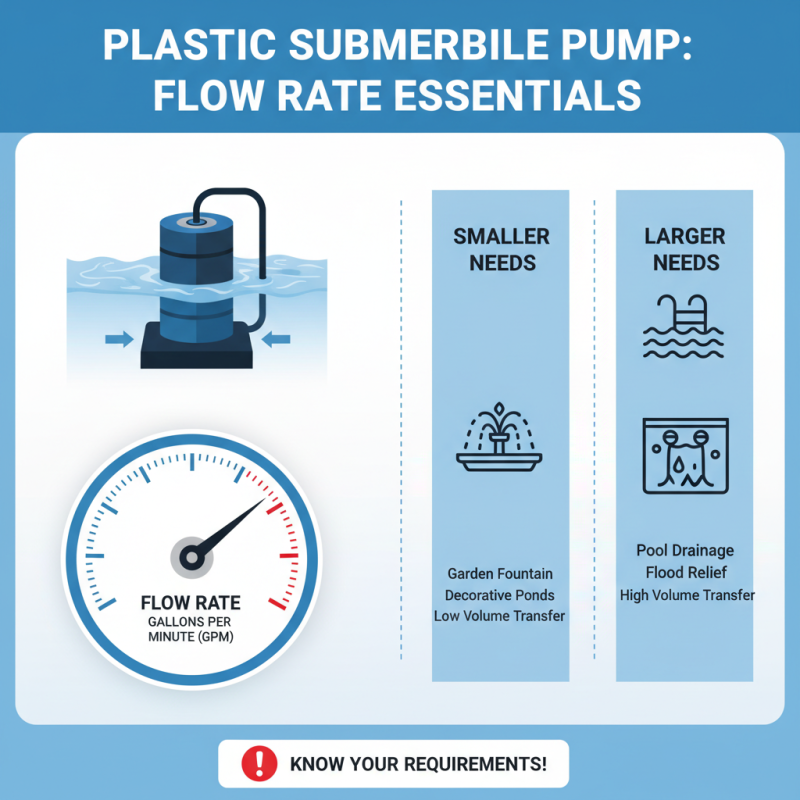
Picking the right Plastic Submersible Pump is super important, especially if you're using it for different jobs. Lately, the market for these pumps has really taken off. I read a report from Grand View Research, and it’s pretty crazy — they say the global market could hit around USD 37.58 billion by 2027. That growth is mainly because so many industries are now turning to these pumps.
But here’s the thing: understanding what your project actually needs is key. For example, when choosing a Plastic Submersible Pump, you’ve got to think about the kind of fluid you're working with, how deep it needs to go, and the flow rate you're after. It’s tempting to just go for the cheapest option, but honestly, it's better to check out features like corrosion resistance and energy efficiency. Sometimes spending a little extra upfront can pay off in the long run with better performance and savings.
And don’t forget about maintenance! Many folks overlook how important it is to keep the pump in good shape with regular checks for wear and tear. Making the wrong choice can actually lead to problems like inefficiency or even early failure. Plus, it’s worth thinking about how your pump choice impacts the environment — after all, a well-chosen pump does a better job and is kinder to the planet. So, yeah, taking the time to pick the right one and knowing how to care for it really makes a difference in making sure everything runs smoothly in the long run.
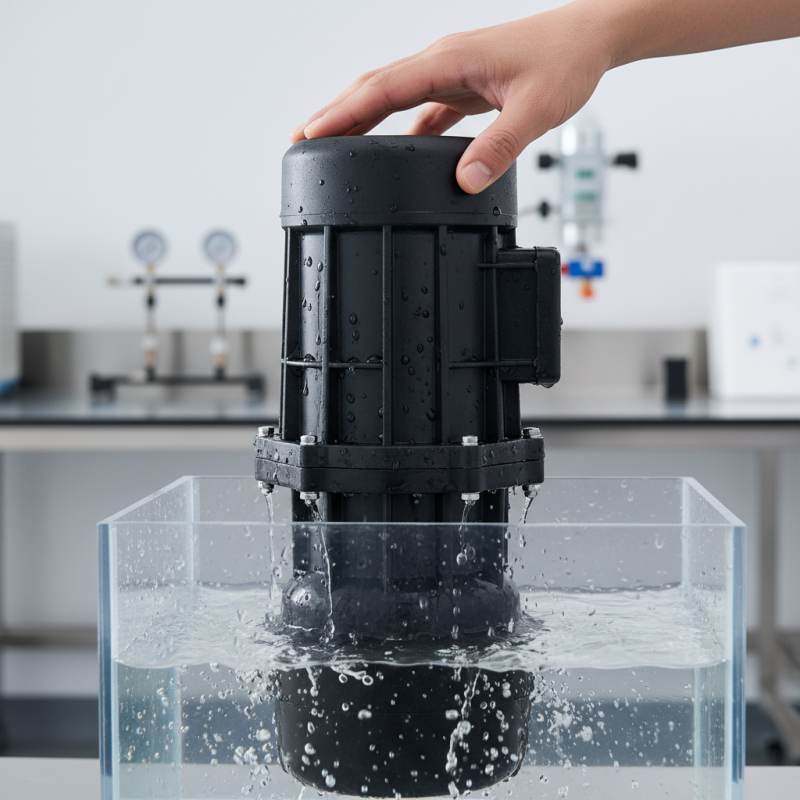
How Plastic Submersible Pumps Work: A Technical Overview
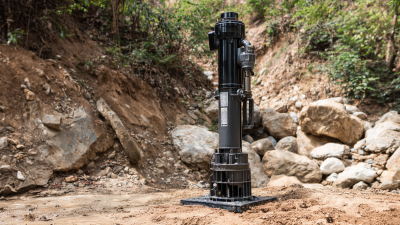
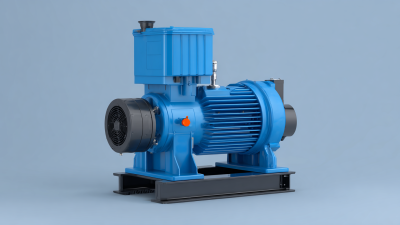
Plastic submersible pumps are designed to work underwater. They are mainly used for moving water. Their construction allows them to resist corrosion and rust. This makes them ideal for tasks in harsh environments. These pumps feature an electric motor that is sealed tight. The motor drives an impeller, which pushes water upwards. The design ensures efficiency while preventing leaks.
When choosing a pump, consider the flow rate. This is the amount of water the pump can move per minute. It’s essential to assess the depth of the submersion as well. Not all pumps can work in deep water. Some Plastic Submersible Pump Manufacturers produce models suited for specific needs. Remember that a pump’s material impacts its longevity. Lightweight plastic can be effective but may not withstand extreme conditions.
Reflections on your needs are crucial. Will the pump be used regularly or intermittently? If used often, durability is key. Efficiency can vary significantly between models. Some might look attractive but fail in performance. That's a possibility worth pondering. Ultimately, your choice should align with your specific requirements. Balancing cost, efficiency, and durability is a subtle art.
Key Factors to Consider When Selecting a Plastic Submersible Pump
Choosing the right plastic submersible pump requires careful thought. Start with the pump's flow rate. This measurement determines how quickly water moves through the system. Think about your specific needs. Are you draining a pool or managing stormwater? Higher flow rates are vital for large volumes.
Material quality is crucial. Look for durable plastic that withstands harsh conditions. Submersible pumps often face moisture and debris. Not all plastics are equal. Some can degrade over time, reducing efficiency. Consider how long you expect the pump to last. Do you need it for a few days or the next few years?
Energy efficiency is another factor. A pump that consumes less energy can save money over time. Check the power requirements before you buy. Are you using it frequently? If so, a more energy-efficient model may be worth the investment. Overall, pay attention to these elements. You might face unexpected problems if you don't. Each feature contributes to your pumping success.
Understanding Flow Rate Requirements for Your Application
When selecting a plastic submersible pump, understanding flow rate is essential. Flow rate measures how much water the pump moves per minute. Depending on your needs, this can vary greatly. For example, a garden fountain may require less flow compared to a pool drainage system. It's crucial to know your specific requirements.
Consider the details of your application. A High-Quality Plastic Submersible Pump might be overkill for a small task. Yet, for larger jobs, inadequate flow could lead to delays. Always check the flow rate specifications before making a decision. You might need to calculate the total volume of water involved. This could affect your choice significantly.
Sometimes, you might find that the required flow rate changes with use. Seasonal demands can alter expectations. Being adaptable can prove beneficial. There are numerous factors that impact performance. Reflecting on these can help refine your selection process. Aim for a high-quality plastic submersible pump that fits seamlessly with your project requirements.
Material Compatibility: Choosing the Right Plastic for Pump Durability
Choosing the right material for your plastic submersible pump is crucial. Not all plastics are created equal, and the right choice can greatly impact durability and performance. Polypropylene and PVC are common options, but they have different properties. Polypropylene is lightweight and resistant to chemical corrosion, making it suitable for many applications. In contrast, PVC offers high strength but may not be as resistant to certain solvents.
Consider the environment where the pump will operate. Is it in saltwater, freshwater, or a chemical mix? Each situation may require different material properties. You might find that a specific type of plastic fails sooner than expected, or it could react negatively with the liquids. This compatibility issue can be costly and time-consuming.
Another point to reflect on is the temperature range of the application. Not all plastics tolerate heat well. High temperatures can warp some materials and reduce pump efficiency. Testing under specific conditions can uncover weaknesses. Sometimes, it’s worth investing a bit more for a plastic that holds up better under pressure. Reflecting on your choice is key to long-term satisfaction with your pump's performance.
Choosing the Right Plastic for Pump Durability
Evaluating Head Pressure and Its Impact on Pump Performance
When selecting a plastic submersible pump, evaluating head pressure is crucial. Head pressure directly impacts pump performance. It measures the height a pump can lift water. Typically, a pump's efficiency decreases with higher head pressure. Understanding this helps users choose the right pump for their application.
Studies show that over 70% of pump failures stem from improper head pressure selection. A pump with inadequate head pressure will struggle. It may cause overheating or frequent cycling. Users should note that different applications may require varied head pressures. For example, a garden fountain may only need a 5-foot lift, while a well pump may require 50 feet or more.
It's also important to consider system losses. Factors like pipe length and diameter significantly affect performance. Many users overlook these when making their choice. Sometimes, a small increase in head pressure leads to drastic efficiency declines. Reflection on specific needs can prevent costly mistakes. Be cautious; not all pumps will meet every requirement perfectly.
Common Applications for Plastic Submersible Pumps in Various Industries
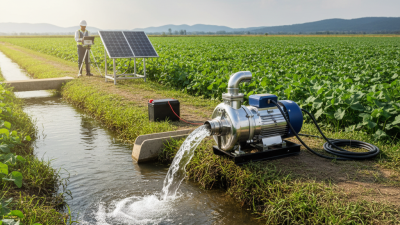
Plastic submersible pumps are versatile tools used in many industries. They excel in moving water and other liquids. Common applications are found in agriculture, construction, and waste management. Many farms rely on these pumps for irrigation. They efficiently transfer water from wells or rivers to fields.
In construction, these pumps remove excess water from sites. They ensure that workers can operate safely and efficiently. These pumps can handle muddy or dirty water with ease. Some challenges arise when selecting the right pump. Not all plastic submersible pumps meet every need. Research is essential to identify specifications that match your projects.
Waste management facilities also utilize plastic submersible pumps. They help in transferring wastewater and sludge. It is crucial to choose a reliable Plastic Submersible Pump Manufacturer. A good manufacturer provides quality pumps that withstand harsh conditions. However, not all manufacturers deliver consistently. Companies must verify product reliability to avoid operational disruptions.
Maintenance Tips to Ensure Longevity of Your Plastic Submersible Pump
Maintenance is key for the longevity of your plastic submersible pump. Regular inspection helps ensure smooth operation. Check for signs of wear and tear. Even small issues can lead to bigger problems down the line.
Cleaning the pump is essential. Debris can clog the impeller, reducing efficiency. Use fresh water to rinse it after use. A small brush can help remove stubborn particles. Don’t forget to examine the power cord. Damaged wires can cause failures.
Considering a Wholesale Plastic Submersible Pump? Remember, cost shouldn’t be the only factor. Focus on durability and maintenance ease. Also, keep an eye on operational areas. Avoid submerging the pump in harsh chemicals or extreme temperatures. While plastic is resilient, it has limits. Regular maintenance checks will keep your pump running well.
Exploring the Benefits of the I4/6SC Built-in MPPT Controller Solar Submersible Pump for Sustainable Water Solutions
The integration of solar energy into water pumping systems has revolutionized sustainable water solutions, particularly in remote and off-grid areas. The I4/6SC built-in MPPT (Maximum Power Point Tracking) controller solar submersible pump exemplifies this innovation, providing an efficient and environmentally friendly alternative to traditional pumps. With the ability to maximize solar energy utilization, this technology can adapt to changing sunlight conditions, ensuring optimal performance throughout the day. Reports indicate that solar-powered pumps can reduce operational costs by up to 90%, making them a highly economical choice for agriculture and rural water supply systems.
Moreover, the adoption of solar submersible pumps contributes significantly to sustainable development goals. Data from the International Renewable Energy Agency (IRENA) suggests that the transition to renewable energy sources, like solar, can lead to a reduction in greenhouse gas emissions by nearly 70%. By utilizing pumps equipped with advanced MPPT technology, users can harness clean energy, ultimately reducing their carbon footprint while ensuring reliable access to water. This is particularly crucial in regions facing severe water scarcity, where sustainable solutions are necessary to meet the growing demand for clean water.
In addition to environmental benefits, solar submersible pumps with built-in MPPT controllers ensure ease of installation and lower maintenance requirements, offering an attractive solution for various applications. With their ability to function autonomously, they are ideal for agricultural irrigation, livestock watering, and community water supply systems, promoting resilience in water management practices. As reliance on renewable energy increases, the I4/6SC solar submersible pump stands out as a game-changing option in the quest for sustainable water solutions.
FAQS
: The main purpose is to provide information clearly. It aims to answer common questions effectively.
Anyone seeking knowledge can benefit. This includes students, professionals, and curious individuals.
Application depends on the context. Readers should think about their own needs and use the insights provided.
The information is presented as FAQs. This format makes it easy to digest and understand.
Yes, there are limitations. Some details may require further exploration or deeper understanding.
Reflection is key. Consider how it relates to your own experiences and what could be improved.
Seeking additional resources is encouraged. Engage with others or research topics for more in-depth answers.
Absolutely, misunderstandings can occur. Clear communication is important, but some nuances may be missed.
Yes, information can evolve. It’s wise to check for updates regularly to stay informed.
Taking notes can be helpful. Discussing with peers can also clarify and reinforce understanding.
Conclusion
When choosing the best Plastic Submersible Pump for your needs, it's essential to understand how these pumps operate and their suitability for various applications. A technical overview reveals the importance of flow rate, head pressure, and material compatibility in determining pump performance. Factors such as the specific requirements of your application and the nature of the fluids being pumped play a critical role in selecting the right pump.
Additionally, common applications for Plastic Submersible Pumps span multiple industries, from agriculture to wastewater management. To maximize the longevity and efficiency of your pump, regular maintenance is key. By taking into account these critical factors and understanding the operational mechanics of Plastic Submersible Pumps, you can make an informed decision that best meets your requirements.





 Mr Youkee Kong