Picking the right solar water pump for your needs can quickly become pretty overwhelming, right? With so many options out there, it’s easy to feel lost trying to find that perfect fit. Like John Smith from Solar Solutions Inc. once mentioned, “The right solar water pump can totally change the game when it comes to managing water efficiently.” So, it’s worth taking the time to figure out what really works for you.
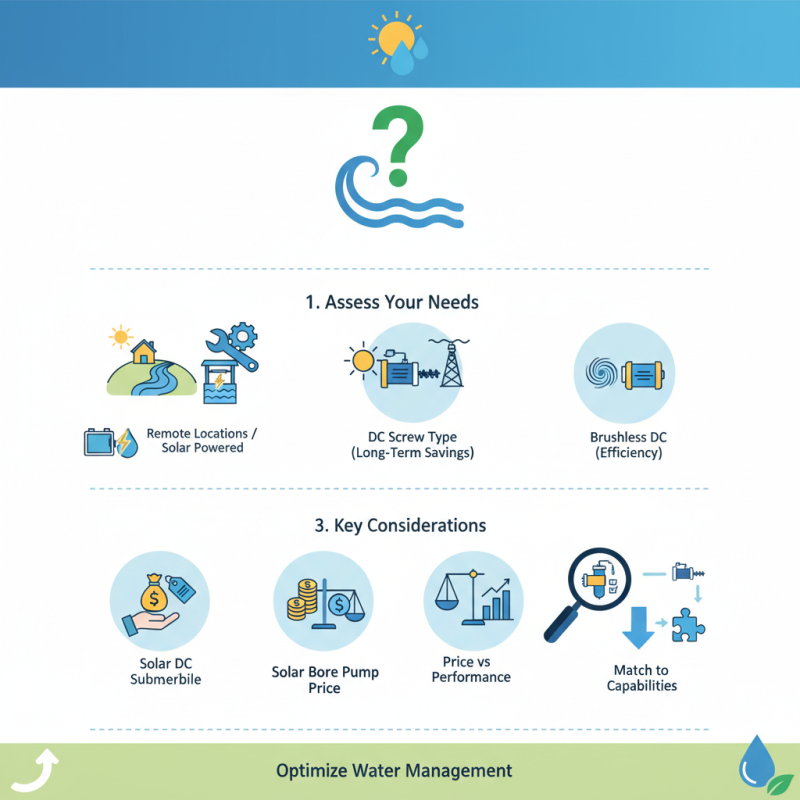
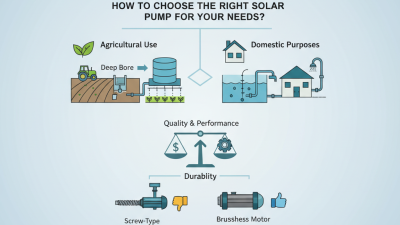
Start by thinking about your specific needs—things like how much power you need and where your water source is. For example, if you're working in a remote area, a solar-powered water pump might be just what you need. Don’t forget to consider the price of the solar bore pump, too — it’s a big factor in your decision. Honestly, going for a DC screw type solar bore pump can save you some serious money in the long run.
A lot of people skip over the importance of matching what they need with what the pump can actually do. Sometimes, a brushless DC solar water pump might be a smarter choice depending on your setup. It’s worth looking into options like solar DC submersible water pumps, too. Every choice has its perks and drawbacks, and it’s important to take your time to reflect on those. Balancing how much it costs with how well it performs shouldn’t be rushed. Do your homework so you can make smarter decisions and get the most out of your water management system today.
Understanding Solar Water Pumps: A Comprehensive Guide
Solar water pumps are rapidly gaining popularity in agricultural and domestic applications. In recent years, the global market for solar pumps is projected to exceed $2.5 billion by 2027, driven by increasing demand for sustainable practices. These pumps harness solar energy, making them an eco-friendly alternative to traditional water pumping systems, which rely on fossil fuels.
Understanding the various types of solar water pumps is crucial. There are surface pumps and submersible pumps to consider. Surface pumps are effective for shallow water sources, while submersible pumps can extract water from deeper sources. A research report shows that over 30% of farmers have adopted solar pumps due to their lower operational costs, which can save up to 80% in energy costs. However, functionality can vary greatly based on local sunshine conditions.
Moreover, installation is another factor to ponder. A poorly placed solar panel can reduce efficiency significantly. Reports indicate that about 15% of users face challenges with inadequate solar radiation. Proper orientation and tilt can enhance performance but may require more initial investment. Awareness of these variables will help potential users make better choices with Solar Pumps Water Pump solutions.
Solar Water Pump Capacity Comparison
This chart illustrates the water flow rate of different solar water pumps measured in liters per hour, depending on the horsepower (HP) size of the pump. It helps in understanding which solar water pump may best fit your needs based on the required capacity.
Types of Solar Water Pumps: Which One is Right for You?
When selecting a solar water pump, understanding the types available is essential. Options typically include submersible, surface, and hybrid pumps. Each type serves different purposes. For example, submersible pumps are ideal for deeper wells, while surface pumps work well for shallower water sources. Choose based on your specific requirements.
Data from the International Renewable Energy Agency reveals that the adoption of solar water pumps is rising globally. In 2022, an estimated 1.5 million solar water pumps were installed, primarily in agriculture. These pumps reduce reliance on diesel fuel, improving cost-efficiency. However, they may not work effectively in all weather conditions. For instance, cloudy days can impact solar performance.
Consider the head height and flow rate when selecting a pump. It's crucial to match these parameters to your water needs. Many users overlook this detail. Reports indicate that improper sizing can lead to decreased efficiency and higher operational costs. Users often need to re-evaluate their choices after installation. Be cautious; what seems right at first may require adjustments later.
Key Factors to Consider When Choosing a Solar Water Pump
When choosing a solar water pump, size and capacity matter. You need to know the water requirement for your application. Is it for irrigation or a small pond? These details impact the type of pump you should select. Additionally, check the flow rate. Higher flow rates may be necessary for larger areas. If you underestimate, the system may not meet your needs.
Solar panel efficiency is another key factor. More efficient panels use less space and generate better power output. However, they may cost more. Researching options can be overwhelming, especially with many Solar Pumps Water Pump Manufacturers available. Consider your budget and the long-term benefits. Durability is crucial too. Some pumps are built to last in harsh weather conditions, while others may fail quickly. Find a balance between quality and cost.
Lastly, think about installation and maintenance. Some products require professional setup, while others are DIY-friendly. Maintenance can also vary. Simpler systems might save you time and effort. Don't forget to look for customer reviews. They can provide insight into performance and reliability. Even small setbacks can make a big difference. Reflect on these points as you assess your options.
Determining the Power Requirements for Your Solar Water Pump
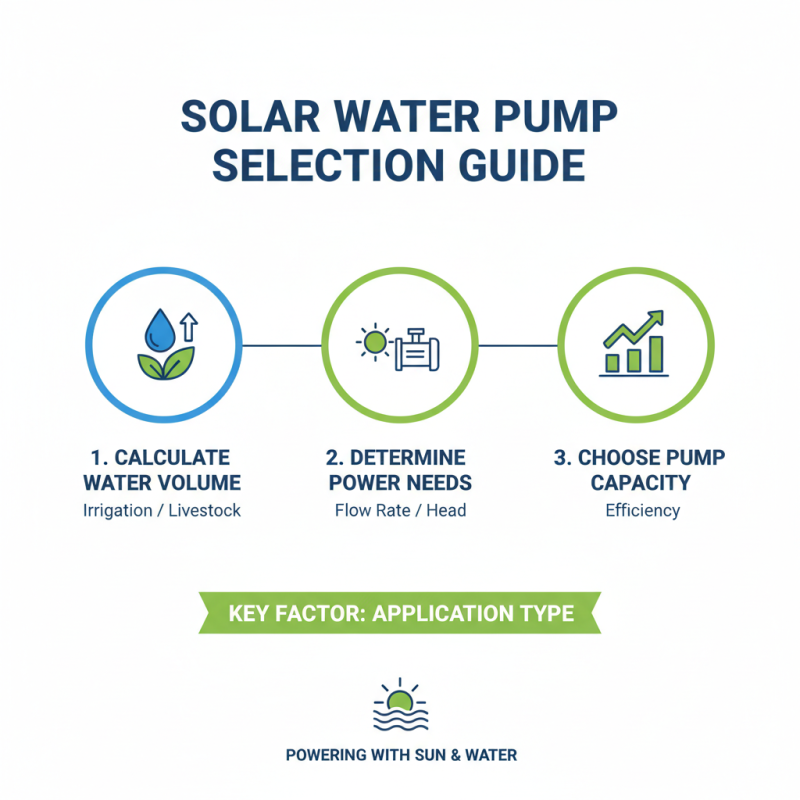
When selecting a solar water pump, understanding power requirements is crucial. Start by calculating the total water volume you need to move. This can depend on your specific application, like irrigation or livestock watering. Solar pumps vary in capacity, so assessing your needs is necessary for efficiency.
Consider solar panel output, too. Panels convert sunlight into energy, powering the pump. If your location has less sunlight, you may need a more powerful setup. Assessing peak sunlight hours can guide your decision. It’s challenging to balance power and efficiency, but detailed calculations can help.
There’s also variability in performance. The efficiency of solar pumps can differ based on temperature and weather conditions. Work with a reliable Solar Pumps Water Pump Manufacturer to find the right model for your situation. Be sure to consider these factors before making a purchase. You may need to revisit your choices based on changing circumstances.
Assessing Water Flow Rates and Head Height for Efficiency
When selecting a solar water pump, understanding flow rates and head height is crucial. Flow rate refers to how much water the pump can deliver at a specific time. A pump with a high flow rate is ideal for larger applications, like irrigation or filling a pond, while lower rates suit smaller needs. Consider your water requirements carefully. Are you watering garden beds or providing water for livestock? Knowing the exact need helps narrow options.
Head height, or vertical lift, is another key factor. It represents how high the water must be pumped. Be realistic about the elevation from the water source to your desired point. If the pump struggles against gravity, efficiency drops. A High-Quality Solar Pumps Water Pump should easily handle the necessary head height, but always check specifications before purchase.
Take time to research and reflect on your needs. Rushing the decision might lead to purchasing a pump that doesn't meet your expectations. Make adjustments to your criteria as needed. Eventually, this thoughtful approach ensures you select the best option for your situation. Effective planning prevents frustration later on.
Installation Options for Solar Water Pumps: A Step-by-Step Approach
Installing a solar water pump requires careful planning. Start by determining the depth of your water source. This affects the pump's capacity. According to the Solar Energy Industries Association, an adequate solar water pump can draw water from depths of up to 300 feet efficiently. Knowing your needs can simplify the selection process.
Next, consider the installation location. The pump needs sunlight for maximum efficiency. Ideally, place it in a sunny area, away from obstructions. Some reports suggest that positioning the solar panels at an angle can increase energy absorption. A 15% tilt can help capture optimal sunlight throughout the day.
Prepare for potential challenges. Installation may require more effort than anticipated. You might encounter unexpected ground conditions. Soil type can affect the installation depth. It’s crucial to evaluate these factors beforehand. Finally, do not overlook local regulations. Understanding them will save time and resources in the long run.
Maintaining Your Solar Water Pump for Long-Lasting Performance
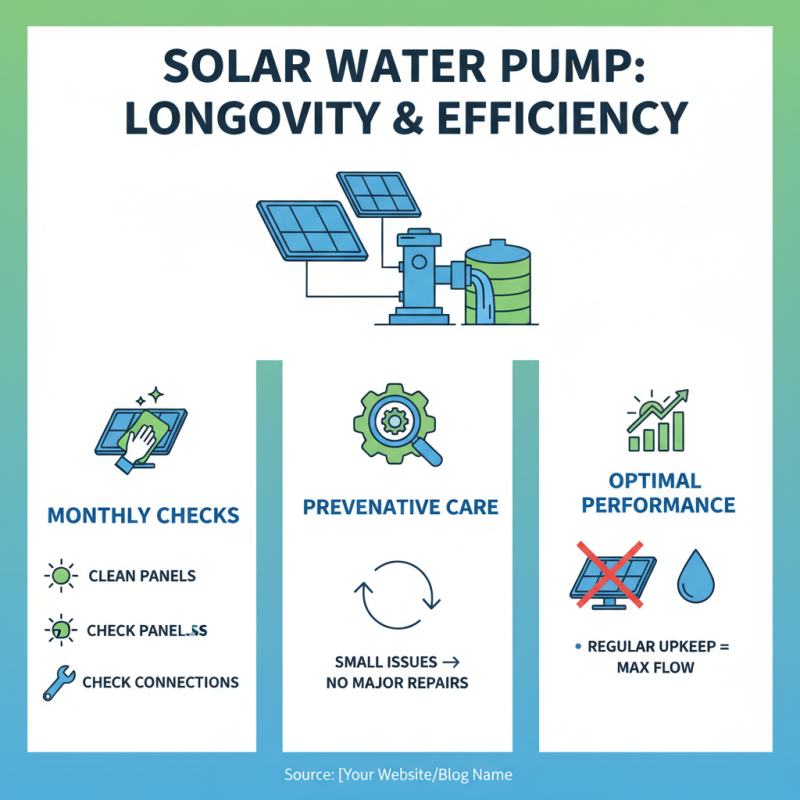
Maintaining your solar water pump is essential for ensuring its longevity and efficiency. Regular checks can prevent small issues from becoming major repairs. Inspect the panels and connections at least once a month. Make sure they are clean and free from debris. A dirty panel can reduce performance significantly.
Consider the pump's battery life as well. It's crucial to replace batteries as needed. Over time, they can lose their capacity to hold a charge. Additionally, monitor the water levels and flow rate regularly. If you notice any changes, investigate immediately. Sometimes, simple clogs can disrupt everything.
Lastly, don't forget to store the pump properly during off-seasons. Excessive exposure to harsh weather can damage the unit. Protecting it can extend its life. Reflect on these points as you embrace solar technology. Striving for optimal performance takes effort and attention.
Maximizing Efficiency with the SSQB Solar-Powered Surface Pump: A Comprehensive Guide for Drinking Water Needs
The SSQB solar-powered surface pump represents a significant advancement in sustainable water management, particularly for drinking water needs. The reliance on renewable energy sources has become a priority, especially as global water scarcity continues to escalate. According to a report by the United Nations, over 2 billion people live in countries experiencing high water stress, underscoring the need for efficient water solutions. Solar-powered pumps not only provide an eco-friendly alternative to traditional energy sources but also reduce operational costs and maintenance requirements.
Utilizing solar energy for surface pumping systems enhances rural and remote access to clean drinking water, making it an invaluable tool for communities that lack reliable infrastructure. Research from the International Renewable Energy Agency indicates that solar water pumping can yield considerable improvements in access, with systems capable of delivering hundreds to thousands of liters of water daily depending on solar irradiance and capacity. By harnessing the power of the sun, these systems can operate independently of the grid, increasing resilience against power outages or fuel shortages.
The efficiency of the SSQB system lies in its design, optimized for both performance and durability. Such systems typically feature high-efficiency solar panels and dependable pump technology that minimizes water wastage while maximizing output. A case study published by the World Health Organization highlights the success of solar-powered pumping in various regions, showing a significant increase in the availability of potable water and a corresponding decrease in waterborne diseases. This makes solar-powered surface pumps not just an innovative solution, but a crucial component in ensuring safe and reliable drinking water access across diverse geographies.
FAQS
: Regular exercise improves physical health. It enhances mental well-being too. You may feel more energetic and positive.
Begin with short sessions. Find activities you enjoy. Gradually increase intensity and duration over time.
Aim for at least three to five times. Each session can last 30 minutes. Listen to your body; rest when needed.
Aerobic exercises, strength training, and flexibility workouts are all important. Try to mix different types for best results.
Yes, home workouts are effective. You can use bodyweight exercises or simple equipment. Create a space for your routine.
Set personal goals and track your progress. Celebrate small victories. Sometimes, avoiding burnout means taking breaks.
Don’t stress about missed workouts. Reflect on why it happened. Get back on track with your next scheduled session.
Nutrition complements exercise. A balanced diet supports recovery and energy levels. Pay attention to hydration; it’s often overlooked.
Start slow and assess your comfort. Consider consulting a fitness professional. It’s okay to seek guidance on your journey.
Consistency is key. Schedule workouts like appointments. Over time, it can become a natural part of your daily routine.
Conclusion
Choosing the best solar water pump for your needs involves understanding the fundamentals of solar pumps water pump technology. This comprehensive guide covers various types of solar water pumps, helping you identify which one is best suited for your specific application, whether it be for irrigation, livestock, or residential use. Key factors to consider include power requirements, as well as assessing water flow rates and head height to ensure efficiency.
The installation process can be straightforward when approached systematically, and maintaining your solar water pump is essential for ensuring durability and optimal performance. By following these guidelines, you'll be well-equipped to select and maintain a solar water pump that meets your needs effectively and efficiently.







 Mr Youkee Kong