Picking out a Deep Well Submersible Pump can feel pretty overwhelming at first, right? I mean, there's a lot to think about. As David Hartman, a well-known expert in the water pump world, says, "A deep well submersible pump is really an investment in your water supply." And honestly, making sure you have clean, reliable water is super important whether it’s for your home or farm.
These pumps work quietly underwater, pulling water from really deep sources. They actually have some major perks over the usual pumps you see around. For one, they tend to last longer and are less likely to get contaminated. But, of course, you’ve gotta weigh the costs for installation and ongoing maintenance. Not every situation needs this kind of pump, you know?
Thinking about how it’ll perform over time and whether it’ll last long enough is key. Will this pump keep up with your needs down the line? Sometimes, people go a bit overboard and end up spending more than they need to. Still, if you choose the right one, a Deep Well Submersible Pump can seriously boost your water game for years to come.
Understanding Deep Well Submersible Pumps
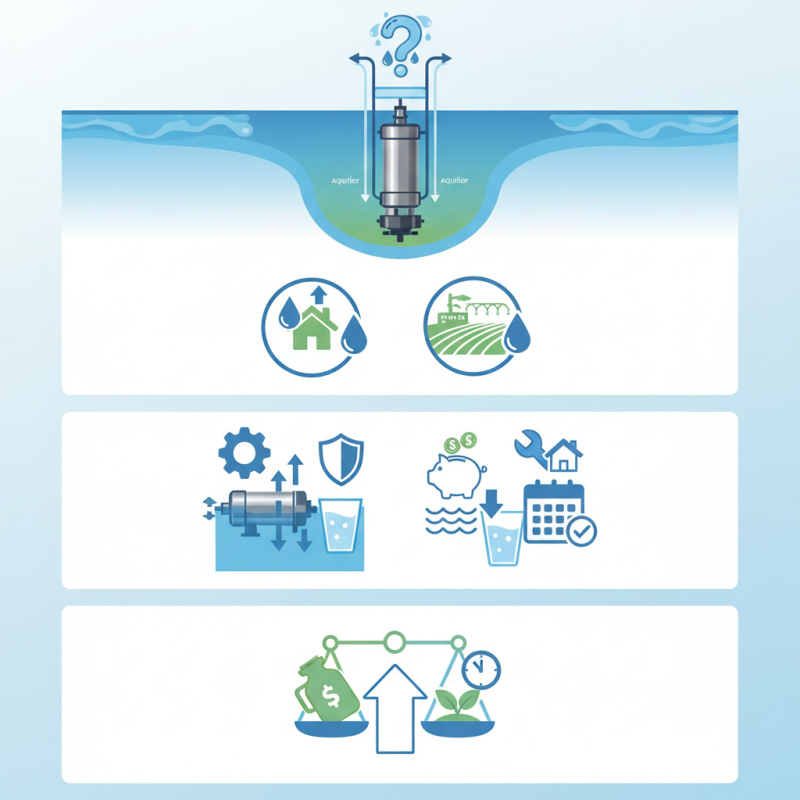
Deep well submersible pumps play a crucial role in accessing groundwater. These pumps are designed to operate underwater, making them efficient in deep wells. They consist of a motor and a pump, which work together to draw water from great depths. This design helps to ensure a consistent water supply, even in areas where surface water is scarce.
These pumps are often made of durable materials. They can withstand harsh conditions, including corrosive environments. However, not all Deep Well Submersible Water Pumps are the same. It’s vital to consider factors like depth, flow rate, and power source. Choosing the wrong pump can lead to inefficiencies. This may cause frustration and unexpected costs during operation.
Many factors can affect the performance of a deep well submersible water pump. Regular maintenance is essential, yet many overlook it. It might seem tedious, but a small checkup can extend the pump’s lifespan. Users should also monitor water quality periodically. Contaminants can damage the pump and compromise water safety.
Advantages of Using Deep Well Submersible Pumps
Deep well submersible pumps are a popular choice for many water needs. These pumps are designed to operate deep underwater, which makes them efficient. They can pull water from depths that standard pumps cannot reach. This feature is particularly useful in rural areas or during droughts.
One significant advantage is their energy efficiency. They are generally more energy-efficient than other pump types. As a result, they can save on electricity costs over time. This can be especially beneficial for large farms or properties with high water demands.
Here are some tips for maintaining deep well submersible pumps. Regularly check the power supply to ensure consistent performance. Monitor the water quality to prevent any clogging. A clean filter can significantly extend the pump's life. If you notice any unusual noises, don’t ignore them. Early detection can prevent larger issues.
Additionally, deep well pumps can be quieter than surface pumps. This aspect can enhance your overall comfort. However, installation can be tricky. Not everyone is skilled at it. It may require expert help. It’s crucial to ensure proper installation to avoid frequent repairs and replacements.
How Deep Well Submersible Pumps Work
A deep well submersible pump is a smart choice for accessing groundwater. These pumps work by being submerged beneath the water’s surface. They have a motor attached to the pump's body. This motor pushes water up through a series of pipes. As a result, water travels to your home or irrigation system efficiently.
Tips: Always check the power supply before use. A reliable power source keeps the pump running smoothly.
These pumps can reach great depths. They are ideal for wells deeper than 25 feet. The design helps prevent overheating. However, maintenance is vital. Corrosion can occur over time. Regular inspections help ensure longevity.
Tips: Keep an eye on pump performance. Unusual noises can signal problems.
Consider the installation process carefully. It may require professional help. An improperly installed pump can lead to issues. Plan for routine maintenance, too. It saves headaches down the line.
Why Choose a Deep Well Submersible Pump for Your Water Needs? - How Deep Well Submersible Pumps Work
| Feature |
Description |
Benefits |
Common Applications |
| Design |
Submersible pumps are designed to be submerged in water. |
Efficient in water lifting from deep sources. |
Deep wells, boreholes, water reservoirs. |
| Efficiency |
High energy efficiency with minimal operating costs. |
Long-term cost savings on energy bills. |
Agriculture, gardening, residential water supply. |
| Durability |
Built with corrosion-resistant materials. |
Longevity and reliable performance in harsh conditions. |
Industrial applications, municipal water systems. |
| Installation |
Can be installed in various well depths. |
Flexible options for different site conditions. |
Rural, suburban, urban water systems. |
| Maintenance |
Requires periodic maintenance checks. |
Prevents major repairs and extends pump life. |
Residential, agricultural, industrial use. |
Applications of Deep Well Submersible Pumps in Various Settings
Deep well submersible pumps are versatile tools for various applications. These pumps can be found in agricultural settings, supplying water to crops. They provide a reliable source of irrigation, especially in regions with limited surface water. Farmers often prefer them for their efficiency and ability to draw water from deep sources.
In residential areas, these pumps are commonly used for well water extraction. Many households rely on them for drinking water and household use. The ease of installation and low maintenance are significant advantages. Additionally, Deep Well Submersible Water Pump Manufacturers have made improvements in energy efficiency, allowing for reduced operating costs.
Industrial applications also benefit greatly. Factories and construction sites often use these pumps to remove excess water. In some cases, however, issues like sediment build-up can affect performance. Regular maintenance is crucial to avoid disruptions. Indeed, while deep well submersible pumps are invaluable, understanding their limitations is essential.
Factors to Consider When Choosing a Deep Well Submersible Pump
When considering a deep well submersible pump, several key factors demand attention.
Depth is essential. The required lift height will determine the power and type of pump necessary for your specific water source. Pumps designed for depths of over 200 feet often require greater horsepower and specially designed impellers.
A study by the Hydraulic Institute states that pumping efficiency can drop significantly when the pump is not properly matched to well characteristics.
Water quality also plays a crucial role. If the water contains sand or other particulates, a robust filtration system may be necessary. Inadequate filtration can lead to rapid wear and tear on the pump. Data suggests that pumps exposed to sand exceed maintenance costs by 30%.
Lastly, consider the reliability and service support of a Deep Well Submersible Water Pump Manufacturer. Not all manufacturers provide equal warranties or customer support. A reliable manufacturer can help ease maintenance burdens and provide timely assistance when needed. A well-chosen pump can save both time and resources in the long run, but the wrong choice could lead to costly downtimes.
Maintenance Tips for Deep Well Submersible Pumps
Maintaining a deep well submersible pump is crucial for its longevity and efficiency. Regular inspections can prevent unexpected failures. Check the power supply to ensure it’s stable and secure. A fluctuating power source can harm the pump's performance. Listening for unusual noises is also important. Strange sounds may signal underlying issues.
Hydration clarity must be a priority. Sediment can clog filters over time. Clean these filters regularly to maximize water flow. Watch for rust or corrosion on components; this can indicate water quality problems. Replacing worn parts is critical, even for small damages. Neglecting minor repairs may lead to larger, more expensive issues.
Monitoring the water level is essential too. If water levels drop too low, the pump can run dry. This can lead to overheating and eventual failure. It’s a simple check that can save time and money. Keeping a log of maintenance work done helps track patterns and identifies potential problems early.
Comparing Deep Well Submersible Pumps with Other Pump Types
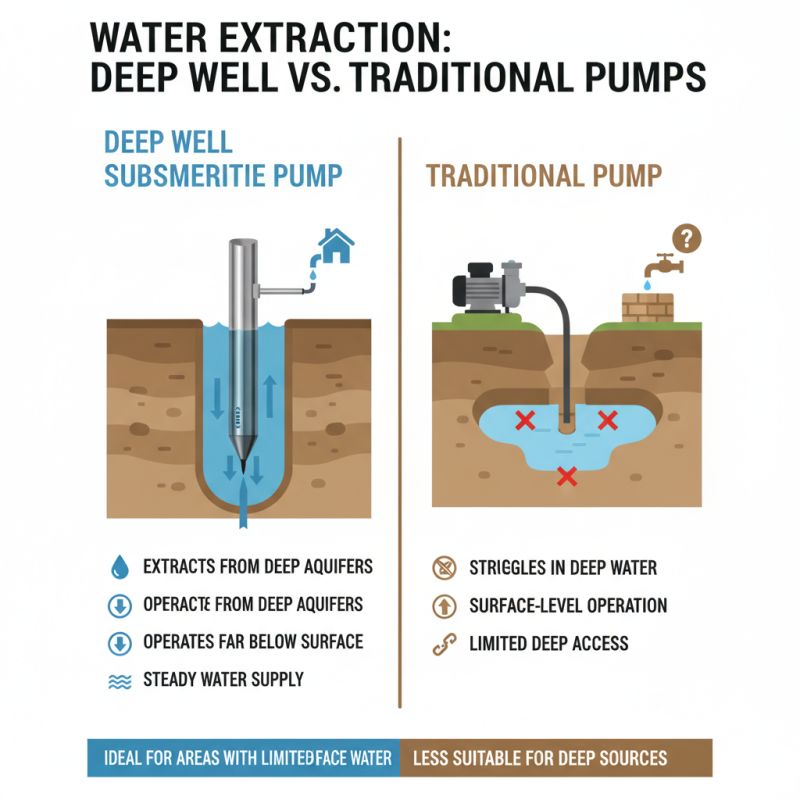
When considering your water needs, deep well submersible pumps stand out among other types of pumps. They excel in extracting water from deep aquifers. This is crucial for areas with limited access to surface water. On the other hand, traditional pumps may struggle in such situations. Deep well pumps can operate far below the surface, ensuring a steady water supply.
One must acknowledge some drawbacks. Installation may be more complex than other pumps. This could lead to higher initial costs and necessary expertise. Yet, the long-term benefits are impressive. High-Quality Deep Well Submersible Water Pumps are designed for efficiency and durability. They can draw water at higher depths, making them a reliable choice.
Comparing these pumps to jet pumps reveals notable differences. Jet pumps work well in shallow wells, but lose efficiency in deeper applications. Meanwhile, submersible pumps face fewer challenges from long pumping distances. With more water available, your household or farm can thrive. Overall, the decision involves evaluating specific needs and the well's depth. This thoughtful approach ensures a suitable water supply for your property.
Optimizing Agricultural Irrigation with 4SC-PV150: Insights from Industry Reports on Solar Pumping Efficiency and Sustainability Trends
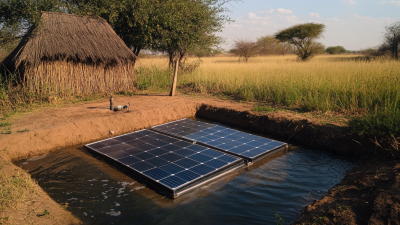
Advancements in agricultural practices have increasingly highlighted the importance of efficient irrigation systems. The integration of solar-powered solutions, such as the 4SC-PV150, provides significant insights into how technology can enhance sustainability in farming. Recent industry reports indicate a growing trend towards solar pumping systems, which not only optimize water usage but also reduce reliance on fossil fuels. By harnessing renewable energy, farmers can ensure more efficient irrigation practices that align with contemporary sustainability goals.
Furthermore, the utilization of solar pumps can lead to substantial cost savings in the long run. Conventional irrigation methods often involve high operational costs due to electricity or fuel consumption. However, solar pumping systems leverage sunlight, which translates into a decrease in the total cost of ownership for irrigation infrastructure. Reports suggest that farmers adopting these systems experience improved water management, resulting in enhanced crop yield and reduced environmental footprint. This shift towards solar technology in irrigation not only supports economic viability but also promotes environmentally responsible agricultural practices.
FAQS
: The product aims to enhance user experience and provide convenience in daily tasks.
Follow the guidelines in the manual. Engage with all features gradually.
Users often struggle with the initial setup. Connectivity problems may occur occasionally.
Yes, customer support is available through various channels. Response times may vary.
Yes, it is designed for both indoor and outdoor use. However, avoid extreme weather conditions.
Restart the device if issues arise. Ensure all connections are secure and properly configured.
Regular cleaning is necessary to maintain performance. Periodically check for software updates too.
Contact support for warranty options. Be prepared to provide proof of purchase.
Yes, returns are accepted within a specified period. Ensure the product is in original condition.
Use the password recovery option. Follow the prompt's instructions to reset your credentials.
Conclusion
Deep Well Submersible Pumps are crucial for efficiently extracting water from deep underground sources. Understanding their operation and advantages is essential for selecting the right pump for specific water needs. These pumps function by utilizing a series of impellers to push water from the well to the surface, making them suitable for various applications such as irrigation, domestic water supply, and industrial uses.
When choosing a Deep Well Submersible Pump, consider factors like depth, flow rate, and motor power to ensure optimal performance. Regular maintenance is important to prolong the lifespan of the pump and ensure reliable operation. Compared to other pump types, deep well submersible pumps offer unique advantages, particularly in managing deeper water sources, making them a preferred choice for many users.






 Mr Youkee Kong