Inquiry
Form loading...
0%

Picking the right DC solar water pump really matters if you want things to run smoothly and efficiently, especially since these systems can be so specific to your needs. Did you know that the global market for solar water pumps is expected to grow at a pretty impressive rate—around 16.7% CAGR from 2021 to 2028? That just means more folks are looking for reliable and budget-friendly options out there. Zhejiang Rambo Intelligent Technology Co., Ltd. is right in the thick of things, leading the charge with top-quality products that won't break the bank and meet international standards. Thanks to their state-of-the-art facilities and cutting-edge tech, they’re all about innovation and helping customers find exactly what they need. If you take the time to understand your specific requirements and the best types of pumps for your projects, you’ll be in a much better spot to pick something that fits your goals—and helps you stay sustainable along the way.
How to Choose the Right Dc Solar Water Pump for Your Needs

Understanding Your Water Pumping Needs

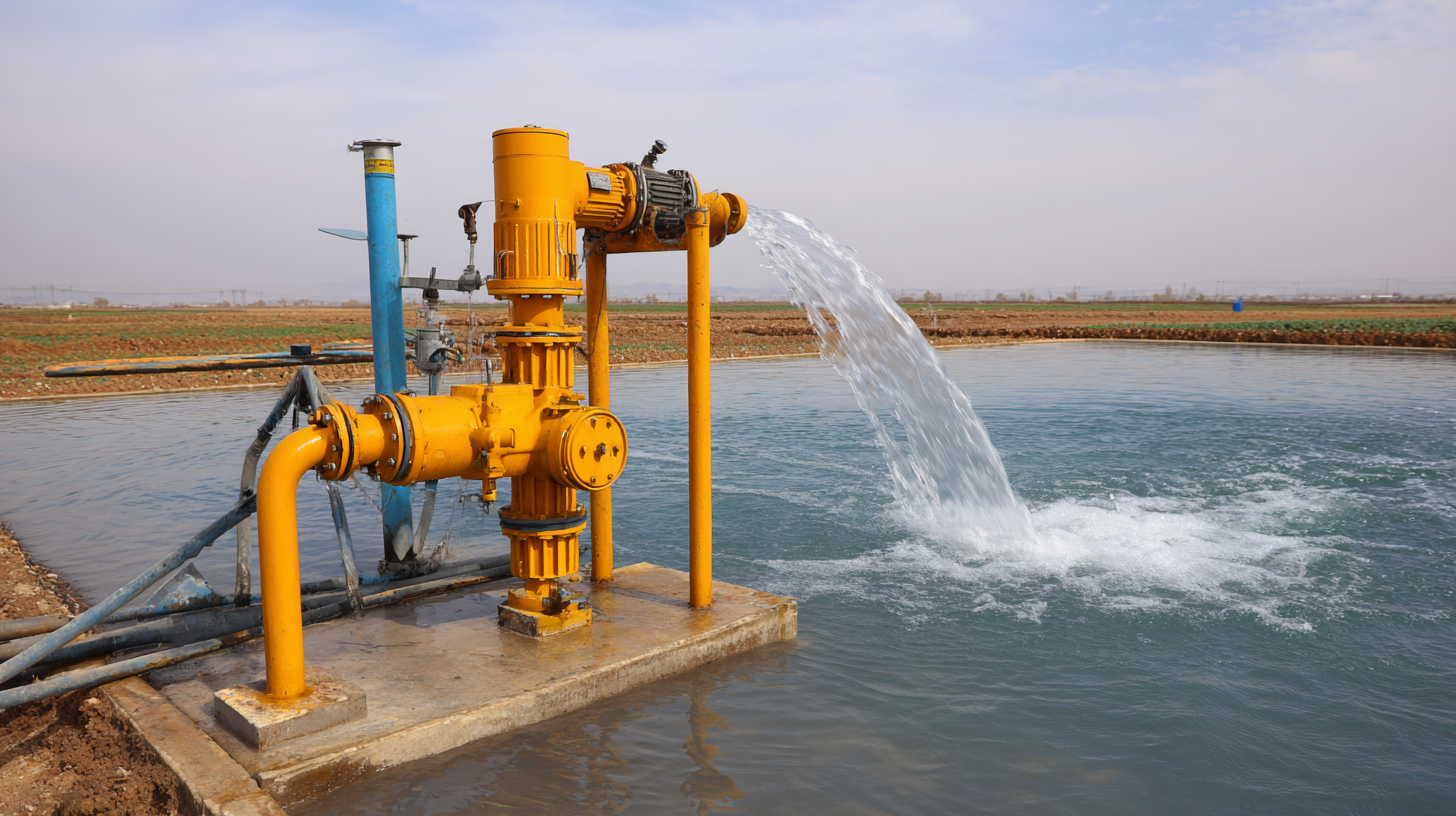
When you're trying to pick out the right DC solar water pump, the first thing you really wanna do is get a clear picture of what your water needs actually are. I mean, according to a report by the International Renewable Energy Agency (IRENA), about 70% of the world's freshwater is used for farming stuff, which kind of shows how important it is to manage water smartly in agriculture. Stuff like where your water is coming from, how high the pump needs to lift, and how much water flow you need—these are all things you gotta think through carefully. For example, if you're pulling water from a pretty deep well, you'll probably want a pump that can handle a good lift to get the job done.
How to Choose the Right Dc Solar Water Pump for Your Needs

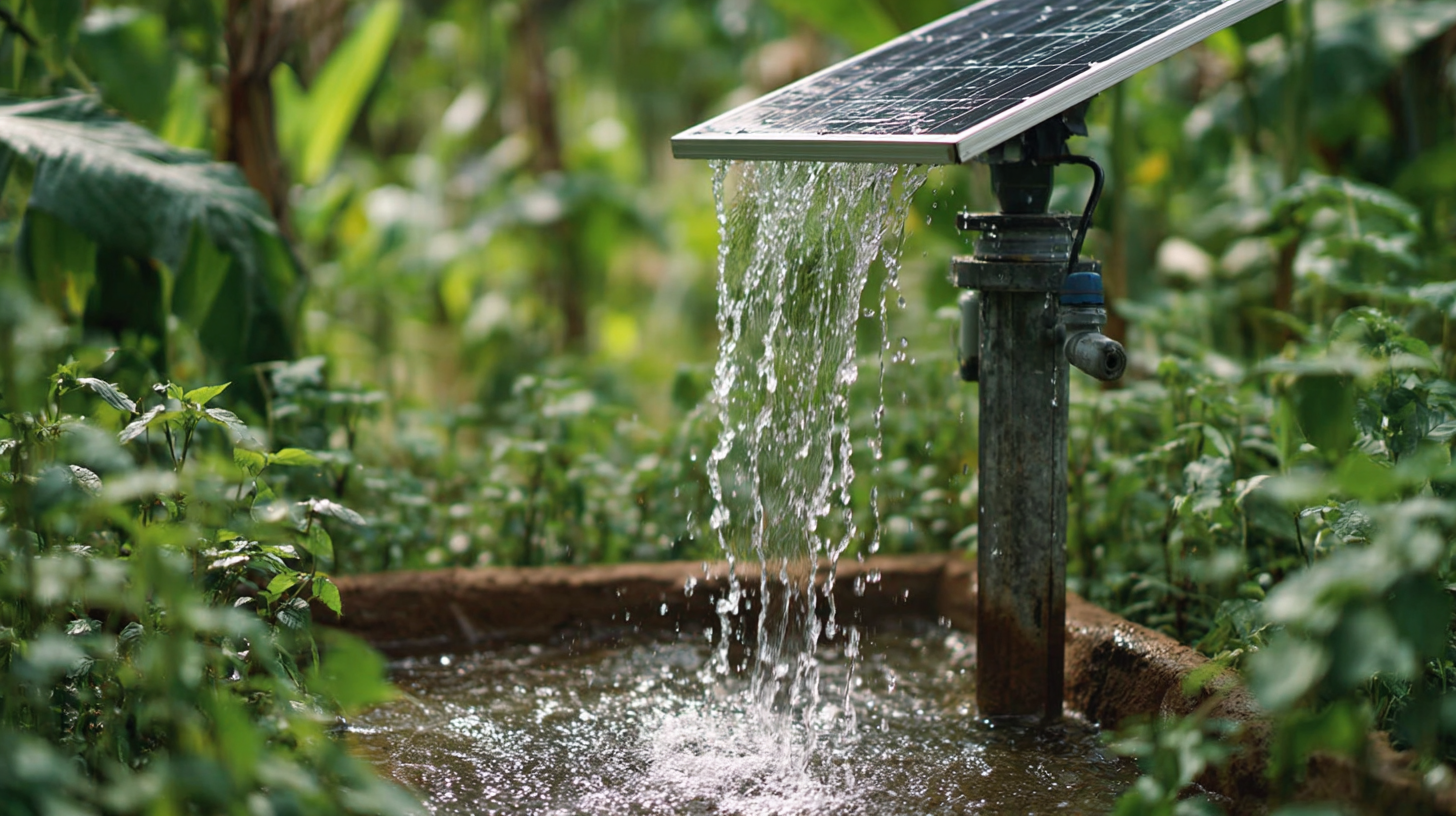
Also, it’s super important to have a handle on how much water you need each day. The UN’s Food and Agriculture Organization (FAO) reports that most irrigation setups use somewhere between 400 to 1,000 liters per hectare per day, but it really depends on what you're growing and your climate. Having that info helps you pick a pump that doesn’t just work, but works well for your particular situation. When you match your solar water pump to your actual water needs, you're more likely to end up with a solution that’s not only sustainable but also efficient—saving resources while still keeping your farm or household running smoothly.

Evaluating Solar Power Requirements for Pumping

When you're looking to pick out a DC solar water pump, one of the most important things is figuring out how much solar power you actually need to make it work smoothly. I’d suggest starting with your specific water needs—thinking about how much water you require and how high it needs to be pumped. Basically, you want to get a sense of the flow rate and the total dynamic head (TDH), whether you’re using it for watering crops, feeding livestock, or other stuff. Knowing these details will really help you figure out what size and capacity of pump you should go for.

After that, it’s key to look at the solar panels’ output—how much power they can produce—and make sure it matches the pump’s power rating in watts. You'll need to do a quick calculation based on your location’s sunlight hours each day. Keep in mind factors like seasonal changes and shady spots because they can impact the sunlight your panels get. Doing this little bit of homework means you’ll end up with a solar setup that’s just right—giving your pump enough juice to run nicely, even when the sun isn’t shining bright. When you understand these basics, making a smart choice becomes much easier, and you’ll have a reliable way to keep your water flowing using solar energy.

Selecting the Right Flow Rate and Head Height

When you're trying to pick out the right DC solar water pump, it really helps to get your head around two key things: flow rate and head height. The flow rate, usually measured in gallons per minute (GPM), tells you how much water the pump can move. On the other hand, head height, measured in feet, shows the maximum vertical lift the pump can handle. According to the Solar Energy Industries Association (SEIA), matching your pump’s flow rate with your specific irrigation or water needs isn’t just a good idea — it actually makes your system run more efficiently and reliably.

Here's a little tip: you should always keep your particular setup in mind. For example, a small garden’s watering needs might only require 1 to 3 GPM, but if you're dealing with a bigger farm, you’re probably looking at 5 to 15 GPM or more. Plus, it’s super important to find a good balance between that flow rate and the head height — make sure your pump can lift water where it needs to go without overtaxing itself.

Another thing to consider is how the pump performs across different conditions. The National Renewable Energy Laboratory (NREL) notes that picking a pump that works efficiently within 70-85% of its rated capacity will save you energy and help the pump last longer. So, just pay attention to those specs — they’re the key to making sure your solar water pumping system works smoothly and efficiently.

How to Choose the Right DC Solar Water Pump for Your Needs - Selecting the Right Flow Rate and Head Height

Pump Model Flow Rate (GPH) Head Height (Feet) Power (Watts) Efficiency (%) Weight (lbs)
Model A 600 30 120 85 15
Model B 800 25 150 90 12
Model C 1000 20 200 87 14
Model D 500 35 100 82 10

Assessing Durability and Performance in Various Conditions

When you're picking out a DC solar water pump, it's really important to think about how durable and how well it performs—especially since weather conditions can be so unpredictable. A report from the Solar Energy Industries Association (SEIA) points out that top-quality solar pumps need to handle extreme temperatures and switching between wet and dry environments without breaking down. Pumps built with corrosion-resistant materials and strong sealing are a smart choice if you're somewhere humid or near saltwater, because that stuff really tests their durability and helps them last longer.

On top of that, how well a pump works isn’t just about its design. It also depends on its efficiency. According to the National Renewable Energy Laboratory (NREL), solar water pump efficiency can vary pretty widely—from around 30% to over 90%. Factors like how the impeller is designed and the kind of solar panels you use play big roles there. If sunlight isn’t always reliable where you are, go for a pump with built-in battery storage—that way, it can keep working even when the sun's not shining. Basically, understanding your particular environment and needs will help you choose the right pump that’ll serve you well in the long run.

Exploring System Compatibility and Additional Features

So, when you're picking out a DC solar water pump, it's really important to make sure it works well with your solar setup. I mean, not all pumps play nicely with every solar panel, especially since they might need different voltages. So, before you buy, double-check those specs—look at what the pump needs and what your panels can give—to make sure they’re a good match. That way, your pump runs smoothly and efficiently, making the most out of the sunlight and cutting down on energy waste.

And hey, don’t just think about basic compatibility. It’s worth checking out some of the extra features too. Some pumps come with smart controls that can turn themselves on or off based on water levels or how strong the sunlight is. Others even have built-in battery systems, so they can keep working during cloudy days or after sunset. Taking these extras into account can really make a difference, especially if you want a setup that can handle different conditions and keep running reliably. It’s all about finding a pump that’s not just good for now, but also adaptable for whatever Mother Nature throws your way.

How to Choose the Right Dc Solar Water Pump for Your Needs

FAQS

: What factors should be considered when selecting a DC solar water pump?

: When selecting a DC solar water pump, you should evaluate your specific water needs, including the volume of water required, flow rate, and the total dynamic head (TDH) needed for your application. Consider the solar panel output required to effectively operate the pump and account for daily sunlight hours, seasonal variations, and potential shading.

How do I determine the size and capacity of the solar pump I need?

To determine the size and capacity of the pump, assess the flow rate (measured in gallons per minute) required for your application. Smaller needs, like garden irrigation, may require 1-3 GPM, while larger systems might need 5-15 GPM. Pair this with the head height that indicates the vertical distance the pump can lift water.

What is the importance of matching the pump's power rating with solar panels?

Each solar water pump has a power rating measured in watts, and it's important to match this with appropriate solar panels to ensure efficient operation. Calculating the number of panels needed based on your location's daily sunlight hours ensures that your solar power system is properly sized.

Why is it important to consider the performance curves of a solar pump?

The performance curves of a solar pump indicate its efficiency at different flow rates. Choosing a pump that operates efficiently within 70-85% of its rated capacity helps avoid excessive energy consumption and prolongs the pump's lifespan, enhancing overall performance.

What environmental conditions should be assessed when selecting a solar water pump?

When selecting a solar water pump, evaluate its durability and performance in varying environmental conditions, such as extreme temperatures and humidity levels. Ensure the pump is made of corrosion-resistant materials and has robust sealing to withstand adverse conditions.

How can battery storage improve pump performance in low sunlight?

Selecting a solar water pump that includes built-in battery storage can supplement performance during periods of low solar intensity, ensuring a reliable water supply even when sunlight is inconsistent. This feature is especially beneficial in regions with variable sunlight.

What efficiency range should I expect from solar water pumps?

The efficiency rating of solar water pumps can vary significantly, ranging from 30% to over 90%. The efficiency depends on factors like the design of the impeller and the type of solar panels used, impacting overall performance and energy consumption.

What specific tips should I keep in mind for optimizing a solar water pumping system?

Always align the pump's specifications with your specific application needs, considering correct flow rates, head height requirements, and maintaining efficiency. This includes evaluating seasonal changes in sunlight and ensuring that the pump's design is suitable for the intended environment.

Conclusion

If you're trying to pick out the right DC solar water pump, the first thing you should do is really get a handle on what you actually need it for. Like, how much water do you need to pump? How high does it have to lift? And how often will you be using it? Don't forget to also think about the solar power aspect — you want to make sure the system can handle the sunlight variations, right? Getting the flow rate and head height just right is super important for making sure it runs smoothly. And of course, it's a good idea to consider how durable the pump is, especially if you're in an outdoor environment with changing weather.

Also, you should check if it plays nicely with your existing setup and whether it has extra features that could make your life easier. Here at Zhejiang Rambo Intelligent Technology Co., Ltd., we really focus on quality and innovation with our DC solar water pumps. Our state-of-the-art manufacturing facilities and dedication to customer happiness help us stand out worldwide, letting us offer top-notch products at competitive prices.
Ethan

Ethan

Ethan is a dedicated marketing professional at Zhejiang Lambo Intelligent Technology Co., Ltd., where he leverages his deep expertise in the industry to drive innovative marketing strategies. With a strong focus on enhancing brand visibility, Ethan regularly contributes to the company’s......
Previous Global Insights on the Future of Dc Pump Solar Technologies in 2025