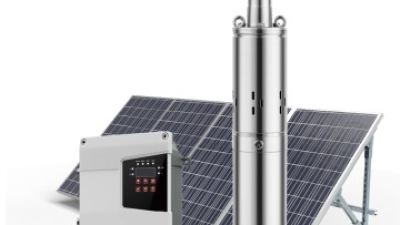
Picking the right Electric Submersible Pump for your water needs isn't just about meeting specs; it's about finding something reliable and efficient. I mean, did you know that the market for these pumps is expected to hit a whopping USD 8.88 billion by 2027, according to Fortune Business Insights? Crazy, right?
As industries start to really see how important top-notch pumping solutions are, it's super helpful to understand what features and specs really make a difference in how well these pumps perform. At Zhejiang Rambo Intelligent Technology Co., Ltd., we’re proud of our state-of-the-art factories and cutting-edge processes. We don’t just make pumps that meet global standards—you could say we often go beyond them.
Our focus on quality, integrity, and really taking care of our customers helps us stand out from those big-name brands everyone talks about. When choosing a pump, it's smart to keep in mind things like head size, flow rate, and what materials are compatible with your setup. That way, you can make the best call for your water management needs—and get the job done right.
Understanding the Different Types of Electric Submersible Pumps Available
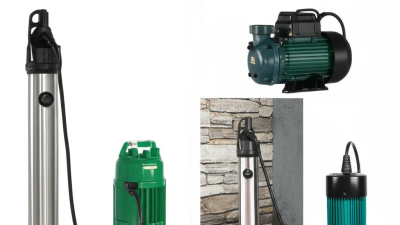
When you're trying to pick out the right electric submersible pump for your water needs, it’s really helpful to understand the different types out there. Basically, these pumps fall into three main categories: sewage pumps, drainage pumps, and well pumps. Sewage pumps are built to handle solids and wastewater, making them perfect for things like wastewater treatment setups. Interestingly, the Water Systems Council estimates that around 15 million households in the U.S. depend on private wells, so well pumps are pretty important for everyday water supply.
A couple of tips before you buy—first off, think about what you actually need the pump for. If you’re dealing with water coming from a flooded basement or a similar situation, a drainage pump is probably your best bet because it’s designed to handle clear water with little debris. Also, don’t forget to consider how deep the pump will be submerged and how much water it needs to move. The folks at the International Association of Plumbing and Mechanical Officials (IAPMO) recommend checking the pump’s flow rate and head (that’s basically the height the pump can push water) to make sure it’s up to the task. Picking a pump that matches your specific needs means you’ll get better performance and keep things running smoothly.
All in all, taking the time to understand these factors can really save you headaches down the line, and help you choose a pump that works exactly as you need it to.
Key Factors to Consider When Selecting a Submersible Pump
When you're trying to pick out the right electric submersible pump for your water needs, there are a few important things to keep in mind to make sure everything runs smoothly and efficiently. First off, think about the depth and the kind of water source you're dealing with. Pumps come designed for different depths, so it's pretty key to know how far down the water is. Also, is your water pretty clean, or does it have a lot of debris? That totally influences what type of pump you'll want. For dirtier water, you'd probably go for a pump that’s tough-built with good filters—no point in wasting time and resources on something that’ll clog all the time.
Then, there’s the flow rate and pressure. Basically, how much water do you need to move, and how fast? Getting those details nailed down helps you pick a pump that can handle your needs without working overtime—because an overworked pump is just asking for trouble, you know? Also, don’t forget about your power supply. Submersible pumps come in different power ratings, so making sure it matches your electrical setup is super important. And hey, it’s always smart to peek at the manufacturer’s specs and read some reviews from other users. That way, you can be confident your pump will be reliable and meet your particular needs without any headaches.
Analyzing Pump Performance Ratings and Specifications
Choosing the right electric submersible pump can feel a bit overwhelming, right? But honestly, the key is to look at the performance ratings and specs that match your water needs. Over here in North America, the market for utility pumps has been steadily growing, especially when it comes to submersible types. From what I’ve seen in reports, this trend is mainly driven by the rising demand for good water management solutions, whether it's for homes or businesses. People really like submersible pumps because they can run underwater and are pretty efficient when it comes to moving large amounts of water.
When you're checking out different models, don’t forget to pay attention to the flow rate—usually measured in gallons per minute (GPM)—and the maximum head height, which tells you how high the water can be pumped. For example, if you find a pump offering around 50 GPM and a head height of 25 feet, that’s usually perfect for standard dewatering jobs. Also, take a quick peek at what materials it’s made from—if it’s built from corrosion-resistant stuff, that’s a big plus, especially if you’re dealing with chemically-treated water.
Some quick tips: Make sure to check the power requirements and double-check that your electrical system can handle the pump. It’s also a good idea to look at user reviews and industry ratings—it gives you a better sense of how reliable and effective the pump is in the long run. And if you can, go for a model with adjustable settings; that way, you get some flexibility for different jobs or water conditions. Honestly, a little extra effort here can save you loads of headaches later on.
Identifying Your Specific Water Needs and Applications
When you're trying to pick out an electric submersible pump, the first thing you really need to do is get a solid understanding of your specific water needs and what you'll actually be using it for. I mean, whether it’s for your home, farm, or a big industrial setup, the pump's capacity and features might need to be pretty different. Did you know that, according to the Pump Industry Analyst, about 70% of pump failures happen because they were just plain the wrong size? Crazy, right? So, it’s super important to figure out how much water you’ll need to pump, how far it needs to go, and what kind of fluid you're dealing with?
Quick tip: If you’re working on a home project, check out how many fixtures (like showers, faucets, toilets) might be running at the same time. This will give you a good idea of the flow rate you need. And maybe go for a pump that's about 20% more powerful than your maximum expected demand — just to stay safe and handle a little extra water demand that might pop up down the line.
For industrial jobs, it’s a different ballgame. You’ll want to think about things like temperature, how thick or viscous the fluid is, and whether there are solids or debris in the water. The Hydraulic Institute suggests going for pumps designed to handle tough environments—that way, they won’t wear out as quickly. And honestly, chatting with a qualified technician or expert can be a huge help here; they can make sure you pick a pump that’s efficient and built to last.
Another tip: Always peek at the pump’s performance curves — those graphs showing flow rate versus pressure under different conditions. They can really help you get a clear picture of how your pump will perform in your setup. Trust me, a little extra homework on these details can save you a lot of headaches later on.
Common Brands and Models of Electric Submersible Pumps
Looking to pick out the right electric submersible pump for your water needs? It’s pretty important to think about the top brands and models out there. You’ve probably heard of names like Grundfos, Zoeller, and Wayne—these guys have built solid reputations for making reliable and efficient pumps. Actually, a report by Market Research Future says the worldwide market for these pumps could hit around $23.8 billion by 2025, growing at about 5.4% annually. That’s mainly because more industries are looking for better water management solutions these days.
When it comes to specific models, the Grundfos SP series gets a lot of props for being versatile and energy-efficient. They’re especially good for deep wells and can handle pretty high flow rates. On the other hand, Zoeller’s M53 is a big hit for residential sump applications—trust me, it’s reliable and packs a good pumping punch. Experts say that choosing the right pump really depends on a few things—like how much water you need to move, the total head (or height), and what kind of water you’re dealing with. With so many options out there, knowing the strengths of each brand and what the different models can do really makes a difference in how well your water management system works. Pretty much, doing your homework on these pumps will save you hassle down the road and help you pick the best fit for your needs.
Electric Submersible Pump Performance Comparison
Maintenance Tips for Prolonging the Lifespan of Your Pump
Taking good care of your electric submersible pumps isn’t just about keeping things running — it’s really the key to making them last longer and perform at their best. You’d be surprised how often simple checks can prevent big headaches down the line. For example, experts always suggest giving the pump a quick look for debris or any blockages, because even tiny obstructions can mess with the flow and slow things down. In fact, one study found that nearly 30% of pump failures happen because of skipped or poor maintenance. That just goes to show how important routine inspections really are.
On top of that, keeping an eye on the electrical parts can catch early signs of wear before things go totally south. Using condition-based or predictive maintenance methods can seriously boost your pump’s reliability. Some recent reports say that by doing this, you could see performance improvements of up to 20%, and cut down unplanned outages by almost half. Setting up a regular maintenance schedule — like testing the mechanical seals and making sure everything’s properly lubricated — can really save your bacon and prevent those unexpected breakdowns before they happen.
Maximizing Irrigation Efficiency: The Benefits of ZRI Brushless Solar Water Pumps for Sustainable Agriculture
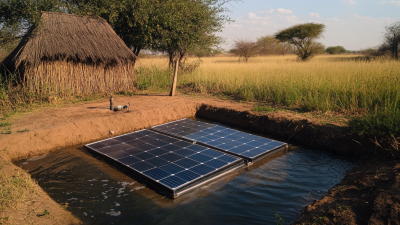
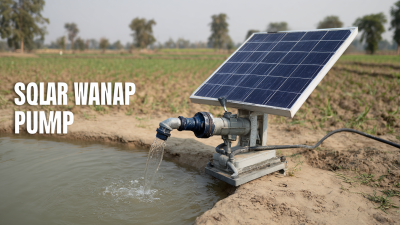
The quest for sustainable agriculture has led many farmers to explore innovative solutions that enhance irrigation efficiency while minimizing their environmental footprint. One of the most promising advancements in this area is the use of ZRI brushless solar water pumps. These solar-powered systems harness renewable energy to provide a reliable and cost-effective way to pump water, making them an excellent choice for modern farming practices.
ZRI brushless solar water pumps stand out for their ability to operate without the need for traditional fuel sources. By utilizing solar energy, these pumps not only reduce operating costs significantly but also lower greenhouse gas emissions, contributing to a healthier ecosystem. This eco-friendly approach to irrigation helps farmers ensure that water access aligns with sustainable practices, striking a balance between productivity and environmental stewardship.
Furthermore, the efficiency of these solar water pumps translates to improved water management on farms. With enhanced capabilities for distributing water, farmers can optimize their irrigation schedules and conserve precious resources. The result is a more resilient agricultural system that can withstand the challenges posed by climate change while promoting sustainable food production. By adopting ZRI brushless solar water pumps, farmers can lead the charge towards a greener future in agriculture.
FAQS
: When selecting an electric submersible pump, consider the flow rate (measured in GPM) and the maximum head height to ensure they meet your water needs. Additionally, evaluate the material construction for durability, especially for chemically-treated water.
Submersible pumps are preferred due to their ability to operate underwater and their efficiency in transferring large volumes of water, making them suitable for residential and commercial water management.
Proper maintenance is crucial for extending the lifespan and ensuring optimal performance of electric submersible pumps. Regular inspections can prevent costly repairs and reduce the likelihood of pump failures.
Approximately 30% of pump failures are attributed to inadequate maintenance practices, such as failure to inspect for debris and blockages that can hinder flow rates.
Implementing condition-based and predictive maintenance strategies can enhance the reliability of submersible pumps, optimizing their performance and significantly reducing unplanned downtime.
A maintenance schedule should include regular testing of the pump's mechanical seals, checking for blockages, monitoring electrical components, and ensuring proper lubrication.
Checking the power requirements and ensuring your electrical capacity can support the chosen pump is essential for effective operation.
Pumps with adjustable settings offer flexibility to adapt to different pumping needs and conditions, making them more versatile for various applications.
Reviewing user ratings and industry reviews can provide insights into the long-term reliability and effectiveness of different submersible pumps.
Predictive maintenance techniques can optimize pump performance by up to 20% and can reduce unplanned downtime by nearly 50%.
Conclusion
When you're trying to pick the right Electric Submersible Pump for your water needs, it’s pretty important to get a good handle on the different types out there and what they’re mainly used for. Things like how well the pump performs, its specs, and of course, your particular water situation all matter a lot. Taking the time to think about these details can really help you find the perfect pump that fits your specific operational setup. Oh, and getting familiar with some of the popular brands and basic maintenance tips can go a long way in helping your pump last longer and work better over time.
Here at Zhejiang Rambo Intelligent Technology Co., Ltd., we’re all about providing top-quality Electric Submersible Pumps at prices that won’t break the bank. Our state-of-the-art manufacturing facilities and innovative designs not only meet international standards but also give our customers reliable solutions tailored to what they actually need. We’re really committed to quality and making sure our customers are happy because we want to stand out in this pretty competitive market—and honestly, we think we do a pretty good job at it!




 Mr Youkee Kong