As the world puts more focus on sustainable energy solutions, it's no surprise that demand for renewable tech like Solar Water Pumps has really picked up. According to a report from the International Renewable Energy Agency (IRENA), the solar-powered water pumping market is expected to grow by over 10% each year up to 2025. This growth is mainly driven by the rising needs of agriculture and continued improvements in solar tech. With all that in mind, choosing the right Solar Water Pump is actually pretty important — it can make a big difference in how efficient and cost-effective your setup is. Zhejiang Rambo Intelligent Technology Co., Ltd. is really leading the way here, using top-notch facilities and innovative designs to deliver high-quality products at competitive prices. They’re all about quality, ethics, and serving their customers well, aiming to offer custom solutions for various pumping needs and really set a new standard in the industry.
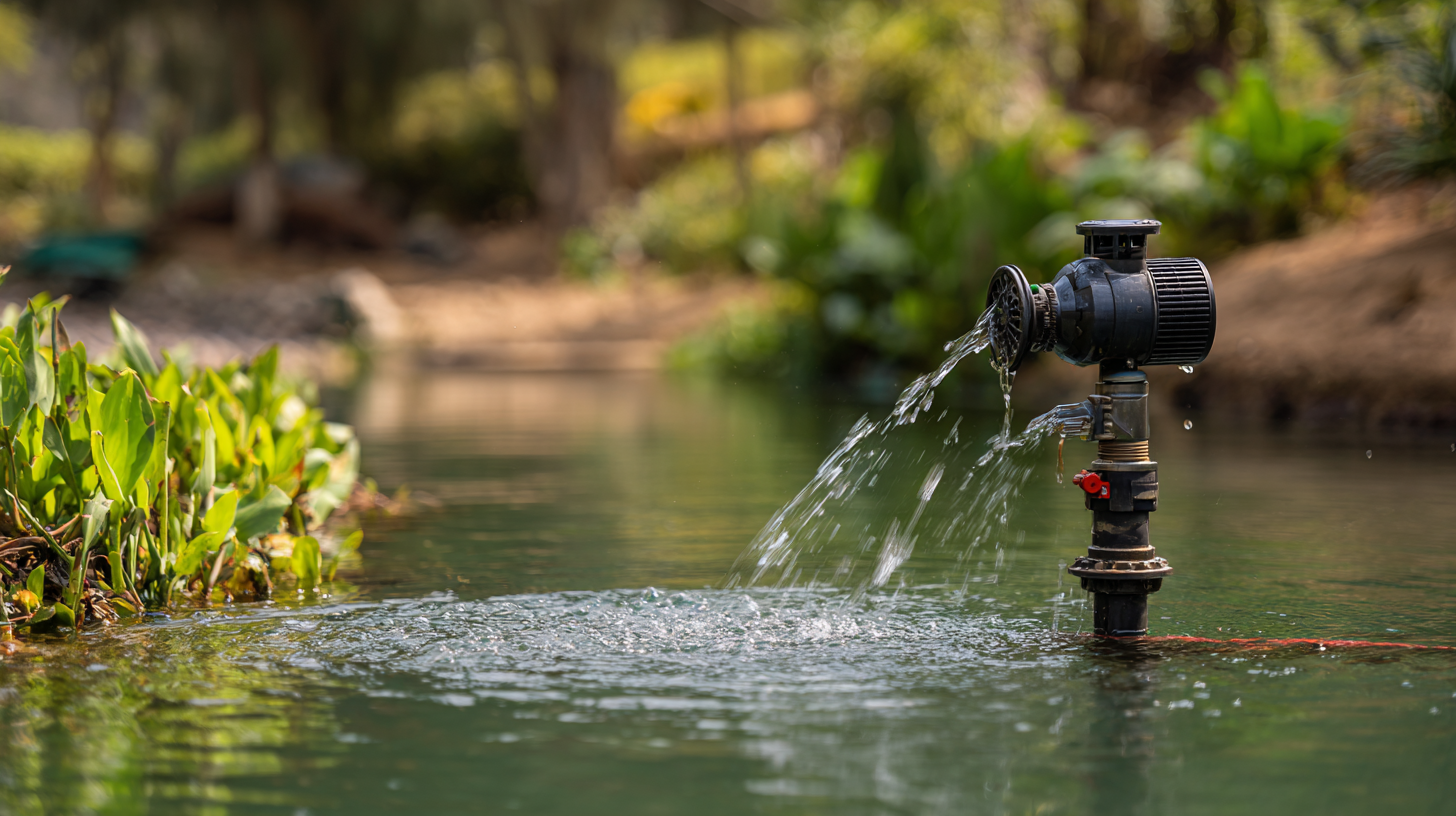
Identify Your Water Supply Sources and Requirements
When you're choosing the right solar water pump, it's really important to start by figuring out where your water's coming from and what you actually need. Like, are you drawing from a well, a river, or relying on rainwater collection? That info is gonna have a big impact on your decision. For example, if you’re dealing with a shallow well, a pump that doesn't need to lift water too high will do the trick. But if your source is deeper down, you'll want something with more power.
**Tip 1:** Take a moment to think about how much water you really need each day. Whether it’s for watering plants, animals, or just household stuff, knowing your daily water demand will help you pick a pump that actually matches your flow needs.
**Tip 2:** Don’t forget to consider how much sunlight your area gets. Check out the sunlight hours during the day—this way, you can be sure your solar pump will run smoothly and efficiently whenever you need it.
At Zhejiang Rambo Intelligent Technology Co., Ltd., we’ve got a bunch of solar water pumps that blend smart design with cutting-edge tech, all while keeping it affordable. We’re passionate about quality and making sure our customers are happy. Our goal is to help you find the perfect solution for your water needs—so you can count on us to guide you to the right choice!
Determine the Necessary Pump Flow Rate and Head
When you're picking out a solar water pump, one of the most important things to keep in mind is the pump's
flow rate and head height.
The flow rate, which you’ll see listed in gallons per minute (GPM) or liters per minute (LPM),
basically tells you how much water the pump can move in a given amount of time. It’s really important to think
about your water needs — whether you're watering a garden, feeding livestock, or just using it at home. If you go
with a pump that's too slow, it might not do the job, but if it’s too powerful, you could end up
wasting energy and water.
Then there's the head, which is just a fancy way of talking about how
high the pump needs to lift the water. Usually, this is measured in feet or meters. You want to be clear
on how far vertically the water has to travel from the source to where you need it. But don’t forget, the
total dynamic head (TDH) also factors in any
friction loss in the pipes, so it’s not just about the height.
By figuring out both the flow rate and head carefully, you can pick a solar pump that runs smoothly and really
suits your particular setup. Doing a bit of homework like this means you’ll get the most out of your solar energy
and make sure your water needs are fully covered.
Evaluate the Energy Efficiency and Solar Panel Compatibility
So, if you're thinking about getting a solar water pump, it's really important to pay close attention to how energy-efficient it is and whether it plays nicely with your solar panels. The folks over at the National Renewable Energy Laboratory (NREL) say that by boosting your pump's efficiency, you can actually make it last longer and work better. A good system can hit efficiencies between 60% and 80%, which means you'll be cutting down your running costs a lot and still getting plenty of water pumped — perfect if you're using it for farming or irrigation where every bit of water and energy counts.
Also, don’t forget about making sure your solar panels are up to snuff. The Solar Energy Industries Association (SEIA) recommends that the panel wattage should match or even exceed what your pump needs. For example, if your pump runs on 300 watts, aiming for a solar array that gives you at least 350 watts is a smart move. That way, you'll have enough juice during those sunny days, even when there are a few energy losses here and there. Bottom line? Giving some thought to both efficiency and compatibility will really pay off, making sure your solar water pumping setup works just the way you want it to.

Consider the Pump Material and Durability for Environment
So, when you're picking out a solar water pump,
one of the biggest things to think about is what it's made of and how tough it is.
These pumps often face all sorts of weather, so going for high-quality materials really pays off in the long run.
For example, pumps built with corrosion-resistant stuff like
stainless steel or really good plastic tend to hold up better against sun, rain, and even salty seawater—perfect if you're planning on using them outdoors.
Plus, how durable the pump is can really impact how much you'll need to spend on repairs and upkeep down the line.
A solid, well-made solar water pump isn’t just about lasting longer; it also keeps things running smoothly without constant issues.
When you're checking out how tough a pump is, make sure to look at weather resistance,
UV stability, and overall build quality. Spending a bit more upfront on a durable pump might seem like a lot now,
but it’ll save you time, cash, and headaches later, all while making sure you’ve got a reliable water supply with less environmental impact.
Assess the Installation and Maintenance Requirements
When you're choosing a solar water pump, it’s pretty important to get a good handle on what's involved in installing and maintaining it—this way, you make sure it performs at its best. Did you know that according to the Solar Energy Industries Association (SEIA), there have been over 3 million solar setups in the U.S. alone? That just shows how much more folks are leaning toward solar solutions these days. Picking the right spot for installation is key—think about how much sunlight hits the area and how close your water source is. These little things can really make a big difference in how well the pump works.
A tip I always share: before you set everything up, make sure your solar panels are placed where they'll soak up the sun most of the day. And don’t forget to trim any bushes or trees nearby; shading can cut down on how much energy your panels collect.
When it comes to maintenance, most solar water pumps don’t need tons of work—just some regular checks. A report from the National Renewable Energy Laboratory says that small solar systems usually only need attention once or twice a year. It's a good idea to peek at the panels to see if they're clean and free of dust or debris, and give a quick look over the electrical connections to catch any issues early. Doing these simple things can really help your pump last longer and perform better.
And here’s a handy tip: keep a maintenance log. That way, if something’s acting up, you can track what’s been done and spot patterns more easily. Also, if you’re not into DIY fixes, investing in a professional maintenance plan might be worth it to keep everything running smoothly.
Explore Budget Options and Long-term Cost Savings
Thinking about installing a solar water pump? Well, your budget really matters here. It’s important to keep an eye on what you can afford, but at the same time, don’t forget to consider the long-term savings you'll get from going solar. Sure, the initial price tag can vary a lot between different models, but the good news is, there are plenty of budget-friendly options out there that still do a solid job. Look for systems that strike a nice balance between cost and efficiency — that way, you get to enjoy the benefits of solar energy without blowing your budget.
And here’s something else — besides the upfront costs, think about how much money you’ll save over time. Solar water pumps really cut down on your electricity bills since they run on free, renewable sunshine instead of traditional power. Plus, they tend to be pretty low-maintenance thanks to having fewer moving parts and no fuel costs. When you pick a pump that matches your needs and your wallet, you’re not just saving money now, but you’re also setting yourself up for ongoing savings in the years to come.
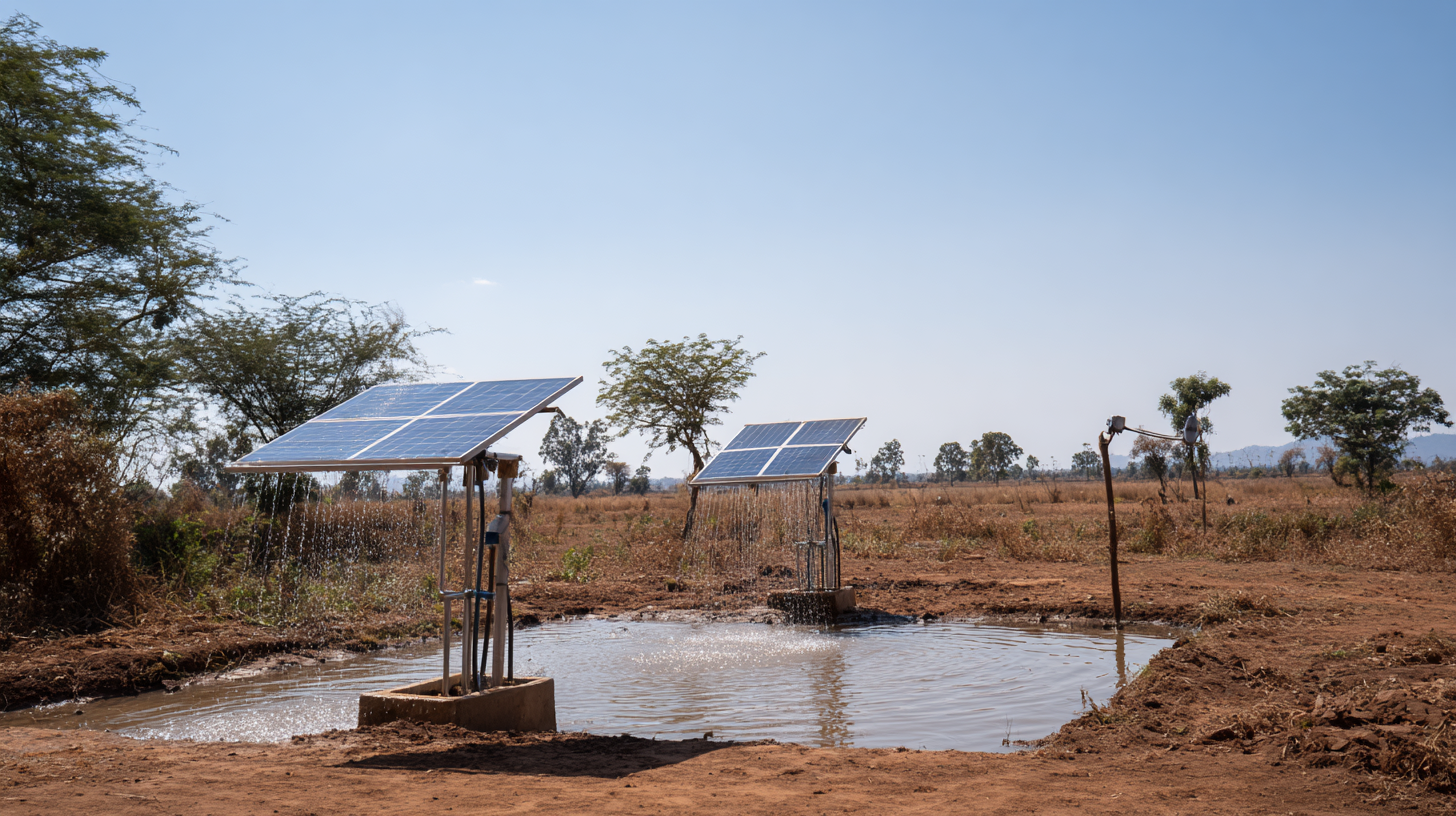
FAQS
: Determining the necessary pump flow rate and head is crucial to ensure the solar water pump meets your specific water supply needs and operates efficiently without wastage or excessive energy use.
Pump flow rate is typically measured in gallons per minute (GPM) or liters per minute (LPM), indicating how much water the pump can move in a given time.
"Head" refers to the height the pump needs to lift the water, measured in feet or meters, which is essential for understanding the vertical distance between the water source and the point of use.
Energy efficiency enhances the pump's longevity and performance while reducing operational costs, allowing for maximized water output, particularly important in agricultural applications.
The wattage of the solar panels should match or exceed the power requirements of the pump to ensure optimal operation, providing necessary energy during peak sunlight hours while accommodating potential energy losses.
High-quality materials like corrosion-resistant stainless steel or high-grade plastic are ideal for ensuring longevity and performance, especially when exposed to harsh environmental conditions.
A durable solar water pump reduces the frequency of repairs and ensures consistent performance, thereby saving time and money in the long run while providing a reliable water supply.
A solar water pump should be able to withstand conditions such as sunlight, rain, and even saltwater, making corrosion resistance and weather durability vital for outdoor use.
Evaluating total dynamic head (TDH) is important because it accounts for the vertical rise as well as friction losses in the piping system, ensuring the pump is capable of meeting the required performance criteria.
Investing in a durable solar water pump can save you costs associated with maintenance and repairs, ensure a reliable water supply, and minimize environmental impact over time.
Conclusion
Picking the right solar water pump can make a big difference in how you manage your water supply and boost your sustainability efforts. It’s a good idea to start by figuring out where your water is coming from and what exactly you need — that way, you can make sure the pump you choose fits your situation. Things like the flow rate and head are pretty important because they directly influence how well the system works. Plus, don’t forget to check how energy-efficient the pump is and whether it’s compatible with your solar panels — these little details can save you a lot in the long run.
You should also think about the materials and durability of the pump. It needs to stand up to whatever weather conditions it’ll face, so it stays reliable over time. Installation and maintenance? Those matter too — understanding what’s involved can help you find a pump that’s not only suitable but also easy to handle. And of course, finding that sweet spot between sticking to your budget and investing in something that saves you money down the line is key.
Here at Zhejiang Rambo Intelligent Technology Co., Ltd., we really focus on quality and customer needs. Our goal is to offer solar water pump solutions that are not just top-notch but also fit your budget and specific requirements. We want to help you get the most out of your water system without any hassle.






 Mr Youkee Kong
