Picking out the right Automatic Submersible Pump isn’t exactly a walk in the park. There are so many options out there, and honestly, knowing what you really need can be a bit confusing at first. These pumps are pretty handy—they can tackle water removal during floods or when you're dealing with drainage at construction sites. It’s easy to get overwhelmed with choices, but if you focus on the main features, it becomes a lot easier to decide.
When you’re choosing an automatic submersible pump, think about its power and how much water it can handle. If it’s too weak, it’s gonna struggle with bigger jobs. On the flip side, a super powerful pump might end up wasting energy—or your money. Also, don’t forget to check the build quality. Pumps made from good, durable materials tend to last longer and perform way better.
And yeah, your budget definitely matters, along with the warranty. Going for the cheapest model might save you some cash now, but it could end up costing you more down the road with repairs. Reading honest reviews and listening to expert recommendations can really help steer you in the right direction. Every choice has its ups and downs, so think about your specific situation. In the end, taking the time to consider these factors should help you find the perfect automatic submersible pump for what you need.
Understanding Submersible Pumps and Their Applications
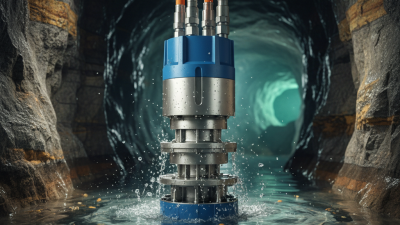
Submersible pumps are essential tools for various applications, including drainage, sewage management, and groundwater extraction. These pumps are designed to operate underwater, enabling efficient fluid transfer in challenging environments. Understanding the different types of submersible pumps is crucial for selecting the right option for your needs. Common types include sewage pumps, drainage pumps, and deep well pumps, each designed for specific tasks.
When choosing a submersible pump, consider its application. For example, sewage pumps are robust and can handle solids in wastewater. In contrast, drainage pumps are lighter and suited for clear water applications. It's important to evaluate the pump's size and capacity, as these factors influence performance. Often, users underestimate the depth and flow rate required, leading to inefficiencies.
Materials used in manufacturing these pumps can affect longevity and reliability. Pumps made from corrosion-resistant materials tend to last longer, especially in harsh conditions. However, higher durability often comes at a cost. Users often need to balance budget constraints with the need for a reliable pump. This decision-making process can be challenging, requiring thorough research and personal reflection on specific needs.
How to Choose the Best Automatic Submersible Pump for Your Needs?
| Pump Type |
Flow Rate (GPM) |
Power Rating (HP) |
Max Head (ft) |
Applications |
| Residential Drainage |
30 |
1/2 |
25 |
Basements, Flooding |
| Sump Pump |
40 |
1/3 |
15 |
Water Removal, Flood Control |
| Effluent Pump |
20 |
1/2 |
20 |
Septic Systems, Wastewater |
| Submersible Water Pump |
60 |
1 |
45 |
Irrigation, Deep Wells |
| Utility Pump |
30 |
1/6 |
10 |
General Water Transfer |
Factors to Consider When Choosing an Automatic Submersible Pump
When selecting an automatic submersible pump, various factors come into play. The first consideration is the pump's capacity. Depending on the application, required flow rates can vary significantly. For example, a household sump pump typically needs a capacity of 30 gallons per minute, while larger setups in construction might require over 100 gallons per minute. Understanding your specific flow needs is essential to ensure efficiency and prevent overworking the pump.
Another critical factor is the pump's construction materials. Durable materials are necessary for longevity, especially in corrosive environments. Stainless steel and high-grade plastic are commonly recommended for their resistance to rust and wear. However, some products may compromise on material quality for cost savings. This can lead to higher maintenance costs in the long term. Regular inspections and maintenance routines help identify wear before they become major issues.
You also need to consider the power source. Pumps operated by electricity can be more efficient, yet they may require backup systems during outages. On the other hand, battery-powered options provide mobility but often have limitations on runtime. A study by the Hydraulic Institute states that proper power management in automation can enhance productivity by nearly 30%. Balancing these needs with your specific operational demands will ensure you select the most reliable Automatic Submersible Water Pump for your needs.
Determining the Required Pump Capacity and Power
When selecting an automatic submersible pump, understanding the required capacity and power is crucial. Begin by assessing the volume of water you need to move. This will determine the pump's capacity, measured in gallons per minute (GPM). It’s important to consider both the maximum flow rate and the total dynamic head (TDH). The TDH includes vertical lift and any friction loss in the discharge piping. If you have limited experience, this stage may feel overwhelming.
Next, consider the power needed for efficient operation. Submersible pumps generally use either electric or gas power. Electric pumps are quieter and often more efficient. Reflect on your energy source and limitations. This choice impacts installation and long-term costs. A common mistake is underestimating power needs. Too little power can lead to pump failure or inefficiency, while excessive power may increase operational costs.
Lastly, consult reliable sources or professionals, like Automatic Submersible Water Pump Manufacturers. They can help clarify specifications and provide trusted advice. Keep in mind that every project poses unique challenges. Take time to evaluate your specific requirements carefully. A thorough understanding helps in making an informed choice.
Evaluating Pump Material and Durability for Your Environment
When selecting an automatic submersible pump, the materials used in its construction play a crucial role. A pump made of high-quality materials will withstand harsh environments and prolonged exposure to water.
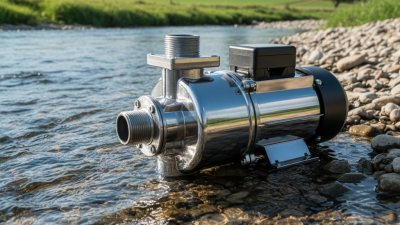
If your pump will be submerged in chemicals or saltwater, it’s essential to choose one made of corrosion-resistant materials. Stainless steel and high-grade plastics are often good options in such cases. Pay attention to the pump’s casing and impeller. These parts endure significant wear and tear.
Durability is another critical element when considering your pump. A reliable automatic submersible pump should have a sturdy design to ensure longevity. Look for pumps that can handle debris without clogging.
If the pump is to be used in muddy or sandy conditions, consider models with robust filtration systems. Always check for warranties as they reflect the manufacturer’s confidence in their product.
In many cases, cost is a concern, but investing in a pump made from high-quality materials can save money in the long run. Cheaper pumps may fail quickly, leading to replacement and installation expenses. Ultimately, reflecting on your specific needs and the environment will guide you to the best choice. Balancing longevity and cost can be challenging, but the right decision enhances performance and reliability.
Features to Look for in an Automatic Submersible Pump
When selecting an automatic submersible pump, certain features stand out as essential. One important factor is the pump’s material.
Stainless steel pumps offer durability and resistance to corrosion, ideal for harsh conditions. According to a market analysis by Grand View Research, the global submersible pump market is projected to reach USD 10.8 billion by 2025, emphasizing the growing importance of quality in pump materials.
Another critical feature is the pump’s horsepower. A higher horsepower can handle larger volumes of water, but it may also increase energy costs. For residential use, a pump with 0.5 to 1 horsepower is often sufficient. Research indicates that a well-chosen pump can reduce energy consumption by 30% in some applications.
Auto shut-off functionality is also vital for safety and efficiency. Many automatic submersible pumps come with float switches that detect water levels. If the water level drops too low, these pumps will shut off automatically, preventing damage. Moreover, look for units that provide thermal overload protection. These features reflect improved design and reliability, which are critical for any
Automatic Submersible Water Pump Manufacturer striving for excellence in the market.
Comparing Cost vs. Performance in Submersible Pumps
Choosing the right automatic submersible pump involves a careful balance between cost and performance. A recent industry report suggests that the average price for high-quality pumps ranges from $150 to $500, depending on their specifications. However, simply going for the lowest price can lead to suboptimal performance. It's vital to understand the specific needs of your application—whether it's dewatering, sewage handling, or irrigation.
Performance can be measured in flow rate and head height. For instance, a pump with a flow rate of 2,500 GPH (gallons per hour) can be ideal for larger tasks, whereas a 500 GPH model suffices for smaller jobs. Yet, choosing a powerful pump could lead to increased energy costs. Data shows that energy consumption can make up to 70% of the total operational cost over time.
Consider the material of the pump as well. Cost-efficient thermoplastic may not withstand harsh conditions like stainless steel. Less durable materials could break down quicker, leading to unexpected replacement costs. Reflecting on your long-term planning is crucial; investing in a quality pump pays off in longevity and reliability.
To ensure your choice aligns with both budget and performance, assess your specific pumping needs. Keep an eye on user reviews to gauge reliability. Regular maintenance also plays a vital role in performance and lifespan. Thoroughly evaluate the options, as a hasty decision might bring regret later.
Comparison of Performance vs Cost in Automatic Submersible Pumps
This chart illustrates the relationship between cost and performance for various automatic submersible pumps. The first dataset represents the cost in dollars, while the second indicates the water flow performance measured in gallons per minute (GPM). This analysis helps consumers make informed decisions based on their specific needs and budget.
Maintenance Tips for Optimal Performance of Submersible Pumps
When it comes to maintaining submersible pumps, regular checks are crucial. Industry studies suggest that about 30% of pump failures can be traced back to inadequate maintenance. This negligence often leads to costly repairs and downtime.
Inspect the motor and impeller regularly to ensure they are free from debris. A simple visual inspection can save significant costs long term.
Another important aspect is lubrication. Many pumps require periodic lubrication to function effectively. According to a recent report, properly lubricated pumps operate 20% more efficiently. This efficiency translates into lower energy bills and extended pump lifespan. Ensure you use the correct type of lubricant, as per the manufacturer’s guidelines.
Pay attention to the power supply too. Voltage fluctuations can impair pump performance. It’s advisable to utilize surge protectors. Over time, wiring can degrade. Regularly clearing away dirt and moisture exposure is vital. This simple step can reduce the risks considerably. Overall, understanding and addressing these maintenance aspects can help optimize pump performance and longevity.
Harnessing Solar Power: The Benefits of the ZSQB-ADHY Hybrid Solar Water Pump for Sustainable Water Solutions
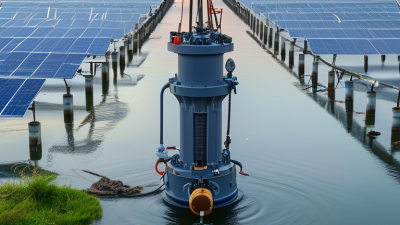
Harnessing solar power represents a significant advancement in sustainable water solutions, especially with the emergence of hybrid solar water pumps. The ZSQB-ADHY hybrid solar water pump exemplifies how renewable energy technology can effectively address the global water crisis. By integrating solar energy into water pumping systems, this solution not only reduces reliance on fossil fuels but also minimizes operational costs, making it a practical choice for both rural and urban applications.
One of the key benefits of utilizing hybrid solar water pumps is their ability to operate effectively in remote areas where traditional electricity is inaccessible. These pumps harness sunlight, converting it into usable energy to pump water from various sources, thus ensuring a reliable water supply for irrigation, livestock, and domestic use. Furthermore, the hybrid functionality allows for backup power from conventional grids, ensuring consistent operation even during unfavorable weather conditions. This dual capability maximizes efficiency and extends usability, enhancing the overall effectiveness of water management systems.
Additionally, the ZSQB-ADHY hybrid solar water pump promotes sustainable practices by reducing carbon emissions and supporting eco-friendly initiatives. As water scarcity becomes an increasing concern worldwide, innovative solutions like this hybrid pump play a crucial role in fostering resilience within communities. By adopting such technology, societies can achieve a sustainable balance between water resources and ecological conservation, paving the way for a greener future.
FAQS
: The pump’s capacity is key. Know your specific flow needs, as they vary widely.
High-quality materials resist corrosion and wear. Cheap options may lead to higher long-term costs.
Yes, electricity provides efficiency, but consider backup systems. Battery-powered pumps offer mobility, but they have limitations.
Durable designs handle debris and harsh conditions. A sturdy pump ensures longevity and reduces replacement frequency.
Cost vs performance is vital. Cheaper pumps often lead to increased maintenance and replacement costs.
They determine how suited the pump is for specific tasks. Larger tasks need pumps with higher flow rates.
Look for corrosion-resistant materials like stainless steel. They withstand prolonged exposure and harsh environments.
Yes, warranties reflect the manufacturer's confidence in their product. They can protect against future costs.
Read user reviews and pay attention to maintenance. Regular upkeep improves performance and lifespan.
A hasty choice might lead to regret. Take time to evaluate your options based on needs and performance.
Conclusion
When selecting the best Automatic Submersible Pump for your needs, it's essential to understand the various factors that influence its performance and suitability for specific applications. This includes evaluating the required pump capacity and power, as well as considering the material and durability of the pump based on your environment. Additional features, such as automatic float switches and energy efficiency, can greatly enhance usability and effectiveness.
Cost is another critical aspect to weigh against performance; an affordable pump might not always deliver the required efficiency or longevity. Regular maintenance is necessary to ensure optimal performance and prolong the lifespan of your Automatic Submersible Pump. By keeping these considerations in mind, you can make an informed choice that meets your needs effectively.

 DC SOLAR SUBMERSIBLE PUMP
 AC/DC Solar submersible Pump
 DC Solar Surface Pump
 AC/DC solar surface Pump
 Solar swimming Pool Pump
 Built-in Controller Solar Pump
 Solar Pump inverter
 Pump Accessories



 Mr Youkee Kong