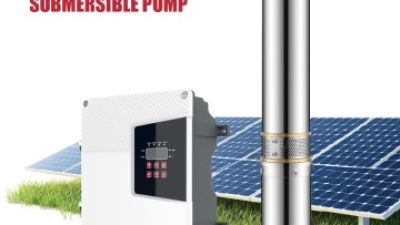
When you're trying to pick a DC solar pump, it's really important to understand what you actually need. Industry pro David Carter from Solar Pumps Inc. puts it simply: "Picking the right DC solar pump can make a huge difference in how efficient you are and how much money you save." His advice is super helpful when the market is loaded with so many options.
These pumps are used for all sorts of things — whether that's watering crops on a farm or just supplying water to your home. Figuring out the best one means looking at things like how much water it can move (flow rate), how efficient it is, and how much it costs. For example, models like solar-powered water pumps or solar bore pumps each have their own perks, but their prices can be pretty different. So, it’s all about matching the pump to what your project really needs.
Honestly, with so many choices out there, it’s easy to get a bit overwhelmed. The DC screw-type solar bore pump and the brushless DC solar water pump are popular options because they work well, but are they the perfect fit for you? Doing some research on their features and performance can definitely help, but don’t forget to think about what you actually need in the long run. Picking a pump that lines up with your goals will get you better results in the end. Exploring all the options out there can open up some really effective and eco-friendly solutions for your water needs.
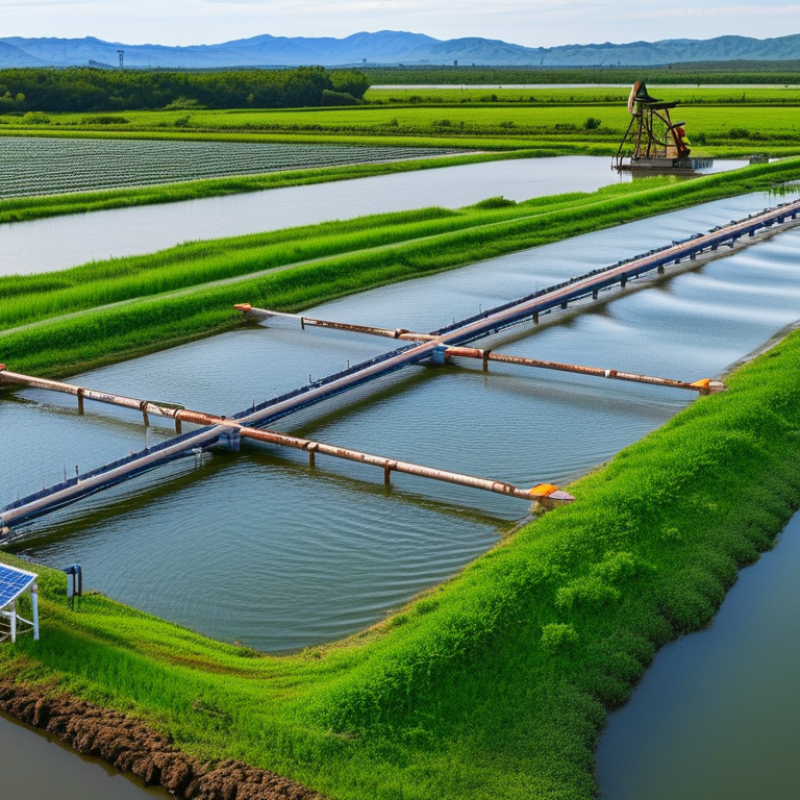
Understanding DC Solar Pumps and Their Applications
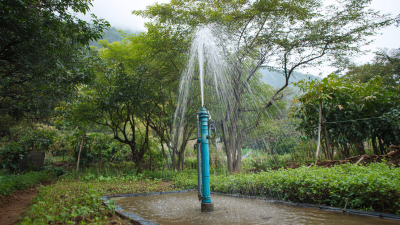
DC solar pumps are becoming popular due to their efficiency and versatility. These pumps harness solar energy, making them ideal for remote areas. Suitable applications include agricultural irrigation, livestock watering, and garden fountains. Users appreciate their low operational costs and minimal maintenance.
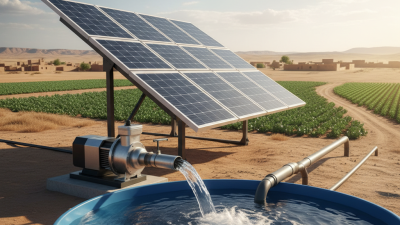
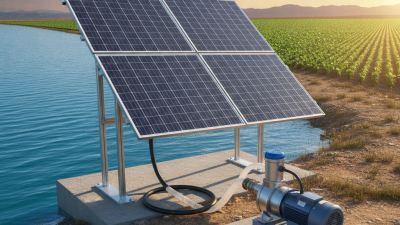
Choosing the right DC solar pump requires careful consideration. Assess your water source and determine the flow rate needed. Look for a **Solar Dc Surface Water Pump** that matches your requirements. Remember, larger pumps may not always be better. Consider your energy availability and peak sunlight hours.
It's important to reflect on your specific needs. What is the primary purpose of the pump? Is it for daily irrigation or occasional use? A pump that works well under one condition may struggle in another. Each application has distinct demands, and not all pumps handle these equally. Continuous learning and research will guide you to the best choice.
Identifying Your Water Needs and Pump Requirements
When choosing a DC solar pump, understanding your water needs is essential. Consider factors like the volume of water required, the flow rate, and the distance the water must travel. For instance, a garden may need less water than a livestock operation. Assessing daily water usage helps narrow down the options.
Pump requirements vary. High-efficiency pumps can offer better performance in specific scenarios. Evaluate factors such as total dynamic head, which includes lift and friction loss. Knowing how much lift you need can lead to selecting the correct pump. Sometimes, users overlook these technical details and face challenges in performance.
In addition, consider your energy needs. A solar pump's efficiency is often influenced by the solar panel size and sunlight availability. If your area has limited sunlight hours, you may need a larger solar panel. This requires careful planning to ensure reliable water supply. Each situation is unique. Hence, if you make improvisations, be prepared for unexpected results.
Evaluating Solar Panel Power and Compatibility
When selecting a DC solar pump, evaluating solar panel power is crucial. The efficiency of your solar panels
directly affects the pump's performance. Higher wattage panels can deliver more energy. This means that your pump can operate longer and more effectively.
Inadequate solar power can lead to reduced performance or even pump failure.
Compatibility is another key factor to consider. Your pump must match the solar panel's
voltage and current ratings. Mismatched systems can result in inefficiencies. It's essential to do the math. For instance, check that your solar panels
provide enough voltage to start the pump. This can be a common oversight. Sometimes users assume any panel will work.
Documenting and understanding system requirements helps clarify compatibility. Consider the pump's flow rate and solar panels’ output in varying sunlight
conditions. Some conditions might make it harder for panels to deliver full power. Reflect on your location and the time of year. Seasonal changes can
affect solar energy production. Balancing these elements ensures a reliable pumping system.
Assessing Pump Performance Metrics and Specifications
When selecting a DC solar pump, it's crucial to evaluate its performance metrics. Key specifications include flow rate, head height, and power consumption. Research indicates that pumps operating at optimal flow rates can enhance efficiency by up to 25% compared to poorly matched pumps. In agricultural applications, a Surface Solar Pump For Agriculture typically needs to effectively deliver water over varying distances.
Flow rate is vital for determining the right pump. For example, an agricultural setup may require a minimum flow rate of 3,000 liters per hour. Understanding the specific needs of the application can drastically influence the choice of pump. It's also important to consider the head height. Many farmers overlook this factor, potentially limiting their pump's capability.
Power consumption is another critical metric that affects operating costs. Studies show that solar pumps generally consume 20% less energy than traditional pumps. This is an important consideration for long-term sustainability. Selecting a pump with the right combination of performance metrics is key. Balancing these elements requires careful thought and awareness of one’s unique demands.
Considering Installation and Maintenance Factors
When choosing a dc solar pump, installation and maintenance are critical factors. Proper installation ensures optimal performance. A well-placed Surface Solar Water Pump can meet your water needs efficiently. Studies show that incorrect installation can reduce efficiency by up to 30%. The right angle and positioning can maximize sunlight exposure. Most installations should be assessed semi-annually. Regular checking of the pump's components helps avoid costly repairs.
Maintenance is often overlooked. Many users neglect routine checks, leading to decreased lifespan. A 2022 industry report indicated that 40% of solar pumps fail prematurely due to inadequate upkeep. Cleaning filter screens regularly can enhance performance. Battery checks are essential too; they should be replaced every 3-5 years for longevity. Keeping an eye on the water levels can help prevent damage.
Financial investment also plays a role. Initially, a dc solar pump may seem high-priced. However, the return on investment increases significantly when maintenance is prioritized. Each assessment can reveal hidden issues. Many users find that proactive maintenance saves them substantial money down the line. Maintaining your system helps achieve energy efficiency and reliability. Proper focus on these areas ensures that your Surface Solar Water Pump functions effectively over time.
Exploring Budget Options and Cost-Effectiveness
When selecting a DC solar pump, budget and cost-effectiveness are critical considerations. A variety of price points exist in the market. Essential factors include pump type, power requirements, and installation costs. It’s important to evaluate how many gallons per hour you need the pump to deliver. Higher capacity models often come with a higher price tag, so balance efficiency and cost.
Exploring budget options can lead to significant savings. Look for pumps that offer quality without high-end pricing. Online reviews can provide insight into reliability. It's beneficial to check the long-term operational costs, too. In some cases, a cheaper unit might need frequent repairs, which can add up.
Even with thorough research, mistakes can happen. Consideration of the local climate and available sunlight hours is crucial. A pump that works well in one location may not perform the same elsewhere. Reflecting on these choices often leads to better outcomes for future installations. Financial constraints shouldn’t compromise performance, but careful planning is necessary to avoid overspending.
How to Choose the Best DC Solar Pump for Your Needs? - Exploring Budget Options and Cost-Effectiveness
| Pump Model |
Flow Rate (GPH) |
Max Head (Feet) |
Solar Panel Requirement (W) |
Price Range ($) |
Best Use Case |
| Model A |
600 |
20 |
150 |
150 - 200 |
Small Scale Irrigation |
| Model B |
800 |
25 |
200 |
200 - 300 |
Livestock Watering |
| Model C |
1000 |
30 |
250 |
300 - 400 |
Water Features |
| Model D |
1200 |
35 |
300 |
400 - 500 |
Medium Scale Irrigation |
Reviewing Consumer Feedback and Brand Reliability
When choosing a DC solar pump, consumer feedback is vital. Shoppers often share their experiences online. Some pumps perform well, while others may fall short. It’s essential to read reviews from verified customers. Their insights can reveal real-world issues, such as durability and efficiency. Look for patterns in feedback. If many users report a similar problem, consider that red flag.
Brand reliability matters too. Established manufacturers usually offer better warranties. They often have more experience in the market. But not every well-known brand guarantees quality. Smaller companies can also provide excellent products. Research the company's history and its commitment to customers. Transparency about their materials and processes is a good sign.
Some users may overlook the importance of proper sizing for their needs. Mismatched pump capacity can lead to inefficiency. Analyze your specific requirements before purchasing. Consider factors like pool volume and intended use. Inadequate research can lead to regrets later. Identifying the right Solar Pump For Pool may take time, but it's worth the effort.
Harnessing Solar Power: The Z4PCB-ADHY 4-Inch Hybrid Submersible Pump for Efficient Water Solutions
The increasing necessity for sustainable and efficient water management solutions has led to remarkable innovations in submersible pump technology. The Z4PCB-ADHY 4-Inch Hybrid Submersible Pump exemplifies this advancement by harnessing solar power to enhance its functionality. With the world experiencing significant water shortages, the integration of solar energy into water pumping systems is not just innovative but crucial. According to the International Renewable Energy Agency (IRENA), solar water pumping can provide a cost-effective solution, particularly in remote areas where grid electricity is either unavailable or unreliable.
This hybrid submersible pump features a design that allows it to operate seamlessly in diverse environments, ensuring a reliable supply of water for irrigation, livestock, and domestic use. As noted by the Global Water Initiative, efficient water pumping systems can lead to water savings of up to 50% in agricultural applications, illustrating the critical need for tools that enhance water security. The Z4PCB-ADHY's ability to utilize solar energy not only reduces operational costs but also promotes energy independence and sustainability, aligning with global goals to reduce carbon emissions.
Furthermore, the utilization of hybrid systems signals a shift towards more resilient and adaptable technologies in water management. Industry reports suggest that integrating solar energy with conventional power sources can boost overall system reliability, allowing for continuous operation even during peak demand periods. This versatility positions solar hybrid submersible pumps as pivotal in supporting global efforts to facilitate sustainable agriculture and water conservation, setting a clear pathway toward effective water solutions in an increasingly water-scarce world.
FAQS
: Consider the volume of water needed and the flow rate. Assessing daily usage is essential for proper selection.
Look at total dynamic head, including lift and friction loss. Sometimes, users miss these details, leading to issues.
Limited sunlight may require larger solar panels for effective pumping. Each situation is unique; be prepared for challenges.
Proper installation ensures optimal performance. Incorrect setup can reduce efficiency by as much as 30%. Regular assessments are advised.
Semi-annual checks are recommended. Regular inspections can prevent costly repairs and extend the pump's lifespan.
Clean filter screens and check battery health regularly. Neglecting upkeep can lead to premature pump failures, often around 40%.
Initial costs may be high, but proactive maintenance improves long-term ROI. Regular assessments can uncover potential savings.
Reviews from verified users provide insights into durability and efficiency. Look for patterns to avoid common problems reported by many.
Not necessarily. Established brands may offer better warranties, but smaller companies can also provide great products. Research is key.
Mismatched pump capacity leads to inefficiency. Ensure you analyze specific requirements to avoid purchasing regret later on.
Conclusion
When selecting the best DC solar pump for your needs, it's essential to understand the various applications and functionalities these pumps offer. Start by identifying your specific water needs and the pump requirements necessary to meet them. Evaluate the power of the solar panels that will be used in conjunction with the pump to ensure compatibility and efficiency. Additionally, assessing key performance metrics and specifications of the pump, such as flow rate and pressure, will guide you in making an informed decision.
Installation and maintenance factors should also be considered to ensure the long-term functionality of your DC solar pump. Budget constraints are important; explore different options to find a cost-effective solution without compromising quality. Finally, reviewing consumer feedback can provide insights into brand reliability, helping you choose a pump that aligns with your expectations and requirements. By following these guidelines, you will be better equipped to select a DC solar pump that suits your specific situation.

 DC SOLAR SUBMERSIBLE PUMP
 AC/DC Solar submersible Pump
 DC Solar Surface Pump
 AC/DC solar surface Pump
 Solar swimming Pool Pump
 Built-in Controller Solar Pump
 Solar Pump inverter
 Pump Accessories



 Mr Youkee Kong