Picking out the right Non-Submersible Pump can honestly feel a bit overwhelming at first. There are so many things to think about, and it’s easy to get lost in the details. But don’t worry—getting a good handle on these factors is pretty much essential if you want to make a smart choice.
Basically, a Non-Submersible Pump is built to work above the liquid level. It’s super handy when you need to move fluids efficiently. The thing is, these pumps come with a bunch of different features—capacity, how they’re used, and the design all vary quite a bit. Each one of these things impacts how well the pump works for your particular job. For example, looking at the flow rate and how high it can lift fluid are key specs that will determine if the pump fits your needs or not.
One common mistake I see people make is overlooking some critical details. Like, not every Non-Submersible Pump can handle solid materials or debris, which can really cause headaches down the line. It’s definitely worth doing some homework before making a decision. Sometimes, investing a little more into a Non Clog Submersible Pump could actually be a game-changer—it often runs more smoothly and saves you time and trouble. In the end, taking the time to carefully figure out exactly what you need will make your life way easier and help avoid costly mistakes.
Understanding Non-Submersible Pumps: A Brief Overview
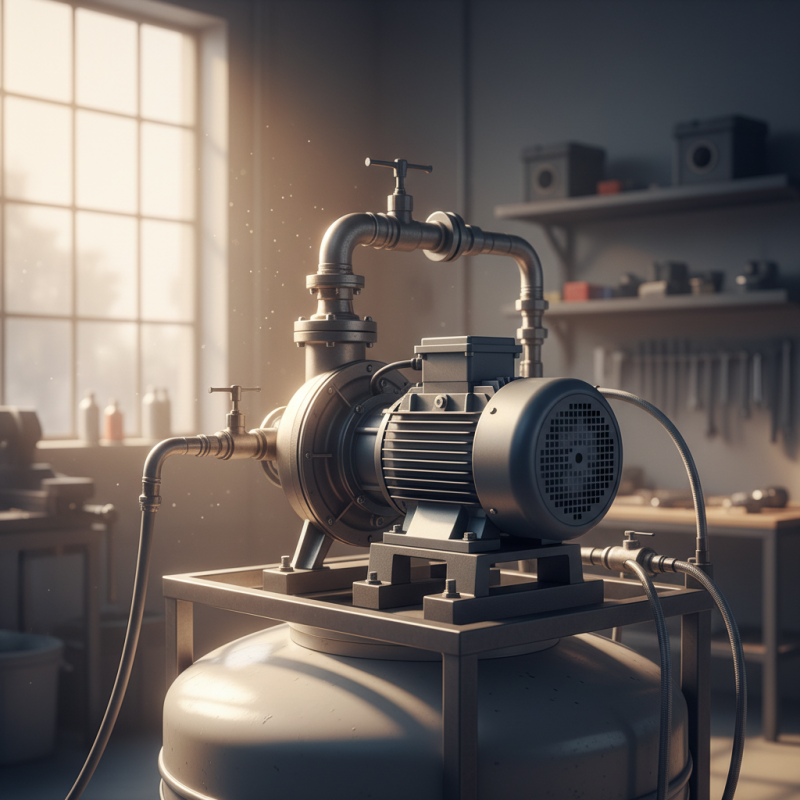
Non-submersible pumps are vital in various applications, from agriculture to construction. Unlike submersible pumps, these units operate above the water surface. This design makes them suitable for specific environments where submersion isn't possible or ideal. Understanding their mechanics is crucial. They rely on an impeller to move water, creating a vacuum that draws fluid into the pump.
Choosing the right non-submersible pump involves assessing your needs carefully. Consider the flow rate and the total dynamic head it must overcome. This ensures the pump can handle your specific requirements effectively. Beyond performance, factors like
energy efficiency and maintenance are significant. While these pumps are generally easy to maintain, they require regular checks to avoid system failures.
It's essential to remember the conditions where you intend to use the pump. For example, if you're working in a dusty or muddy environment, that may influence your choice. Then, reflect on your long-term needs. Investing in an efficient non-submersible pump can lead to savings in energy costs and repair expenses down the line. Understanding these details can make a substantial difference in pump performance and longevity.
Identifying Your Specific Pumping Needs
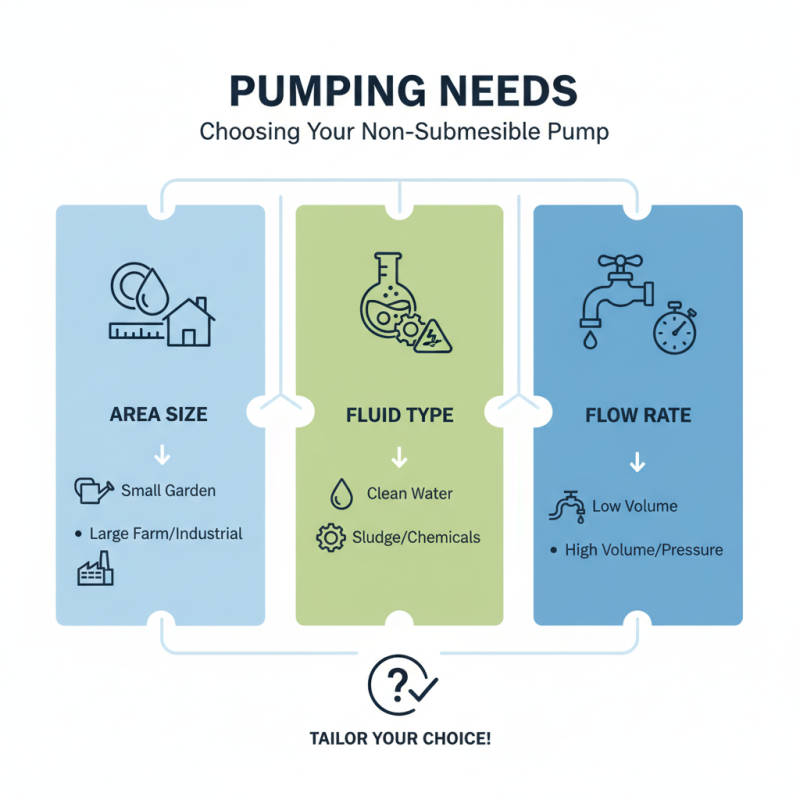
Choosing the right non submersible pump requires understanding your specific needs. Different tasks demand various pump types, so tailoring your choice makes a difference. Factors such as the size of the area, the fluid type, and the desired flow rate are crucial. For example, if you're dealing with clean water, a simple pump may suffice. However, for sludge, a more robust option is needed.
Tips: Think about the power source. Pumps can be electric or gas-powered. Each has unique benefits and limitations. Electric pumps are quieter but may not work during a power outage. Gas-powered pumps can offer more flexibility. Analyze your situation to pick the right power type.
Identifying your needs also includes understanding the volume you need to pump. Do you need a high flow rate for quickly draining a flooded basement? Or are you looking to maintain a steady flow in a small fountain? Clarity on this aspect often highlights a mismatch in expectations and pump capabilities.
Tips: Always check the pump’s specifications. Look for the maximum flow rate and the height it can lift water. This helps ensure you're not purchasing a product that can’t meet your demands. Conduct research to become informed, and consult with experts if necessary.
Key Features to Consider in Non-Submersible Pumps
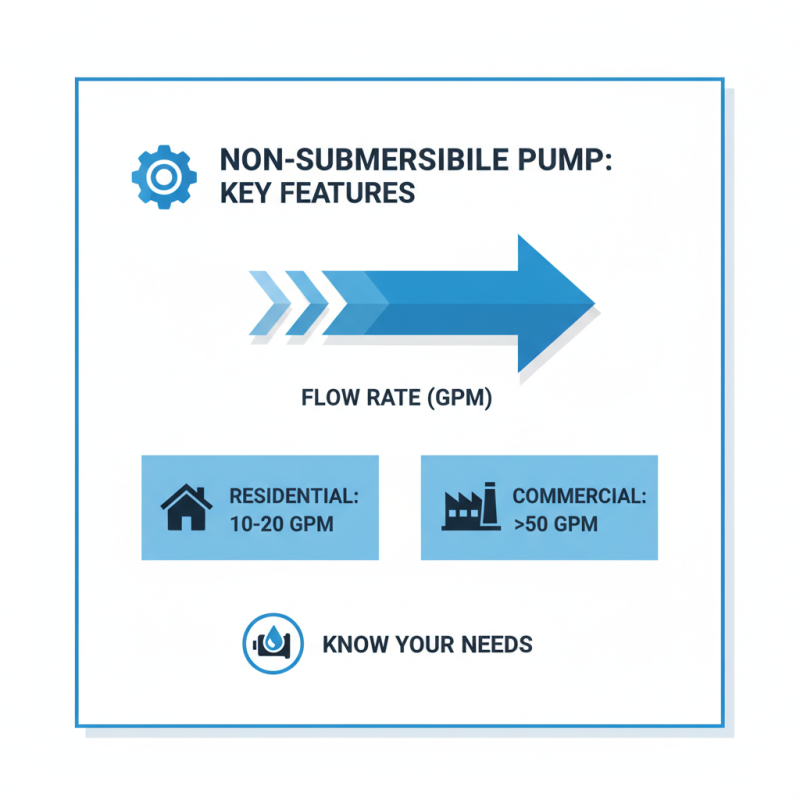
When selecting a Non Submersible Transfer Pump, several key features can significantly influence your decision. One crucial factor is the pump's flow rate, typically measured in gallons per minute (GPM). According to industry reports, a flow rate of 10 to 20 GPM generally suits most residential applications, while commercial settings may require pumps that handle rates exceeding 50 GPM. Knowing your specific needs is vital here.
Another important feature is the material composition. Pumps constructed from high-quality aluminum or stainless steel tend to offer better durability and resistance to corrosion. This is essential for transferring liquids that may contain abrasive particles. Reports indicate that pumps made with these materials have a lifespan exceeding 10 years under normal usage conditions. However, not all pumps are created equal; a cheaper option might save money upfront but could result in higher maintenance costs over time.
Finally, consider the pump's ease of operation and maintenance. Models with simple assembly features and accessible parts can save time and frustration. Many users report that pumps lacking these features often lead to inefficiencies and unexpected downtime. It's crucial to reflect on past experiences with pump operations to ensure you're choosing a reliable Non Submersible Transfer Pump that meets your specific requirements now and in the future.
Assessing Flow Rate and Head Requirements
When selecting a non-submersible pump, understanding flow rate and head requirements is crucial. Flow rate refers to the volume of water a pump can move in a given time. Industry standards suggest a typical residential setting may require a flow rate between 10 to 50 gallons per minute (GPM). However, specific applications like irrigation might demand higher rates, reaching up to 100 GPM in some cases.
Head requirement defines the maximum height a pump can lift water. It is measured in feet and reflects the pump's efficiency. For instance, if you need to move water from a basement to the ground level, a head requirement of 10 to 15 feet is common. A recent study revealed that incorrect head calculation could lead to a 30% decrease in system efficiency. Misjudging these parameters can lead to inadequate performance or excessive energy costs.
Evaluate your specific needs before proceeding. Some users overlook their actual requirements and choose a pump based solely on price or brand reputation. This path often leads to frustration and inefficiency. It's vital to consult with industry experts or refer to technical manuals for accurate specifications. Being well-informed can save both time and resources in the long run.
Evaluating Material Durability and Compatibility
When selecting a non-submersible pump,
material durability and compatibility are crucial. The materials used can greatly affect
the pump’s performance and longevity. For example, pumps made of stainless steel
are highly resistant to corrosion, making them ideal for harsh environments. However,
they can also be more expensive. On the other hand, plastic pumps
might be cost-effective but may not withstand extreme temperatures or chemicals.
Consider the application before making a choice. If a pump will handle corrosive liquids,
a more durable material is necessary. It’s essential to think about the fluid types and the temperature
they will be exposed to. For instance, some plastics can degrade under certain conditions.
Evaluating the specifics can help avoid costly mistakes later.
While it’s tempting to go for the cheapest option, durability should weigh heavily in your decision.
Cheaper materials may lead to frequent replacements. This impacts not only your budget
but also workflow efficiency. Understanding these trade-offs is key. Proper research and
expert advice can guide you in selecting a pump that meets both durability and compatibility
needs effectively.
Exploring Power Options: Electric vs. Gas-Powered Pumps
When selecting a Non Submersible Water Pump, understanding the power options is crucial. Electric pumps are known for their efficiency and quiet operation. They have lower running costs, which can save money in the long run. According to a report by the American National Standards Institute, electric pumps can achieve efficiencies exceeding 90%. This reliability often makes them suitable for residential use.
Gas-powered pumps, on the other hand, are more suitable for heavy-duty tasks, particularly in remote areas where electricity is unavailable. These pumps provide greater power output, making them ideal for construction or agricultural use. The National Association of Home Builders reports that portable gas pumps can easily handle challenging environments and deliver high flow rates.
Tip: For large outdoor projects, a gas-powered non submersible water pump may be the best option. Consider the trade-off between convenience and power.
When choosing a pump, think about the size and the flow requirements. A 2-inch gas-powered pump can move water at a rate of 10,000 gallons per hour. However, this power may be excessive for smaller domestic needs. Evaluate your specific requirements to avoid overspending.
Always remember to check the maintenance needs. Gas-powered models need regular upkeep, while electric pumps typically require less frequent servicing. This consideration can affect your overall usage experience.
How to Choose the Right Non Submersible Pump for Your Needs? - Exploring Power Options: Electric vs. Gas-Powered Pumps
| Feature |
Electric Pump |
Gas-Powered Pump |
| Power Source |
Electricity |
Gasoline |
| Portability |
Less portable, needs power outlet |
Highly portable, fuel-dependent |
| Noise Level |
Quieter operation |
Louder, engine noise |
| Maintenance |
Low maintenance |
Higher maintenance, oil changes |
| Initial Cost |
Generally lower |
Generally higher |
| Fuel Efficiency |
N/A |
Varies by model |
| Best Use Cases |
Residential, low-draw tasks |
Construction sites, heavy-duty tasks |
Budgeting for Your Non-Submersible Pump Purchase
When budgeting for a non-submersible pump, it’s essential to evaluate your specific needs alongside your financial constraints. According to a report by the Market Research Institute, the average cost of non-submersible pumps can range from $100 to $1,500, depending on specifications and applications. Understanding the type of pump needed for your task is key. Higher-capacity pumps generally demand a larger investment but may yield savings in long-term efficiency.
Consider maintenance costs as well. Some pumps require more frequent servicing, which impacts your overall budget. Data from the Pump Industry Association suggests that maintenance can account for 10-20% of a pump's total operational costs annually. Thinking through these factors helps to create a realistic budget. Opt for pumps that offer efficient performance while aligning with your financial plan.
Don’t overlook energy efficiency ratings. Investing in a pump with a higher efficiency can reduce your electrical bills significantly. A poorly chosen pump can lead to increased operational costs. It’s crucial to analyze both upfront and ongoing expenses before making a decision. Remember, a successful purchase is one that balances upfront costs with long-term savings.
Efficient Water Solutions: Exploring the S3PCB Solar-Powered Centrifugal Borehole Pump's Features and Benefits
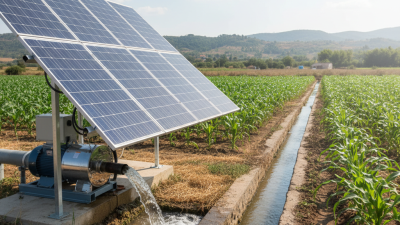
The S3PCB Solar-Powered Centrifugal Borehole Pump represents a significant advancement in efficient water solutions, catering to both residential and agricultural needs. Designed to harness solar energy, this innovative pump operates without the need for conventional power sources, making it an eco-friendly option for tapping into freshwater resources. With capabilities to function effectively in remote or off-grid locations, the S3PCB addresses the challenges of water scarcity in a sustainable manner.
One of the standout features of this pump is its centrifugal design, which ensures high efficiency in moving water from boreholes to the surface. This technology not only optimizes energy consumption but also enhances the overall performance, providing a reliable water supply even in varying conditions. Moreover, the integration of solar panels allows for continuous operation during daylight hours, reducing operational costs while promoting environmental sustainability.
The benefits of the S3PCB pump extend beyond just energy efficiency; it also contributes to enhanced productivity in farming and gardening by providing a steady and reliable water source. Whether for irrigation or drinking water needs, this solar-powered solution facilitates easier access to water, supporting improved livelihoods and sustainable practices. Adopting such innovative technologies is essential for addressing water management challenges in a rapidly changing climate.
FAQS
: Flow rate is important. Most residential uses need 10 to 20 GPM.
High-quality materials like aluminum or stainless steel improve durability. They resist corrosion better than cheaper options.
Pumps that are easy to assemble save time. Complicated models may lead to inefficiencies and frustration.
Flow rate measures how much water a pump can move over time. Typical residential rates are 10 to 50 GPM.
The head requirement shows how high a pump can lift water. A common range is 10 to 15 feet for basements.
Miscalculating can decrease efficiency by 30%. It affects performance and can lead to high energy costs.
Electric pumps are efficient and quiet. They often have lower running costs and are great for residential use.
Gas-powered pumps are best for heavy-duty tasks, especially where electricity isn't available.
Consider convenience versus power. Gas pumps are powerful but may be excessive for small tasks.
Gas-powered pumps require regular upkeep, while electric models need less frequent servicing. This influences user experience.
Conclusion
Choosing the right Non Submersible Pump involves a thorough understanding of various aspects that cater to your specific needs. First, it's essential to assess your pumping requirements, including the volume and height (head) that the pump must handle. Key features such as material durability and compatibility with the fluids being pumped are crucial for ensuring longevity and efficiency. Additionally, weighing the power options, whether electric or gas-powered, can impact both performance and operational costs.
Budgeting is another significant factor; determining your financial limits will help narrow down the choices available in the market. By taking these considerations into account—flow rate, material compatibility, power options, and budget—you can make an informed decision that aligns with your specific requirements for a Non Submersible Pump, ultimately leading to effective and efficient pumping solutions.

 DC SOLAR SUBMERSIBLE PUMP
 AC/DC Solar submersible Pump
 DC Solar Surface Pump
 AC/DC solar surface Pump
 Solar swimming Pool Pump
 Built-in Controller Solar Pump
 Solar Pump inverter
 Pump Accessories







 Mr Youkee Kong