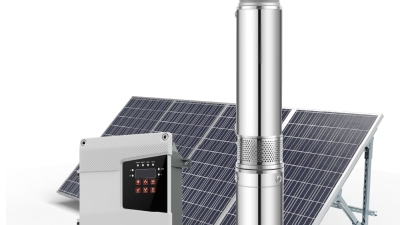
These days, renewable energy is really picking up steam, and because of that, there’s a huge uptick in demand for efficient and reliable solar DC pump systems. Industry reports suggest that this market is estimated to grow by over 15% annually for the next five years—pretty impressive, right? As you sift through the tons of options out there, it’s super important to grasp what really matters when you're choosing the perfect solar DC pump for your needs.
That’s where 浙江 Rambo Intelligent Technology Co., Ltd. comes in. They’ve really positioned themselves as leaders in this field, bringing top-notch products to the table that stack up well against some big names globally. Their advanced production facilities and innovative designs don’t just meet global standards; they often go above and beyond. Plus, they really prioritize quality, ethics, and customer satisfaction to ensure you get outstanding value for your investment.
So, this guide is here to help you navigate the essentials of picking the right solar DC pump, making sure you can make an educated choice that suits your specific situation.
Understanding DC Solar Pumps: A Comprehensive Overview
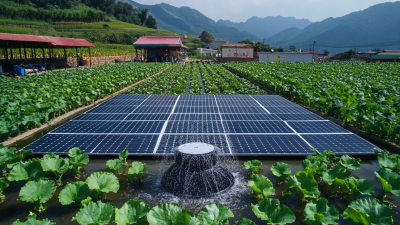
Hey there! You know, DC solar pumps are really taking off these days, especially for farming and agricultural use. They’re super efficient and run sustainably, which is definitely a plus. If you dive into a review of these solar-powered pumping systems, you’ll notice some key parts—like solar panels and the pump setups themselves. It’s pretty interesting how getting the right configuration can lead to big energy savings and even a positive impact on the environment. Just think about the fact that over 300 million folks in India still don’t have reliable electricity. That’s where solar pumps shine! They could really help farmers boost irrigation practices while tapping into free, renewable energy. Plus, they lessen our reliance on conventional energy sources, which is always a good thing.
**So, if you’re on the lookout for the perfect DC solar pump, here are some tips:**
1. **Check Your Water Needs:** First off, figure out how much water you actually need for your setup. You want to pick a pump that can handle those requirements without a hitch.
2. **Look at Solar Panel Size:** The number and size of the solar panels can seriously impact the pump's efficiency. Make sure they’re up to the task of generating enough power for everything to run smoothly.
3. **Think About Where You’re Installing It:** The location and how much sunlight it gets should really influence your pump choice. This way, your system can keep chugging along effectively throughout the year, even if the weather’s a bit unpredictable.
By keeping these tips in mind, you can really amp up the performance and sustainability of your solar water pumping system!
The Definitive Handbook to Choosing the Best DC Pump Solar for Your Needs
| Model |
Max Flow Rate (L/h) |
Max Head (m) |
Power Consumption (W) |
Voltage (V) |
Weight (kg) |
Price Range ($) |
| SP-1000 |
1000 |
30 |
40 |
12 |
5.5 |
150-200 |
| SP-2000 |
2000 |
25 |
60 |
24 |
6.5 |
250-300 |
| SP-3000 |
3000 |
20 |
80 |
36 |
8.0 |
350-400 |
| SP-4000 |
4000 |
15 |
100 |
48 |
10.0 |
500-600 |
Key Factors to Consider When Choosing a DC Pump
So, if you’re on the hunt for the ideal DC pump for your solar setup, there are a few important things to keep in mind to make sure it works at its best. First off, the flow rate is pretty key; it’s all about how fast you can move water, which definitely affects how well your system runs. Depending on what you need the pump for—like irrigation or maybe circulating water—you’ll want to figure out the right flow rate and pick a pump that can handle it.
Then there’s the whole power consumption thing. You really want a solar-powered pump that strikes a good balance between being efficient and having the right energy needs, especially if you’re going off the grid. And don’t forget to check out the materials used in the pump’s construction. It’s smart to look for components that resist corrosion, especially if your pump's going to be in tough spots or dealing with salty water. Making sure the pump can take on different weather conditions is super important for making sure it lasts.
Oh, and let’s not overlook maintenance—this is crucial! Some pumps are designed to be super easy to put together and maintain, which is great if you’re not exactly a DIY expert. Doing a little research on different brands and models will help you find the pump that fits your needs perfectly. That way, you can make a solid choice that really boosts the efficiency of your solar pump system.
Evaluating Performance Metrics: Flow Rate and Head Height
If you're in the market for a DC pump solar system, it's super important to get a grip on some key performance metrics—like flow rate and head height. So, flow rate, which you’ll see measured in gallons per minute (GPM) or liters per minute (LPM), tells you how much water your pump can actually move. According to a report from the Solar Energy Industries Association, for smaller garden setups, you generally only need about 1 to 2 GPM. But if you're dealing with bigger systems, you might need a hefty 10 GPM just to keep up with the water demands.
Now, let’s chat about head height—it’s all about how high up your pump can push water, usually measured in feet or meters. To get the best out of your system, you really need to match your pump’s head height with what you’re planning to do. The American Society of Agricultural and Biological Engineers has found that if you're looking at large agricultural setups, you’re probably gonna want something in the range of 20 to 30 feet for head height. Trust me, getting this right helps avoid stressing out your motor and can actually prolong its lifespan.
A little tip for ya: when you're figuring out what you really need, don’t just look at one aspect—take both flow rate and head height into account to make sure your DC pump solar system runs smoothly. It’s also a good idea to check out different manufacturers’ specs and opt for a pump that has adjustable settings. This way, you’ll have some room to maneuver as your needs change. And hey, don’t forget to do a site assessment; it really helps you nail down the right parameters for your specific water flow needs.
Exploring Different Types of DC Solar Pumps for Various Applications
So, when you're diving into the world of DC solar pumps, it’s super important to pick the right one for what you need. If you’re looking to supply water for your home, those submersible DC pumps are pretty handy. They can haul water up from really deep wells—sometimes even over 300 feet! Generally, these pumps work well with solar panels that are anywhere between 100 to 300 Watts, which is great for creating energy solutions in places that are a bit off the grid.
A report from the International Renewable Energy Agency (IRENA) shows that using solar water pumps can actually slash diesel fuel use by up to 40%. That’s a big win for both farms and households aiming for sustainability!
Now, if you're setting up an irrigation system, surface DC solar pumps are usually the go-to. They can pull water from rivers or lakes right to your crops, and their output can vary quite a bit—anywhere from 500 to 2000 Gallons Per Hour, depending on how big your solar setup is. A pro tip? Make sure those solar panels are angled just right to soak up as much sun as possible; it can boost your pump's efficiency by about 20% to 30%. Plus, considering some water storage can really help you out when the sun isn't shining.
And hey, don’t forget about hybrid systems! They marry solar energy with a backup generator, which is super useful if you live in a place where the sun can be a little unpredictable. A study by the Solar Energy Industries Association (SEIA) found that these systems can boost reliability by up to 50% in areas with varying climates. Always take a moment to check out the energy needs and potential sources when you’re picking the right DC solar pump—it's worth it!
Budgeting for Your DC Pump Solar System: Cost Analysis Tips
Alright, so if you're diving into planning a DC pump solar system, budgeting is absolutely key. I came across this report from Grand View Research, and it says the solar pump market is set to hit a whopping $3.84 billion by 2025! That's a clear sign that demand is on the rise and that renewable energy tech is really stepping up its game. So, investing in a solar pump now? It’s definitely a smart move—not just financially, but also for the planet.
To get your budget right, start by figuring out what you actually need. This means looking at the power output you’ll need and how big your water system is. A little tip here: do a side-by-side comparison of different models and their efficiency ratings. Don’t forget to factor in installation costs too; they can run anywhere from $500 to $2,500, depending on how tricky the site is and the labor involved. Having a good grip on all these details will really help you allocate your budget better.
Oh, and definitely check out any potential perks like tax credits or state rebates—these can seriously lighten the load on your wallet upfront. Another handy tip is to peek at the life cycle costs, which include maintenance and how efficient your system will be over time. Sometimes, spending a bit more at the start on a more efficient model can save you a ton on energy bills down the line, leading to a way better financial picture overall.
Maintenance Tips for Ensuring Longevity of Your Solar Pump
Taking care of your solar DC pump is super important if you want it to last and work well for you. Regular check-ins are key to spotting any wear and tear before it becomes a bigger issue. So, kick things off by giving those solar panels a look-over for any dirt or debris that's blocking the sun. A clean panel means more sunshine can get in, which helps the pump do its thing more efficiently. And don't forget to check the pump's housing and the connections for any signs of corrosion, leaks, or loose bits—those can really mess with how everything functions.
Setting up a maintenance routine can really help your solar pump stick around for a long time. You’ll want to flush out the system from time to time to get rid of any sediment that’s built up, and keep an eye on the components to see if they need a little lubrication. It’s also a good idea to keep tabs on the battery life—you want to make sure it’s charged up right and swapped out when it’s time. By sticking to these maintenance tips, you're not just keeping your system reliable, but you’re also boosting its performance, which is just what you want for your water needs!
Maximize Efficiency and Sustainability with the 3 Inch DC Plastic Impeller Deep Well Solar Water Pump
When it comes to efficient and sustainable water pumping solutions, the 3 Inch DC Plastic Impeller Deep Well Solar Water Pump stands out as an innovative choice. Harnessing the power of photovoltaic panels, this pump converts sunlight into electrical energy, allowing it to operate in remote locations without relying on traditional energy sources. This feature makes it an ideal solution for agricultural irrigation, rural water supply, and even for use in off-grid homes.
One of the most significant advantages of this solar water pump is its environmental impact. By utilizing solar energy, the pump not only reduces reliance on fossil fuels but also helps lower overall carbon emissions. Additionally, the durability of the plastic impeller means that it can withstand harsh environments, ensuring long-term performance without the need for frequent replacements. For those looking to maximize efficiency while maintaining a commitment to sustainability, the 3 Inch DC Plastic Impeller Deep Well Solar Water Pump is an exceptional investment for a greener future.
FAQS
: When selecting a DC pump, key factors include the required flow rate, power consumption, construction materials, ease of maintenance, and the pump's ability to withstand varying weather conditions.
The flow rate determines how quickly water can be moved, directly impacting system efficiency and must align with the specific application's demands, such as irrigation or water circulation.
Submersible DC pumps are typically used for residential water supply needs, effectively lifting water from deep wells, often at depths exceeding 300 feet, and are compatible with solar panels ranging from 100 to 300 Watts.
To enhance efficiency, ensure that solar panels are optimally positioned to capture maximum sunlight, which can improve pump efficiency by 20% to 30%. Additionally, using water storage solutions can help meet demands during non-sunny periods.
Hybrid systems that combine solar energy with a backup generator improve reliability by up to 50% in regions with inconsistent sunlight, ensuring continuous operation.
Regular inspections for wear or damage, cleaning solar panels, checking the pump's housing for corrosion or leaks, incorporating a routine maintenance schedule, and monitoring battery life all contribute to the pump's longevity and optimal performance.
Regular inspections should be conducted to identify any signs of wear or damage early, with particular attention paid to solar panels, housing, and connections for corrosion, leaks, or loose fittings.
A clean surface on solar panels maximizes the energy harnessed from the sun, which allows the pump to operate more efficiently.
Sediment buildup can hinder the pump's performance, so it's important to flush the system regularly to remove any deposits that could affect water flow.
It's important to monitor the battery life, ensuring it’s charged correctly and replaced when necessary to maintain the system's reliability and functionality.





 Mr Youkee Kong