Picking out the right DC solar pump can actually be pretty tricky. There are so many options out there, and honestly, finding the one that really fits your needs takes some careful thought. I remember Alex Carter from SolarTech Innovations once said, “The right solar-powered water pump is key to managing water sustainably.” That really drives home how important it is to choose wisely.
When you're on the hunt for a DC solar pump, think about what you actually need. Prices can really vary, and that can make a difference in your budget. Make sure to consider how much capacity you require too. Oh, and don't forget to look into features like brushless DC designs—they're usually more efficient, which is a big plus. Also, solar DC submersible pumps are worth considering, especially if you're in a remote area where electricity isn’t a given.
Take your time weighing your options. What works well for someone else might not be the best for you. Don’t hesitate to ask questions, chat with experts, or do some research. Keep in mind, not all DC pumps are created equal—some might not live up to expectations. It’s a good idea to check out how durable and reliable different models are before making a choice. Being well-informed really can make a huge difference in how smooth your water supply solutions turn out.
Understanding DC Solar Pumps: An Overview
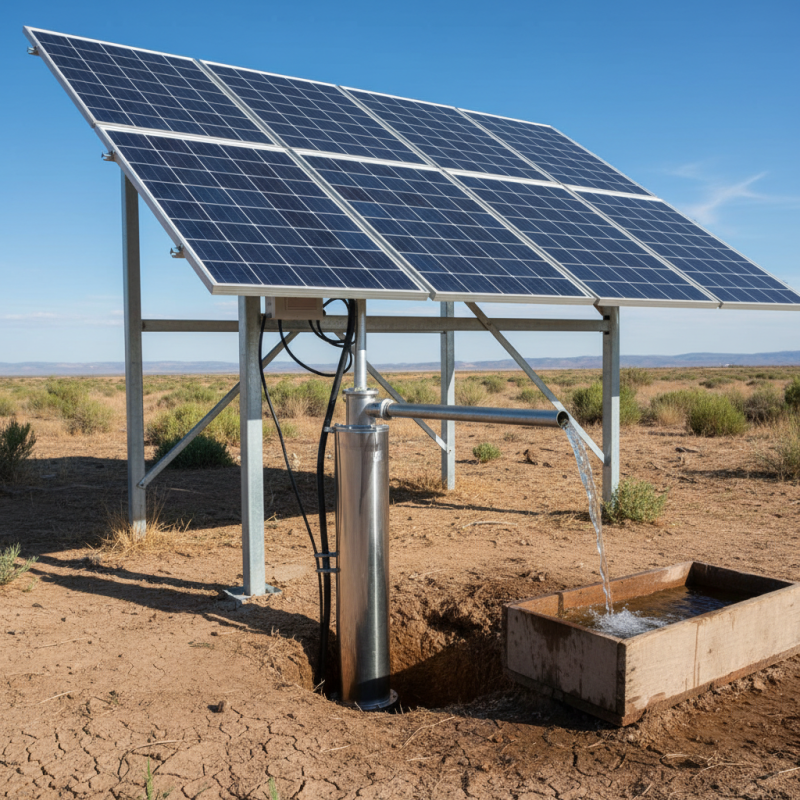
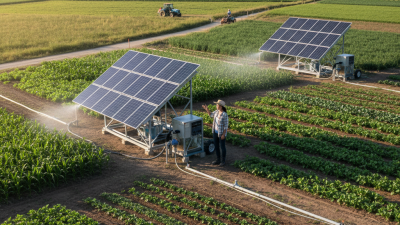
DC solar pumps harness the power of the sun to operate efficiently and sustainably. Unlike traditional pumps, these devices use direct current for functionality. They are ideal for remote areas with limited access to electricity. With the ability to draw water from deep wells or rivers, they serve various applications like agriculture and livestock watering.
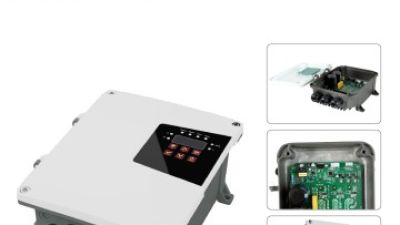
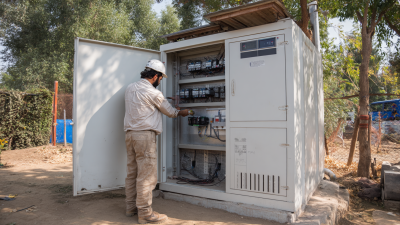
Understanding the components of a DC solar pump is crucial. A solar panel converts sunlight into electricity, powering the pump. This setup often includes a controller that regulates voltage and ensures optimal performance. However, many users overlook the importance of proper sizing. An incorrectly sized pump may lead to inefficiency or inadequate water supply.
Additionally, users must consider the environmental factors affecting pump performance. Dust on solar panels can reduce efficiency. Seasonal variations in sunlight also impact production. It’s important to assess local conditions regularly to maintain system performance. While DC solar pumps offer many advantages, mindful installation and maintenance are essential for achieving the best results.
Comparison of Different DC Solar Pumps Based on Flow Rate
This bar chart illustrates the flow rates of different DC solar pumps measured in liters per minute. As the horsepower increases, the flow rate also increases, demonstrating the relationship between pump power and performance.
Factors to Consider When Choosing a DC Solar Pump
Choosing the right DC solar pump can be challenging. There are several key factors you must consider. First, think about the flow rate. This affects how much water your system can provide. If you need to pump water for irrigation, a higher flow rate might be necessary. Assess the depth of your water source. If it's deep, a powerful pump may be required.
Energy efficiency is another crucial aspect. Make sure to review how much energy the pump consumes. Some pumps may seem powerful but can drain your solar system quickly. Look at the size of your solar panel as well. A mismatched system can lead to poor performance. Also, check the material of the pump. A durable, corrosion-resistant model is essential for longevity.
Consider your specific needs. Are you using it for a fish pond or for livestock? Different applications require different setups. A Solar Dc Surface Water Pump may work best for shallow water sources. Lastly, think about the overall cost and maintenance. Sometimes, cheaper options can lead to higher costs later on. Reflect on what is truly best for your situation. Make an informed decision, and your setup will thrive.
Assessing Your Water Needs and Usage Requirements
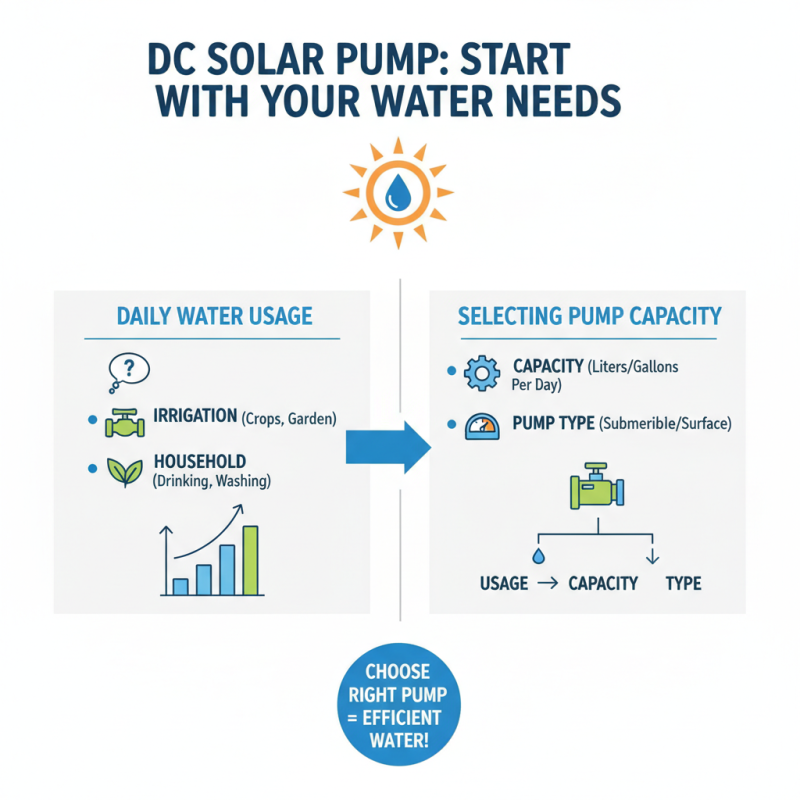
When considering a DC solar pump, start with your water needs. Think about how much water you require daily. Are you using it for irrigation or household purposes? Knowing your usage helps you select the right capacity for your pump.
Usage requirements can vary greatly. For agriculture, a Surface Solar Pump For Agriculture may be needed. Evaluate your crop types and their irrigation needs. It's important to understand how much water each crop requires daily. Misjudging this can lead to over- or under-watering your plants, which is an issue to avoid.
Also, consider the source of your water. Is it from a well or surface water? The depth and flow rate are critical factors. If the pump cannot meet these requirements, it may not function properly. Reflect on your options carefully, as a mismatch can lead to poor results. Ensure your choices align with your actual water needs.
Evaluating Pump Specifications and Performance Ratings
When evaluating pump specifications and performance ratings, several key factors come into play. One critical aspect is the pump's flow rate. For instance, a typical
Surface Solar Water Pump
may operate efficiently with a flow rate ranging from 1 to 5 gallons per minute. This variation can greatly impact the system's suitability for your specific needs. If you require a higher flow rate, ensure the pump can handle it while maintaining energy efficiency.
Next, examine the pump's total dynamic head (TDH). TDH refers to the total height the water must be lifted. Ideally, it should match your application's needs.
Reports indicate that pumps with a lower TDH often perform better at lower energy costs. However, they may struggle in situations requiring more lifting power. Such issues are important to consider before finalizing your purchase.
Another consideration is the efficiency rating of the solar panels powering the unit. Higher efficiency panels can significantly enhance the pump’s overall performance.
Research shows that using panels with at least 15% efficiency can result in a more consistent water supply. Yet, many consumers overlook this detail.
Ultimately, balancing these specifications with your specific requirements is essential for optimal functionality.
Exploring Solar Panel Compatibility and Energy Needs
When choosing a DC solar pump, compatibility with solar panels is crucial. A well-matched system can maximize efficiency. Studies indicate that around 60% of installations fail due to poor solar panel selection. Finding the right wattage and voltage is essential. For example, a 200-watt solar panel may be ideal for some residential applications. It provides ample power for a typical Solar Pump For Pool use.
Assessing energy needs is another key factor. Calculate the daily water volume you need to move. Many users overlook their actual requirements. Have an estimate in mind before selecting a pump. Experts suggest that knowing your needed flow rate can prevent purchasing the wrong unit. A subpar pump will struggle to meet expectations. Furthermore, local sunlight conditions impact performance. In areas with less sunlight, users may need a more powerful setup.
Always consider system losses. Energy loss can occur during conversion from solar to mechanical energy. Reports show that systems lose up to 30% efficiency due to inadequate wiring or placement. This inefficiency is often underestimated. Are you addressing these nuances? Evaluating your setup can lead to better choices and satisfaction with your solar pump for pool.
How to Choose the Best DC Solar Pump for Your Needs?
| Parameter |
Description |
Example Values |
| Flow Rate |
The volume of water the pump can move in a given time. |
1000-5000 L/h |
| Static Head |
The vertical distance the pump must lift the water. |
10-50 meters |
| Power Consumption |
The amount of power the pump requires to operate. |
100-400 Watts |
| Solar Panel Compatibility |
The type and size of solar panel needed for the pump. |
200-800 Watts |
| Battery Backup |
If the system requires batteries for energy storage. |
12V or 24V systems |
| Application |
Typical use cases for the pump, such as irrigation or livestock watering. |
Agriculture, Water Supply |
Budgeting for Your DC Solar Pump Investment
When budgeting for a DC solar pump, consider initial costs. These pumps can vary widely in price. Make a list of your needs and preferences. This helps narrow down options. Don’t forget to include installation fees; they can add a significant amount to your budget.
Operational costs are also important. While solar power reduces electricity bills, maintenance is necessary. Regular upkeep ensures longevity. Think about potential repairs down the line. Set aside funds for these unforeseen issues.
Lastly, consider long-term savings. A quality DC solar pump may cost more now but can save money over time. Reflect on your energy needs and usage patterns. This analysis will help justify your investment. Don't rush the decision-making process. Take your time to evaluate your financial situation thoroughly.
Maintenance and Long-Term Care for Solar Pumps
Maintaining a DC solar pump is essential for optimal performance and longevity. Regular checks on the pump's components can prevent bigger issues. Ensure there are no blockages in the water intake or the outlet. Clean any debris around the solar panels frequently. Dust and dirt can reduce efficiency significantly.
Keeping an eye on the battery system is crucial too. A weak battery can lead to poor performance. Test the battery regularly, replacing it as needed. Remember to check the connections for corrosion, which can affect power transfer. It’s common for users to overlook these details, thinking everything is fine. However, small issues can escalate quickly.
Seasonal maintenance is important as well. In colder climates, protect the pump from freezing temperatures. Insulate pipes and store the pump indoors if possible. Ignoring seasonal changes could lead to damage. Reflecting on past experiences can help you avoid winter mishaps. Regular maintenance makes a significant difference in the performance of your solar pump. It's about consistency and attention to detail.
Evaluating the Efficiency and Sustainability of 6 Inch DC Stainless Steel Impeller Deep Well Solar Water Pumps: Insights from Recent Industry Reports
In recent industry evaluations, 6 inch DC stainless steel impeller deep well solar water pumps have emerged as a leading solution for sustainable and efficient water pumping applications. These pumps are designed specifically for off-grid environments, where reliable and autonomous water access is crucial. With their advanced stainless steel construction, they not only promise durability but also resistance to corrosion and environmental wear, making them ideal for long-term use.
One of the standout features of these pumps is their low maintenance requirement. Users can benefit from hassle-free operation, which significantly reduces the need for regular servicing compared to conventional pumps. This not only enhances practicality but also minimizes the operational costs, allowing users to focus on their primary activities without constant worry over equipment downtime. Additionally, the easy installation process further amplifies their appeal, as it enables quick deployment in various settings, from agricultural fields to rural households.
The longevity of these deep well solar water pumps is another compelling advantage, contributing to their overall sustainability. With a long lifespan, they ensure consistent performance and reliability, which is critical in areas where water access is not guaranteed. By leveraging solar energy, these pumps not only reduce dependency on fossil fuels but also align with environmental goals, promoting a greener future while meeting essential water supply needs.
FAQS
: The article discusses key insights on effective communication skills.
Practice active listening. Pay attention to the speaker's words and body language.
Body language enhances message delivery. It shows engagement and understanding.
Feedback helps clarify misunderstandings. It promotes better conversations and relationships.
Yes, with practice and awareness, anyone can improve their communication abilities.
Avoid interrupting others. Also, watch for distractions while talking.
Organize your ideas before speaking. Simple, direct language works best.
Absolutely. Questions show interest and encourage deeper discussions.
Misinterpretations and cultural differences can complicate exchanges.
Emotions can influence tone and clarity. Recognizing them is essential for effective dialogue.
Conclusion
Choosing the best DC solar pump requires a comprehensive understanding of its features and capabilities. First, it’s essential to assess your water needs and usage requirements to determine the appropriate pump size and specifications. Evaluating the performance ratings of various pumps will help ensure efficiency and reliability. Additionally, compatibility with solar panels and energy needs must be explored to ensure optimal functionality.
Budgeting for a DC solar pump is crucial, as it involves not only the initial purchase price but also potential long-term maintenance costs. Proper care and maintenance will enhance the longevity of the solar pump, ensuring it continues to meet your water demands effectively. By considering these factors, you can make an informed decision that aligns with your specific needs and investment goals.





 Mr Youkee Kong