Leave Your Message
1.Are you purchasing for personal use or as a reseller?
2.Have you ever imported solar water pumps from China?
3.Does your company have its own sales channels or retail network? (e.g., online platforms, physical stores, distributor network, etc.)
0%

Figuring out which DC solar water pump is right for you can honestly feel a bit overwhelming. With so many options out there, it’s easy to get lost in the choices. A solar-powered water pump is a pretty cool, eco-friendly way to meet your water needs, but how do you pick the best one? Well, start by looking at what really matters—things like efficiency and durability. Those factors play a big role in how well the pump will work over time.

First things first, take a moment to think about your water usage. Are you looking for a solar bore pump for farming, or do you need something for your home? Knowing your actual requirements makes a huge difference. It’s worth checking out all the different models—from the classic DC screw-type solar bore pumps to brushless DC solar water pumps. They all serve different purposes, so pick what fits your situation. Price can be quite a range too, so it’s important to find a balance between what you can afford and quality.

Now, I won’t lie—finding the perfect pump might come with some hurdles. For example, solar DC submersible water pumps can vary a lot in terms of efficiency, and that uncertainty can make you hesitate. But don’t worry! Reading reviews or asking for advice from folks who’ve been there can really help clear things up. Knowing how these pumps perform in different conditions will give you a much better idea of what to go for. At the end of the day, a little extra research can help you make a smarter, more confident choice.
How to Choose the Best DC Solar Water Pump for Your Needs?

Understanding the Basics of DC Solar Water Pumps

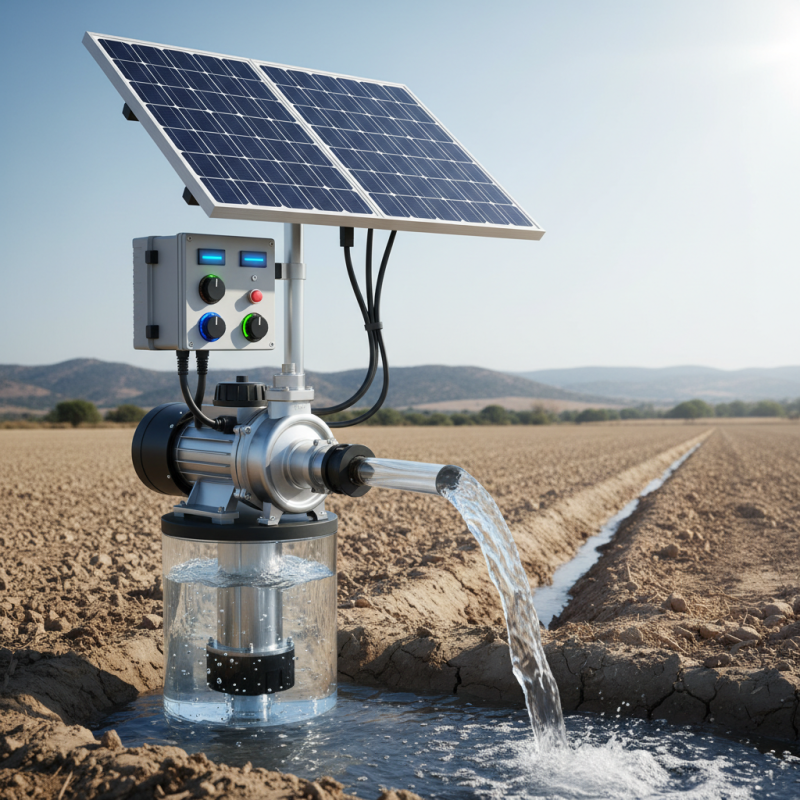
DC solar water pumps are becoming increasingly popular for various applications. These pumps use direct current from solar panels, making them energy-efficient and cost-effective. The technology has improved over the years, yet many users still face challenges in determining the right pump for their specific needs.

Understanding the basics is crucial. DC solar water pumps vary in size and capacity. They can be used for irrigation, livestock, or even for household needs. Pay attention to the flow rate and head height, as both factors significantly affect performance. A small pump may not meet your needs, while a large one could waste energy. Users often underestimate the importance of matching pump size with water source depth and desired output. This mismatch can lead to inefficiencies or even damage.

Installation and maintenance are also key considerations. Ensure your solar panels receive adequate sunlight throughout the day. Shaded panels reduce efficiency drastically. Regular maintenance is vital, yet many users neglect it. A simple check of connections and filters can prevent larger issues. Reflecting on these factors helps users choose the right pump and ensures a sustainable water supply.

Water Pump Performance Comparison

This chart compares the flow rates of various DC solar water pumps. Each pump's performance is measured in liters per minute (L/min), providing a quick reference for evaluating their capabilities to meet specific water needs.

Identifying Your Water Pumping Needs and Requirements

Choosing the right solar water pump involves understanding your specific pumping needs. Start by determining the water source. Are you drawing from a well, river, or pond? The location significantly impacts the pump type and power requirements.

Consider the total lift height. This is the vertical distance your water must travel. For example, if you need to lift water 20 feet, a pump with adequate pressure rating is crucial. Many reports suggest that a Solar Dc Surface Water Pump can handle varying depths. However, not all pumps are created equal. Check the specifications carefully.

Tip: Measure the flow rate you need, whether it’s for irrigation or livestock. Generally, a flow rate of 1-5 gallons per minute is sufficient for home gardens.

Reflect on energy requirements too. Solar pumps rely on sunlight. If you live in a cloudy area, consider backup power options. Experts recommend sizing your system to handle the worst-case scenario. It’s also wise to think about pump durability. Exposure to elements can reduce lifespan. Choosing materials designed for longevity can save money long-term.

Evaluating Solar Power Options for Your Pump

When selecting a solar water pump, evaluate the solar power options carefully. Solar efficiency varies greatly. A good understanding of your energy needs helps. Analyze the amount of sunlight available in your area. This affects pump performance significantly. Different solar panels offer different power outputs, impacting your system's efficiency.

Consider your specific requirements. Do you need continuous water supply or intermittent use? A Surface Solar Water Pump can work effectively in shallow water sources. However, it may not be suitable for deep wells. Assess the water flow rate you need. Matching this with the pump’s capabilities is crucial.

Tips: Invest in a quality solar charge controller. It will ensure your pump operates efficiently. Also, think about maintenance needs. Some systems may require more upkeep than others. Lastly, evaluate your budget against long-term savings of solar energy. A more costly setup might save money over time. Be thoughtful in your choice.

How to Choose the Best DC Solar Water Pump for Your Needs?

Feature Description Considerations
Power Rating Measured in watts, determines the pump's efficiency and capability. Choose a power rating suitable for your water requirements.
Lift Height Maximum height the pump can lift water vertically. Ensure the pump can meet your specific elevation needs.
Flow Rate Measured in gallons per minute (GPM), indicates how much water the pump can move. Select based on how much water you need for your application.
Power Source Can be powered by solar panels directly or through a battery system. Consider availability of sunlight versus backup energy needs.
Durability Ability to withstand harsh weather conditions and wear. Look for materials that resist corrosion and UV damage.
Size and Portability Dimensions and weight of the pump; how easy it is to move. Consider if it needs to be transported frequently.

Key Features to Consider in DC Solar Water Pumps

When choosing a DC Solar Water Pump, consider its power output. Different pumps offer varying wattage levels. This impacts the flow rate and efficiency. Higher wattage pumps usually provide better performance but can be costlier.

Think about the water source. Is it a shallow well or a deep one? DC Solar Water Pumps are designed for specific depths. You need to match the pump to your water source's requirements. Not doing so might lead to inefficiencies or damage.

Tips: Look for adjustable speed controls. They can enhance the pump's adaptability. Also, check for materials. Durable components ensure longevity. Rust-resistant options are preferable. Consider the noise level too; some pumps are noisier than others.

Evaluate the pump's intended use. Is it for irrigation, fish ponds, or household supply? Each application has different needs. Understanding this can prevent poor choices. It’s easy to overlook these details. Remember to examine user reviews for practical insights.

Assessing Performance and Efficiency Ratings

How to Choose the Best DC Solar Water Pump for Your Needs?

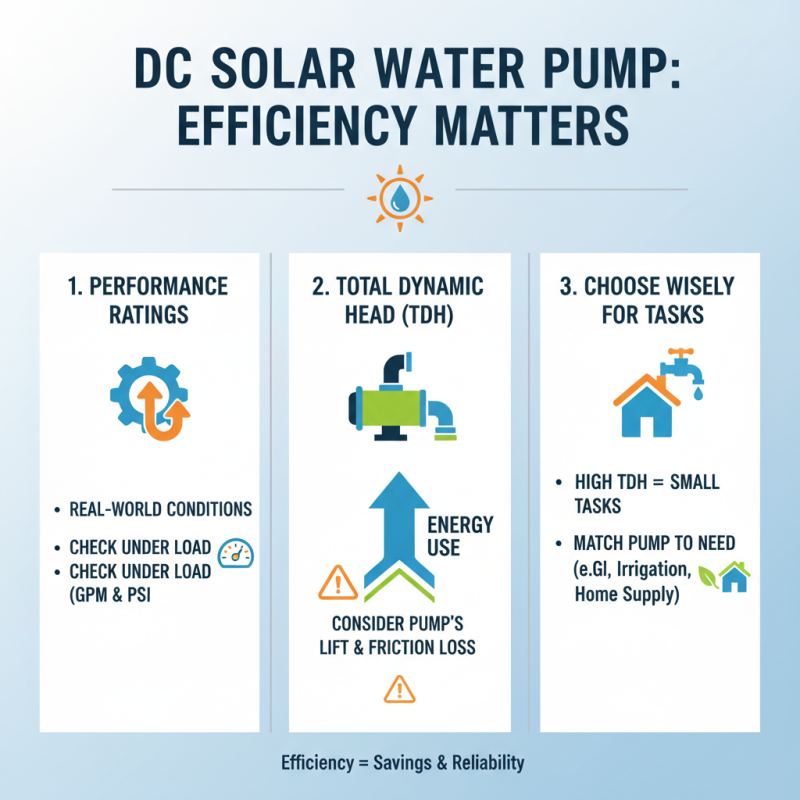
When choosing a DC solar water pump, efficiency is paramount. Look for performance ratings that reflect real-world conditions. Many pumps claim to deliver high efficiency but fail under load. Check the total dynamic head (TDH) to understand how much energy the pump uses. Units with a high TDH rating may not always be the best for small tasks.

It's essential to assess how the pump operates in various environments. Some designs work well in sunny regions, while others struggle in cloudy areas. Take note of the flow rate; it should match your water needs. A higher flow rate often means higher energy consumption, another point to ponder.

Performance ratings don’t always disclose everything. A pump might be efficient, but how long will it last? A detailed supplier manual can help navigate this concern. Consider how user-friendly it is. Installation and maintenance should not require advanced skills. Simpler setups often lead to fewer headaches. Be wary of features that sound good but add complexity. Reflection on these aspects can greatly improve your choice.

Comparing Costs and Long-Term Savings

When considering a DC solar water pump, cost and long-term savings are critical factors. Reports suggest the initial cost can vary significantly. Basic models may start at $200, while advanced systems can exceed $1,500. Many users often overlook installation costs, which can add another 20% to 40%. This is a crucial detail.

Long-term savings become evident when evaluating energy consumption. A typical solar pump can reduce energy costs by up to 80% over five years. According to recent studies, solar pumps can last 15 to 25 years with proper maintenance. However, neglecting regular service can lead to performance issues, increasing overall expenses.

Return on investment (ROI) is another essential aspect. On average, homeowners can expect an ROI of over 25% in regions with abundant sunlight. Yet, factors such as local climate and water demand can influence this rate. Users should carefully assess their individual situations to determine the best fit for their needs. Balancing upfront costs with potential savings requires thorough research and consideration.

Maintenance Tips for Optimal Solar Water Pump Functioning

Maintaining a solar water pump is crucial for its longevity and efficiency. Regular checks are necessary to ensure all components function properly. Inspect the solar panels for dirt and debris. Clean them often to maximize sunlight absorption. A Deep Submersible Solar Water Pump relies on good solar exposure for optimal performance.

Another aspect to consider is the water source. Ensure the pump is always submerged to prevent it from running dry. This can damage the motor over time. If the water level fluctuates, you might need to adjust or reposition the pump. Monitor the pump's output as well. Low flow rates can indicate a problem.

Lastly, remember to verify the battery setup. Ensure the batteries are compatible and in good condition. Dead or weak batteries can hinder performance. Although troubleshooting can be tedious, addressing issues early can save you time and money later on. Regular maintenance can prevent small problems from escalating into major ones.

FAQS

: What are common health benefits of regular exercise?

: Regular exercise improves heart health and boosts mood. It can also enhance sleep quality. Weight management is another benefit.

How can I stay motivated to exercise?

Set clear goals. Find enjoyable activities. Work out with friends. Track your progress and celebrate small achievements.

What should I do if I miss a workout?

Missing a workout is common. Reflect on the reasons. Reschedule it and try to stay consistent moving forward.

How can I make healthier food choices?

Focus on whole foods. Prepare meals at home. Read nutrition labels. Avoid excessive processed foods and sugary drinks.

What are the mental health benefits of being active?

Physical activity reduces anxiety and depression. It can enhance your self-esteem. Outdoor activities also improve mood and relaxation.

How do I create a balanced workout routine?

Include cardio, strength training, and flexibility exercises. Change routines to avoid boredom. Listen to your body to avoid injury.

Conclusion

When looking to choose the best DC solar water pump for your needs, it's essential to understand the basics and identify your specific pumping requirements. Factors such as the water source, the desired flow rate, and the distance water needs to be pumped play a crucial role in this selection process. Evaluating solar power options is equally vital, as it impacts the pump's efficiency and performance.

Key features to consider include durability, ease of installation, and maintenance requirements. Assessing performance and efficiency ratings will help ensure that you select a pump that meets your needs without excessive energy consumption. Comparing costs against long-term savings, alongside regular maintenance tips, will further enhance the longevity and effectiveness of your DC solar water pump, maximizing your investment in sustainable water solutions.
Isabelle

Isabelle

Isabelle is a dedicated marketing professional at Zhejiang Lanbo Intelligent Technology Co., Ltd., where her expertise in the field shines through her work. With a deep understanding of the company's innovative products, she plays a pivotal role in conveying the brand's message and values to a......
Previous Global Insights on the Future of Dc Pump Solar Technologies in 2025