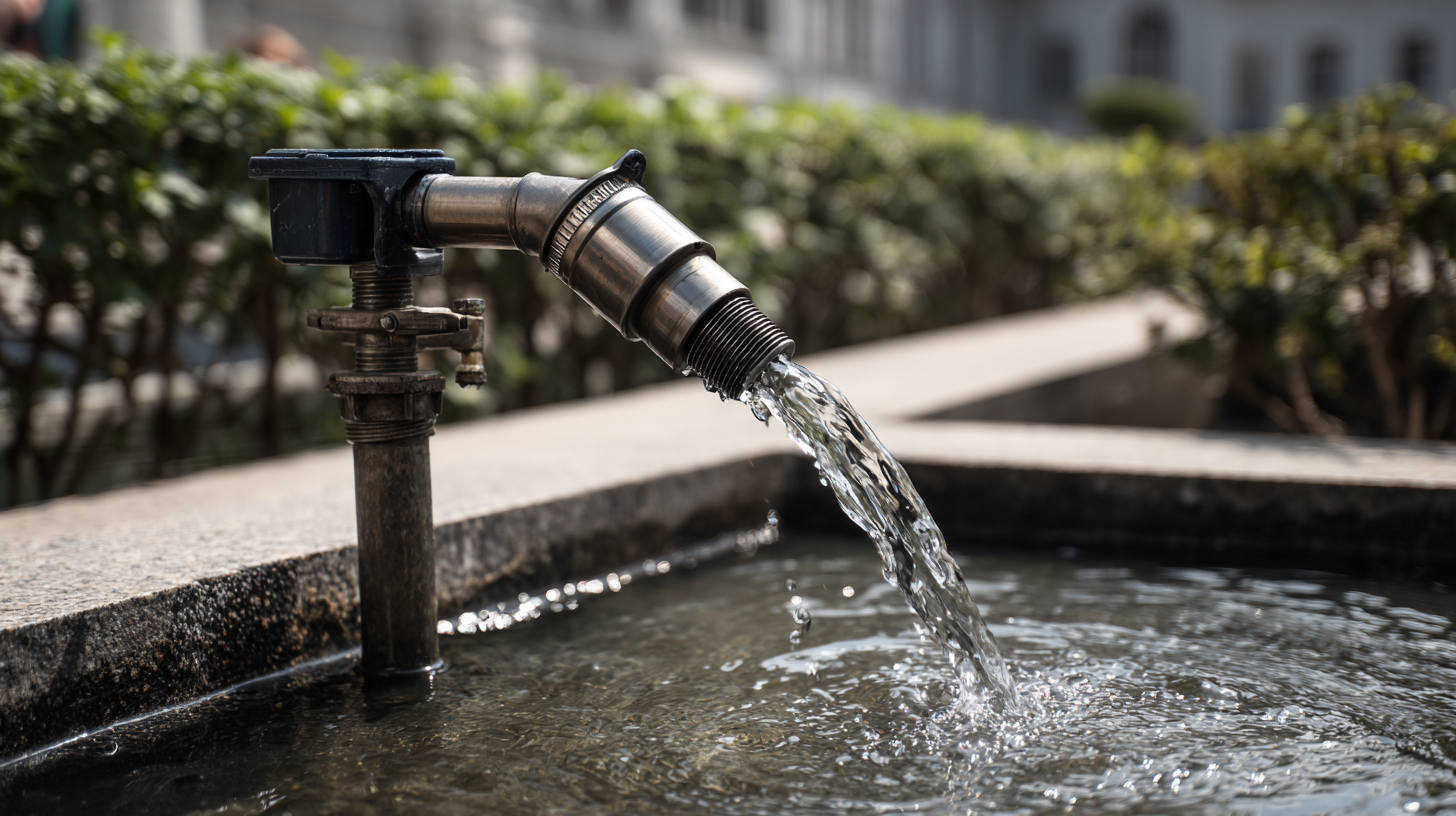
Lately, there's been a big surge in demand for sustainable and budget-friendly water solutions. You know, with everything going on, the global solar water pump market is actually projected to hit around $4.25 billion by 2026, based on a report from Market Research Future. Among all these options, the DC solar water pump really stands out—it’s efficient, flexible, and works well in pretty much any setting, from watering farms to supplying homes with water. As water shortages are becoming more serious and widespread, picking the right pump really matters—it's all about getting good performance without breaking the bank. At Zhejiang Rambo Intelligent Technology Co., Ltd., we’re proud of offering top-quality, affordable solutions that meet international standards. With our cutting-edge manufacturing setups and innovative designs, our DC solar water pumps don’t just meet high benchmarks; they’re reliable, eco-friendly, and built to last. They’re a fantastic choice for anyone who really cares about the environment and wants practical, efficient water solutions.
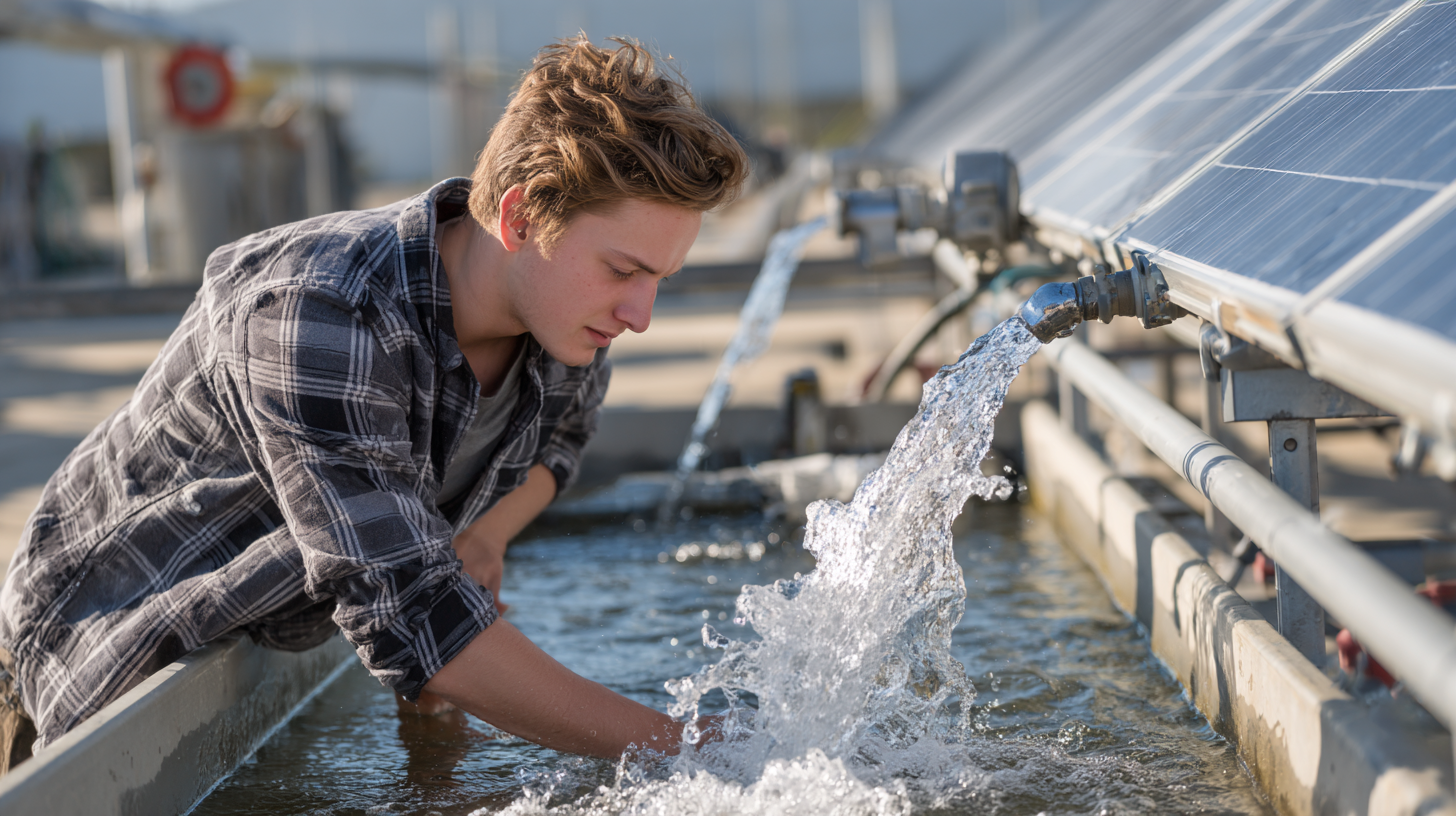
Understanding the Basics of DC Solar Water Pumps: A Beginner's Overview
You know, DC solar water pumps have really been gaining traction lately, especially in homes and farms. I guess people love them because they’re eco-friendly and save energy—pretty cool, right? These pumps run off solar panels, so you don’t need to rely on the grid at all. I read in a report by Grand View Research that around 2020, the global market for these solar water pumps hit about $1.3 billion, and it’s expected to grow pretty fast—something like 19.4% annually from 2021 to 2028. That really shows how more and more folks are turning to renewable energy options across different fields.
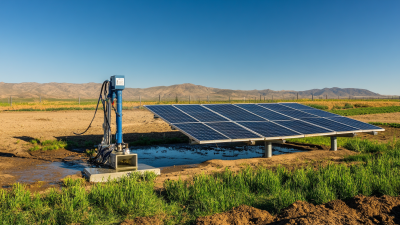
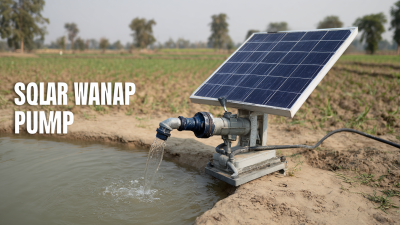
If you’re thinking about getting one, it helps to understand the basics first. Unlike the traditional AC pumps, these DC solar pumps run directly off the power from the solar panels, which often makes them more efficient—especially if water needs vary a lot. There are a couple of types, like submersible and surface pumps, each suited for different setups. And if you're in an area where sunlight isn't always reliable, you can even add batteries to store energy. The International Renewable Energy Agency (IRENA) points out that solar-powered water pumps can really cut down operational costs and improve water access, especially in remote spots where traditional systems might not be practical.
Key Factors to Consider When Choosing the Right DC Solar Water Pump
When you're picking out a DC solar water pump for your setup, it’s pretty important to think through a few key things. First off, check out the pump’s flow rate and how high it can lift water—those are major factors. Usually, for home use, a flow rate somewhere between 1 to 3 gallons per minute (GPM) does the trick, but it really depends on your water source and what you need. As for head height, that’s basically how high the pump can lift water; most DC models can handle heights ranging from about 10 to 100 feet, so keep that in mind.
Here’s a little tip: make sure the pump you pick not only matches your flow needs but also has enough head height to get the water where it needs to go—especially if you’ve got some elevation changes or tall setups.
Another thing to think about is your power source. Since DC solar pumps run off solar panels, it’s a good idea to evaluate how much sunlight you get during the day. A recent industry report mentioned that, generally, your solar panel array should produce roughly one watt per gallon per hour of pumping to keep things running smoothly.
Tip: Do a quick solar analysis for your location—this can help you figure out if you need extra panels to keep the pump working at its best, making sure you get the most out of your solar setup.
Comparing Different Types of DC Solar Water Pumps for Various Applications
When you're trying to pick the right DC solar water pump for your project, it's really important to think about the type of pump and what it needs to do. There are a few different kinds—like submersible, surface, and diaphragm pumps—and each one is better suited for different situations. For instance, a recent industry report pointed out that submersible pumps are usually the go-to for deep wells because they’re efficient and can actually work underwater. On the other hand, surface pumps work great when you’re drawing water from open sources such as rivers or tanks. Understanding the unique features of each pump type can help you pick the best one for your needs, so you end up with something that performs well and lasts.
A quick tip: Make sure to check your solar panel capacity and the voltage your pump requires before making a choice. You want a pump that runs smoothly within the solar energy you’ve got available. Plus, don’t forget about the total dynamic head (TDH), which includes the lift height, friction losses, and other system losses—this little detail is often highlighted in engineering studies as key to ensuring everything runs efficiently.
When you're selecting a pump, it’s worth thinking about how much it’s going to cost to operate over time, not just the initial price. Investing in higher quality brands like Zhejiang Rambo Intelligent Technology Co., Ltd. might cost a bit more upfront, but it usually means lower maintenance bills and a longer lifespan. In regions with lots of sunshine, having a dependable system can really make a difference—whether you're working on farms or managing residential water needs. All in all, a bit of careful planning now can save you a lot of headaches later.
Installation Tips for DC Solar Water Pumps: Maximizing Efficiency and Performance
When you're setting up a DC solar water pump, getting the installation right can really boost how well it works. Based on a report from the Solar Energy Industries Association, doing things properly can increase the system's efficiency by up to 30%. The key is to place your solar panels just right — usually facing south and at an angle that grabs the most sunlight during the day. A good setup not only means more water flow but can also help cut down on your energy bills.
And don’t forget, taking care of your pump over time is super important if you want it to last. A study in the Journal of Solar Energy Engineering mentions that regular tune-ups—like checking your panels and pump—can actually double the lifespan of your setup. Using quality parts, like sturdy cables and waterproof covers, also helps prevent unexpected breakdowns. Plus, keeping your water source clean and free of debris prevents clogging and keeps energy use down. So, if you pay attention to these installation tips and keep up with maintenance, you'll get the most out of your DC solar water pump — easy as that.
Ultimate Guide to Choosing the Best Dc Solar Water Pump for Your Needs
| Feature |
Description |
Benefits |
| Voltage Rating |
Typically ranges from 12V to 24V |
Ensures compatibility with your solar setup |
| Pump Flow Rate |
Measured in gallons per minute (GPM) |
Determines how much water can be moved efficiently |
| Efficiency Rating |
Indicates energy consumption vs. water output |
Higher efficiency means lower energy costs |
| Durability |
Materials like stainless steel and thermoplastics |
Longer lifespan and resistance to corrosion |
| Noise Level |
Measured in decibels (dB) |
Quieter pumps are better for residential use |
| Installation Complexity |
Varies from simple to complex |
Easier installations save time and money |
| Warranty |
Typically ranges from 1 to 5 years |
Provides peace of mind against defects |
Maintenance Best Practices for Longevity of Your DC Solar Water Pump
Taking good care of your DC solar water pump is honestly pretty important if you want it to last and work smoothly. Doing regular check-ups is key—just peek at the parts and see if anything looks worn out or damaged. Keep an eye out for leaks, cracks, or rust, and deal with any issues right away before they turn into bigger headaches. Also, don’t forget to clean the solar panels from time to time because dirt and dust can really cut down their efficiency, meaning less power to pump water when you need it.
Another thing to stay on top of is your system's batteries, especially if you're using a storage unit. Make sure they’re charging well and not getting completely drained too often—that can kill their lifespan and performance. It’s also smart to periodically test your system’s voltage and water flow—this way, you can catch any problems early on before they get worse. And don’t overlook seasonal tweaks, like repositioning the panels to catch more sun or clearing away anything blocking them, especially during different weather seasons. Stick to these simple tips, and you’ll help your solar pump run longer and more efficiently for years to come.
Troubleshooting Common Issues with DC Solar Water Pumps: Solutions and Tips
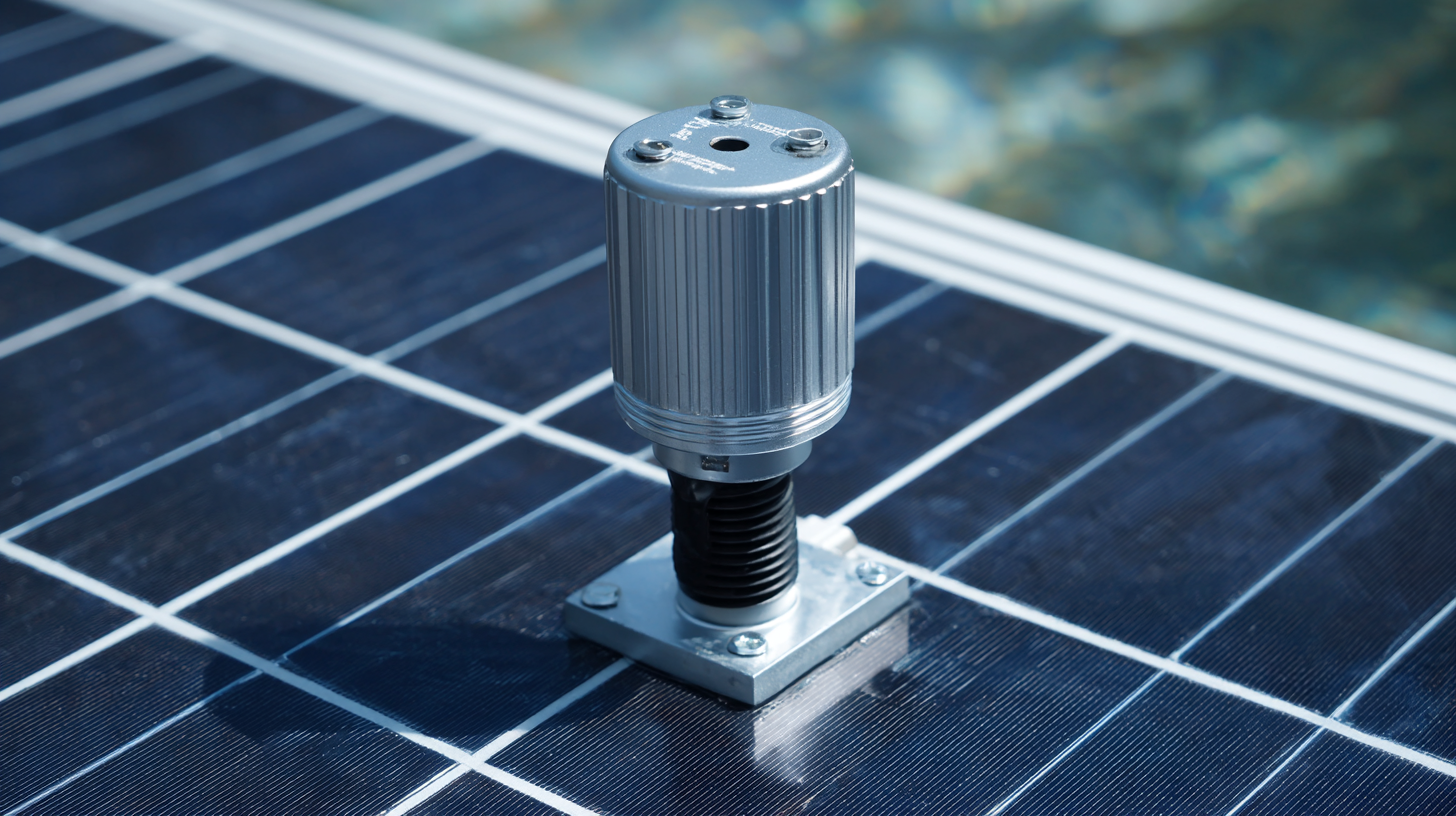 When you're using DC solar water pumps, it's pretty common to run into a few issues. One of the most reported problems is not enough water flow coming through. Usually, that’s because the pump isn’t getting enough sunlight or there’s something blocking the intake line. So, the first thing you wanna do is double-check that your solar panels are set up in a way that really catches the sunlight — it makes a big difference. Also, take a moment to clean off any dirt or debris that might be clogging the water intake, and look over the pipes to see if there are leaks or kinks, since those can totally mess with the water flow.
Another common hiccup is the pump simply not starting, which can be super frustrating. This might be because the battery’s weak or some wires got disconnected. To troubleshoot, check the battery voltage to see if it’s powered enough for the pump. Also, look at all the wiring — if there’s corrosion or any damage, that could be stopping the pump from getting the juice it needs. Still no luck? It might be time to check the manufacturer’s troubleshooting guide or even call in a professional to help out. The key is to stay on top of these issues, so your solar water pump keeps running smoothly and saving energy without any headaches.
Maximizing Irrigation Efficiency: Insights from Industry Reports on ZRI Brushless Solar Water Pumps for Sustainable Agriculture
Maximizing Irrigation Efficiency: Insights from Industry Reports on ZRI Brushless Solar Water Pumps for Sustainable Agriculture
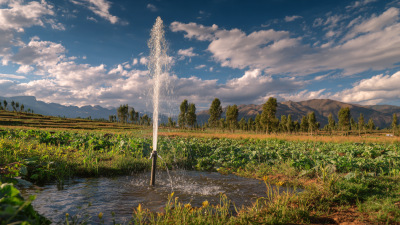
In the quest for sustainable agriculture, maximizing irrigation efficiency is crucial. Industry reports highlight the significant potential of ZRI brushless solar water pumps, which capitalize on renewable energy to enhance water management in farming. These innovative systems harness solar power to provide a reliable and efficient source of water for irrigation, helping farmers optimize their water usage while minimizing environmental impact. By eliminating the need for conventional energy sources, ZRI pumps not only reduce operational costs but also contribute to a greener agricultural footprint.
The technology behind solar-powered water pumps is game-changing for farmers across various regions. With their ability to operate autonomously during sunlight hours, these pumps ensure consistent water supply even in remote locations where traditional power sources may be unavailable. This reliability fosters greater productivity and allows for more sustainable water practices, aligning with the environmental goals of modern agriculture. Moreover, as the sheer volume of water pumped can be tailored to specific crop needs, farmers can achieve better yields while conserving precious water resources, a vital consideration as climate challenges intensify.
FAQS
: Consider the pump's flow rate, head height, power source, and the specific type of pump needed for your application to ensure optimal performance.
The optimal flow rate typically ranges between 1 to 3 gallons per minute (GPM), depending on the requirements of your water source.
Head height indicates how high the pump can lift water; it's important to select a pump that can deliver water to your desired location, especially if there are significant elevation changes.
Evaluate your available sunlight exposure and ensure that your solar panel array can produce at least 1 watt for every 1 gallon per hour that your pump requires.
The main types include submersible pumps, surface pumps, and diaphragm pumps, each suited for different applications like deep wells or open water sources.
TDH combines lift height, friction losses, and additional losses in the system, making it critical for ensuring efficient pumping operations.
Higher quality pumps may have a higher initial cost but can lead to lower maintenance costs and longer lifespans, providing better value over time.
A solar analysis helps determine if additional solar panels are necessary to support the pump's requirements, optimizing its performance.
Reliable DC solar water pumping systems can significantly enhance water management practices in agricultural and residential applications.
Conclusion
When it comes to finding sustainable and efficient water solutions, picking the right DC solar water pump is a pretty big deal. This guide is here to help you get a good handle on what you need to know about DC solar water pumps—covering everything from how much power you'll need to what kind of applications they’re best suited for. It's super helpful to compare different types of pumps, especially if you're using them for farming, your home, or even bigger industrial stuff.
We also share some handy tips for installing your pump so you can get the most out of it—making sure it's running smoothly and efficiently by harnessing that solar power. Plus, there's advice on maintenance and a bit on troubleshooting common problems, so your pump stays reliable and lasts longer. At Zhejiang Rambo Intelligent Technology Co., Ltd., we’re all about quality and affordability. We want you to be able to make the best choices when it comes to solar water pumping, confidently and easily.






 Mr Youkee Kong