Since 1998
Solar Pump

Inquiry
Form loading...
Solar Pump
In today’s fast-changing world of technology, picking the right equipment can really make a difference—whether it’s about boosting efficiency or just making things run smoother. When it comes to managing water resources, choosing a Plastic Submersible Pump is pretty important. At Zhejiang Rambo Intelligent Technology Co., Ltd., we’re all about offering top-notch quality without breaking the bank. Our state-of-the-art facilities and cutting-edge processes help us design products that not only meet industry standards but often go beyond what customers expect. No matter if you’re in agriculture, construction, or industrial work, understanding the key features and perks of Plastic Submersible Pumps will help you make smarter, more tailored choices. In this guide, we’ll walk you through what to look out for—so you can pick the best solution for your needs—while also showing our commitment to quality, ethics, and serving our customers like family.
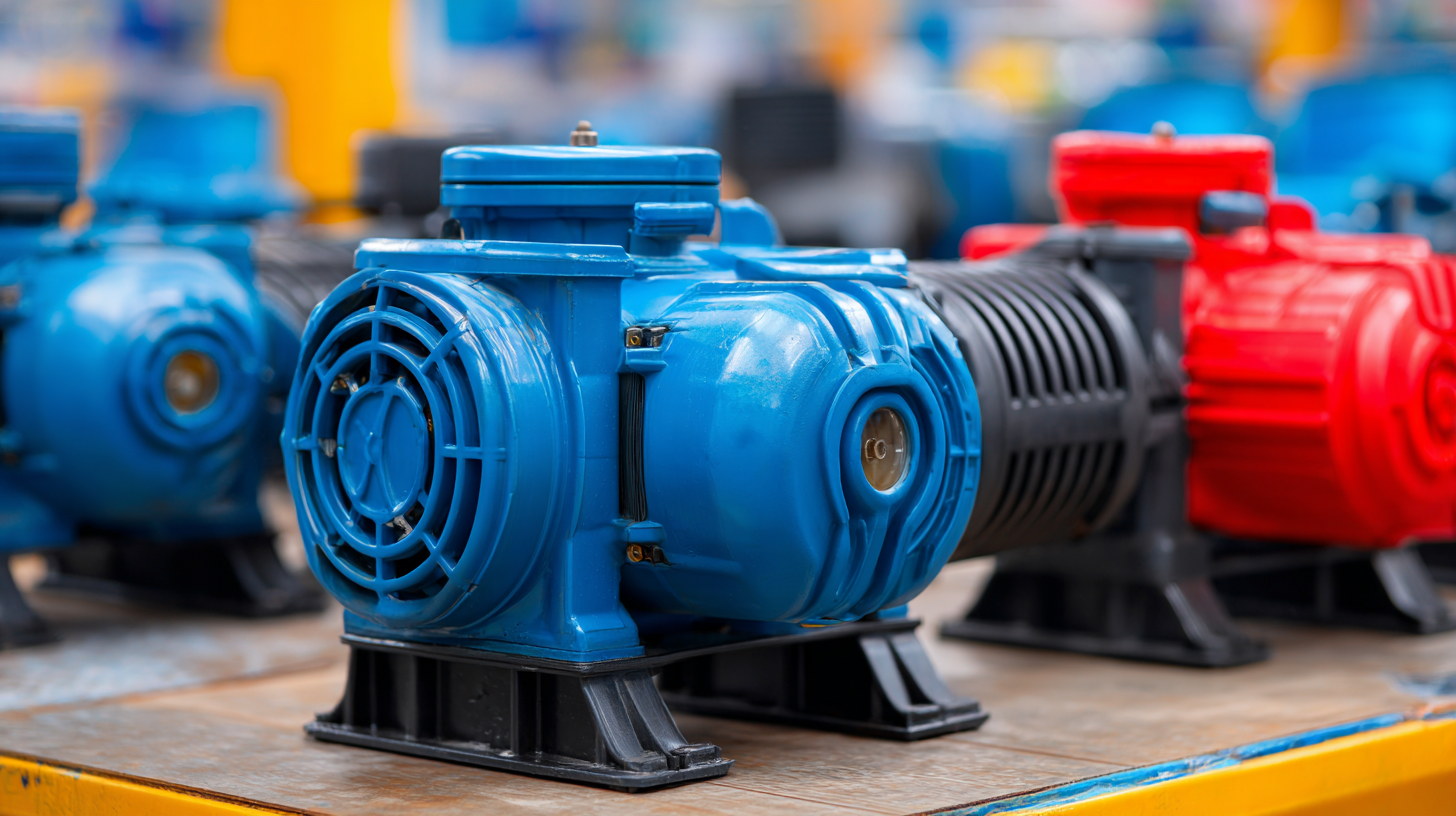
When you're trying to pick out the perfect plastic submersible pump for your needs, it’s really helpful to get a sense of the different types out there. You’ve got options like centrifugal, positive displacement, and vortex pumps — each suited for different tasks. For example, centrifugal pumps are fantastic when you need to drain or dewater, thanks to their high flow rates and efficiency. On the other hand, positive displacement pumps are great if you need precise control over fluid flow and consistent pressure. And vortex pumps? They're usually the go-to choice when dealing with fluids that have solids in them, making them pretty popular in waste management and sewage applications.
As more folks around the world are demanding submersible pumps, finding a trustworthy manufacturer becomes super important. Companies like Zhejiang Rambo Intelligent Technology Co., Ltd. are really stepping up by providing top-notch pumps at reasonable prices. Their state-of-the-art facilities and innovative designs mean you’re getting reliable performance that fits a variety of water management needs. With the market for these pumps growing—especially in areas dealing with rising water challenges—understanding your options will definitely help you or your business make smarter, more informed choices that match your specific needs.
The ongoing challenges of water scarcity and inefficient water management systems have called for innovative solutions that not only meet the current demand but also promote sustainability. One such groundbreaking solution is the 3 Inch DC Brushless Screw Solar Pump, designed to revolutionize water management practices. This pump harnesses solar energy, making it an eco-friendly and cost-effective alternative to traditional water pumping systems. Its brushless technology ensures durability and low maintenance, allowing users to enjoy uninterrupted water supply without incurring high operational costs.
In addition to its efficiency, the 3 Inch DC Brushless Screw Solar Pump stands out for its exceptional performance in various applications, from agricultural irrigation to residential water supply. The pump's design allows for high flow rates and deep lifting capabilities, making it ideal for areas lacking access to conventional energy sources. By utilizing renewable energy, it significantly reduces the carbon footprint associated with water management, aligning perfectly with sustainable practices. The integration of this technology not only enhances water availability but also promotes a more responsible approach to resource management in our communities.
: The required flow rate is determined by factors such as the dimensions of the system, the nature of the liquid, and the desired pumping speed.
A common range for residential applications often falls between 10 to 100 gallons per minute (GPM).
The design of the impeller is crucial as different types (open, semi-open, closed) are suited for specific applications, influencing efficiency based on the nature of the fluid being pumped.
High-quality plastic materials that are resistant to corrosion and wear are essential for ensuring longevity and reliability in aggressive environments.
Energy efficiency ratings significantly impact long-term operational costs; higher efficiency can save approximately 30% on energy costs compared to standard models.
Energy-efficient pumps contribute to a decrease in greenhouse gas emissions, as they lower electricity consumption significantly, resulting in environmental benefits along with cost savings.
Upgrading to a high-efficiency pump can reduce electricity consumption by an average of 5,000 kWh annually, translating into substantial savings over the pump's lifespan.
Users should prioritize flow rate requirements, impeller design, and energy efficiency to ensure the pump meets their specific application needs effectively.
When you're picking out a plastic submersible pump for your project, it's really helpful to get a good sense of the different types out there. Each one is made for specific uses, so understanding what's available can save you a lot of headaches later on. Thinking about the flow rate you need is key—nobody wants a pump that’s too weak or overkill. The impeller design also matters a lot, especially if you're dealing with changing conditions. Don't forget to check whether the materials are compatible and resistant to corrosion—that way, your pump will last longer. And if you're trying to save some cash in the long run, taking a look at energy efficiency ratings can really pay off.
Here at Zhejiang Rambo Intelligent Technology Co., Ltd., we take pride in offering high-quality plastic submersible pumps that meet international standards. With our state-of-the-art production facilities and innovative designs, we’re able to compete globally—so you can count on getting a product that not only performs great but also gives you good value for your money. We focus heavily on quality and customer satisfaction because we want to make sure our solutions truly fit what our clients need. Basically, you can see us as a reliable partner in this industry—always aiming to do our best for you.







 Mr Youkee Kong