In today’s industrial world, choosing the right powered water pump isn’t just a detail—it’s kind of a big deal when it comes to keeping things running smoothly and saving costs. I recently came across a report from MarketsandMarkets that says the global water pump market is expected to hit around $78.4 billion by 2025, growing at a pretty steady rate of about 5.3% annually. A big part of this growth is fueled by the needs from sectors like agriculture, construction, and municipal services, all of which rely heavily on reliable water pumping.
 Picking the right pump can really make a difference—it boosts productivity and helps avoid some future headaches too. Here at Zhejiang Rambo Intelligent Technology Co., Ltd., we get it—quality and innovative design are what set us apart in this fast-growing market. We’re dedicated to offering top-notch powered water pumps that don’t break the bank. Our goal is to help our customers succeed confidently, sticking to ethical standards and always putting their needs first. Basically, we want to be your go-to partner in tackling industrial water pumping needs, now and down the road.
Key Factors to Consider When Selecting a Powered Water Pump
So, when you're picking a powered water pump for industrial use, there are a few important things you really want to keep in mind to make sure it’s efficient and reliable. First off, the pump’s ability to handle the right flow rates and pressure is a big deal. Industry experts are saying that demand for high-efficiency pumps is only going up across different sectors. Why? Because everyone’s looking to optimize water management and save resources, you know? Plus, with IoT technology starting to play a bigger role, there are some pretty exciting opportunities – like real-time monitoring that can boost performance and catch issues before they become serious problems.
Another thing that really matters is the design of the impeller, especially in self-priming pumps. Recent studies show that getting the impeller design just right can really ramp up efficiency, especially in emergency situations. And let’s not forget about the materials used for components like bearings — choosing the right ones can seriously boost the pump’s reliability. In fact, industry data points out that bad bearing choices are a leading cause of pump failures, which means costly downtime and higher maintenance expenses. If you pay attention to all these little details, you’re much more likely to end up with a water pump solution that fits your needs perfectly and keeps things running smoothly.
Understanding Different Types of Powered Water Pumps for Industrial Use
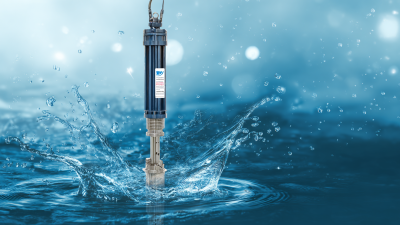
When you're trying to pick out the right powered water pump for industrial jobs, it helps to know what kinds are out there. For example, submersible pumps are built to work while they’re underwater — perfect for things like sewage treatment or pumping out groundwater. They’re pretty versatile, too, since they can handle liquids with solids in them, making them handy for dewatering projects.
Then there are dewatering pumps, which are mainly used to get rid of excess water from construction sites or excavations. These are designed mostly for clean or slightly muddy water, helping keep the site accessible and safe to work on.
On the flip side, transfer pumps are all about moving water from one spot to another. You’ll find these useful if your setup requires relocating water quickly and smoothly.
Getting a good grasp of what each pump does and their main features really helps in making smart decisions based on your specific needs. Things like how much water they can move (flow rate), the pressure they can handle (head), and how much energy they use all play a part in picking the best fit. Since there are so many options out there, choosing the right one can totally boost your productivity and overall operation — it’s worth taking the time to choose carefully.
Assessing Power Sources: Electric vs. Diesel Water Pumps
So, when you're picking a powered water pump for industrial use, it’s pretty important to understand what kind of power source you're dealing with. There’s often a debate between going with electric or diesel pumps, and honestly, it usually boils down to efficiency, cost, and environmental impact. Just recently, I came across a report from the International Energy Agency that mentioned electric pumps tend to be cheaper to operate, especially in places where electricity isn’t too pricey. But on the other hand, diesel pumps are still pretty popular, mainly because they’re portable and pack a punch, making them ideal for remote locations that lack easy electricity access.
At Zhejiang Rambo Intelligent Technology Co., Ltd., we’re really proud of our range of high-tech electric and diesel water pumps that follow global industry standards. Thanks to our advanced manufacturing setup and a real focus on innovation, we create systems that not only perform well over time but also pay attention to environmental factors. Interestingly, data from the Pump Industry Performance Standards shows a clear shift toward electric pumps — mainly because they’re better for the planet, cutting down on carbon emissions. That lines right up with Rambo’s core values of quality and sustainability. Picking the right pump isn’t just about what you need right now; it’s also about considering long-term costs and how it impacts the environment. So, honestly, our pumps are a pretty smart investment for any industrial operation looking to stay efficient and eco-friendly.
Flow Rate and Pressure Requirements for Your Specific Application
When you're picking out a powered water pump for industrial stuff, it's super important to really get a sense of what your flow rate and pressure needs are. Flow rate, which you’ll usually see in gallons per minute (GPM) or liters per second (L/s), basically tells you how much water the pump can move. The Hydraulic Institute stresses that getting the flow rate right is key—if it’s too high or too low, your system won’t run smoothly, and you might end up overloading the pump. For example, if you’re working on a construction site, you might need a pump that moves about 100 GPM for dewatering. On the flip side, if you're dealing with cooling systems, the flow rate can be much lower since you're just maintaining temperature. Sounds simple but totally crucial to get right!
Now, pressure—measured in PSI or bar—is just as important. It shows how well the pump can push water through piping, especially when there's resistance or elevation changes involved. The ASME says it’s a good idea to look at the total dynamic head (TDH) to really understand what pressure you’ll need. If your piping runs uphill or covers a long distance, you’ll want to calculate both static and dynamic head losses so you know your pump can handle the pressure without a hitch.
**A couple of tips:** When you're figuring out what flow rate and pressure you need, definitely chat with the manufacturers to check out their performance curves—that way, you’ll get a clear picture of how the pump will perform under different conditions. Also, it’s smart to add a little extra buffer—things change over time, stuff wears out, or water conditions shift. And don’t forget to look for pumps that have adjustable features. That way, you can tweak things on the fly if your operational demands change. Better safe than sorry, right?
Flow Rate and Pressure Requirements for Industrial Water Pumps
Maintenance Tips for Enhancing the Longevity of Your Water Pump
When you're thinking about making sure your powered water pump keeps running smoothly for a long time, regular maintenance is honestly the secret sauce. Experts say that keeping up with proper care can actually double the lifespan of your pump—that's like adding years to its life, which means you won’t have to spend a ton on replacements. Plus, it tends to run more efficiently, which is a win all around. The Hydraulic Institute even reports that by sticking to a good maintenance routine, you can boost your pump’s performance and save some energy—think 10 to 20 percent better efficiency.
So, one good tip is to set up regular inspections for all the parts—seals, bearings, impellers—you name it. Catching little issues early on, like wear and tear, can save you from bigger, more expensive problems down the line. Also, keeping an eye on vibrations can clue you in if something's off—like if the pump’s misaligned or unbalanced. And don’t forget to keep a maintenance log—it might sound old-school, but tracking these things can reveal patterns, making it easier to predict when something’s about to go wrong.
Another thing that really matters is making sure your moving parts are properly lubricated. According to the folks at the American Society of Mechanical Engineers (ASME), if you don’t give your pump good lube, it can slow down and wear out sooner. Checking those lubricant levels regularly and topping them off when needed will not only keep your pump running smoothly, but it’ll also help it last longer overall.
Cost vs. Performance: Making an Informed Investment Decision
Picking the right powered water pump for your industrial setup really boils down to finding that sweet spot between cost and performance. Yeah, the initial price tag is definitely something to keep in mind, but don’t forget to think about how well it’ll perform over the long haul. Sometimes it’s tempting to go for the cheapest option out there, but that might end up costing you more in the end—whether through higher maintenance bills or not pushing out the water as effectively as you need. Spending a little more upfront can often save you in the long run. It’s smart to look at the full picture—think about maintenance, how much energy it uses, and potential downtime. That way, you’re making a choice that really lines up with your operational goals.
Also, don’t overlook the key performance stats like flow rate, pressure, and how tough the pump is. Dropping a bit extra on a high-performance pump might seem pricey at first, but if it means saving on energy bills, reducing labor issues, and needing fewer repairs, it can be totally worth it. Just make sure it’s up to the task for your specific needs—whether you're pumping through a tricky fluid or operating in a tough environment. Taking this kind of strategic approach not only boosts efficiency but also makes for a more reliable and future-proof investment for your business.
Harnessing the Power of the Sun: Revolutionizing Agricultural Irrigation with ZRI Brushless Solar Water Pump
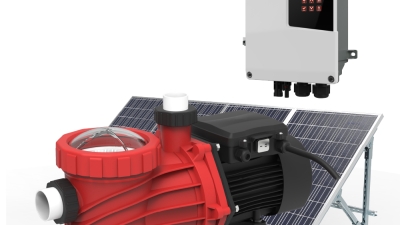
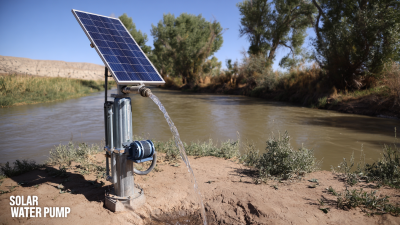
Harnessing the power of the sun for agricultural irrigation marks a significant leap towards sustainability in farming practices. The ZRI Brushless Solar Water Pump exemplifies this innovation, transforming how farmers manage water resources. By utilizing solar energy, these pumps not only provide a reliable source of water but also minimize dependency on traditional power sources, which can be both costly and environmentally damaging. This technology allows farmers to irrigate their crops efficiently, even in remote areas where electricity may not be accessible.
The benefits of solar-powered water pumps extend beyond just convenience; they play a crucial role in reducing overall operating costs. With no fuel or electricity bills to worry about, farmers can redirect their savings towards other essential aspects of their agricultural operations. Moreover, the environmental impact of using solar energy is substantially lower than that of fossil fuels, making it an excellent choice for eco-conscious farmers. As the global push for more sustainable agricultural practices grows, the ZRI Brushless Solar Water Pump stands at the forefront, offering a solution that enhances productivity while preserving our planet for future generations.
FAQS
: Key factors include the pump's ability to handle specific flow rates and pressure, impeller design, material selection for components like bearings, and the integration of IoT technology for monitoring and performance enhancement.
An optimal impeller design can significantly improve operational efficiency, especially during emergency scenarios.
Improper bearing selection is a leading cause of pump failures, resulting in unplanned downtime and increased maintenance costs.
Regular maintenance can extend the life of a water pump by up to 50% and improve its performance and energy efficiency by 10-20%.
Routine inspections should include checking for wear and tear on seals, bearings, and impellers, as well as monitoring vibration levels to identify any misalignment or imbalance.
Proper lubrication is critical for maintaining pump efficiency; inadequate lubrication can lead to increased wear and failures. Regular checks and replenishment of lubricant levels are essential for smooth operation.
Conclusion
Looking to pick the right powered water pump for your industrial needs? Our 'Ultimate Guide' is here to help! We cover all the key factors you should think about—like understanding the different types out there, weighing up power options like electric or diesel, and figuring out the flow rate and pressure you actually need. Trust me, these are the critical steps to making a smart choice. Oh, and we also share some handy maintenance tips to keep your pump running smoothly for years to come. Plus, there's a thorough breakdown of how to balance cost and performance so you get the most bang for your buck.
At Zhejiang Rambo Intelligent Technology Co., Ltd., we take pride in offering top-quality powered water pumps that fit a wide range of industrial applications. We're all about integrity, focusing on our customers, and pushing innovative designs—that's how we stay competitive on a global level. So, by following our guide, you'll feel more confident in picking the perfect pump for your business, all while benefiting from our advanced manufacturing and really affordable prices.






 Mr Youkee Kong