Leave Your Message
AI Helps Write
0%

Picking the right pump inverter really can make a big difference when it comes to how smoothly things run. With so many options out there, it’s easy to get overwhelmed, but it’s super important to think about your specific needs. A lot of folks underestimate how crucial it is for the inverter to be compatible with their existing systems—that’s a mistake. Before you make any decisions, take some time to understand the specs. Things like power requirements and control features are key. If you choose the wrong one, it could lead to inefficiencies and end up costing you more in the long run.

Take Marlow Pumps, for example—they really stress how important it is to match your pump with the right inverter. When everything lines up properly, your equipment works better and lasts longer. Plus, newer models often come with energy-saving features, which is pretty cool since it helps you cut down on energy use and supports sustainability—something a lot of businesses are aiming for nowadays.

That said, figuring out exactly what inverter is best for your setup can be tricky. It’s easy to overlook details that could impact your operations. When you’re unsure, don’t hesitate to ask an expert—getting some advice can save you a headache later on. In the end, making a smart, informed choice will seriously boost your productivity and keep things running smoothly.
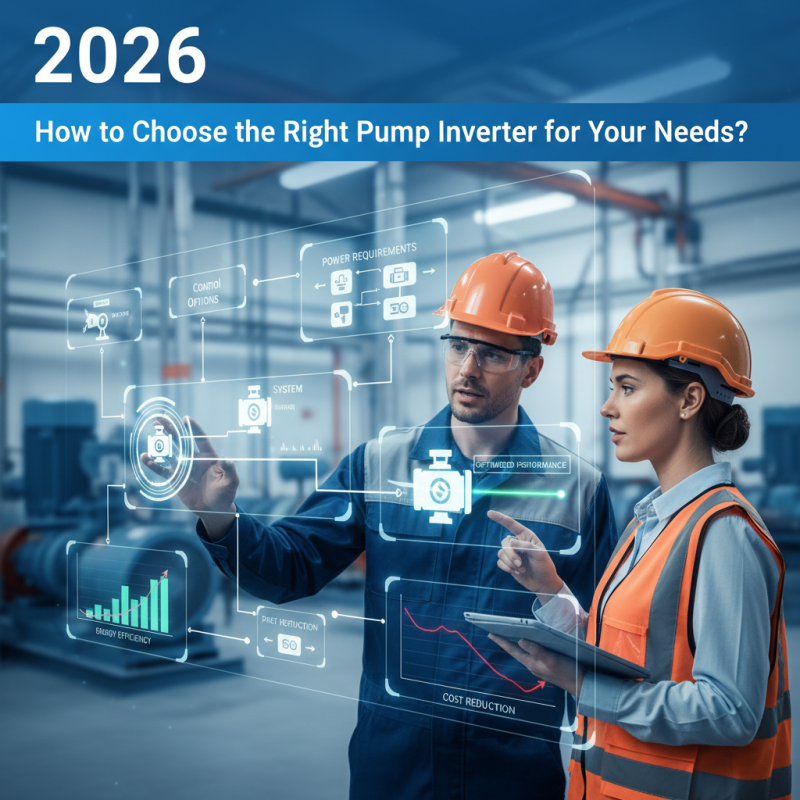
2026 How to Choose the Right Pump Inverter for Your Needs?

Identification of Pump Specifications and Requirements

When selecting a pump inverter, understanding your pump's specifications is essential. Start by analyzing the pump type you use. Consider factors like flow rate, head pressure, and application requirements. These aspects will influence the inverter's performance.

Tip: Know your pump's operational environment. Is it used in harsh conditions? Ensure the inverter can withstand such challenges.

Next, consider power requirements. Calculate the voltage and current needed for efficient operation. A mismatch can cause inefficiencies or even damage. Think about the control methods too. Do you need speed control, or is on/off operation sufficient?

Tip: Opt for a scalable solution. Your needs might change, and the inverter should adapt. Assessing future requirements is wise.

Lastly, don't overlook efficiency ratings. A good inverter can lead to significant energy savings over time. This is worth the investment. Reflect on the balance between cost and longevity as well.

Understanding the Types of Pump Inverters Available

When selecting a Pump Inverter, understanding the different types available is crucial. There are two main categories: variable frequency drives (VFDs) and fixed-speed drives. VFDs adjust the motor speed to meet system demands. This flexibility can lead to energy savings and extended equipment life. Fixed-speed drives, on the other hand, operate at a constant speed, making them simpler and often more cost-effective for straightforward applications.

Tips for choosing a pump inverter include considering the motor size and type. Larger motors may require more robust inverters. Think about the operating environment too. Harsh conditions may demand enclosures with better protection. Checking compatibility with control systems is necessary. Not all inverters communicate with every control system. Pay attention to features like overload capacity and efficiency ratings.

Another factor is the potential for future expansion. Choosing a pump inverter that can handle possible system growth is a wise investment. Look for inverters that offer scalability and adaptability. Reflect on your current needs but also think ahead. A pump inverter should not only meet present specifications but also accommodate future demands.

Key Factors to Consider When Selecting a Pump Inverter

When selecting a pump inverter, it's crucial to consider several key factors. The power rating is one of the most important. It needs to match your pump's requirements. An inverter with insufficient power can cause overheating and system failures. Always check the specifications before making a purchase.

Another aspect to consider is efficiency. A higher efficiency rating means better energy savings. Look for inverters that provide real-time data on energy consumption. This can help you make informed decisions about performance. In addition, vibration resistance is essential for maintaining longevity. Too much vibration can lead to mechanical wear.

Don’t overlook control options, either. Some inverters offer advanced features, like remote monitoring. This can enhance convenience but may add complexity. Be wary of choosing models that promise too much without clear benefits. Sometimes, simpler solutions are more reliable. Understanding your specific needs will ultimately lead to a better choice.

2026 Pump Inverter Selection Guide: Key Factors to Consider

This chart illustrates the importance rating of key factors to consider when selecting a pump inverter in 2026. The factors include efficiency, cost, durability, compatibility, and features, each rated on a scale from 1 to 10. These insights can guide users in making informed decisions based on their specific needs.

Energy Efficiency Ratings and Their Importance

When selecting a pump inverter, understanding energy efficiency ratings is crucial. These ratings indicate how well a device converts energy into work. Higher efficiency means lower energy costs. For instance, an inverter with a high efficiency rating can save significant amounts on electricity bills over time. This translates to more sustainable operations.

Many users overlook these ratings, focusing instead on upfront costs. However, investing in a more efficient inverter can lead to long-term savings. Consider how energy-efficient the product is compared to others. Inverter Solar Pump Manufacturers often provide detailed efficiency data. This information can guide your decision-making process.

Real-world usage can reveal gaps in efficiency claims. Conduct your research, and validate manufacturer data with user reviews. Energy efficiency isn’t merely a numbers game. It impacts your operational budget significantly. Ignoring it can lead to regrettable choices later. Engage with experts and dive deeper into the specifications before finalizing your selection.

2026 How to Choose the Right Pump Inverter for Your Needs? - Energy Efficiency Ratings and Their Importance

Pump Type Inverter Type Energy Efficiency Rating Power Range (kW) Key Features
Centrifugal Pump Variable Frequency Drive (VFD) IE3 1.5 - 75 Energy Saving, Smooth Operation
Submersible Pump Soft Starter IE2 0.5 - 25 Allows for Gentle Starts, Reduces Wear
Diaphragm Pump Constant Pressure Control IE4 0.1 - 10 Highly Efficient, Precise Flow Control
Gear Pump Digital Control IE3 0.5 - 50 High Precision, Low Maintenance

Compatibility with Existing Pump Systems

2026 How to Choose the Right Pump Inverter for Your Needs?

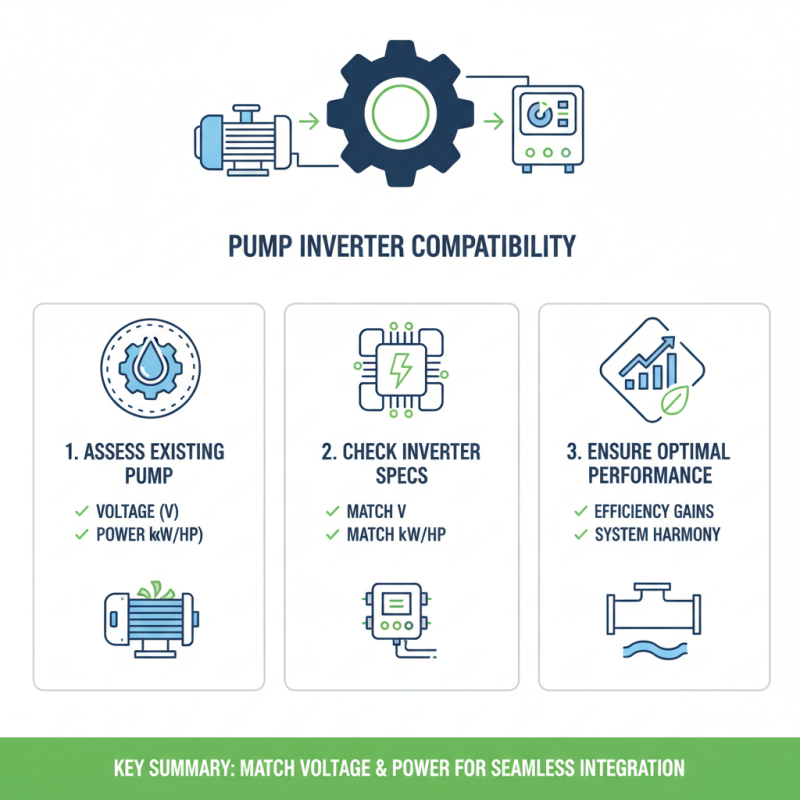
Choosing a pump inverter requires careful consideration, especially if you want it to be compatible with existing systems. Assessing the specifications of your current pump is essential. Make sure the inverter matches the voltage and power demands of your pump. This ensures optimal performance and efficiency.

Compatibility extends beyond data sheets. Check the control interface as well. Inverters can vary in their communication protocols. If your pump uses a specific protocol, find an inverter that supports it. This might save you from future integration issues.

Think about the type of environment where the pump and inverter will operate. High-Quality Inverter Solar Pumps should handle local weather conditions. Dust, humidity, and temperature variations can affect their performance. Ensure that your choice fits the environmental demands, as this can lead to improved longevity and reliability. Seeking advice from professionals can help clarify any uncertainties. It's okay to feel uncertain; making informed choices leads to better outcomes.

Understanding Control Features and User Interfaces

Choosing the right pump inverter can significantly enhance efficiency. One key aspect to consider is the control features. Many modern inverters offer advanced PID control for precise speed regulation. This results in reduced energy consumption by up to 30%, according to recent industry reports. Insight into these features can help you avoid unnecessary overspending.


User interfaces are another critical element. A user-friendly interface allows for easy adjustments. Many inverters now come with intuitive touch screens or mobile applications. This makes monitoring and modifying settings simple, even for less experienced users. It's reported that an accessible interface can reduce training time by nearly 50%. However, it’s important to evaluate if the interface meets your operational needs.


Not all interfaces are created equal. Some may look appealing but lack functionality. Functionality should be prioritized over aesthetics. Clarity in display and ease of navigation must be prioritized. Rigorous testing and user feedback can guide these evaluations. Remember that investing in a tool that complicates operations could lead to frustration. Balancing features and usability is crucial for optimal performance.

Budget Considerations and Cost Analysis

When choosing a pump inverter, budget considerations are crucial. Costs can vary significantly depending on specifications and required features. A recent industry report highlights that businesses can save up to 30% on energy costs with efficient pump inverters. This data suggests investing in the right technology can lead to substantial long-term savings.

Potential buyers should analyze both upfront costs and long-term operational expenses. While a cheaper option might seem appealing, it may lack efficiency. This could result in higher energy bills that negate initial savings. An Inverter Solar Pump Manufacturer can provide valuable insights into the efficiency ratings and payback times of their products.

Additionally, maintenance costs cannot be overlooked. Inverters with higher reliability may require less frequent repairs, ultimately saving money. A study indicates that approximately 20% of pump inverter failures come from inadequate maintenance. Prioritizing systems with robust support and warranties also contributes to overall cost-effectiveness. It’s vital to balance immediate budget constraints with future performance needs.

FAQS

: What are the main types of pump inverters?

: There are two main types: variable frequency drives (VFDs) and fixed-speed drives. VFDs are adjustable.

How do variable frequency drives benefit a system?

VFDs adjust motor speed to meet demands, which can save energy and extend equipment life.

What should I consider when choosing a pump inverter?

Consider motor size, operating environment, and compatibility with existing control systems.

Why is compatibility important for pump inverters?

Ensuring compatibility with existing systems prevents integration issues and ensures optimal performance.

How can I assess the environment for my pump inverter?

Evaluate local weather conditions, such as dust and humidity, which can impact performance.

What control features should I look for in a pump inverter?

Advanced PID control for speed regulation is essential. It can reduce energy use significantly.

How important is the user interface on a pump inverter?

A user-friendly interface simplifies adjustments and reduces training time, enhancing operational efficiency.

What should be prioritized when evaluating user interfaces?

Functionality should be prioritized over aesthetics. Clarity and ease of navigation matter.

How can I ensure my pump inverter accommodates future needs?

Choose an inverter that offers scalability and adaptability to handle potential system growth.

What common mistakes should I avoid when selecting a pump inverter?

Don’t overlook the operating environment or features that may not be necessary for your current needs.

Conclusion

Choosing the right pump inverter is crucial for optimizing pump performance and energy efficiency. The process begins with identifying the specific pump specifications and requirements, as this sets the foundation for selection. Various types of pump inverters are available, each tailored for different applications, and understanding these options is vital. Key factors to consider include energy efficiency ratings, which directly impact operational costs, compatibility with existing systems, and necessary control features that enhance usability.

Budget considerations play a significant role in the decision-making process, necessitating a thorough cost analysis to ensure that the chosen pump inverter aligns with financial constraints while meeting performance needs. By carefully evaluating these elements, users can make informed choices that not only enhance performance but also lead to cost savings in the long run.


Ethan

Ethan

Ethan is a dedicated marketing professional at Zhejiang Lambo Intelligent Technology Co., Ltd., where he leverages his deep expertise in the industry to drive innovative marketing strategies. With a strong focus on enhancing brand visibility, Ethan regularly contributes to the company’s......
Previous Why Is an AC Pump Controller Essential for Efficient Cooling?