Figuring out which solar pump is the right fit for your needs can actually feel pretty overwhelming at first. With so many options out there, each boasting its own features, it’s easy to get a bit lost. Honestly, the key is really taking the time to understand what you actually need before diving into a purchase.
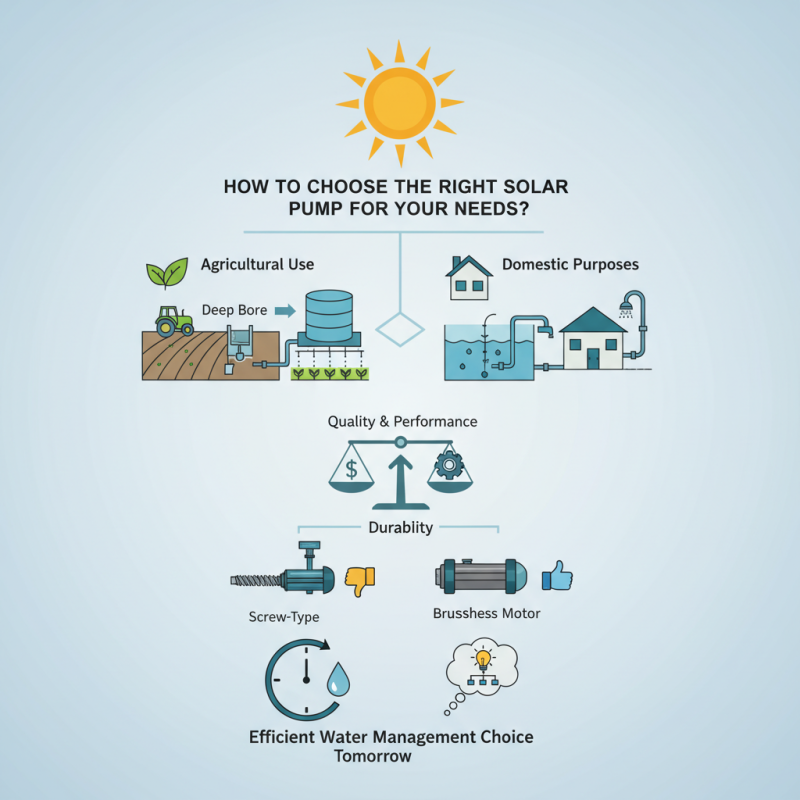
Solar-powered water pumps have become really popular lately because they’re so efficient and eco-friendly. They’re a solid choice for lots of different uses. Whether you’re looking for a solar bore pump to help out on your farm or a solar DC submersible pump for home use, having some clarity about what works best for you makes all the difference. The good news is, there are budget-friendly options too, like the DC screw type solar bore pump, that won’t break the bank.
When you’re checking out prices for solar bore pumps, it’s important to think about both how well they’ll perform and their build quality. Sometimes, going for the cheapest option might end up disappointing you pretty quickly. It’s worth weighing these things carefully. For example, brushless DC solar water pumps are often preferred because they tend to last longer and are more durable. Ultimately, figuring out what exactly you need will help guide you in making the right choice. Picking smart today means you’ll enjoy smooth, efficient water management down the line — no regrets!
Understanding Solar Pumps: Types and Their Applications
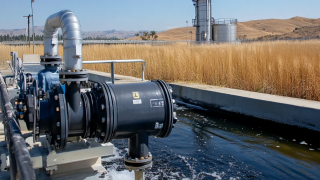
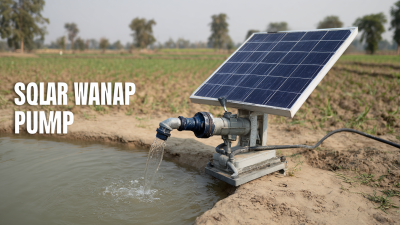
When exploring solar pumps, it's essential to know the different types available. Solar Dc Surface Water Pumps are popular for shallow water applications. They operate efficiently, drawing water from streams, rivers, or ponds without consuming electricity. Many users find their simplicity appealing. However, one must consider the quality of installation. Poor setup can hinder performance.
In contrast, submersible pumps are better for deep water sources. They work underwater, making them effective for wells. Users often overlook maintenance, leading to breakdowns. It’s crucial to check specifications before choosing. Some may not meet specific water capacity needs. Reflecting on experiences can improve decisions. Knowing your water source and requirements is vital in selecting the right pump.
Additionally, solar pump applications vary widely. They are used in agriculture, livestock watering, and even fountains. Each application has different power needs. It's easy to miscalculate your requirements. A thoughtful approach can save time and resources. Understanding these details will lead to the best choice for your situation.
Solar Pump Types and Their Applications
Assessing Your Water Needs: Flow Rate and Head Requirements
Choosing a solar pump requires understanding your specific water needs, particularly flow rate and head requirements.
Flow rate measures how much water you need over time. For instance, a small garden may require less than 1 gallon per minute, while larger applications could need several gallons per minute.
Be sure to assess your daily usage accurately. You might be tempted to overestimate this figure, but this could lead to choosing an oversized pump.
Head requirements relate to the vertical distance the water needs to be pumped. This includes not just the height from the source to the destination but also any elevation changes along the way.
A common mistake is ignoring friction losses in pipes. These can reduce your pump's overall efficiency.
To simplify, consider the total lift and friction when calculating your needs. Many users find it challenging to visualize these factors together.
When you've gathered this information, you can make a more informed choice. However, remember that installation and maintenance factors can complicate things.
Sometimes, people skip these aspects, leading to subpar performance. Taking the time to evaluate your water needs carefully pays off in the long run.
It sets the stage for an efficiently functioning solar pump tailored just for you.
Evaluating Solar Panel Specifications for Efficiency
When selecting a solar pump, the efficiency of solar panels is crucial. Panel efficiency directly impacts how well your system converts sunlight into energy. Most panels on the market range from 15% to 22% efficiency. This means a significant difference in performance. For example, a 20% efficient panel will produce almost 25% more energy than a 15% one under identical conditions.
Understanding specifications is vital. Look for panels rated by industry standards. Take note of their performance under partial shading and high temperatures. A study by the National Renewable Energy Laboratory highlights that many panels lose efficiency when exposed to heat. The ideal panels for a Surface Solar Pump For Agriculture application should maintain performance in varying weather conditions.
Installation angle and orientation can also affect efficiency. The wrong setup may lead to 10-20% energy loss. Therefore, take time to study local sun paths and adjust accordingly. While this may seem basic, many overlook these details, leading to suboptimal results. Consider conducting a financial analysis to evaluate costs and savings. It can reveal areas needing improvement, especially if you plan to operate your solar pump extensively.
How to Choose the Right Solar Pump for Your Needs? - Evaluating Solar Panel Specifications for Efficiency
| Specification |
Values |
Description |
| Power Output |
10W - 1000W |
The output power of the solar pump, influences the water discharge rate. |
| Voltage |
12V / 24V |
Determines the compatibility with solar panels and battery systems. |
| Flow Rate |
1 - 50 L/min |
The volume of water the pump can move per minute. |
| Max Head |
5 - 30 m |
The maximum height the pump can push water. |
| Material |
Stainless Steel, Plastic |
Material affects durability and suitability for different environments. |
| Efficiency |
70% - 90% |
Percentage of energy converted from sunlight to pump performance. |
Choosing the Right Battery Storage for Optimal Performance
Choosing the right battery storage is crucial for optimal performance in solar pump systems. The right battery not only stores energy but ensures your system runs efficiently. It’s estimated that about
30% of energy produced by solar panels is lost due to inefficient storage. This can be especially problematic for systems like
Surface Solar Water Pump, which require constant energy for operation.
Battery type and capacity significantly impact your system’s effectiveness. Lithium-ion batteries are gaining popularity because of their long life cycles. A study shows they can last up to
10 years with minimal degradation. On the other hand, lead-acid batteries are cheaper upfront but have a shorter lifespan and lower depth of discharge. This means you'll need to replace them more often, leading to
higher long-term costs.
Consider the daily energy needs of your application. If you run your Surface Solar Water Pump for several hours a day, your battery must meet those demands. Oversizing can lead to
wasted resources, while undersizing may cause insufficient power supply. Finding the right balance is essential for maximizing efficiency. Always evaluate your specific needs carefully to make a thoughtful decision.
Analyzing Cost vs. Benefits: Budgeting for Your Solar Pump
When considering a solar pump, budgeting is essential. Costs can vary significantly depending on size and features. A small system may cost less upfront, but it might not meet your needs effectively. Larger pumps may have a higher initial cost, yet they can be more efficient in the long run.
Analyze the benefits versus expenses. Energy savings can offset costs. Look into maintenance requirements as well. Some solar pumps require little upkeep, which can be a cost-saving factor. You might also find that higher-priced systems provide better warranties.
It's crucial to account for installation costs as well. Some setups are straightforward, while others may need professional help. A DIY installation might seem cheaper, but mistakes can lead to extra expenses. In the end, evaluating your specific needs against costs is a thoughtful process that requires careful consideration.
Installing Your Solar Pump: Key Considerations and Guidelines
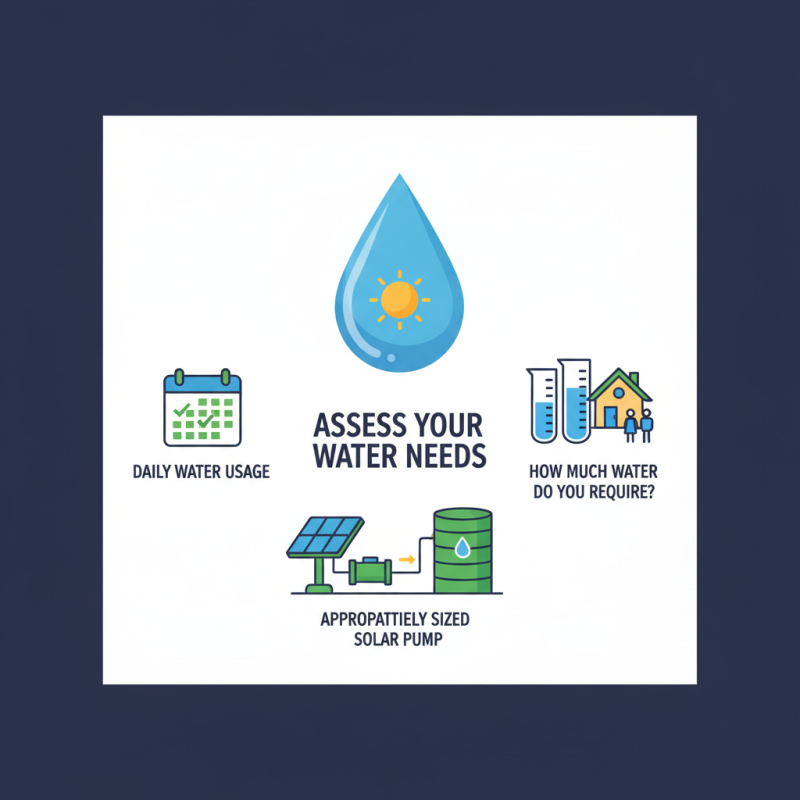
When installing a solar pump, several key considerations come into play. First, assess your water needs. Understand how much water you require daily. This will guide you in selecting an appropriately sized solar pump. Analyze the total dynamic head (TDH) of your system. This measurement combines the elevation and friction losses in pipes. If you miscalculate these factors, you may end up with a pump that either underperforms or consumes too much energy.
Placement of the solar panels is equally crucial. Ensure they receive full sunlight for optimal efficiency. Avoid shadowy areas caused by trees or buildings. Still, factors like seasonal sunlight changes can affect performance. It’s important to revisit the panel location as seasons change. Lastly, check the voltage and wiring requirements for the pump. Mistakes in this area could result in damage. Sometimes, even small wire sizes can lead to overheating. Remember that each installation scenario is unique. Consider seeking professional advice if unsure about your choices.
Maintaining Your Solar Pump: Tips for Longevity and Efficiency
Maintaining your solar pump is essential for its longevity and efficiency. Regular inspections can prevent major issues. Check connections and wiring for any signs of wear. Dust and debris can block the system, so keep the solar panels clean. A simple wipe can significantly boost performance.
Adjusting the pump’s settings based on weather conditions is crucial. If it’s too cloudy, the pump may work harder than necessary. During peak sunlight, ensure it operates optimally. A well-adjusted pump can save energy and enhance performance. For a Solar Pump For Pool applications, monitoring flow rates is vital. Low flow might indicate clogs or pump issues.
Occasionally, reflect on your maintenance routine. Are you doing enough? Small details matter. Document any issues you encounter for future reference. This practice can lead to better troubleshooting over time. Embrace the process and stay proactive in maintaining your solar pump.
Optimizing Irrigation Efficiency with the ZSHF-ADHY AC/DC Hybrid Solar-Powered Centrifugal Surface Pump
The quest for efficient irrigation has led to innovative solutions that blend sustainability with technological advancement. The ZSHF-ADHY AC/DC Hybrid Solar-Powered Centrifugal Surface Pump exemplifies this synergy, leveraging solar energy to optimize water management in agricultural settings. Designed to effectively pump large volumes of water, this system can adapt to both AC and DC power sources, ensuring reliable operation even in remote areas where traditional electricity may be unavailable.
By using solar power, this hybrid irrigation solution reduces reliance on fossil fuels while providing an eco-friendly alternative that minimizes operating costs. The centrifugal design of the pump facilitates a high flow rate, making it suitable for various agricultural applications, from crop irrigation to livestock watering. Furthermore, the dual power capabilities empower farmers to harness the energy available to them, optimizing performance and enhancing overall irrigation efficiency. As water scarcity becomes an increasing concern globally, adopting such advanced solutions becomes imperative for sustainable agricultural practices.
FAQS
: The service aims to help users with specific tasks or needs. It's designed for convenience.
Anyone looking for assistance can benefit. This includes students, professionals, and casual users.
Some features may be free. Others might require payment, depending on usage.
Users can create an account easily. Follow the prompts to complete the setup.
Customer support is available through various channels. Users may find answers in FAQs.
Yes, the service is mobile-friendly. Users can access it on smartphones and tablets.
There may be limits based on the plan chosen. Users should review their subscription details.
Users can reach out for help. Document the issue for better assistance.
Yes, the service frequently updates. Users should check for new features or changes.
User feedback is welcomed for improvement. It's essential for enhancing the overall experience.
Conclusion
Choosing the right solar pump involves a comprehensive understanding of its types and applications. Begin by assessing your water needs, specifically focusing on flow rate and head requirements, to determine the suitable pump for your usage. Evaluating solar panel specifications is crucial for ensuring efficiency, while selecting the appropriate battery storage can enhance the performance of your solar pump system.
Budgeting for a solar pump is important; analyze the cost versus benefits to ensure you make an informed investment. During installation, keep key considerations in mind to optimize the setup, and remember that maintaining your solar pump is essential for longevity and efficiency. By following these guidelines, you can effectively select and manage a solar pump that meets your specific needs.







 Mr Youkee Kong