A DC charge controller is pretty much a must-have if you're dealing with batteries in a solar power setup. Basically, it helps manage the flow of voltage and current from your solar panels, making sure the batteries get charged safely and efficiently. I read somewhere that John Carter from SolarTech Innovations mentioned, "A reliable DC charge controller is really the backbone of any solar system." Honestly, his point hits home — quality control in energy management really matters.
With renewable energy becoming more and more mainstream, it’s super important to understand how these controllers actually work. They’re the unsung heroes that prevent your batteries from overcharging and dying young. There are different kinds out there too—like PWM and MPPT controllers—each with its own level of efficiency. For example, a 20 Amp Charge Controller can handle quite a bit of solar input, which is pretty handy whether you're just powering your home or even for bigger projects.
That said, it’s worth mentioning that picking the wrong controller lengthens the learning curve—and could even damage your system. Some folks overlook how important it is to match the controller’s capacity with their system’s needs, and that’s where things can go sideways. Getting a grip on the technology, knowing its limits, and making smarter choices really pay off. Not only does this boost your system’s performance, but it also helps you become a more responsible energy user overall.

What is a DC Charge Controller?
A DC charge controller is a crucial device for solar power systems. It regulates the voltage and current coming from solar panels to charge batteries safely. This device prevents overcharging and helps prolong battery life, an essential consideration for sustainable energy use. Reports from industry analysts suggest that properly configured charge controllers can increase battery lifespan by up to 30%.
Many users overlook the importance of selecting the right controller. Ignoring compatibility can lead to inefficiencies. A controller should match the battery type and system voltage. For those with solar panels, choosing a charge controller with maximum power point tracking (MPPT) technology can significantly enhance energy capture. Data indicates that MPPT controllers can achieve efficiency rates of 95% or higher.
Regular maintenance is also vital. Inspect connections frequently to prevent corrosion and ensure optimal performance. Dust and debris can obstruct functionality, leading to reduced efficiency. Make it a habit to clean your solar panels to maximize output. Even small adjustments in setup can yield noticeable improvements. Understanding these elements can drastically enhance your overall energy management approach.
What is a DC Charge Controller and How Does it Work?
| Feature |
Description |
| Function |
Regulates voltage and current coming from solar panels to batteries. |
| Types |
PWM (Pulse Width Modulation) and MPPT (Maximum Power Point Tracking). |
| PWM Controller |
Simple and cost-effective, but less efficient. |
| MPPT Controller |
More complex, optimizing the energy harvested from solar panels. |
| Battery Types Supported |
Lead-acid, Lithium-ion, and others. |
| Overcharge Protection |
Prevents battery damage by stopping the charging process when fully charged. |
| Charge Stages |
Bulk, Absorption, and Float charging stages to optimize battery life. |
| Temperature Compensation |
Adjusts charging voltage based on temperature variations. |
Key Functions of a DC Charge Controller
A DC charge controller plays a pivotal role in managing the energy flow from solar panels to batteries. Its key function is to prevent overcharging, which can damage batteries. By regulating the voltage and current, it ensures that the batteries receive an optimal charge. A well-functioning controller can prolong battery life, making it essential for any solar energy system.
Another important function is monitoring. DC charge controllers often come with indicators or displays. Users can track battery status, energy input, and output levels. This real-time data helps in making informed decisions about energy use. However, many users overlook calibration. Regular adjustments are necessary for accurate readings. A 40 Amp Mppt Solar Charge Controller can simplify this process, adapting to varying conditions automatically.
Protection features are also crucial. Over-voltage and over-current can lead to catastrophic failures. A DC charge controller provides safety measures by disconnecting the load during extreme conditions. Yet, not all models have comprehensive protection. It's essential to evaluate options carefully. Choosing the right charge controller ensures reliability and efficiency in solar energy systems. Understanding these key functions enriches the user's experience and investment in renewable energy.
Types of DC Charge Controllers
Dc Charge Controller
s play a crucial role in solar energy systems. They manage the flow of electricity from solar panels to batteries. Proper regulation is necessary to prevent battery damage. There are several types of DC charge controllers.
The most common types include PWM and MPPT controllers. PWM (Pulse Width Modulation) controllers work by reducing the charging current when the battery is full. They are simpler and cost-effective. However, their efficiency may drop in low sunlight conditions. MPPT (Maximum Power Point Tracking) controllers, on the other hand, are more efficient. They maximize energy harvest from solar panels. This makes them ideal for larger systems or areas with variable sunlight.
When choosing a DC charge controller, consider your energy needs. Assess the type of batteries you use and their charging requirements. Remember that the right controller can significantly impact your system's performance.
You'll want to install the controller in a cool and dry place for optimal operation. Regular maintenance is key. Clean connections and check for signs of wear. This can help extend the lifespan of your system.
How DC Charge Controllers Regulate Charging
DC charge controllers are vital components in solar power systems, especially for managing battery charging. They regulate the flow of electricity from solar panels to batteries, ensuring optimal charging and extending battery life. These controllers prevent overcharging, which can lead to battery damage, and undercharging, which can reduce performance.
Industry data indicates that effective regulation can enhance battery lifespan by up to 30%. This is crucial given that a typical lead-acid battery costs between $100 and $300. A well-functioning Rv Solar Charge Controller adjusts charging rates based on battery health and environmental conditions. By using pulse width modulation (PWM) or maximum power point tracking (MPPT) technologies, these controllers can adjust voltage and current efficiently.
It’s important to note that not all charge controllers function similarly. Some might lack features that prevent over-discharge, leading to reduced energy availability. Hence, understanding the specifications and capabilities of the chosen controller is essential. Misconfigurations can lead to sub-par performance and increased costs in the long run. Properly integrated systems can yield a power efficiency rate of over 90%, yet many users remain unaware of the benefits of advanced technologies.
Benefits of Using a DC Charge Controller
A DC charge controller is crucial for managing the power flow from renewable sources like solar panels to batteries. One of its primary benefits is the prevention of overcharging. Properly regulating voltage helps extend battery life, ensuring that energy storage systems operate efficiently. According to the National Renewable Energy Laboratory, up to 20% of a battery’s lifespan can be preserved with effective charge management.
Using a DC charge controller also enhances safety. It mitigates risks associated with battery swelling and leakage. An industry report by Solar Energy International indicates that smart charge controllers can improve the performance of solar installations by as much as 30%. This increase in efficiency translates to significant energy savings over time, making it an attractive option for eco-conscious consumers.
When selecting a charge controller, consider the system voltage and load requirements. A mismatch can lead to underperformance and potential hazards. Regular system checks are essential to ensure optimal functioning. Faulty equipment can result in energy wastage and safety issues. Always prioritize models that meet recognized safety standards for your application.
Common Applications of DC Charge Controllers
DC charge controllers are essential components in solar power systems. They regulate voltage and current coming from solar panels to batteries. This regulation ensures that batteries are charged efficiently without being overcharged, which can lead to thermal runaway—a serious issue.
In residential applications, DC charge controllers are commonly used to manage solar panel systems. In 2022, about 95% of solar installations employed some form of charge controller. They help maximize battery life, increasing longevity by up to 30% according to various industry reports. In off-grid scenarios, these controllers ensure a steady power supply for homes, cabins, and remote facilities.
Industries also rely on DC charge controllers for telecommunications and electric vehicles (EVs). For telecom towers, reliable power is crucial. In 2021, nearly 40% of telecom sites utilized renewable energy sources supplemented by DC charge controllers. For EVs, they optimize battery management and performance. As the sector grows, advancements in fast-charging technology will shape future designs.
When choosing a charge controller, consider the system's capacity. Not every controller fits every use. Match the controller to the battery type for efficiency. Monitoring capabilities can significantly enhance performance tracking. Understanding unique demands helps avoid overcharging and extends battery life. Always consult technical specifications for optimal compatibility.
Maintenance and Troubleshooting Tips for DC Charge Controllers
Maintenance of DC charge controllers is crucial for optimal performance. Regular checks can prevent common issues such as overheating, poor connectivity, and incorrect voltage levels. A survey from the Solar Energy Industries Association (SEIA) shows that improper maintenance can reduce system efficiency by up to 30%. Addressing these factors early helps maintain a reliable energy source.
Troubleshooting begins with examining connections. Loose or corroded wires can hinder performance. According to a report from the International Renewable Energy Agency (IRENA), about 15% of failures in PV systems are due to wiring issues. Routine inspections of the charge controller's settings are equally important. Recently, studies highlighted that 25% of charge controller failures resulted from wrong configurations. Properly Sizing Solar Charge Controllers is vital; the controller must handle the maximum input current from the solar array without failure.
User manuals often contain valuable insights. However, not everyone reads them. Lack of knowledge can lead to mistakes in setup and maintenance. Regular training sessions for users can enhance understanding. Online forums and resources can also serve as support networks for troubleshooting challenges. Taking proactive steps ensures long-term reliability and efficiency.
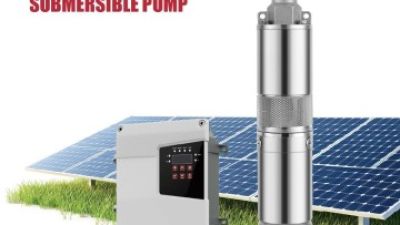
Harnessing Solar Energy: The Benefits and Features of the S3HS 3 Inch Submersible Borehole Pump with MPPT Controller
Harnessing solar energy has become a cornerstone of sustainable practices across multiple industries, particularly in the agricultural and water management sectors. The S3HS 3 Inch Submersible Borehole Pump with MPPT Controller exemplifies how modern technology can optimize solar operations. With a maximum input voltage of 110V and the ability to efficiently convert solar energy into operational power, the S3HS pump ensures consistent performance even under varying sunlight conditions. Research indicates that solar-powered pumps can reduce operational costs by up to 90% compared to traditional fuel-powered systems, making them not only environmentally friendly but also economically viable.
The unique design features of the S3HS pump, including its robust submersible construction, allow for efficient water extraction from depths that are often challenging for surface pumps. By leveraging Maximum Power Point Tracking (MPPT) technology, the pump maximizes the energy harvested from solar panels, adapting to fluctuating energy conditions to ensure optimal performance. According to industry reports, MPPT controllers can increase photovoltaic efficiency by 20-30%, which is particularly critical in remote or off-grid locations, where every watt of energy counts.
Additionally, this technology contributes to significant reductions in carbon footprints, aligning with global sustainability goals. Approximately 70% of freshwater resources are utilized for agriculture, making the integration of solar pumps critical as they provide reliable water access while reducing dependency on fossil fuels. By harnessing solar energy through advanced systems like the S3HS pump, users not only enjoy cost savings but also play an essential role in fostering a more sustainable future.
FAQS
: A DC charge controller regulates voltage and current from solar panels to batteries. It prevents overcharging and extends battery life.
Choosing the right controller is essential. It must match the battery type and system voltage for optimal efficiency.
The two common types are PWM and MPPT controllers. PWM is simpler, while MPPT maximizes energy capture effectively.
Proper charge management can extend battery life by up to 20%. This helps preserve your investment in energy storage.
Regular maintenance is necessary. Inspect connections and clean panels frequently to ensure optimal performance and reduce issues.
Install it in a cool and dry place. This helps in maintaining the efficiency and lifespan of the device.
Ignoring compatibility can lead to inefficiencies. It may cause underperformance and safety hazards in the energy system.
Dust and debris can obstruct functionality. Regular cleaning ensures maximum energy output from your solar panels.
A charge controller mitigates risks like battery swelling or leakage. It enhances overall safety in energy storage applications.
Focus on models meeting safety standards. Consider system voltage and load requirements to avoid energy wastage.
Conclusion
A DC Charge Controller is a crucial device used in solar power systems and other renewable energy applications to manage the charging of batteries from DC power sources. Its primary functions include regulating the voltage and current flowing into the batteries, preventing overcharging, and enhancing battery life. There are various types of DC Charge Controllers, such as PWM (Pulse Width Modulation) and MPPT (Maximum Power Point Tracking), each serving unique operational needs.
These controllers ensure efficient power utilization by adjusting the charging process based on the battery's state, thus providing optimal performance. The benefits of using a DC Charge Controller encompass improved battery management, increased system efficiency, and safeguarding against potential damage. Common applications range from solar energy systems to electric vehicle battery management. Regular maintenance and troubleshooting are essential for ensuring the longevity and reliability of DC Charge Controllers, contributing significantly to the overall effectiveness of energy storage solutions.

 DC SOLAR SUBMERSIBLE PUMP
 AC/DC Solar submersible Pump
 DC Solar Surface Pump
 AC/DC solar surface Pump
 Solar swimming Pool Pump
 Built-in Controller Solar Pump
 Solar Pump inverter
 Pump Accessories





 Mr Youkee Kong