Inquiry
Form loading...
0%

Lately, we've seen some pretty exciting changes in how technology is shaping agriculture — especially with the rise of DC Solar Pumps. According to a report from the International Renewable Energy Agency (IRENA), switching to solar-powered irrigation could boost farming productivity by as much as 20%. Plus, it helps cut down on reliance on fossil fuels, which is a big win for sustainability. This shift isn't just good for the planet; it also helps farmers manage water better and run their operations more efficiently, even when the weather's not cooperating. At Zhejiang Rambo Intelligent Technology Co., Ltd., we truly get how important DC Solar Pumps are in today’s farming world. We pride ourselves on offering high-quality products at affordable prices. Thanks to our innovative designs and top-notch manufacturing facilities, we’re able to stand shoulder to shoulder with some of the biggest players across the globe. Our team is all about quality, integrity, and putting our customers first — because we believe in providing smart, reliable solutions that keep up with what farmers need today and down the line.
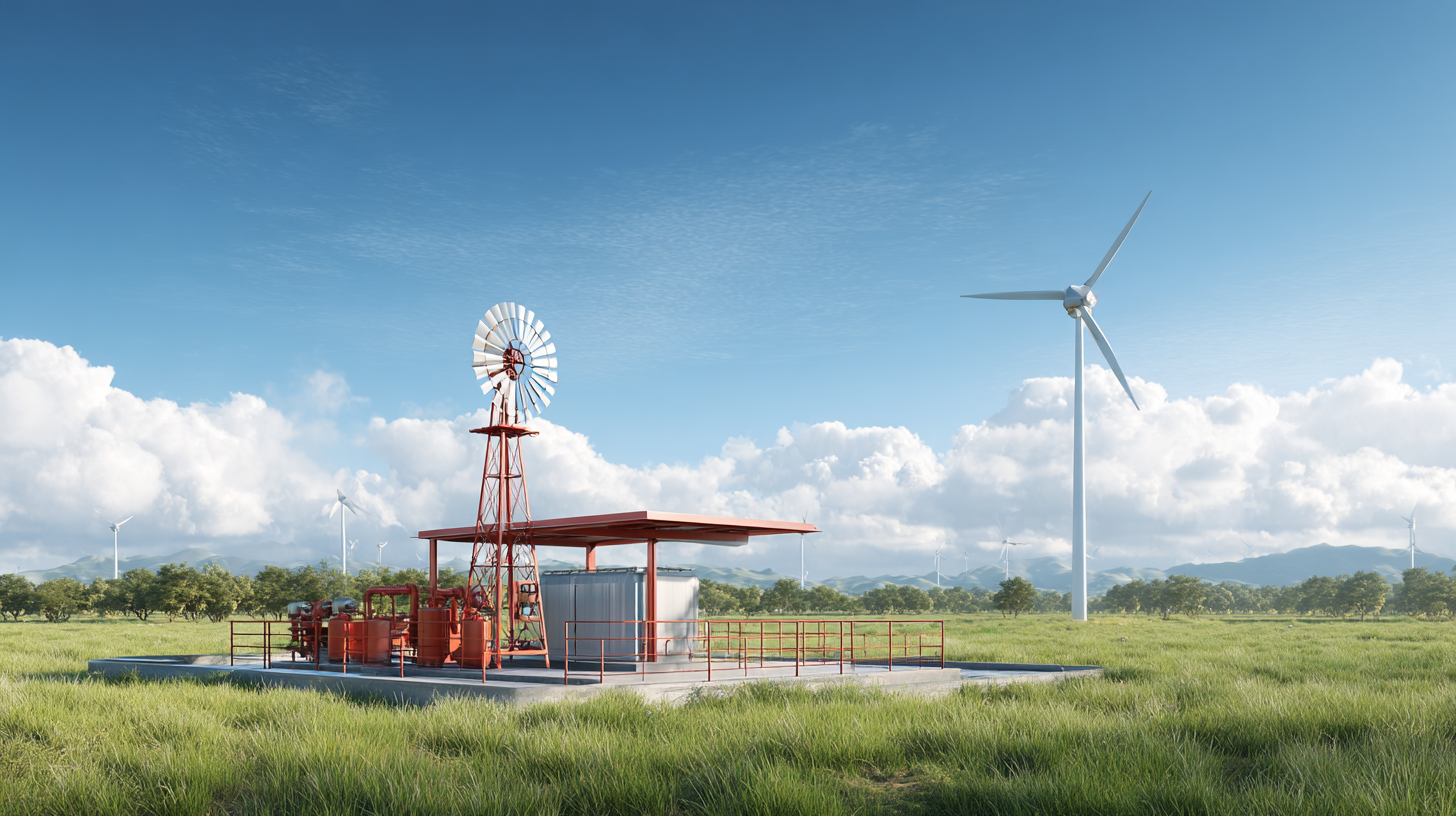
Unleashing Efficiency: How DC Solar Pumps Revolutionize Water Management in Agriculture

Understanding DC Solar Pumps and Their Mechanisms

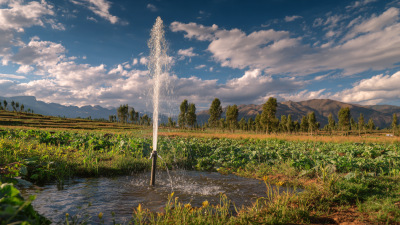
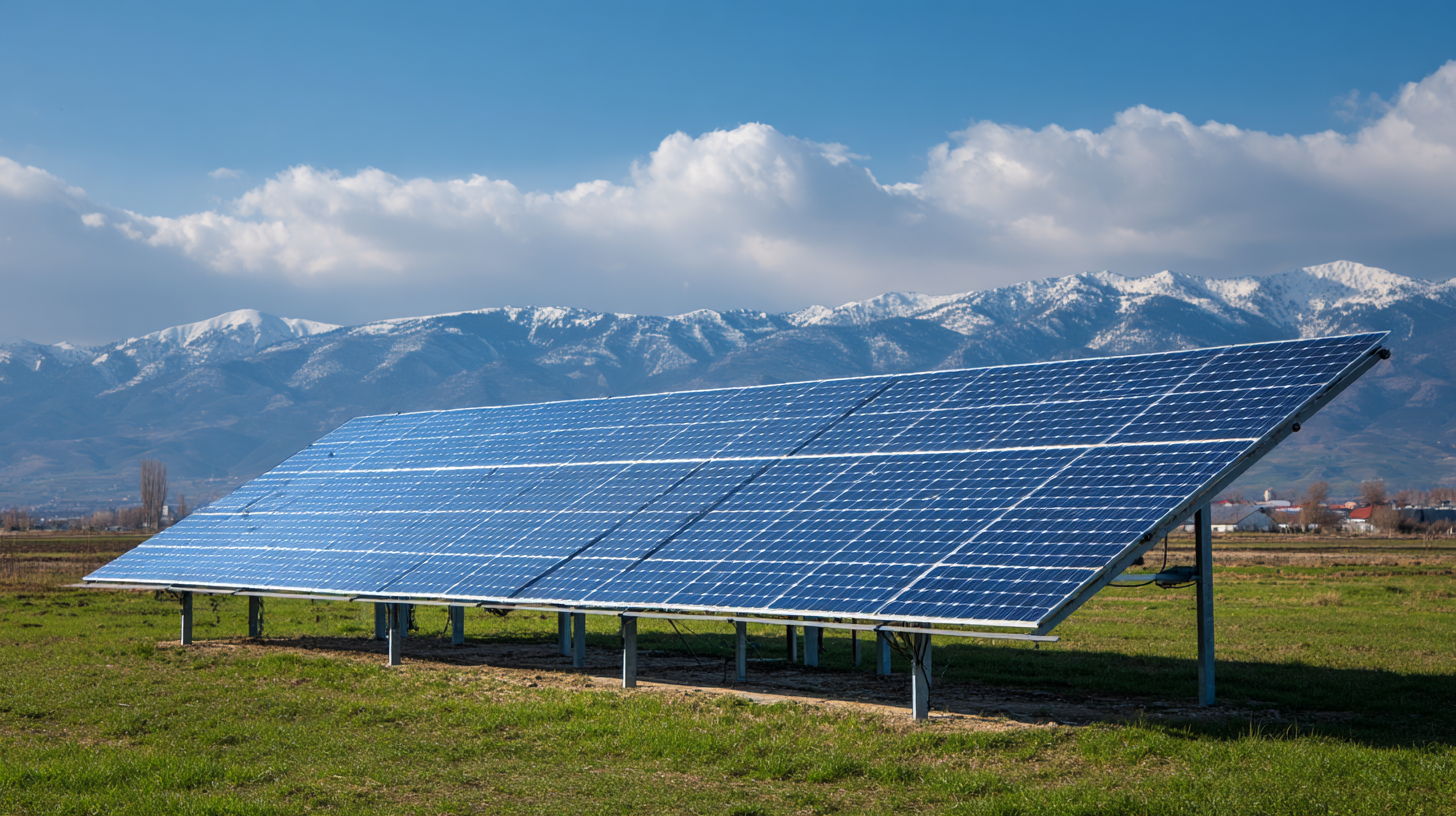
DC solar pumps are really changing the game when it comes to managing water in agriculture. Instead of relying on noisy, fuel-guzzling machines or on-grid electricity—which isn't always reliable out in the middle of nowhere—these pumps use the sun’s energy directly. Basically, they’ve got solar panels that turn sunlight into electricity, making irrigation simpler and more eco-friendly. It’s pretty cool, especially for farmers working in remote areas where power can be a real pain to access. Plus, by cutting out fuel costs and relying less on traditional energy sources, farmers can run their operations more efficiently and do their part for sustainability.

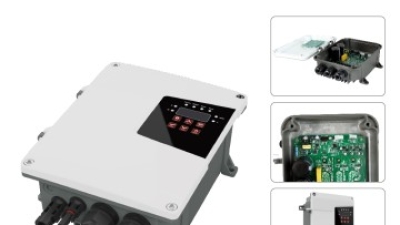
The way these pumps work is actually pretty simple. The solar panels generate direct current (DC) electricity, which then powers the pump—drawing water from wells, rivers, or reservoirs. Some of these models come with smart tech that adjusts the pump’s performance based on how much sunlight is available, meaning the water keeps flowing steadily all day long. Many even come with built-in controllers that fine-tune things like water flow and pressure, so farmers can irrigate their fields precisely without wasting water. Overall, these pumps not only help conserve water but also boost crop yields, making them a real game changer for modern farming — definitely a step forward!

Unleashing Efficiency: How DC Solar Pumps Revolutionize Water Management in Agriculture

Dimension Description Benefits Application in Agriculture
Energy Source Powered by solar energy, reducing dependency on conventional power sources. Lower operational costs and reduced carbon footprint. Irrigation systems utilizing renewable energy.
Mechanism DC motors directly drive the pump, allowing for efficient energy transfer. High efficiency and less energy loss compared to traditional pumps. Suitable for remote areas with limited electricity access.
Water Delivery Facilitates the movement of water from sources to fields. Consistent water supply enhances crop yield. Efficient irrigation practices in diverse agricultural setups.
Maintenance Requires minimal maintenance due to fewer moving parts. Reduced repair costs and downtime. Ideal for smallholder farmers with limited resources.
Scalability Can be easily scaled up or down depending on agricultural needs. Flexibility to expand operations without major investments. Applicable for both small farms and larger agricultural enterprises.

Identifying Benefits of Solar Pumps in Agriculture

Lately, solar pumps have really started changing the game when it comes to watering crops. They come with a bunch of benefits that old-school systems just can't match. For one, they can slash operational costs quite a lot. Since they run on sunlight, there's no need to buy fuel anymore, which means farmers end up saving quite a bit on fuel expenses. Plus, going solar isn't just easy on the wallet — it’s also better for the planet by cutting down on carbon emissions.

Unleashing Efficiency: How DC Solar Pumps Revolutionize Water Management in Agriculture

And let me tell you, DC solar pumps are pretty reliable too, especially out in the rural areas where electricity can be spotty or just not available. These systems don’t need to connect to the grid, so they keep the water flowing to your crops no matter what’s happening with the power grid. They’re built tough and require less maintenance, so farmers can spend more time tending their fields and less time fixing equipment. This new tech not only helps farmers produce more but also makes better use of their resources. All in all, it’s a win-win that can really boost crop yields and help with food security in the long run.

Implementing DC Solar Pumps for Efficient Water Management

You know, the use of DC solar pumps is really changing the game when it comes to watering crops. It’s a smart, eco-friendly solution that lots of farmers around the world are starting to adopt. And if you look at the numbers, the market for these solar water pumps is actually booming — expected to jump from about $841 million in 2025 to nearly $1.92 billion by 2033, growing at roughly 20% each year. It’s pretty clear this tech is catching on. Basically, these pumps run straight off sunlight, which means big savings on energy bills and reliable water’d you need for irrigation, no problem.

If you’re thinking about getting one, a couple of tips might help. First off, make sure you really understand how much water your farm needs — that way, you pick the right pump size. Also, keep in mind where you are and how much sunlight you've got. Those things really affect how well the solar pump will work.

Plus, adding DC solar pumps can make watering easier — you can irrigate whenever you want, without relying on traditional power sources or fuel. It’s worth checking if there are any government incentives or subsidies available to help cover the costs. Switching to this kind of technology isn’t just good for your farm’s productivity; it also supports more sustainable farming practices, which is pretty awesome.

Comparing Traditional Water Pumps with Solar Alternatives

For ages, farmers have been relying on those traditional water pumps powered by fossil fuels — the kind that can get pretty pricey and not exactly the most efficient. According to the International Renewable Energy Agency (IRENA), nearly half of the energy used in irrigation comes from these conventional systems. That’s a big chunk, and honestly, it adds up not just in dollars but also in greenhouse gases, which only makes climate issues worse. Now, here’s the thing — solar-powered water pumps are actually a really smart, sustainable alternative. They can help cut costs and make water management in farming way more efficient.

These solar pumps work by soaking up energy straight from the sun, and over time, they tend to save farmers a lot of money. The Food and Agriculture Organization (FAO) pointed out that investing in solar pump tech usually pays for itself within 3 to 5 years, thanks to lower energy bills and less maintenance. What’s more, they require less heavy infrastructure compared to diesel or electric options, which is a game changer for farmers working in remote areas. With more and more farms turning to solar pumps, data shows water usage can improve by up to 80%. That’s a huge leap in how irrigation is done and a big step toward more sustainable farming practices.

Unleashing Efficiency: How DC Solar Pumps Revolutionize Water Management in Agriculture

Case Studies: Successful Use of DC Solar Pumps in Farming

When you look at modern farming these days, it’s pretty impressive how much direct current (DC) solar pumps are making a difference. I mean, there’s this one vineyard in California that really took a leap—switching to DC solar pumps helped them cut costs and get way more efficient with watering their grapes. They’re making the most of all that sunshine, so they don’t have to depend so much on the electric grid. Honestly, they managed to slash their energy bills by about 30%, all while doing their part for the environment. Pretty cool, right?

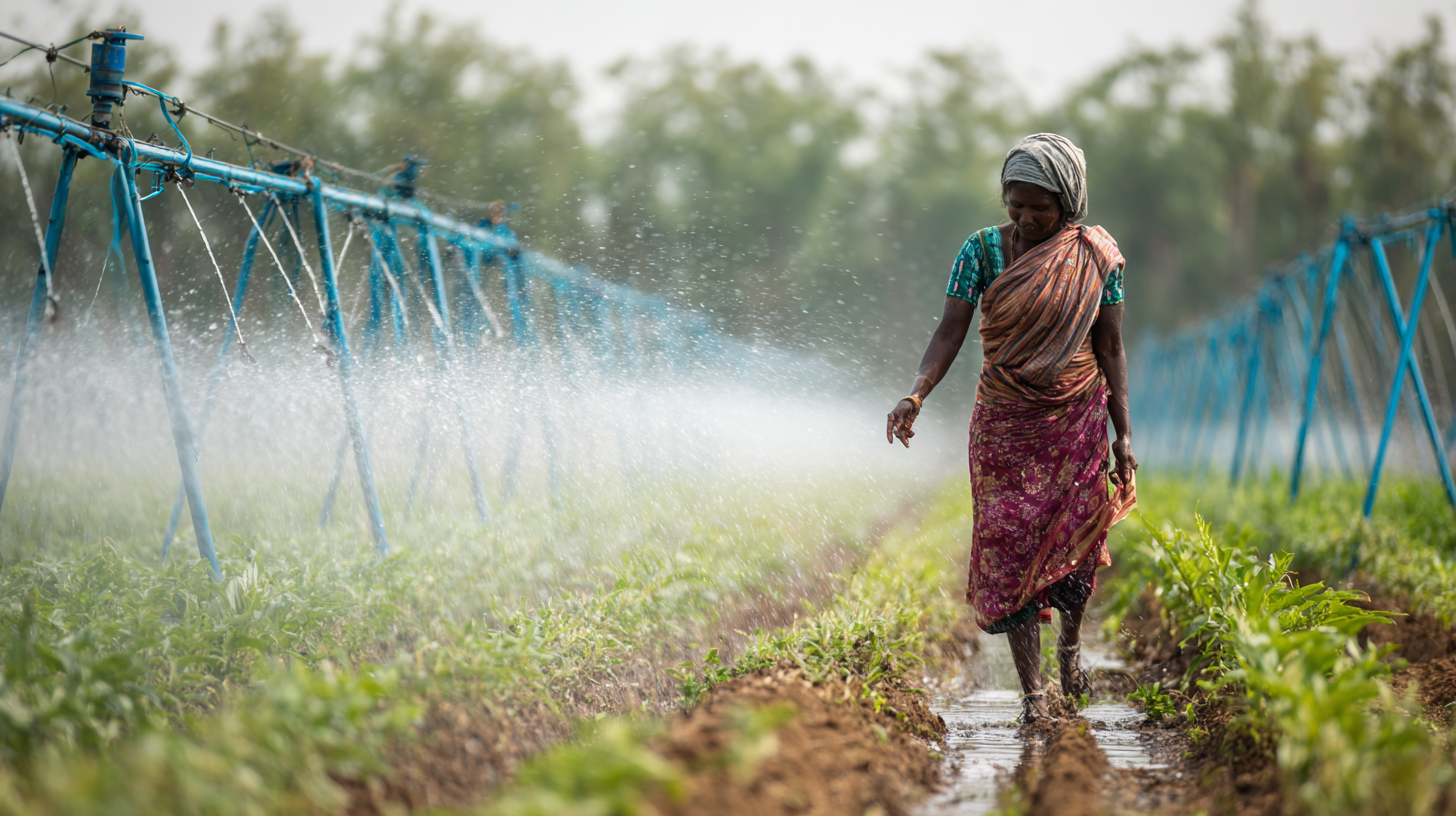
And then there’s this other story from India, where rice farmers faced serious water shortages during dry seasons. They introduced DC solar pumps to help irrigate their fields, and it was a game-changer. Not only did it boost their watering capacity, but it also gave local communities a more reliable water source.

The results? Their rice yields shot up by around 40% compared to previous years. These stories really show how DC solar pumps could totally change the game for agriculture—making it more resilient, sustainable, and less of a headache.

All in all, these examples really highlight the huge potential of solar-powered pumps in farming. It’s like a win-win situation—saving money, protecting the environment, and helping communities thrive.

Maintenance Tips for Maximizing the Lifespan of Solar Pumps

Keeping your DC solar pumps running smoothly is actually pretty important if you want to get the most out of your water management in farming. So, here are some tips that can help you extend the life of these really handy devices. First off, don’t forget to do regular checks—you know, look over the pump for any signs of wear or small issues. Catching these early can save you from bigger headaches down the line. Also, make sure your solar panels stay clean and free of dirt or debris; that way, they soak up the most sunlight possible, which directly boosts your pump’s performance.

At Zhejiang Rambo Intelligent Technology Co., Ltd., we truly get how important quality and dependability are. Our state-of-the-art facilities allow us to design and build top-notch solar pump systems that don’t just meet but often beat international standards. We’re all about focusing on our customers and sticking to ethical practices—delivering affordable solutions without sacrificing performance. By taking good care of your solar pumps, you’re not only extending their lifespan but also improving the efficiency of water use on the farm. That’s a win for farmers and the environment alike!

Unleashing Efficiency: DC Solar Pumps in Agriculture

This chart illustrates the impact of DC solar pumps on water management efficiency in agriculture over a period of 5 years. The parameters measured include water savings (in cubic meters), energy efficiency (in percentage), and crop yield increase (in tons per hectare).

Harnessing Renewable Energy: The Impact of ZRI Brushless Solar Water Pumps on Sustainable Agricultural Practices and Water Efficiency

The adoption of renewable energy sources, particularly solar power, has transformed sustainable agricultural practices and enhanced water efficiency. One of the key innovations in this field is the use of ZRI brushless solar water pumps, which are designed to harness the sun's energy effectively. These pumps provide a reliable water source for irrigation, reducing dependency on traditional energy resources and minimizing the ecological footprint associated with water distribution.

Solar-powered water pumps operate with remarkable efficiency, allowing farmers to access and distribute water in a cost-effective manner. By eliminating the need for diesel or electric-powered pumps, farmers can significantly lower their operating costs while simultaneously safeguarding the environment. The ZRI brushless solar water pumps are particularly noteworthy for their durability and low maintenance needs, ensuring a consistent performance throughout the agricultural season. As countries strive to implement more sustainable farming practices, integrating these advanced solar solutions becomes increasingly vital in promoting water conservation and maximizing agricultural productivity.

FAQS

: What are DC solar pumps and how do they function?

: DC solar pumps are irrigation systems that harness solar energy to pump water from wells, rivers, or reservoirs. They use solar panels to convert sunlight into direct current (DC) electricity, which powers the pump. These pumps can adjust their performance based on sunlight availability, ensuring a consistent water supply.

What are the advantages of using solar pumps over traditional pumps?

Solar pumps are more cost-effective and environmentally friendly than traditional diesel or electric pumps. They eliminate fuel costs, reduce greenhouse gas emissions, and save on energy and maintenance costs, typically paying off their initial investment within 3 to 5 years.

How do solar pumps contribute to agricultural sustainability?

By utilizing renewable energy, solar pumps reduce dependency on fossil fuels, lower operational costs, and improve operational efficiency. They can enhance water usage efficiencies by up to 80%, transforming irrigation practices and promoting sustainable farming.

What maintenance is required for DC solar pumps?

Regular inspections for wear and tear, and keeping solar panels clean to ensure maximum sunlight exposure are essential for maintaining the efficiency and lifespan of DC solar pumps.

Can solar pumps be used in remote areas with unreliable power sources?

Yes, one of the key benefits of solar pumps is that they are particularly suited for remote areas where conventional power sources are unreliable or unavailable, allowing farmers to easily access water.

How do integrated controllers within solar pumps enhance their performance?

Integrated controllers manage water flow and pressure, allowing for precise irrigation adjustments based on current conditions, which not only conserves water but also improves crop yields.

Are there any special considerations for farmers looking to install solar pumps?

Farmers should assess their water needs and local sunlight availability, as well as consider the lower infrastructure requirements and potential long-term savings associated with solar pump installation.

What role does Zhejiang Rambo Intelligent Technology Co., Ltd. play in solar pump manufacturing?

They design and manufacture advanced solar pump systems that meet global standards and prioritize customer orientation and ethical practices, aiming to deliver high-quality and affordable solutions for agricultural water management.

Conclusion

DC Solar Pumps are really changing the game when it comes to water management in farming. They offer a dependable, eco-friendly, and cost-effective way to handle irrigation. What’s cool is these pumps run on solar power, so farmers can basically go off-grid — no need to rely on traditional electricity, which can save quite a bit on energy bills. Plus, they make it easier to access water even in the most remote spots. Using DC Solar Pumps can boost efficiency, cut down on operational costs, and also help reduce environmental impact — pretty awesome, right?

If you look at various case studies, it’s clear that farmers who have started using these pumps are seeing big improvements in their crop yields and how they manage water. Companies like Zhejiang Rambo Intelligent Technology Co., Ltd. are really leading the charge here, offering top-notch solar pumping systems built with cutting-edge techniques and clever designs. They focus on creating solutions that actually meet farmers' needs, so these solar pumps don’t just help farmers grow better crops — they also support more sustainable farming practices all around.

Isabelle

Isabelle

Isabelle is a dedicated marketing professional at Zhejiang Lanbo Intelligent Technology Co., Ltd., where her expertise in the field shines through her work. With a deep understanding of the company's innovative products, she plays a pivotal role in conveying the brand's message and values to a......
Previous Global Insights on the Future of Dc Pump Solar Technologies in 2025