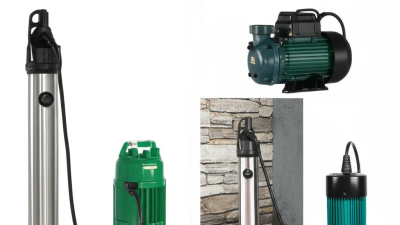
Lately, you've probably noticed that the demand for Electric Submersible Pumps (or ESPs for short) is really picking up across a bunch of different industries — from oil and gas to water supply and wastewater treatment. According to a recent report from MarketsandMarkets, the global ESP market is expected to grow pretty significantly — jumping from about $9.87 billion in 2023 to roughly $12.43 billion by 2028. That’s pretty impressive growth, and it’s mainly because ESPs are known for being efficient and reliable when it comes to moving fluids around.
If you’ve been following industry experts, you might have heard Dr. James Roberts — a real authority in fluid dynamics — say that ESPs are actually changing the game when it comes to how industries handle fluid extraction. His insights highlight some big advantages, like lower operational costs and better overall performance. Still, it’s not all smooth sailing — things like maintenance and keeping everything running smoothly are definitely important to think about if you’re in it for the long haul.
Even with all these pros, it’s super important for anyone thinking about buying an ESP to really understand what their specific needs are. Sometimes, the most expensive or high-tech model isn’t necessarily the best fit. You’ve got to consider your particular application and the environment where the pump will be used. Picking the right ESP isn’t just about grabbing what’s newest or priciest — it’s about doing a bit of homework and thinking carefully about what’s actually going to work best for you.
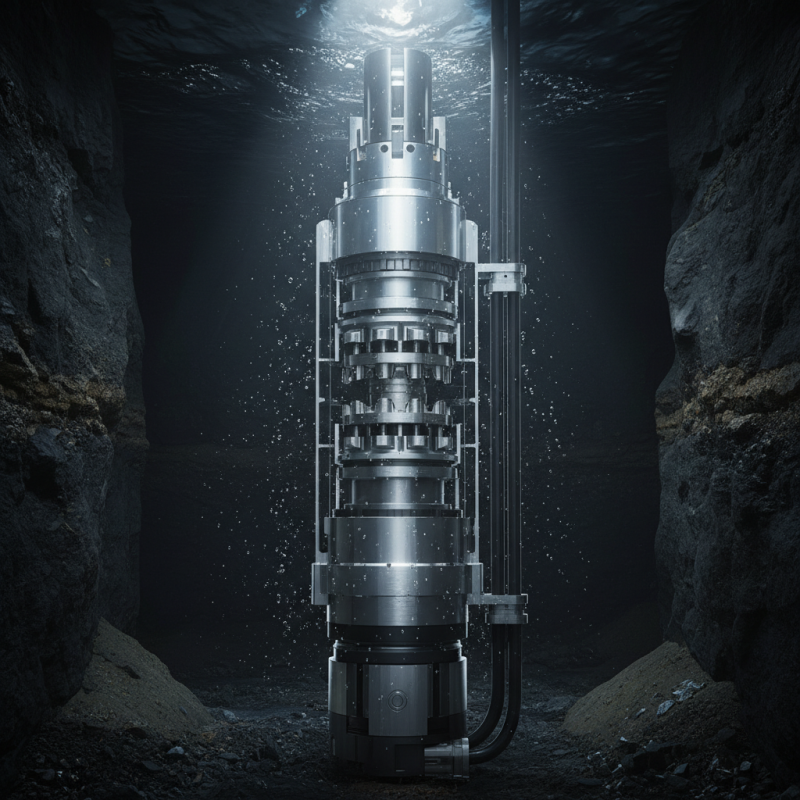
Electric submersible pumps are becoming essential in many industries today. Their design allows them to operate efficiently underground. These pumps are submerged in the fluid they are moving, providing a more straightforward and effective solution for fluid transfer. They work well in various applications, such as water supply, drainage, and sewage systems.
One key advantage is their high efficiency. Electric Submersible Water Pumps consume less energy than traditional surface pumps. This reduction in energy usage can lead to significant cost savings over time. Additionally, they are less prone to cavitation, which can damage some pumps. Reliability is another notable benefit. With fewer mechanical parts exposed to air, risks of breakdown decrease.
However, there are challenges to consider. Installation can be complex and may require professional help. Maintenance can also be challenging due to their underground location. Users should periodically inspect these pumps to ensure optimal performance. Understanding both the advantages and potential drawbacks is essential for making informed decisions.
Electric submersible pumps (ESPs) are gaining popularity for their enhanced efficiency and energy savings. These pumps are designed to work efficiently in underwater environments, making them ideal for various applications. They convert electrical energy into mechanical energy, providing a consistent performance that leads to significant energy savings. By utilizing modern motor technology, these pumps can operate at higher efficiencies, resulting in lower operational costs over time.
Tips: Always consider the specific flow and pressure requirements before purchasing an ESP. Proper sizing can greatly enhance efficiency. Regular maintenance can ensure longevity and optimal performance.
One aspect often overlooked is the energy consumption during peak usage times. Adjusting pump operation based on demand can yield additional savings. Moreover, employing energy-efficient motors can further reduce electricity costs. It's crucial to monitor energy use closely to identify patterns. Regular assessments can help pinpoint inefficiencies that can be addressed.
Investing in electric submersible pumps offers long-term benefits, but choices should be made carefully. Understand your operational needs and energy context. Responsive adjustments and accurate installations often reveal substantial savings, yet not addressing inefficiencies can lead to wasted resources. Balancing cost with efficiency should be a priority for buyers.
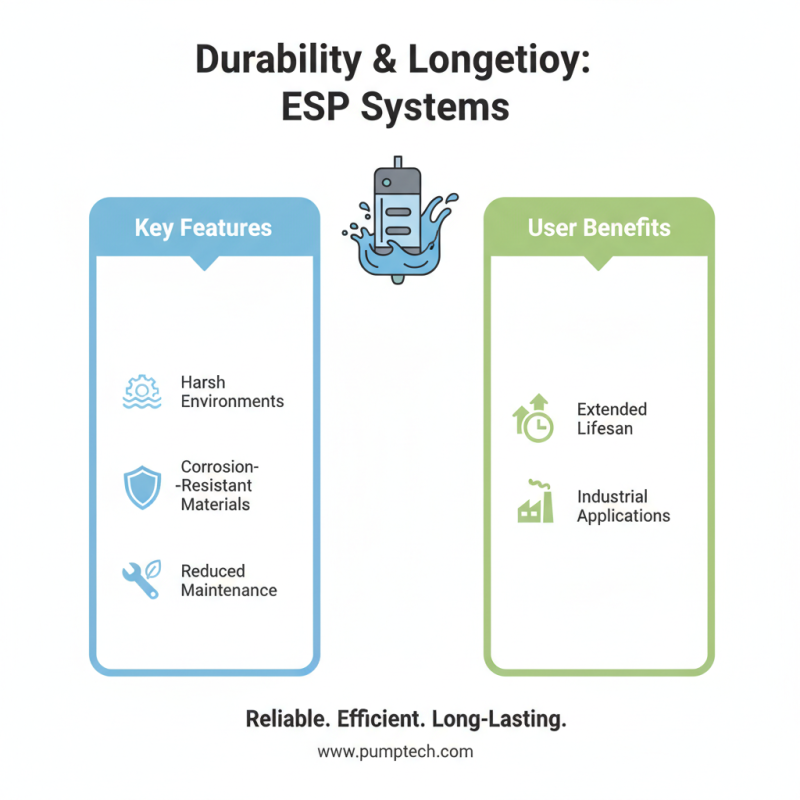
Durability is a key feature of electric submersible pump systems. These pumps are designed to withstand harsh environments. Corrosion-resistant materials enhance their lifespan significantly. Users often report reduced maintenance needs compared to traditional pumps. This can be particularly beneficial in industrial applications.
Longevity in pump systems depends on several factors. Quality of construction is paramount. Electric Submersible Water Pump Manufacturers prioritize robust designs that can handle high pressures. Additionally, regular maintenance can prolong pump life. Even well-made pumps can fail if neglect occurs. It's important to establish a maintenance schedule.
Some installations may reveal unexpected challenges. For instance, improper sizing can lead to premature failure. Users must choose the right pump for their specific needs. Investing in a pump system means considering both initial costs and long-term reliability. Ultimately, a durable electric submersible pump can provide value over its operational lifetime.
Electric submersible pumps are essential tools across various industries. They are versatile, highly functional,
and adaptable to different environments. From agriculture to oil extraction, these pumps play a critical role.
In agriculture, they efficiently draw water from deep wells, ensuring crops receive adequate moisture. In
construction, they help manage groundwater levels, creating safer working conditions.
Their adaptability is impressive. Electric submersible pumps can operate in harsh conditions, managing
not just water but other fluids as well. This versatility is appealing to many sectors. An
Electric Submersible Water Pump Manufacturer
understands these needs and designs products to handle diverse applications.
However, challenges remain. Not all pumps perform equally in every situation. Users must assess their specific
requirements carefully. Understanding the pump's limitations is crucial. Over time, the right electric
submersible pump can lead to significant efficiencies and cost savings. Yet, awareness of potential risks is
vital for successful implementation.
Electric submersible pumps (ESP) offer significant cost-effectiveness for various sectors. Their ability to operate submerged reduces installation costs and energy consumption. They are particularly valuable in oil and gas industries, minimizing operational downtime. The pumps' efficiency often results in lower maintenance expenses over time. Buyers see a promising return on investment due to these advantages.
Investors must consider the initial costs. While ESPs can be pricey upfront, their long lifespan often mitigates this. Effective planning and careful supplier selection enhance reliability and overall performance. However, improper installation can lead to failures and increased costs. This highlights the importance of experienced professionals during setup and maintenance phases.
Understanding the local environment also plays a critical role. Factors like temperature and substrate affect pump performance and lifespan. Buyers may need to conduct feasibility studies to ensure that selected pumps are appropriate for their unique conditions. This deeper analysis can prevent wasted resources and improve long-term outcomes.
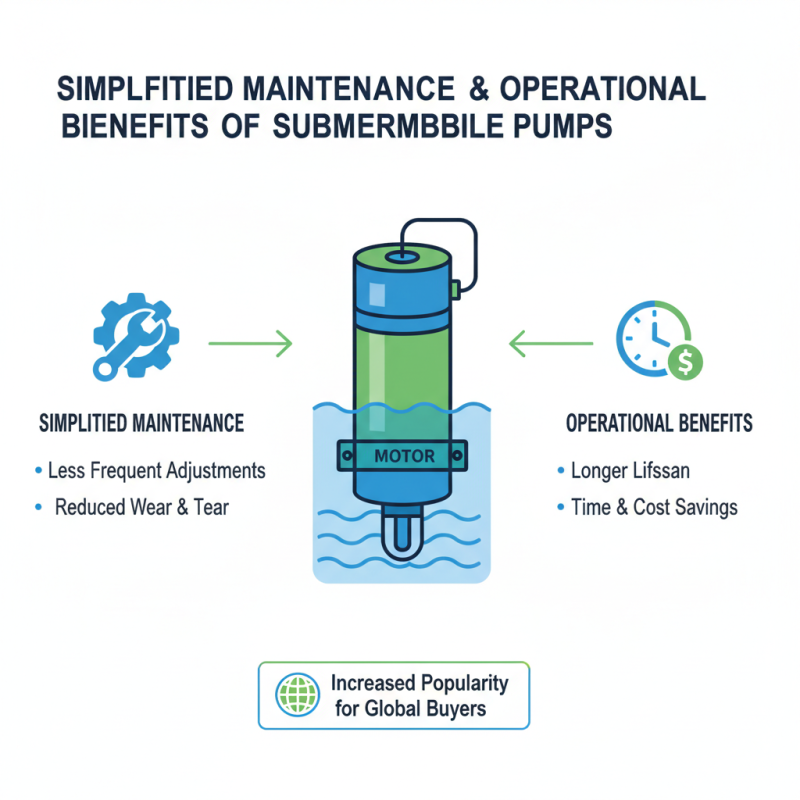
Submersible pumps are increasingly popular due to their numerous operational advantages. One significant benefit is simplified maintenance. Unlike surface pumps, submersible pumps sit deep in the water, reducing the need for frequent adjustments. Their design minimizes wear and tear, leading to longer lifespans. This can save time and reduce costs for global buyers.
Maintenance tips include regularly checking seals for wear. This can prevent leaks and extend the pump's lifespan. Additionally, keep the pump clear of debris to ensure efficient operation. Consider scheduling periodic inspections. This proactive approach can help identify issues before they escalate.
Operational benefits also stand out. Submersible pumps can handle various fluid types, making them versatile for different applications. They operate quietly, which is a plus in urban areas. However, it’s important to monitor performance metrics regularly. A decline in efficiency might indicate a need for maintenance or replacement. Embracing this reflective approach can enhance operational reliability.
Electric submersible pumps (ESPs) are increasingly popular due to their efficiency. However, their environmental impact is a critical consideration. These pumps can reduce energy consumption, which is positive for the planet. Yet, over-extraction of groundwater can lead to issues such as habitat destruction. It's essential for buyers to consider these factors before making a decision.
When utilizing High-Quality Electric Submersible Water Pumps, attention must be paid to water usage. Sustainable practices should be a priority. This means assessing application locations and potential ecological effects. Community feedback is also vital in this process. Every project impacts the environment differently.
While these pumps offer significant advantages, there are challenges. Over-reliance on them can harm local ecosystems. It's essential to monitor their use and adjust accordingly. Impacts on wildlife and vegetation must not be overlooked. Engaging with environmental experts can provide valuable insights. Responsible use of ESPs is not just a choice; it's an obligation.
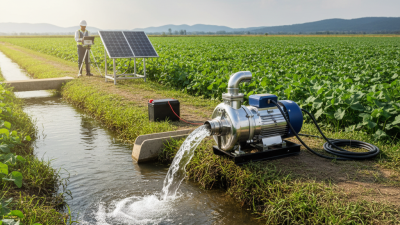
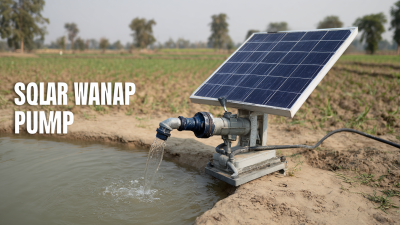
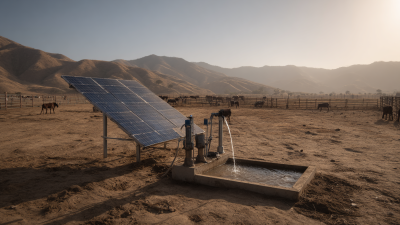
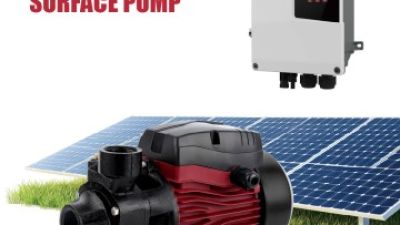
Harnessing solar energy has emerged as a revolutionary solution for sustainable drinking water accessibility, especially in remote areas where traditional water infrastructure is lacking. The SSQB solar-powered peripheral surface pump exemplifies this innovation by utilizing renewable energy to extract clean water from surface sources, thereby reducing reliance on fossil fuels. According to the International Energy Agency, over 2 billion people globally live in water-stressed regions, highlighting the urgent need for efficient and sustainable water pumping solutions.
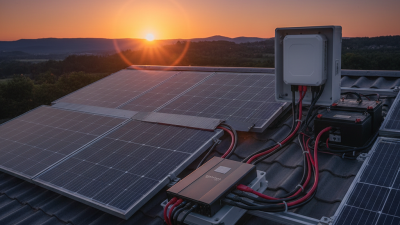
The benefits of solar-powered systems extend beyond energy savings; they also provide a more resilient water supply. With the ability to operate independently of the electric grid, solar-powered pumps ensure consistent water availability, even in areas prone to power outages or inconsistent electricity supply. A report from the World Bank indicates that implementing solar-powered water systems could significantly lower operational costs and improve access to water for agricultural, domestic, and sanitation uses, thereby enhancing overall community health and productivity.
Additionally, the reduced carbon footprint associated with solar energy harnessing contributes to the fight against climate change. By investing in solar technologies like the peripheral surface pump, communities can move towards a sustainable future, ensuring both environmental conservation and access to life’s most essential resource. As the demand for sustainable solutions grows, solar-powered water pumps stand out as a critical component in addressing global water challenges while promoting an eco-friendly approach.
: ESPs convert electrical energy into mechanical energy and work efficiently underwater.
Proper sizing improves efficiency, ensuring the pump meets specific flow and pressure requirements.
Adjusting pump operation based on demand can yield significant savings during peak usage times.
Improper installation can lead to failures, increased costs, and wasted resources.
Factors like temperature and substrate can impact pump performance and lifespan.
Regular maintenance ensures longevity and optimal performance, preventing inefficiencies.
Yes, over-reliance can lead to habitat destruction and negatively affect wildlife.
Community input helps assess ecological effects and promotes sustainable water usage.
Possible environmental harm stems from over-extraction and not monitoring use.
Experts provide insights that can foster responsible use and minimize negative impacts.
Electric Submersible Pumps (ESPs) offer a range of compelling advantages that make them a top choice for global buyers across various industries. One of the primary benefits of ESPs is their enhanced efficiency, which not only leads to significant energy savings but also contributes to lower operational costs. Their durability and longevity ensure that they can withstand harsh conditions, making them a reliable solution for long-term applications.
Furthermore, the versatility of Electric Submersible Pumps allows them to be used in diverse sectors, from agriculture to wastewater management, without compromising performance. Buyers also appreciate the cost-effectiveness and favorable return on investment that ESPs provide. Additionally, the simplified maintenance requirements and operational benefits, paired with their positive environmental impact compared to traditional pumping systems, make Electric Submersible Pumps an excellent choice for sustainable operations. Overall, ESPs represent a sound investment for buyers seeking efficient and robust pumping solutions.