Inquiry
Form loading...
0%

You know, with everyone talking about sustainable solutions these days, the solar aeration pump has really come to the forefront as a key tool for improving water quality. It's being used in all sorts of areas, like aquaculture and wastewater treatment, which is pretty cool. A report by Grand View Research even says that the global solar pump market is set to hit about 2.92 billion dollars by 2025! That's mainly because people are looking for greener energy options.
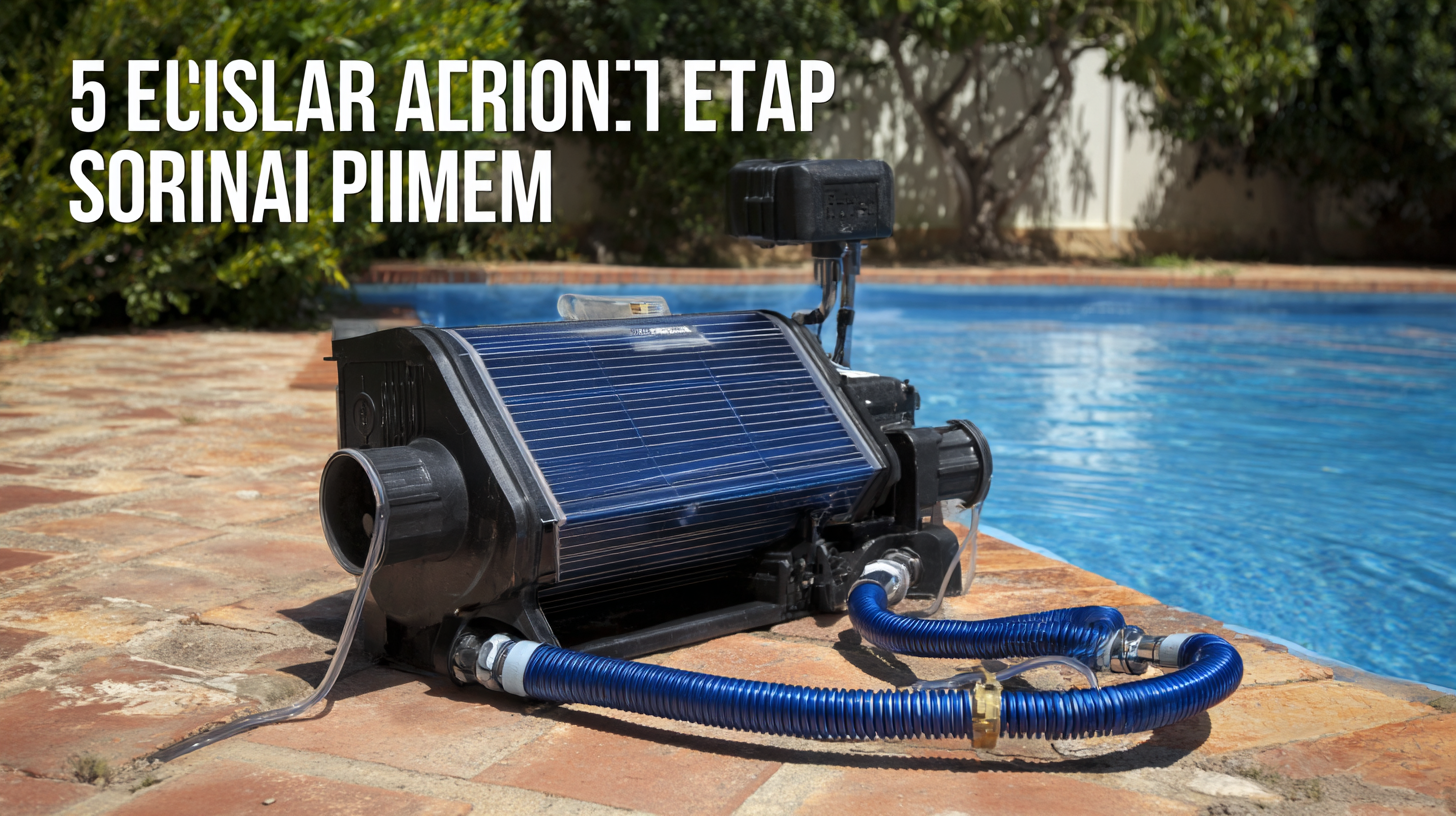
5 Essential Tips for Choosing the Best Solar Aeration Pump for Your Needs

Here at Zhejiang Rambo Intelligent Technology Co., Ltd., we're all about providing high-quality yet affordable solar aeration pumps that meet global standards. Thanks to our top-notch production facilities and some pretty innovative designs, we’re able to stand toe-to-toe with other big names in the industry. We really focus on quality, ethics, and putting our customers first because we believe our pumps should boost efficiency and also be good for the environment. Honestly, they're a smart investment for businesses and communities everywhere!

Understanding Solar Aeration Pumps: How They Work and Their Benefits

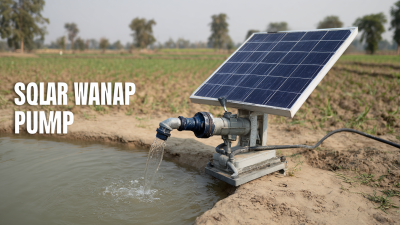
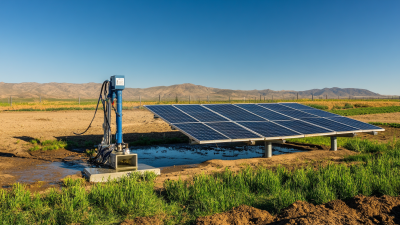
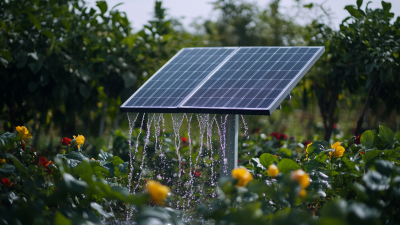
You know, solar aeration pumps are pretty cool little gadgets that tap into the sun’s energy to boost oxygen levels in ponds, lakes, and all sorts of other water bodies. It’s amazing how these pumps use renewable solar power to help out aquatic life. So, here’s how it works: those solar panels soak up sunlight, which they then turn into electrical energy. That energy goes on to power the pump, which sends air through a diffuser system that’s underwater. Because of that, you get this constant stream of oxygen-rich air flowing in, which is super beneficial not just for fish and other critters living in the water, but it also helps break down organic gunk, improving the overall water quality too.
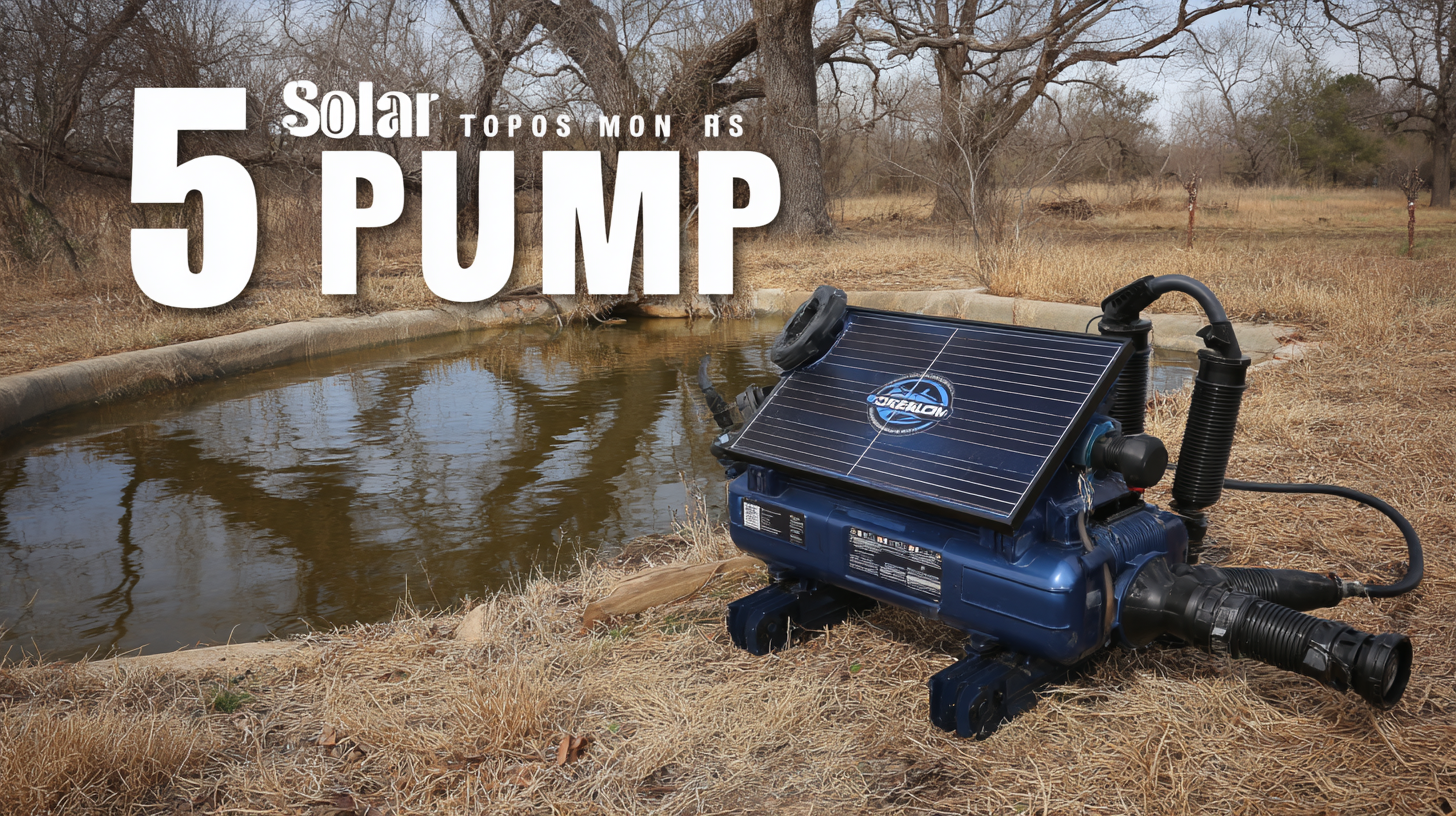
5 Essential Tips for Choosing the Best Solar Aeration Pump for Your Needs

But wait, there’s more! The perks of these solar aeration pumps aren’t just about being eco-friendly. They tend to be energy-efficient and low maintenance, so they’re pretty budget-friendly for pond owners like you. Plus, since they cut down on the need for traditional power sources, you actually save quite a bit of money in the long haul. And the best part? You don’t need to mess with complicated setups or electrical connections to get them going, which means they can easily be put in place even in remote spots. All in all, if you get a grip on how solar aeration pumps work and their many benefits, you’ll be well-equipped to pick the right one to jazz up your water ecosystem.

Key Features to Consider When Choosing a Solar Aeration Pump

So, when you're on the hunt for the perfect solar aeration pump that fits your needs, there are a few important features you really want to think about. First off, take a good look at the pump's airflow rate, which is usually measured in liters per minute. A pump with a higher airflow rate can do wonders for the quality of aeration, making for a healthier environment for fish and plants in your pond or water feature. Depending on how big your pond is, you’ll want to find a pump that can pump out enough oxygen to keep everything thriving.

Now, another biggie to consider is the size and wattage of the solar panel. Generally, a larger panel that packs more wattage is going to catch more sunlight, which means it’ll keep working well, even when the skies are a bit gloomy. Plus, don’t forget about the materials used in both the pump and the panel. You’ll want to go for something that’s tough and can handle whatever Mother Nature throws at it—this will definitely help your investment last longer.

Oh, and before you make a choice, check for any user-friendly features. Things like adjustable settings or an easy setup can really make your life a lot easier when you start using your new solar aeration pump.

5 Essential Tips for Choosing the Best Solar Aeration Pump for Your Needs - Key Features to Consider When Choosing a Solar Aeration Pump

Feature Considerations Importance Rating (1-5) Examples
Solar Panel Efficiency Higher efficiency panels provide better performance in low light conditions. 5 Monocrystalline, Polycrystalline
Battery Backup Consider models with sufficient battery capacity for nighttime and cloudy days. 4 Lithium-ion, Lead-acid
Air Output Rating Ensure the pump can provide adequate aeration for your pond size. 5 100L/h, 400L/h
Durability and Build Quality Look for weather-resistant materials and robust construction. 4 Plastic, Stainless Steel
Ease of Installation Choose systems that are user-friendly and come with clear instructions. 3 Plug-and-play systems

Comparing Different Types of Solar Aeration Pumps on the Market

So, when you're checking out solar aeration pumps, it's super important to know the different types out there. You've basically got two main players: diaphragm pumps and piston pumps, and each has its own perks. Diaphragm pumps, for instance, are pretty great at moving water efficiently and consistently. They can push about 0.8 to 3.0 cubic feet of water per hour, which isn't too shabby! And get this—a 2022 industry report showed that these pumps can be as much as 90% energy efficient! That makes them a go-to option for folks who want to go green at home.

Now, if you’re looking at piston pumps, they’ve got this cool advantage of delivering higher pressure. They’re perfect for bigger ponds or if you're trying to aerate something deeper. You’ll typically see their flow rates ranging from 2 to 10 cubic feet per hour, which gives you a bit of flexibility based on what you need. A recent 2023 survey from the Renewable Energy Association pointed out that solar-powered piston pumps are really gaining popularity, thanks to their versatility and how well they do in all sorts of weather conditions.

So, getting your head around these differences can really help you pick the right solar aeration pump that fits your specific needs, while also making sure you're doing your bit for the planet!

Evaluating Performance: Flow Rate and Efficiency in Solar Pumps

So, if you’re thinking about getting a solar aeration pump, one of the first things you really need to look at is performance—especially the flow rate and how efficient it is. The flow rate, which you’ll see measured in gallons per minute (GPM), tells you how much water the pump can actually move around. For your pond or water feature to breathe easy, you'll want a pump with a flow rate that fits just right for its size. A pump that can't move enough water is gonna leave you with some stagnant spots, while one that’s way too powerful might stir things up too much for the fish and plants.

Another big thing to consider is how efficient the solar panels are in your pump system. More efficient panels do a better job of turning sunlight into energy, which means your pump can keep chugging along, even on those not-so-sunny days. Ideally, you want to find pumps that have panels with at least 15% efficiency for steady performance. Also, don’t forget to check for things like inverters or battery storage; these can really bump up efficiency and let the pump work even when the sun’s not shining.

As you’re checking out different options, make sure to compare what the manufacturers say with actual user reviews and performance tests. This way, you’ll get a better idea of which solar aeration pumps really do deliver on those flow rates and efficiency claims. Keeping these factors in mind will help you pick a pump that not only meets your aeration needs but also plays nicely with your aquatic ecosystem.

Cost Analysis: Budgeting for Your Solar Aeration Pump Investment

So, if you're thinking about getting a solar aeration pump, you've really got to pay attention to your budget. I came across a 2022 report from the National Renewable Energy Laboratory (NREL), and they mentioned that typically, these solar aeration systems will set you back anywhere from $500 to $2,500. Of course, this depends on the pump's capacity and how efficient the solar panels are. Don’t forget to include installation costs and any extra bits and pieces you might need—those can add another 15 to 25% to what you're planning to spend.

And here’s something to keep in mind: there are some serious long-term savings to consider. A study from the U.S. Department of Energy pointed out that solar-powered systems can save you up to 60% on energy bills compared to those good old electric aeration pumps. If you think about it, over time, these savings can really help balance out the initial costs, making it a smart choice for a lot of pond owners and aquaculture folks. So, getting a grip on these financial details can really help you make the best decision for your needs and budget.

User Reviews and Recommendations: What Customers Are Saying

When it comes to selecting the best solar aeration pump for your needs, the insights and experiences of other users are invaluable. Customer reviews often highlight crucial aspects that manufacturers may overlook, such as ease of installation and operational efficiency. According to a recent industry report, 78% of users choose aeration pumps based on performance ratings, emphasizing the importance of real-world testing and verified customer feedback. Many customers recommend evaluating parameters such as energy consumption and noise levels, as these can significantly impact both cost-effectiveness and the overall environment.

Another critical factor is the pump's durability and warranty. A survey indicated that products with a warranty of three years or more tend to have higher customer satisfaction rates. Most users express their irritation when pumps fail prematurely, leading to unexpected repairs and costs. Therefore, selecting a solar aeration pump from a brand with proven reliability and a comprehensive warranty can mitigate these issues. Overall, by considering user reviews and recommendations alongside technical specifications, you can find a solar aeration pump that effectively meets your needs while ensuring longevity and efficiency.

5 Essential Tips for Choosing the Best Solar Aeration Pump for Your Needs

FAQS

: What are solar aeration pumps and how do they work?

: Solar aeration pumps are devices that use solar energy to increase oxygen levels in water bodies. They harness sunlight through solar panels, converting it into electrical energy to power a pump that drives air through a submerged diffuser, promoting natural aeration.

What are the primary benefits of using solar aeration pumps?

The benefits include eco-friendly operation, energy efficiency, minimal maintenance, cost savings over time, and ease of installation, especially in remote areas without electricity connections.

How should I choose the right solar aeration pump for my needs?

Consider key features such as airflow rate, solar panel size and wattage, material durability, and user-friendly design. Ensure the pump delivers adequate oxygenation based on your pond size and conditions.

What is the significance of airflow rate in solar aeration pumps?

The airflow rate, measured in liters per minute, determines the pump's aeration quality. A higher airflow rate improves oxygen levels, promoting healthier aquatic life in ponds and water features.

What types of solar aeration pumps are available on the market?

The two primary types are diaphragm pumps, known for efficiency and reliability with flow rates of 0.8 to 3.0 cubic feet per hour, and piston pumps, which provide higher pressure and flow rates from 2 to 10 cubic feet per hour.

Why are diaphragm pumps popular among homeowners?

Diaphragm pumps are favored for their high energy efficiency, achieving up to 90%, making them a sustainable choice for enhancing oxygen levels in water bodies.

What advantages do piston pumps offer?

Piston pumps are advantageous for larger water bodies or deeper aeration needs due to their higher pressure and versatile performance in varied environmental conditions.

How do solar aeration pumps impact water quality?

By supplying oxygen-rich air, solar aeration pumps help sustain aquatic life and improve the breakdown of organic matter, leading to better overall water quality.

Are solar aeration pumps easy to maintain?

Yes, solar aeration pumps generally require minimal maintenance, which contributes to their cost-effectiveness over the long term.

Can solar aeration pumps be installed in remote areas?

Yes, their operation does not require complex infrastructure or electricity connections, allowing for straightforward installation in remote locations.
Isabelle

Isabelle

Isabelle is a dedicated marketing professional at Zhejiang Lanbo Intelligent Technology Co., Ltd., where her expertise in the field shines through her work. With a deep understanding of the company's innovative products, she plays a pivotal role in conveying the brand's message and values to a......
Previous Global Insights on the Future of Dc Pump Solar Technologies in 2025