In today’s competitive market, picking the right surface pump isn’t just a detail — it’s a big deal for making sure your operations run smoothly and dependably. With new pumping tech popping up all the time, it’s more important than ever to base your choice on real performance points, like efficiency ratings, to get the most bang for your buck. Here at Zhejiang Rambo Intelligent Technology Co., Ltd., we take pride in offering top-quality surface pumps that hit global standards but are still budget-friendly. Thanks to our cutting-edge facilities and innovative designs, we’re able to stand tall among the industry giants — all while staying committed to quality, integrity, and putting our customers first.
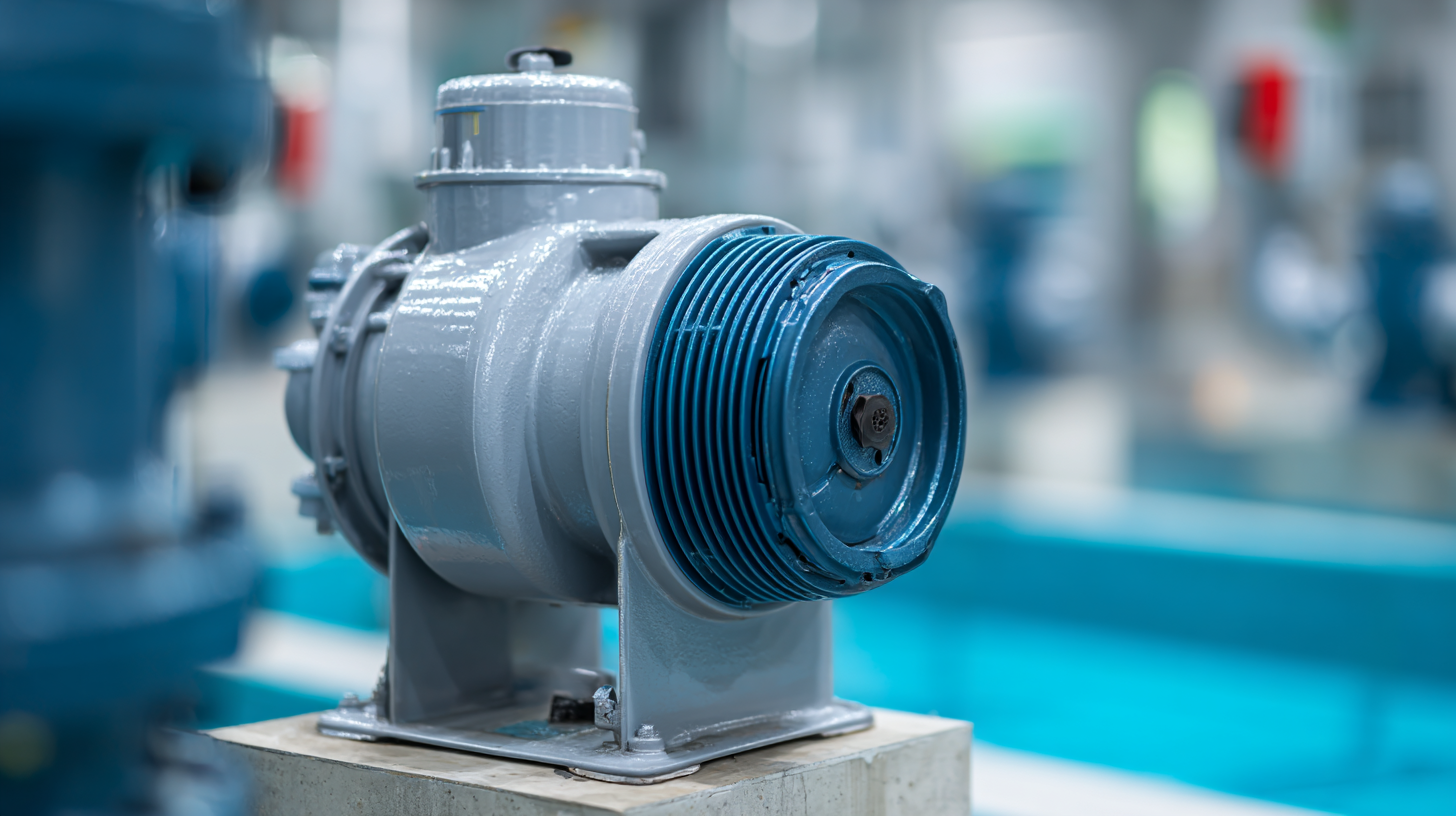
In this blog, I’ll share ten essential tips to help you pick the perfect surface pump, especially focusing on the really important goal of hitting at least 95% efficiency. Whether you’re a seasoned pro or just starting out, these tips will help you make smarter buying decisions so you can boost your operations with confidence.
Understanding Surface Pump Efficiency Ratings and Their Importance
When you're choosing the right surface pump, it’s really important to get a good grip on its efficiency ratings. Recent research shows that pumps with about 95% efficiency can actually save quite a bit on energy and overall operating costs. For example, if you look at a comparison of solar water pumping systems, you'll find that achieving higher efficiency really depends on things like the location and how the pump is designed. So, those efficiency numbers aren’t just random stats—they actually translate into serious savings and environmental perks.
But it’s not just about the ratings—how the pump is built makes a big difference, too. Studies on mixed-flow pumps show that the shape of the blades, especially at the front edge, can impact not only how well the pump works but also how the water flows inside it. When you match a well-designed pump with high efficiency, you get more water output — which is a game-changer for farms that need a steady supply. Using these smarter designs is a step toward better energy management in farming and lines right up with the movement toward renewable energy in sectors that use a lot of resources.
Key Factors to Consider When Selecting a Surface Pump
Hey there! When you're picking out a surface pump, one of the biggest things you'll want to look at is its efficiency rating. The Hydraulic Institute points out that pumps running at 95% efficiency or higher can really cut down on energy use—that means lower bills and a smaller carbon footprint. Plus, higher efficiency doesn’t just save you money; it also means the pump performs better overall, handling bigger flow rates without gobbling up extra energy. Pretty neat, right?
Another thing to keep in mind is what you'll actually be using the pump for. Different jobs—like farming, factory processes, or city water supply—need specific types of pumps to work properly. The American Society of Agricultural and Biological Engineers (ASABE) warns that picking the wrong pump can lead to problems like inefficiencies or even system breakdowns. So, it’s smart to factor in stuff like the nature of the fluid, how much flow you need, and the overall head height to make sure you get it right. And don’t forget about what the pump’s made of! Especially in harsh, corrosive environments, materials like stainless steel or special alloys can really extend the life of your pump and keep things running smoothly for the long haul.
10 Essential Tips for Choosing the Right Surface Pump Based on 95 Percent Efficiency Ratings - Key Factors to Consider When Selecting a Surface Pump
| Key Factor |
Description |
Typical Efficiency (%) |
Application Best Fit |
| Pump Type |
Determine whether you need a centrifugal or positive displacement pump. |
85-95 |
Water Supply, Irrigation |
| Flow Rate |
Assess the volume of water needed to ensure adequate supply. |
80-90 |
Agricultural Irrigation, Fire Protection |
| Head Height |
Consider the vertical distance the pump must move the water. |
90-94 |
Well Water, Water Delivery Systems |
| Material Selection |
Select a pump made from materials compatible with the fluids being pumped. |
85-95 |
Chemical Processing, Wastewater Management |
| Power Source |
Choose between electric, diesel, or solar-powered pumps according to availability. |
85-92 |
Remote Areas, Agricultural Fields |
| Pump Size |
Ensure the pump size matches the borehole or installation requirements. |
90-93 |
Construction, Municipal Water Supply |
| Maintenance |
Consider the ease of maintenance and availability of parts. |
92-95 |
Long-Term Operations, Industrial Use |
| Pump Efficiency |
Higher efficiency can reduce energy costs and environmental impact. |
95 |
All Applications |
| Smart Technology |
Look for pumps with digital controls or remote monitoring features. |
90-95 |
Smart Irrigation, Automated Systems |
Comparing Different Types of Surface Pumps for Your Needs
When you're trying to pick out a surface pump, it’s pretty important to get a good handle on the different types out there. The market’s got a whole bunch—think jet pumps, centrifugal pumps, diaphragm pumps—you name it. For example, jet pumps are spot-on if you're dealing with deep wells and need something that can handle some serious demands. Centrifugal pumps, on the other hand, are great for surface water stuff—fast flow rates and efficiency are their jam. And if you're after something that’s reliable, low-maintenance, and can work with different kinds of fluids, then diaphragm pumps might be your best bet.
It’s a smart idea to compare these pumps based on how efficient they are and how they perform in real-life conditions. Like, centrifugal pumps usually give a steady flow no matter what, but they might not be the best for really high-pressure jobs—jet pumps often handle those better. Meanwhile, diaphragm pumps tend to be more efficient if you need to adjust the flow on the fly. Every kind has its perks and is better suited for different scenarios, so it’s worth taking the time to really think about what you need before making a final choice.
Tips for Evaluating Pump Performance in Real-World Conditions
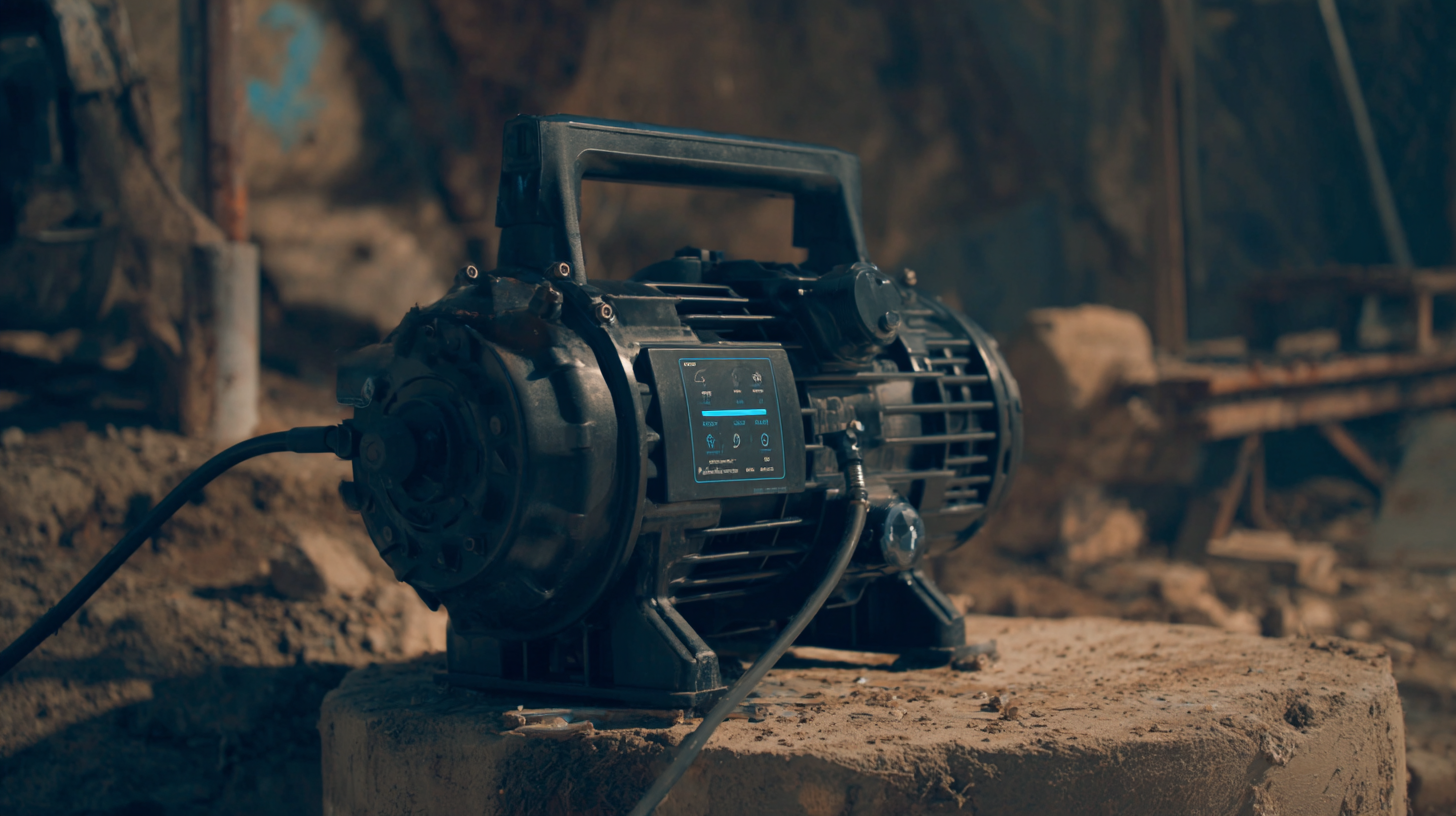 When you're checking out how surface pumps perform in real-world scenarios, it’s not just about looking at their efficiency ratings. You really wanna see how they actually behave when they’re out in the field. A good tip is to see if the pump can handle different kinds of fluids and temperatures—this kind of flexibility can make a huge difference in how well it performs and how long it lasts. Just make sure you double-check that it’s compatible with the liquid you're planning to pump; otherwise, you might run into problems or end up decreasing its efficiency.
Another thing to keep in mind is the environment where the pump will be working. Make sure it’s rated for the specific conditions you’ll be dealing with, whether that’s dust, chemicals, or really extreme temperatures. It’s also helpful to keep an eye on how the pump handles different loads. Regularly monitoring its performance can give you valuable clues if something needs adjusting. And of course, routine maintenance and inspections go a long way in keeping everything running smoothly and preventing surprises. That way, your pump stays close to its rated efficiency and avoids unexpected downtime.
Maintenance Best Practices for Maximizing Pump Efficiency
When it comes to keeping your surface pumps in good shape, following some best practices is really the way to go if you want them to run efficiently and last longer. Honestly, regular maintenance is the secret sauce for top-notch performance. Just make a habit of inspecting the pump often—look out for signs of wear and tear, leaks, or weird noises that might hint at problems hiding underneath. Don’t forget to clean those filters and strainers pretty regularly too—clogs can seriously kill the efficiency. Oh, and keeping the area around the pump clear of debris is super important for good air flow and cooling.
Another thing to keep an eye on is the pump’s performance—stuff like flow rate and pressure. These numbers can tell you a lot about how well your pump is doing and help you figure out when something needs fixing or tweaking. Setting up a maintenance routine that includes lubricating moving parts, swapping out worn components, and calibration can really make a difference. If you stick to these tips, your surface pump could perform at around 95% efficiency, which not only saves energy but also helps it last longer. Trust me, a little regular care goes a long way!
Cost-Benefit Analysis: Investing in High-Efficiency Pumps
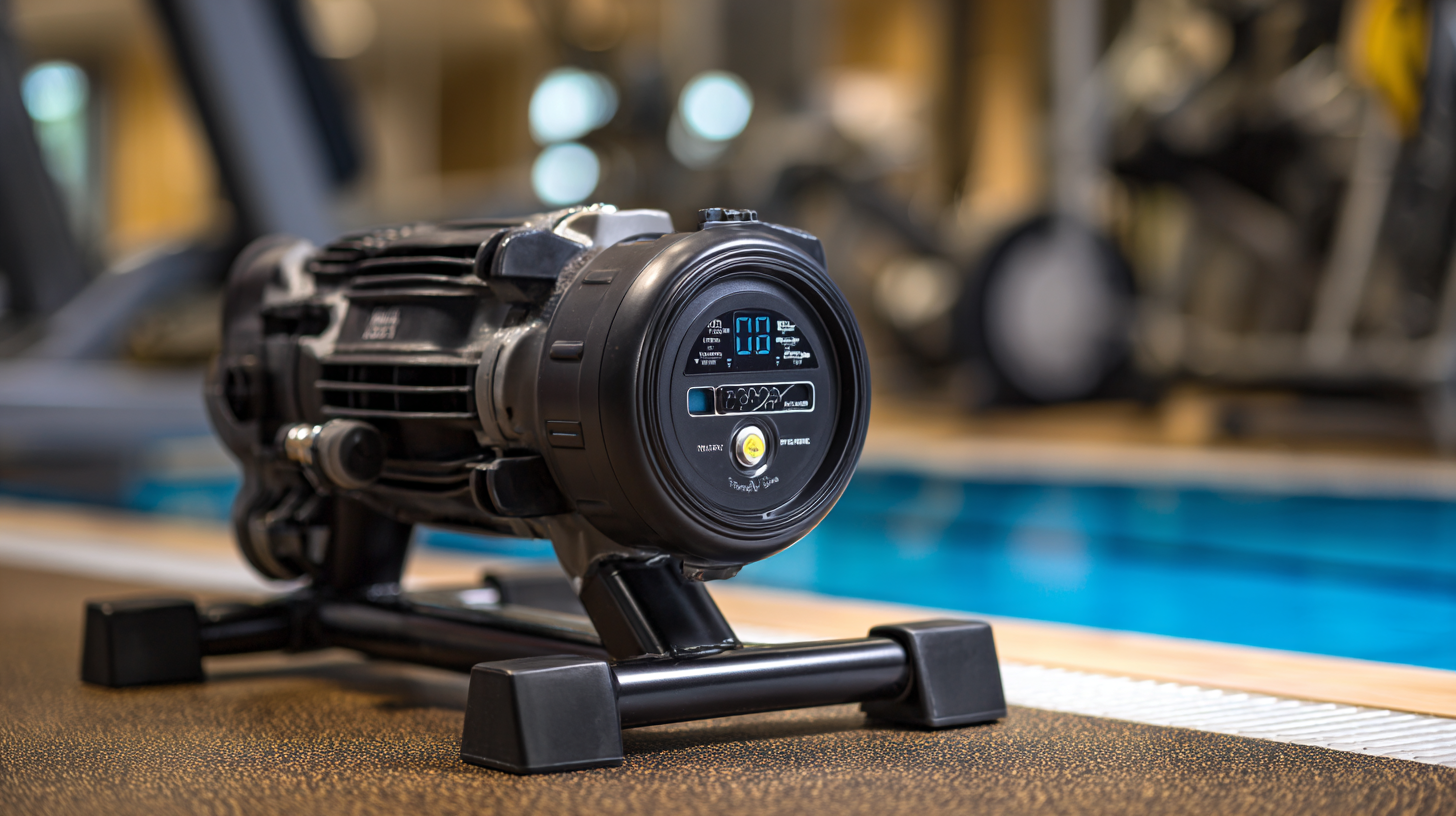
When you're looking into buying surface pumps, it’s really important to do a good cost-benefit analysis first. Sure, high-efficiency pumps—they’re the ones with about 95% efficiency—can be a bit pricier upfront. But honestly, over time, the savings on energy bills and maintenance tend to make up for it and then some. Investing in these kind of pumps doesn’t just cut down your operational costs; it also helps lessen your environmental impact, so they’re a smart choice if you’re looking to do business responsibly.
One thing I’d definitely recommend is to really think about what your specific needs are before you make a decision. Not all pumps are created equal; they’re built for different tasks, so picking one that fits your situation can really boost performance and efficiency. Also, don’t forget to consider what the pump runs on—going for solar or other renewable energy sources can seriously bump up your sustainability and save you money in the long run.
And finally, it’s worth checking out the pump’s lifespan and warranty. A model that lasts longer and comes with a solid warranty can save you some hassle—and cash—down the line. If you keep these factors in mind, along with the efficiency ratings, you’ll be in a much better position to choose a pump that’s both reliable and cost-effective for your needs.
Cost-Benefit Analysis of Surface Pumps Based on Efficiency Ratings
FAQS
: The main types of surface pumps available are jet pumps, centrifugal pumps, and diaphragm pumps. Each type is suited for different applications and requirements.
Jet pumps are ideal for deep well applications and are capable of handling heavy demands.
Centrifugal pumps are particularly suited for surface water applications, offering high flow rates and consistent performance under varying conditions.
Diaphragm pumps are the best choice when precise operation and minimal maintenance are required, as they can handle various fluid types reliably.
Efficiency ratings are critical for selecting pumps, as they help determine the pump's performance characteristics and how well it will operate under specific conditions.
Key factors include the pump’s capacity to handle various fluid types and temperatures, compatibility with the specific liquid, and how it performs under different loads.
A cost-benefit analysis helps assess the long-term savings on energy bills and maintenance against the initial cost, making it easier to evaluate the overall value of high-efficiency pumps.
Choosing renewable energy sources, like solar, can enhance sustainability and reduce recurring costs associated with pump operation.
A pump with a longer lifespan and a solid warranty can provide financial benefits over time, making it an important factor to consider in your purchasing decision.
Regular maintenance and inspection are recommended to sustain high performance and prevent unexpected downtime, ensuring efficient operation.
Conclusion
When you're trying to pick out the perfect surface pump, one of the key things to consider is its efficiency rating—especially if you’re aiming for something around 95%. In this little guide, I’ll share some handy tips to help you navigate all the confusing options out there. We’ll talk about what you really need to think about—like your specific application, how different pump types stack up against each other, and some real-world ways to evaluate their performance. Plus, don’t forget that keeping up with good maintenance practices can really boost both the efficiency and lifespan of your pump.
Also, doing a solid cost-benefit analysis can save you a headache later on, especially when choosing high-efficiency models. Here at Zhejiang Rambo Intelligent Technology Co., Ltd., we’re all about providing top-notch surface pumps that combine advanced tech with innovative design—all at reasonable prices. Our goal? To make sure you get the best bang for your buck, without sacrificing performance or reliability.







 Mr Youkee Kong
