These days, everything in the industrial world seems to be changing so fast, right? When it comes to fluid management, finding solutions that are both efficient and reliable is more important than ever.
I recently came across a market report from Grand View Research, and it’s pretty wild—the global market for submersible pumps is expected to hit around $43.74 billion by 2025. That growth is really driven by tech advances and a bigger push towards eco-friendly practices.
Among all the options out there, the Plastic Submersible Pump really catches the eye because it’s lightweight, resistant to corrosion, and usually costs less to run. It’s pretty much perfect for a bunch of different industrial uses.
At Zhejiang Rambo Intelligent Technology Co., Ltd., we’re proud of the work we do—making high-quality Plastic Submersible Pumps that check all the boxes: meeting international standards, tailored to what our clients need, and offering a good balance of innovation and affordability.
Thanks to our state-of-the-art production facilities and cutting-edge processes, we’re confident our products stand out in terms of performance and dependability. We’re definitely proud to be making a mark in such a competitive market.
Understanding the Different Types of Plastic Submersible Pumps for Industrial Use
So, when you're choosing a plastic submersible pump for industrial stuff, it's really important to get a grasp of the different types out there and what they’re best suited for. There’s quite a few materials and designs to consider — especially now, with all the talk about pollution and those tiny nano and microplastics sneaking into wastewater. Pumps that are meant to handle wastewater need to be pretty sturdy but also efficient at dealing with solids and all sorts of contaminants. For example, there are specific models built to tackle microplastics, so treatment plants can better filter out those nasty particles that harm our water environment.
And check this out — the market for cooling water pumps is actually set to grow a lot, mainly because industries are now craving more efficient and eco-friendly solutions. As companies look to go greener, the focus on high-performance plastic submersible pumps that can handle different conditions is becoming super important. Plus, understanding how long materials like PVC in pipes last can really help businesses make smarter choices about their pumping systems. Picking the right kind of plastic pump doesn’t just make operations smoother; it also helps out with environmental issues, making a little difference eco-wise.
In a nutshell, making the right choice means better operation and a more sustainable future — pretty cool, right?
Key Factors to Consider When Selecting a Plastic Submersible Pump
So, when you're trying to pick out the best plastic submersible pump for industrial jobs, there's a few key things you really want to keep in mind. First off, it's super important to understand exactly what you'll be using it for. Think about the kind of liquid you'll be pumping—its temperature, and how much flow you're looking for. Plastic pumps are pretty great, especially in harsh chemical environments, because they stand up to stuff that can eat away at metal parts pretty quickly.
Another thing to consider is whether the pump can handle solids. In a lot of industrial setups, you'll need a pump that can deal with not just water, but also any solids floating around in there. The design of the impeller and the size of the inlet really make a difference in how well the pump performs and how long it lasts. Plus, don’t forget about energy efficiency—picking a pump that uses power wisely can save you a ton of money over time, especially if you're running it day in and day out.
And last but not least, think about maintenance. Some pumps are super easy to take apart and keep up with, which means less downtime and headaches. If you keep all these things in mind—what you need, solids handling, energy savings, and how easy it is to maintain—you’ll be in a really good spot to make a choice that works perfectly for your water management needs.
Performance Metrics: What to Look for in a Plastic Submersible Pump
When you're trying to pick out a plastic submersible pump for industrial use, it’s pretty important to get a good handle on some key performance aspects. First off, check out the flow rate—this is usually listed in gallons per minute (GPM) or liters per minute (LPM). Basically, it tells you how much fluid the pump can move smoothly. Picking a pump with the right flow rate for what you need helps avoid wasting energy and overworking the pump.
Then there’s the total dynamic head (TDH)—that’s just a fancy way of saying how high the pump can lift the fluid vertically. If you’re dealing with tricky elevations or uneven terrains, a pump with a higher TDH can really come in handy. Don’t forget to look at how much power the pump uses, whether it’s in horsepower (HP) or watts. An energy-efficient pump might cost a bit more upfront but will save you money on electricity in the long run. Lastly, pay attention to what the pump’s made of—good quality plastics are a plus because they last longer and stand up better against chemicals, which is a big deal when dealing with corrosive fluids in industrial settings. Focusing on these points will help you find the right plastic submersible pump for your project without much of a headache.
Maintenance Tips for Prolonging the Life of Your Submersible Pump
Submersible pumps play a pretty important role across a bunch of industries, especially when it comes to moving liquids or slurries. If you want these pumps to keep running smoothly and last as long as possible, regular maintenance is really key. I came across a report from the Hydraulic Institute that mentions if you stay on top of upkeep routines, you can actually extend the life of a submersible pump by up to 30%. Things like inspecting the motor and power supply regularly, and keeping an eye out for signs of wear and tear, are so important in preventing bigger issues down the line.
Another tip that’s often overlooked is keeping tabs on operational parameters like temperature and pressure. The American Society of Mechanical Engineers recommends this because catching small problems early can save you from major headaches later. Also, making sure the area around the pump is clear of debris and sediment can help prevent blockages that might cause overheating or damage. Adding vibration analysis into your maintenance routine can also make a big difference, helping you catch issues before they turn into costly repairs. If you follow these simple tips, your plastic submersible pumps will perform better and last longer, saving you time and money in the long run.
Cost vs. Quality: Finding the Right Balance for Your Budget
So, when you're choosing a plastic submersible pump for industrial use, it’s really about finding that sweet spot between cost and quality. Honestly, a lot of businesses struggle with this — do you go for something cheap that might not perform so well, or shell out more upfront for a reliable, efficient pump that’ll keep things running smoothly? The key is really understanding what your specific process needs. Think about what kind of fluids you're pumping, the environment it’ll be working in, and how much flow you actually require. Getting clear on these points helps you pick a pump that not only fits your budget but also does the job right.
Now, here’s the thing—spending a bit more on a quality submersible pump can save you a ton in the long run. Yes, the initial cost might be higher, but a sturdy, efficient pump usually means fewer breakdowns and less maintenance hassle later on. Plus, good pumps often come with warranties and better customer support, which is a big plus. Doing your homework—reading reviews, chatting with industry folks, and doing some research—can really pay off. It helps you find that perfect balance between what you can afford and what your process actually needs, making sure you're making a smart choice overall.
Cost vs. Quality Analysis for Plastic Submersible Pumps
Top Brands and Models of Plastic Submersible Pumps in the Market
When you're looking to pick out a plastic submersible pump for industrial use, it's pretty important to get a handle on the top brands and models out there. Brands like Grundfos, Zoeller, and Gorman-Rupp really stand out—they've built a solid reputation thanks to their reliability and performance.
For instance, Grundfos pumps are known for their innovative designs and energy-saving features, which makes them a go-to choice in a bunch of different industrial settings. On the other hand, Zoeller combines tough durability with great customer support, especially when it comes to wastewater removal and dewatering jobs.
And then there's the Gorman-Rupp Super T Series—these are pretty impressive in terms of build quality and how they handle tough conditions. They’re made with corrosion-resistant materials, so they’re perfect if you're dealing with environments where chemicals are a concern. As industries keep changing and demanding more versatile, efficient pumps, it’s super helpful to look at key features like flow rate, maximum submersion depth, and what materials they're made of. That way, you can really choose what's best suited for your specific needs—no guesswork involved.
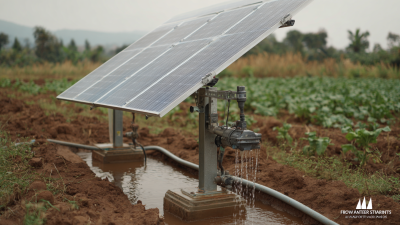
Maximize Water Efficiency with the 3 Inch DC Plastic Impeller Deep Well Solar Water Pump: A Sustainable Solution for Your Needs
Maximizing water efficiency is essential in today’s world, where sustainable resource management is a top priority. The 3 Inch DC Plastic Impeller Deep Well Solar Water Pump stands out as a remarkable solution for those seeking to enhance their water utilization without compromising the environment. According to the International Water Management Institute, efficient water management strategies can lead to a 20-30% increase in productivity, making innovative solutions like this solar pump vital for both agricultural and residential applications.
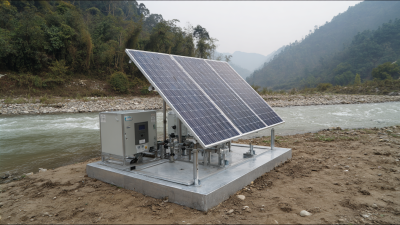
This pump operates on photovoltaic panels that harness solar energy, converting it into electrical power to operate. This technology not only reduces reliance on conventional energy sources but also minimizes operating costs associated with water extraction. A recent report from the Global Solar Water Pump Market indicates that solar water pumps are expected to see a compound annual growth rate (CAGR) of 21.5% by 2026, underlining the increasing shift toward renewable energy solutions in water management.
Incorporating the 3 Inch DC Plastic Impeller Deep Well Solar Water Pump into your water system means embracing cutting-edge technology that prioritizes efficiency and sustainability. With durable construction and the ability to operate in remote locations, these pumps are not just beneficial for the planet; they are also economically advantageous for users looking to optimize their water resources effectively.
FAQS
: Key factors include understanding specific application requirements, solids handling capacity, energy efficiency, and maintenance needs.
Plastic pumps offer resistance to chemicals, making them ideal for use in corrosive environments where metal pumps may degrade.
A pump designed to handle suspended solids will be more efficient and have a longer lifespan, which is essential for many industrial applications.
The flow rate, measured in gallons per minute (GPM) or liters per minute (LPM), indicates the pump's capability to move fluid efficiently.
TDH represents the vertical height the pump can lift fluid, with a higher TDH suggesting better performance in varied elevations.
Energy-efficient pumps reduce operational costs over time, which is particularly beneficial for large-scale operations.
High-quality plastic enhances a pump's durability and resistance to chemicals, making it more suitable for industrial applications involving corrosive fluids.
Selecting pump models that are easy to disassemble and have low upkeep requirements can minimize downtime in an industrial setting.
Choosing a pump with an optimal flow rate for specific requirements helps prevent unnecessary energy consumption and wear.
The design of the impeller affects how well the pump can manage both fluid and suspended solids, influencing its overall efficiency and longevity.
Conclusion
In our 'Ultimate Guide to Picking the Best Plastic Submersible Pump for Your Industrial Needs,' we get into the ins and outs of the different types of plastic submersible pumps out there for industrial use. We highlight what makes each one unique and what benefits they offer. When you're choosing a pump, a few key things to keep in mind are how it performs, proper maintenance tips, and balancing the cost with the quality you need. We also share some handy guidelines to help you extend your pump's lifespan—so it keeps working well without breaking the bank.
At Zhejiang Rambo Intelligent Technology Co., Ltd., we’re committed to providing top-notch yet affordable plastic submersible pumps that meet international standards. Thanks to our cutting-edge manufacturing facilities and innovative designs, we aim to stand toe-to-toe with the big-name brands out there. Our goal? Making sure you always get the best service and quality when you choose us.






 Mr Youkee Kong