Hey there! As we gear up for 2025, the tech world is buzzing with some pretty cool opportunities, especially when it comes to DC Charge Controllers. Here at Zhejiang Rambo Intelligent Technology Co., Ltd., we're all about staying on top of the latest trends and rolling out fresh strategies that really resonate with the fast-paced market we're in. With our cutting-edge production facilities and top-notch processes, we’re able to deliver quality solutions that won’t break the bank, putting us right up there with the big names in the industry. As everyone starts making the switch to more sustainable energy options, getting a grasp on where DC Charge Controllers are headed is going to be super important for both businesses and consumers. In this blog, we'll dive into the key trends that are shaping this tech, explore some alternatives that might shake things up, and share a bit about the winning approaches Rambo Intelligent is taking to keep things top-notch in the years ahead.
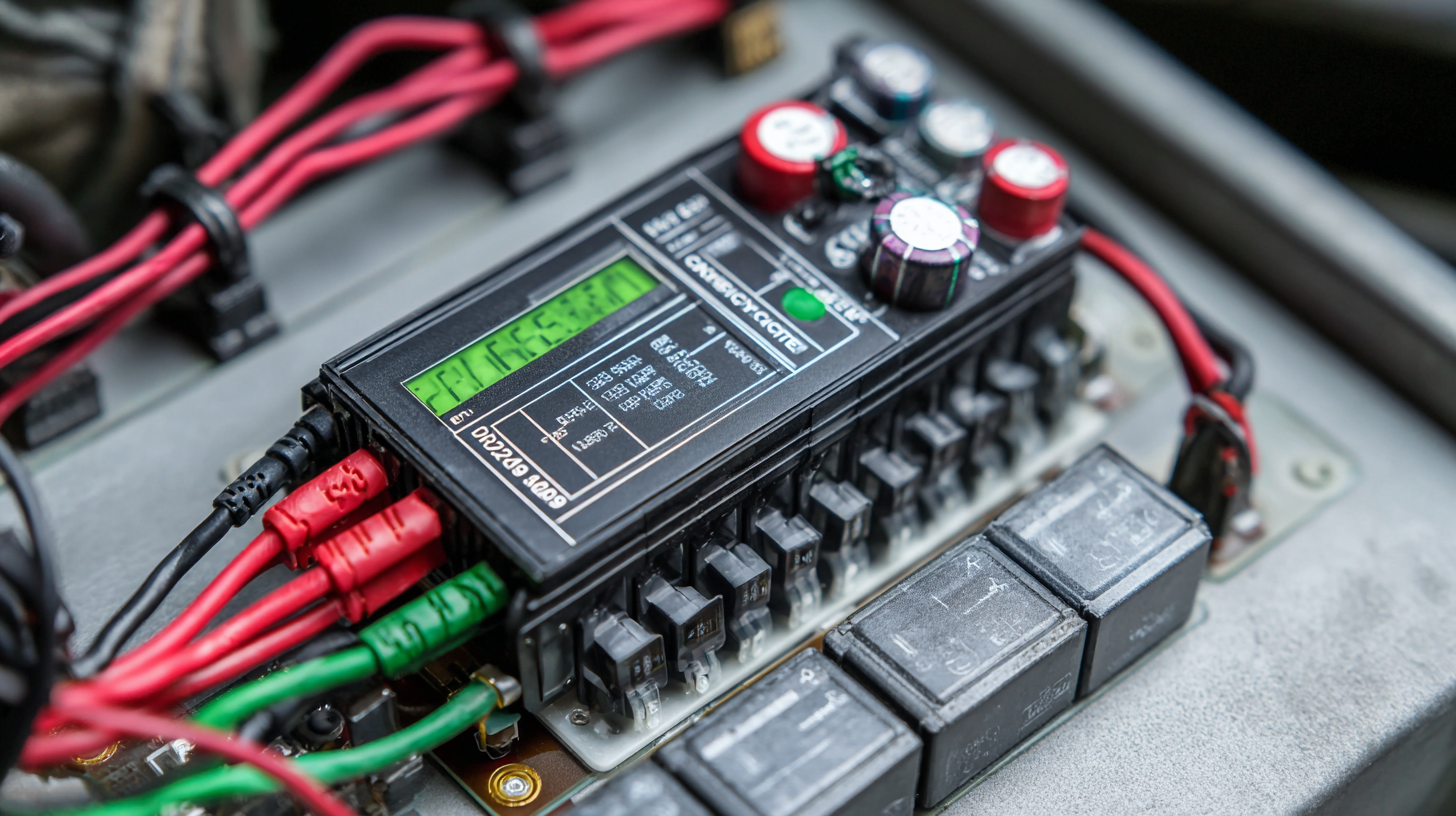
The Rise of DC Charge Controllers: Innovations Shaping the Future
You know, the rise of
DC charge controllers
is actually a pretty big deal in the world of renewable energy and EV charging tech. Reports are buzzing about how the global market for these
fast chargers
could hit a whopping USD 33.8 billion by 2025! That’s a staggering growth rate of 29.3% from 2021 to 2025, if you can believe it. So, what’s driving all this? Well, more and more people are getting into electric vehicles, and there’s a real push for quicker and more efficient charging solutions. With technology advancing like it is,
smart features—think real-time energy management and engaging with the grid—
are becoming the norm. This means folks can really optimize their energy use and save some bucks in the process.
The major players in the industry are really honing in on improving charge control systems to handle higher voltage and power. This is super important if we want to roll out those ultra-fast charging stations. A report I came across from
Research and Markets
highlights how breakthroughs in semiconductor tech and energy storage are really pushing DC charge controllers to the next level, allowing for faster charging times and better energy efficiency. Not only do these advancements enhance the user experience—who doesn’t want their EV charged in no time?—but they also help ease the load on the power grid, which is in line with our global sustainability efforts. As we edge closer to 2025, I’m excited to see how DC charge controller technology continues to shape the future of
EV infrastructure
and renewable energy!
Key Technologies Driving DC Charge Controller Efficiency by 2025
You know, as the electric vehicle (EV) market really picks up speed, the need for efficient DC charge controllers is becoming super important. By 2025, we’re looking at some pretty exciting tech that’s going to boost the efficiency of these controllers. Think advanced semiconductor materials, smart grid integration, and better energy management systems. The use of wide bandgap semiconductors like silicon carbide (SiC) and gallium nitride (GaN) is set to seriously shake things up when it comes to energy conversion efficiencies. We’re talking faster charging times and less energy waste – pretty cool, right?
And let's not forget about smart tech. Integrating IoT capabilities into DC charge controllers is key. These systems can keep an eye on and fine-tune charging patterns, using real-time data to make everything more efficient and reliable for the grid. With the help of AI algorithms, these controllers are not just following orders; they can actually learn how users behave, predict their energy needs, and juggle load distribution to help cut down on peak demand charges. All this focus on improving technologies shows that there's a strong push towards sustainability and optimizing our electric charging infrastructure. It's really paving the way for a cleaner, more efficient future in the EV world!
China's Manufacturing Excellence: Setting Standards for Global Markets
You know, China has really made a name for itself when it comes to manufacturing, and by 2025, it’s about to take that influence to a whole new level in global markets. The commitment they have to innovation and quality is pretty impressive—it’s allowed them to set the bar high in so many industries, especially in tech fields like renewable energy and electric vehicle charging solutions. Just think about those DC charge controllers; they’re super important for managing energy efficiently, and China's really stepping up to meet the international demand with its manufacturing skills.
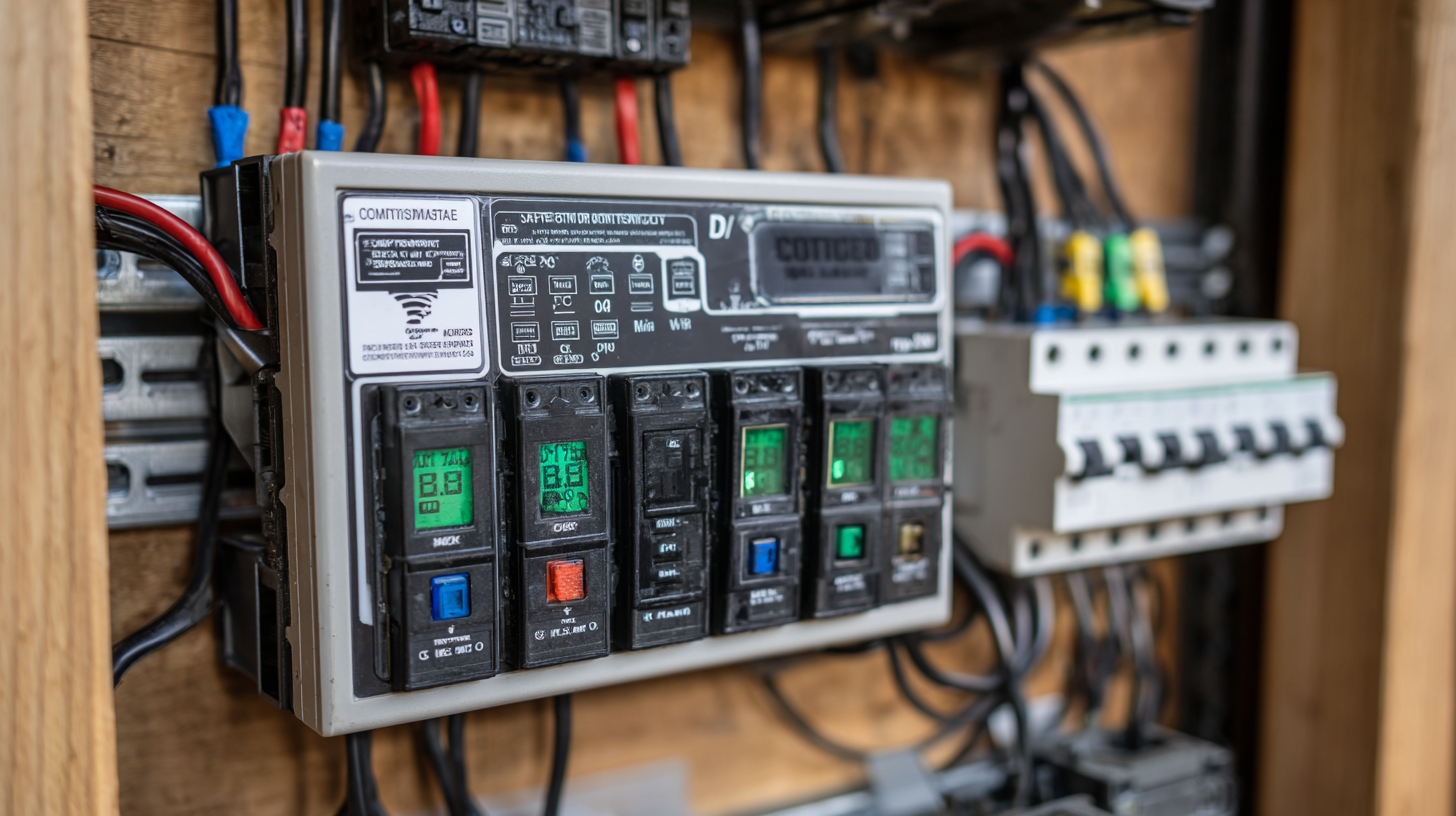
As the world’s energy needs shift toward sustainability, it’s clear that Chinese manufacturers are really jumping on board with the latest technologies and processes. They’re using advanced automation and smart tech to boost the performance and reliability of DC charge controllers. This shift not only strengthens China’s status as a leader in the energy sector but also raises the stakes for competitors around the globe. With everyone looking for better efficiency and sustainability, what China is doing in this arena is both a challenge and a golden opportunity for other countries trying to keep up with these exciting trends.
Strategies for Competing in the Global DC Charge Controller Industry
You know, with the buzz around electric vehicles (EVs) just skyrocketing, we really can’t overlook how important efficient DC charge controllers are becoming. For companies that want to make their mark in this booming market, it’s super important to get a grip on the latest tech trends and what consumers are looking for. Come 2025, if businesses want to stay relevant, they gotta embrace innovation like it’s the new normal. Think about incorporating cool features, like smart charging and real-time monitoring – these not only jazz up the user experience but also help save energy, which is a win-win, right?
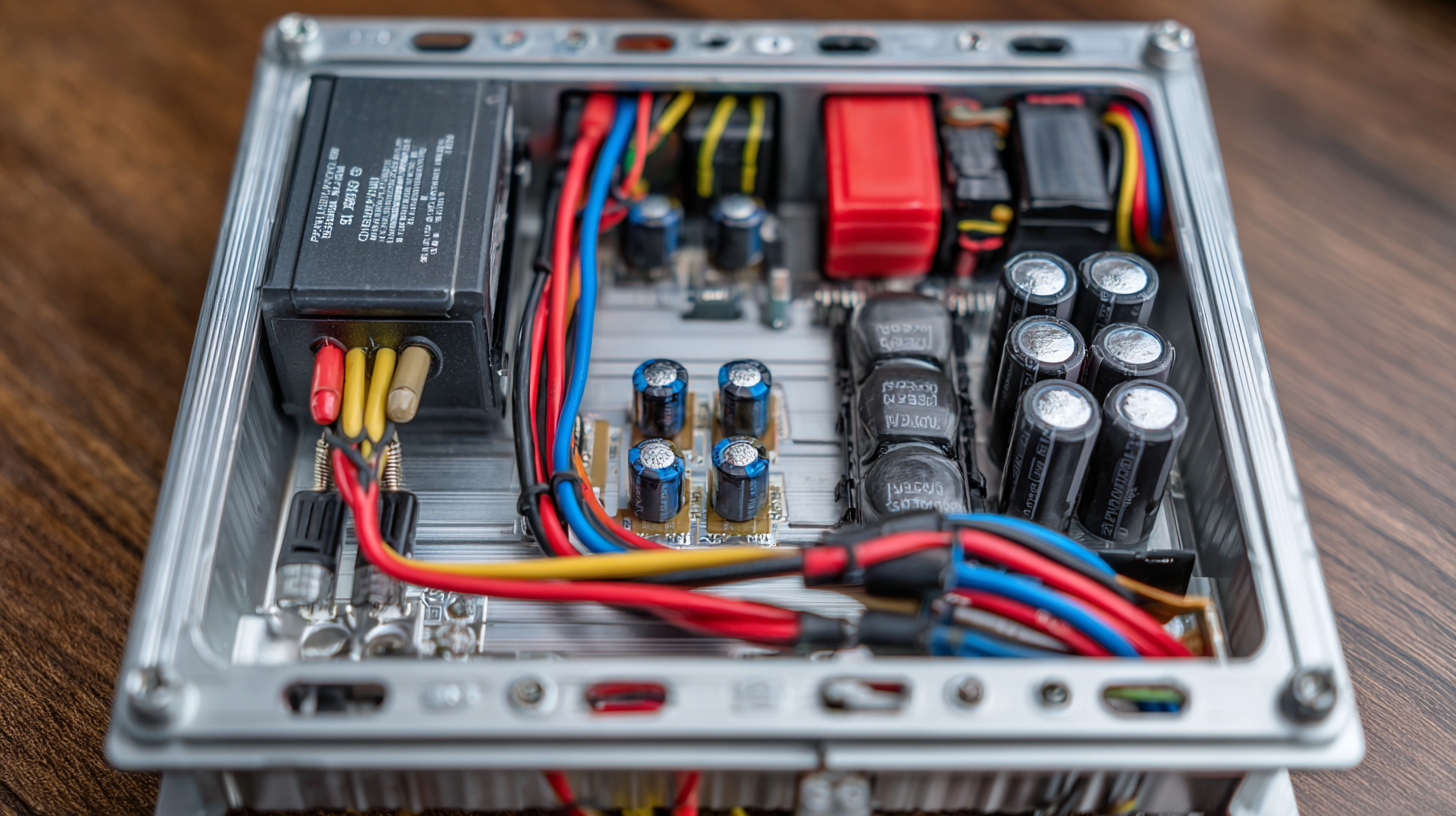
Plus, working together in the industry is gonna be key. Partnering up with tech firms can really fast-track the development of awesome new solutions, giving businesses that crucial edge over their rivals. And let’s not forget about sustainability! Designing products with the environment in mind will not only resonate with global eco goals but also pull in those eco-conscious customers. So, investing in research and development while also diving into strong marketing strategies? That’s how companies will come out on top in the competitive world of DC charge controllers in the next few years.
Sustainability Trends Impacting DC Charging Solutions in 2025
As we glance ahead to 2025, it’s pretty clear that sustainability trends are shaking up the world of DC charging solutions. There’s this growing sense of urgency to cut down on carbon footprints and really push for renewable energy sources. A recent report from the International Energy Agency (IEA) even predicts that global electric vehicle (EV) sales are gonna zoom past 25 million units every year by 2025! That’s gonna skyrocket the demand for smart and efficient charging infrastructure.
Now, with this shift, we’re seeing a need for advanced DC charge controllers. These gadgets not only help us charge our cars faster but also do a better job of managing energy through some really cool smart tech.
Plus, there’s been a big push towards integrating renewable energy into these charging solutions, which is totally in line with our sustainability goals. The World Economic Forum pointed out that by 2025, we might see half of all new EV charging stations running on renewable energy. This change could really cut down emissions from the usual grid electricity. Manufacturers are stepping up their game, too, creating DC charge controllers that are all about optimizing energy use. They can adjust to different energy sources and even chat with the local grid to balance out demand. It’s exciting to see how the industry is not just adopting eco-friendly practices, but also gearing up to meet the ever-changing needs of the market!
Harnessing the Future of Best DC Charge Controller in 2025 Technology Trends and Winning Strategies
| Trend |
Description |
Impact on DC Charging Solutions |
Strategic Focus |
| Integration with Renewable Energy |
Increasing use of solar and wind energy to power DC charging stations. |
Enhanced sustainability and reduced carbon footprint. |
Develop partnerships with energy providers. |
| Smart Charging Technologies |
Utilization of IoT and AI to optimize charging times and efficiencies. |
Increased user convenience and grid efficiency. |
Invest in R&D for smart software solutions. |
| Regulatory Changes |
New government policies promoting EV usage and DC charging infrastructure. |
Accelerated infrastructure development and funding opportunities. |
Engage in advocacy for favorable regulations. |
| Consumer Demand for Fast Charging |
Growing expectation for rapid DC charging solutions. |
Increased competition and innovation in charging speed. |
Focus on developing faster charging technologies. |
| Sustainable Material Usage |
Shift towards eco-friendly materials in manufacturing charging stations. |
Reduced environmental impact of product lifecycle. |
Evaluate supply chain for sustainable sources. |
Future-Proofing Your DC Charge Controller Design: Best Practices and Insights
As we gear up for 2025, the world of DC charge controller tech is really taking off! If you want your design to stand the test of time, it’s super important to get a handle on the latest trends and to think ahead about what energy systems will need down the road. To keep up with the competition, it’s essential to include flexible technologies, like smart grid features and better communication interfaces. These additions let you monitor things in real-time and analyze data, which means users can really make the most of their energy storage and how they use it.
Another tip is to focus on modular design—it's a game changer when it comes to keeping your DC charge controller relevant for years to come. By using interchangeable parts, manufacturers can easily tweak their systems to bring in new tech and meet evolving standards as they pop up. This not only cuts down on waste but also lengthens the lifespan of the product, making it a greener option for everyone involved.
Oh, and don’t forget about cybersecurity! With everything becoming more connected, you really want to make sure you’re guarding against potential threats. By keeping these insights and strategies in mind, you can develop a DC charge controller that not only meets today’s needs but is also ready to tackle whatever the future throws at it.
Future Trends in DC Charge Controller Technology (2025)
FAQS
: Key technologies include advanced semiconductor materials like silicon carbide (SiC) and gallium nitride (GaN), smart grid integration, and enhanced energy management systems.
Wide bandgap semiconductors are expected to revolutionize energy conversion efficiencies, enabling faster charging times while minimizing energy loss.
IoT capabilities allow DC charge controllers to monitor and optimize charging patterns based on real-time data, increasing efficiency and grid reliability.
Artificial intelligence algorithms can help controllers learn user behavior, predict energy needs, and manage load distribution to minimize peak demand charges.
Forming partnerships with tech companies can accelerate the development of innovative solutions, helping firms stay ahead of competitors and meet consumer demands.
Manufacturers should incorporate adaptive technologies, emphasize modular design, and invest in robust cybersecurity measures to extend the product lifecycle and safeguard against obsolescence.
Modular design allows manufacturers to replace and update components easily, reducing waste and extending the product's lifecycle, making it a more sustainable choice.
Real-time monitoring enables users to analyze data and optimize energy storage and utilization effectively, which is essential for modern energy systems.
Emphasizing sustainability in product design aligns with global environmental goals and will attract eco-conscious consumers.
Increased connectivity raises the stakes for potential vulnerabilities, making it crucial for manufacturers to invest in robust cybersecurity measures.








 Mr Youkee Kong
