Since 1998
Solar Pump

Inquiry
Form loading...
Solar Pump
There is a heightening demand for efficient and sustainable water harvesting solutions as a remedy for water scarcity problems, empowerment of renewable energy initiatives and others. It ranks among the latest innovations in accessing the endless power of the sun: the Deep Submersible Solar Water Pump. It efficiently pumps water for agricultural, domestic or industrial use. Tapping deeper into such a pathbreaking solution can pave the way for not only a more efficient and economical irrigation application, but also manage to create a significant environmental footprint reduction.
At Zhejiang Lanbo Intelligent Technology Co., Ltd. we want to define the future of innovative water solutions. Our commitment to optimize and develop Deep Submersible Solar Water Pumps fits the narrative of using smart technologies for creating a greener and more sustainable future. This blog will be exploring design, operational advantages and the height of the potential these pumps present for changing the dynamics of water accessibility in different environments. Join us as we explore the field of sustainable technology and find out how these pioneering systems can revolutionalize water supply practices.

Deep submersible water pump technology is a major step forward to combat water shortage and that is especially very fruitful in places where normal water supply proves to be not at all effective. As these pumps are built to work under the water surface, it helps in extracting underground waters with minimum energy application and with solar integration; these systems have become even more sustainable than before. Some recent innovative inventions include phenomenal projects that try to couple solar panels with physical infrastructure such as canals to save water, and that will produce renewable energy. Another emerging trend in demand worldwide seems to be the growing interest in the solar-powered pump because of the low operational cost they provide, coupled with their eco-friendliness. All this points toward an increasing trend that governments adopt in subsidizing farmers to buy solar pumps and head toward a more sustainable agricultural future.
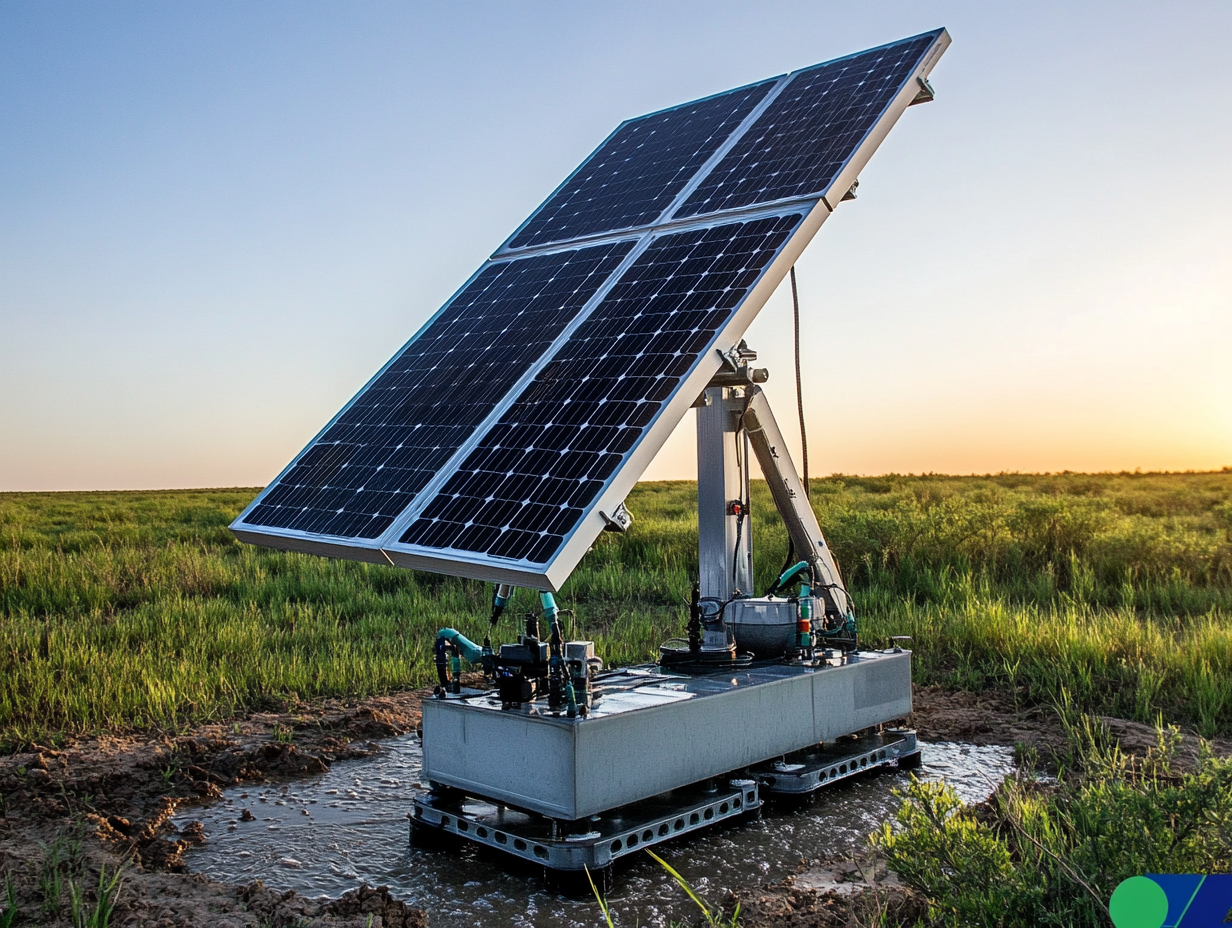
Innovative materials aid significantly in the durability and performance of deep submersible solar water pumps. As the demand for sustainable water solutions skyrockets, especially in countries like Saudi Arabia, there are advanced materials that need to be seriously explored to outlast an environment of such harshness. Such innovations would increase not only the expected lifespan of the pump but also its operational reliability in varying climates.
Recent innovations in solar-powered systems with composites that resist corrosion and are lightweight have enhanced reliability in agricultural and urban applications. With the application of these new materials, manufacturers have been able to design systems that withstand the forces from deep wells, limiting maintenance costs and downtime. This method is parallel with the call for promoting green technologies worldwide and achieving a sustainable source of water for remote communities.
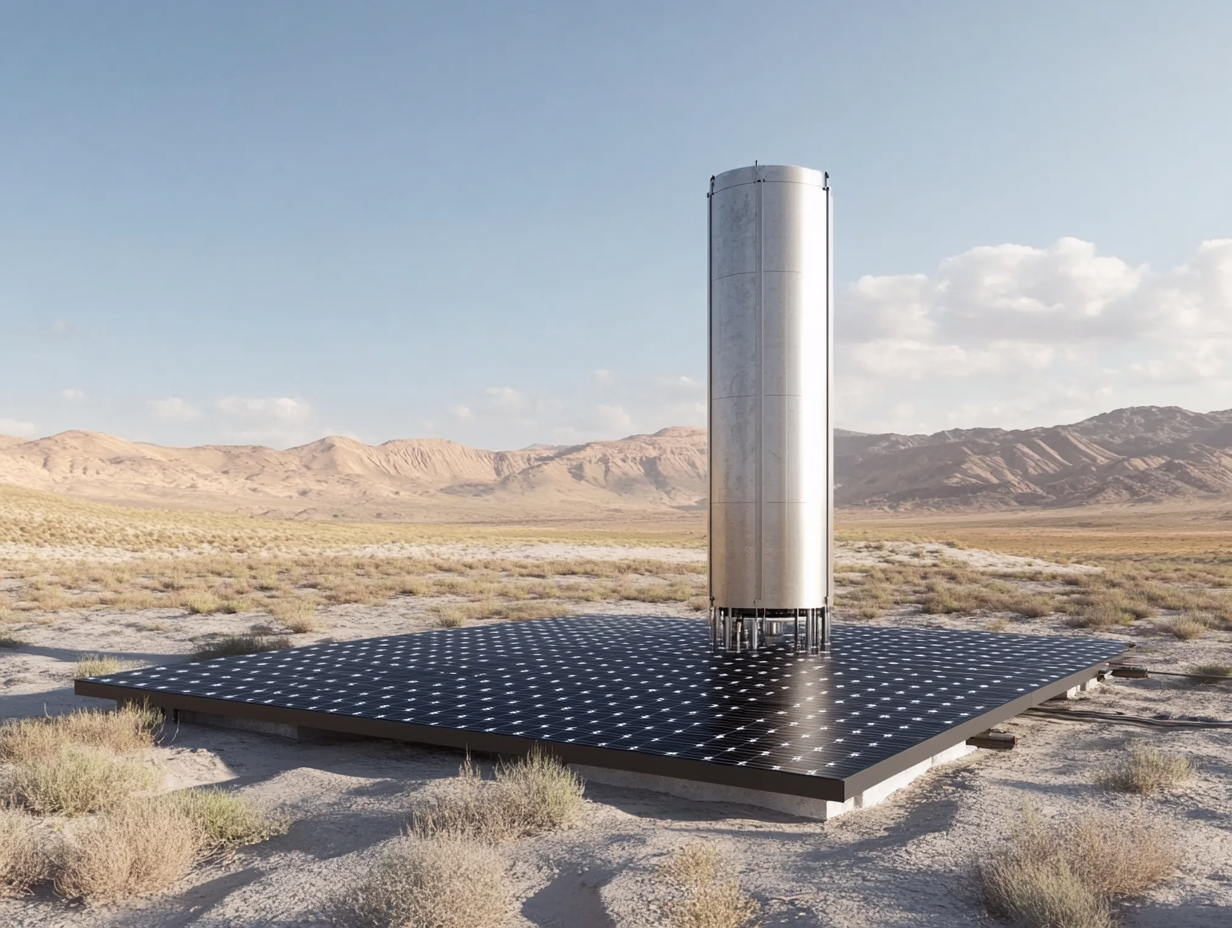
Solar pump technology has a bright future, especially with the increasing popularity of deep submersible solar water pumps. As regions throughout the world improve access to clean water, innovations in solar-powered systems are making great strides. The expected market is anticipated to grow to more than $1.5 billion by 2030, indicating a steady increase in the reliance on these sustainable solutions mainly in Asia and African countries.
Using advanced features that include pay-as-you-go for off-grid communities is changing the way smallholders are accessing irrigation and domestic water. Companies are making efficient submersible designs that take advantage of solar energy to promote environmental sustainability by countering the reliance on conventional energy sources. With access to water being the new global agenda, the innovations of solar pump technology can play a pivotal role toward long-term water security.
Presently, in many emerging countries, especially in regions like Saudi Arabia, it is much in need for sustainable water supply. Investments in deep well submersible motors are expected to go beyond USD 23 million by 2033, wherein the application of solar power to water pumping systems is very crucial for agriculture and urban infrastructures. This development aids in water availability and provides constructive responses to the urgent challenges of sustainable water management.
The solar water pump market is envisaged to grow beyond USD 4.5 billion by 2032 at a phenomenal CAGR of 10.5%. This growth is mainly supported by the new developments in agrivoltaics, which is the simultaneous utilization of solar energy in conjunction with crop production on land. The economic consequences of this expansion are, therefore, quite serious for the market, which are open for businesses and communities to invest in renewable energy solutions that are meant to sustain environmental conservation while at the same time solving critical water scarcity problems.
Traditional solar-powered water pumps continue to have several challenges that limit their extensive adoption, especially in agriculture. Photovoltaic cells being dependent on solar radiation for activation usually face inefficiencies when sunlight is low for prolonged periods. Furthermore, operation in varying water depths becomes a challenge for many available models, limiting their acceptability in deep well applications.
The recent innovations in the solar pump market, namely submersible designs, seek to address these concerns. With the growing acceptance of submersible solar pumps to reach a projected market size of $1.5 billion by 2030, it clearly points toward sustainable and efficient pumping solutions. As research advances in this area, there is room for exploration of new creative avenues that can further improve the reliability of these systems and energy efficiency, hence promoting agricultural requirement and sustainability of water supply in water-scarce settings.
Deep submersible solar water pumps are drastically changing the ways we access and utilize water resources, revolutionizing them for, among other things, agricultural purposes. They harness solar energy to extract water from great depths and does so seamlessly, which makes them quite advantageous for those regions that have limits on traditional energy sourcing. The amalgamation of agri-solar technologies further enhances this productivity as it enhances sustainability through generating solar energy consumption, land management, water use, and biodiversity conservation.
Moreover, the increasing need for greener solutions in water availability is catalyzing the growth of the solar water pump market, which is anticipated to reap massive milestones in the coming years. These two benefits show the capability of operational efficiency and environmental stewardship in one successful product. With the advancement of technology, we'll see that there'll be potential for deeper submersible solar water pumps in offering innovative solutions for a more sustainable future in different sectors.
Innovations are sweeping the field of designing very deep submersible solar water pumps to improve energy efficiency. The solar pump market is anticipated to reach $1.5 billion in 2030, with various cutting-edge technologies being harnessed to optimize power output with minimal energy input. Sustainability is thus becoming the core criterion for the different water supply and irrigation projects ranging from agriculture to drinking water applications.
Recently, emphasis on optimization-based approaches in pump design has emerged, such as the better efficiency of photovoltaic panels and enhanced performance of the motor. These ensure reliability and reduced operational costs and cater to the demand for more eco-friendly solutions. As different countries in Asia and Africa increase solar pump installations, needs of different countries would call for greater emphasis on developing energy-efficient designs conducive to endless sustainability.
Solar-powered water pumps have played an important role in bolstering agricultural productivity and strengthening resilience mainly in drought-stricken regions like Cambodia. This set of appliances enables smallholder farmers to access water supply services without difficulty and addresses water scarcity problems. Case studies reveal that these systems provide consolidated reliable water and empower farmers to respond to unpredictable climate, thus, ensuring sustainability in their agricultural practices.
Also the global market of solar powered pumps is on the rise, with plenty of growth forecasts for the immediate future. Improvements in the submersible motor technologies are opening a door to more efficient and longer lasting solar water pumps. All these developments are certainly painting a bright future of renewable energy in water management and agricultural productivity worldwide.
Now it's going to change outside in such a way that it integrates smart technology and IoT within deep submersible solar water pumps. The same is true for the agricultural sector, which will be revolutionized in countries where rapid electricity demand grows, for example, Vietnam. Agrivoltaics could actually allow farmers to utilize land for both solar energy and crop production, thus serving as a sustainable measure for the water needs of farmers while maximizing productive land use.
Through IoT, these systems have real-time monitoring and automation that would otherwise make them very efficient and cost-effective to operate. As the market for solar-powered pumps continues to grow, it is projected that submersible pumps will experience tremendous growth, hitting the $1.5 billion mark by 2030. This is due to the emerging technologies in intelligent, energy-efficient design and the endless demand for renewable energy solutions. It would also effectively go a step forward in addressing water scarcity for different communities and environment-friendly practices by changing the way these communities access clean water in a sustainable way.
The environmental effect of solar water pumps, especially deep submersible ones, is increasingly coming to be of importance with the fast-growing market, projected to surpass USD 8.16 billion. This innovative solution offers a sustainable alternative to conventional fossil fuel-operated pumps in water crisis management and carbon emission reduction. Through solar energy, these pumps provide effective irrigation solutions while improving access to clean water, especially in rural regions of Asia and Africa.
Furthermore, solar technology innovations empower various agricultural sectors to embrace greener practices. These pumps are environmentally friendly, therefore contributing to sustainable development goals measured against climate change-related vulnerabilities. Deep submersible solar water pumps in the water supply system represent a very viable assurer of environmental sustainability and availability of much-needed resources for communities worldwide.
Deep submersible water pump technology is designed to operate beneath the water surface, enabling efficient extraction of groundwater while minimizing energy consumption.
Solar power integration makes deep submersible water pumps more sustainable, allowing for water extraction with renewable energy and reducing operational costs.
Solar-powered pumps reduce operational costs and support eco-friendly practices, which is crucial for farmers facing water scarcity.
Innovative materials, such as corrosion-resistant and lightweight composites, are used to improve the durability and efficiency of solar water pumps.
These pumps enable smallholder farmers in drought-affected regions to access water more efficiently, helping them adapt to climatic changes and improve agricultural productivity.
Governments are providing subsidies to farmers, making solar-powered pumps more accessible and promoting sustainable agricultural practices.
The global market for solar-powered pumps is expected to grow significantly, with advancements in motor technology leading to more efficient and durable systems.
By enhancing the durability of pumps, innovative materials minimize maintenance costs and downtime, aligning with global efforts for more sustainable water sourcing.
They help mitigate water shortages by providing reliable access to water, particularly for agricultural use in regions facing drought.
Pairing solar panels with infrastructures, such as canals, enhances water conservation, generates renewable energy, and increases the overall efficiency of water management systems.



 Mr Youkee Kong